Mon 30 Mar 2026 • Nick Kershaw
Why We Cap Our Groups at Thirty-Five Runners (and What That Means for You)
SHARE THIS POST
Most running events want more people. We don't. Here's why thirty-five is our number - and why smaller groups create deeper impact, stronger bonds, and better weeks.
We could take more people. The routes can handle it. The logistics could stretch. There are runners on our waiting lists who would book tomorrow if we opened more places.
We will not do it.
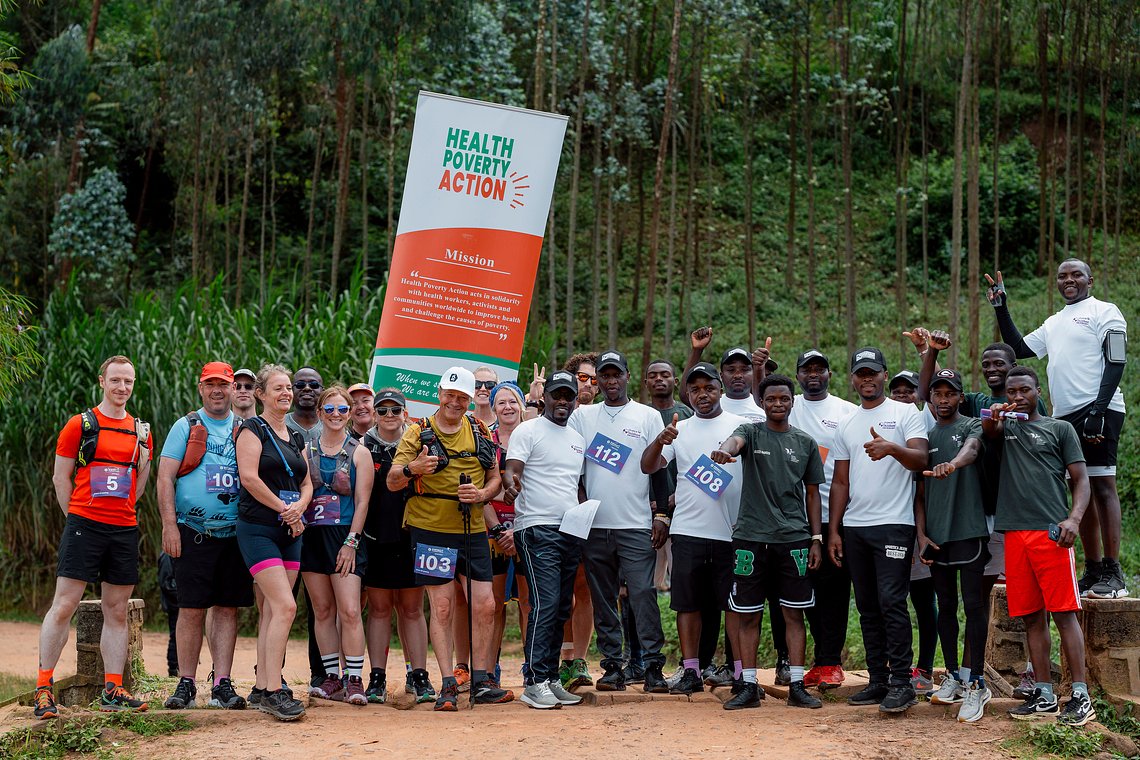
Thirty-five is our cap, and it is not a marketing decision. It is the number that protects everything an Impact Week is supposed to be.
The number that changes everything
There is a reason this number works, and it has nothing to do with running.
Robin Dunbar, the Oxford evolutionary psychologist, spent decades studying the relationship between brain size and social group size in primates. His research produced a layered model of human social capacity: five close confidants, fifteen good friends, fifty meaningful contacts, one hundred and fifty acquaintances. Each layer represents a different depth of trust and connection.
The layer that matters most for what we do is the one below fifty. Dunbar's research, and subsequent studies by Emily Webber at the University of Oxford, found that groups of fewer than forty people tend to develop a significantly stronger sense of camaraderie, shared purpose, and mutual accountability. Below forty, people know each other by name. They notice when someone is struggling. They notice when someone is thriving. Leadership can be informal and distributed. The group manages itself because every member feels responsible for the whole.
Above forty, something shifts. Subgroups form. Communication becomes harder. People start saying "they" instead of "we." Management has to become formal. The sense of shared ownership weakens. The group begins to function like an organisation rather than a community.
Thirty-five sits deliberately on the right side of that line.
Why it matters for the project
We have run large-scale events. Hundreds of runners. Race day infrastructure that rivals professional road races. Those events are exhilarating and they achieve remarkable things. There is genuine power in a large group converging on a single goal.
But we have also learned something from a decade of running community projects in places most people will never visit: the meaningful work does not happen at scale. It happens in proximity.
When you bring one hundred people to a rural community, twenty of them do most of the work. The rest mill around, take photographs, and have an experience that is sincere but shallow. The community hosts a spectacle. The project gets done, but the relational depth that makes the work sustainable, that builds trust between runners and communities, that creates the conditions for long-term partnership and that does not happen when there are too many people for the community to absorb.
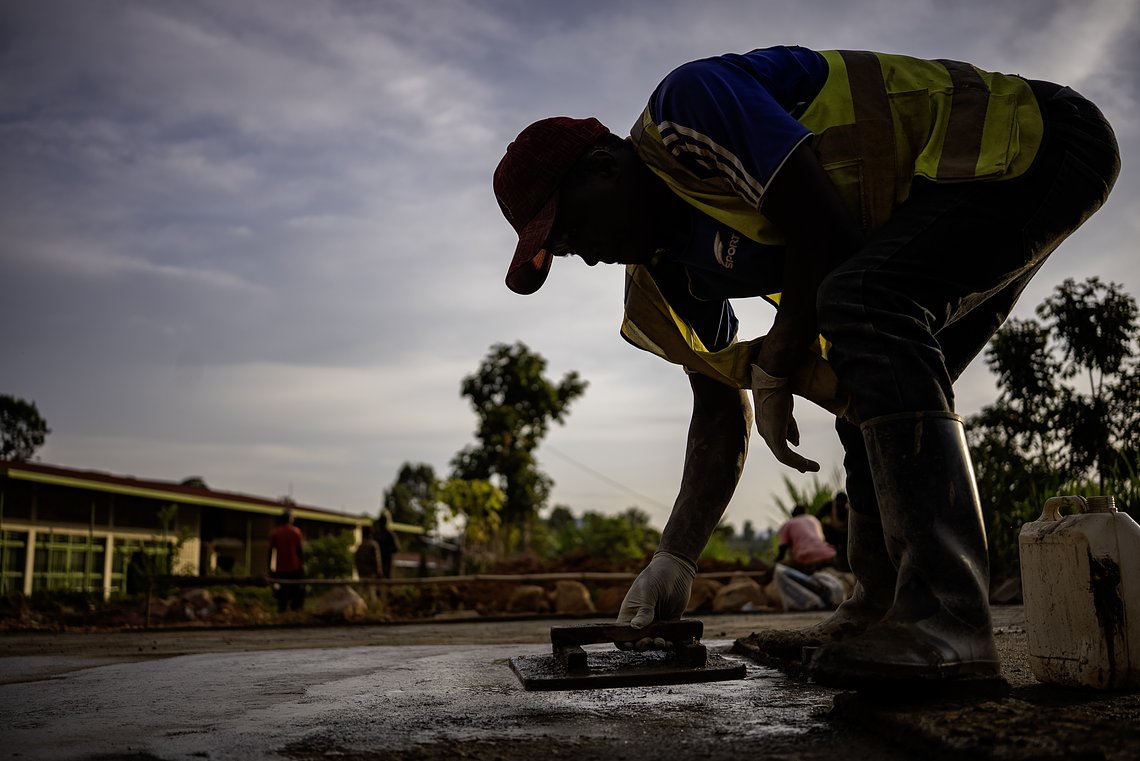
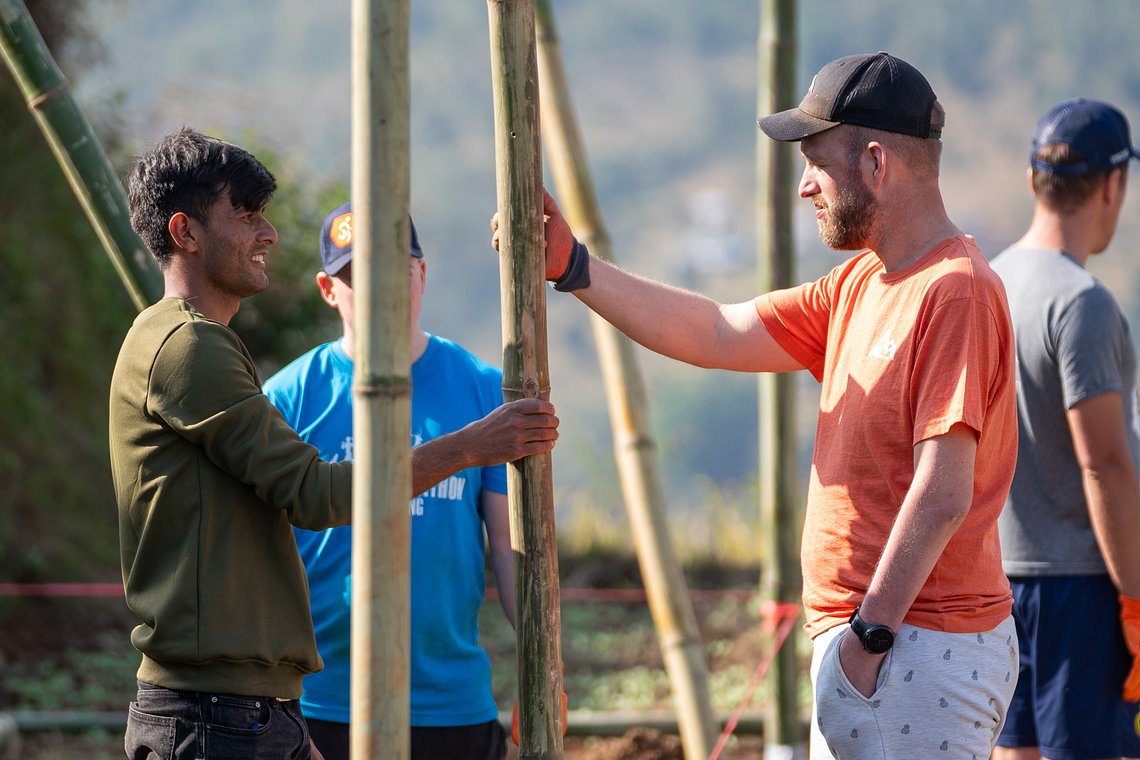
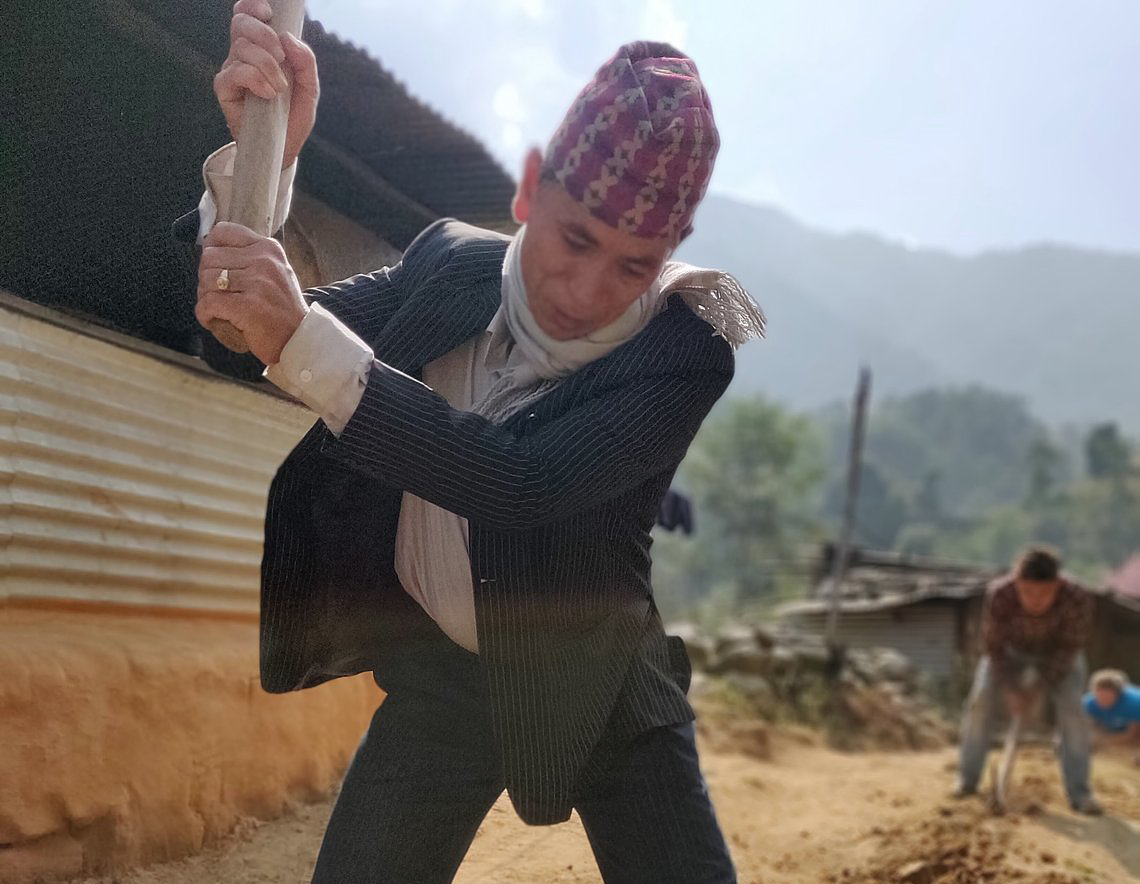
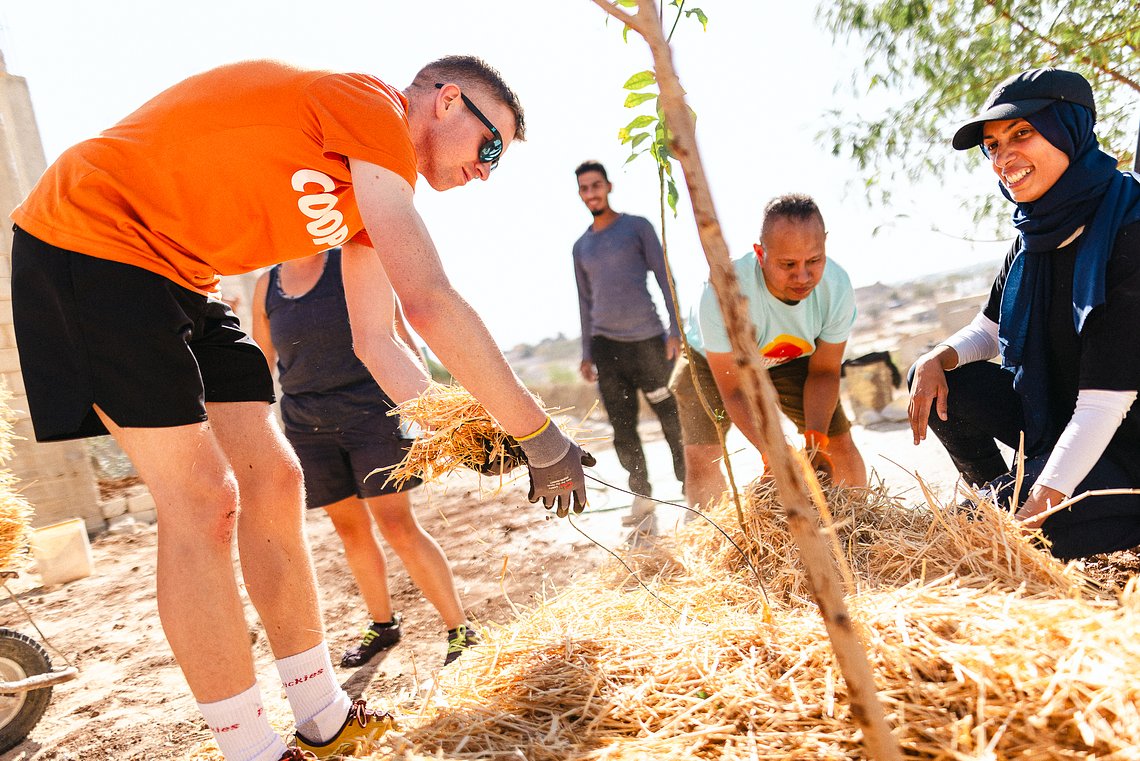
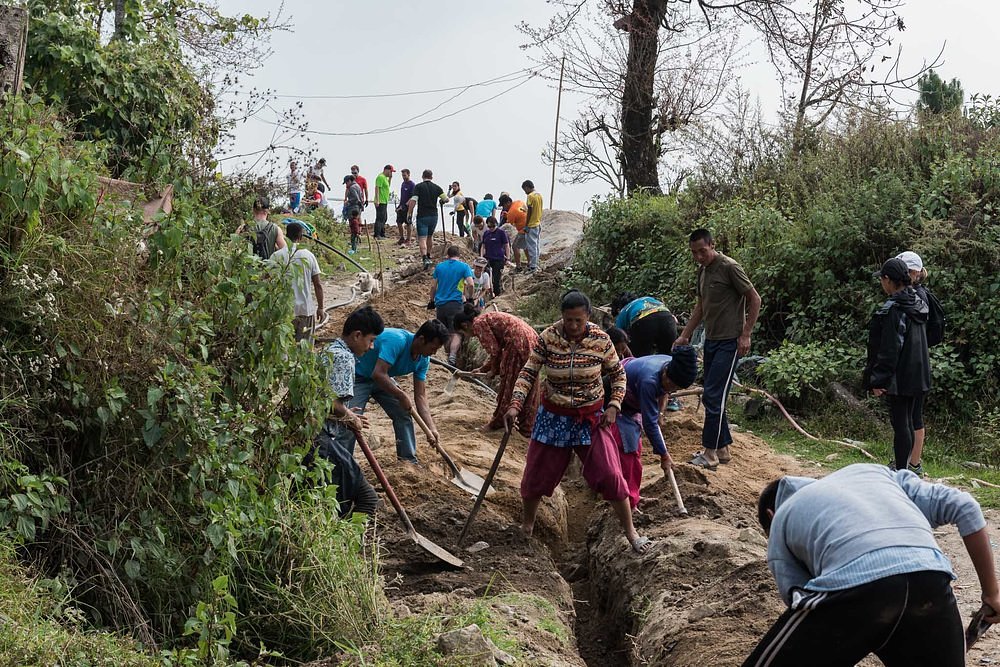
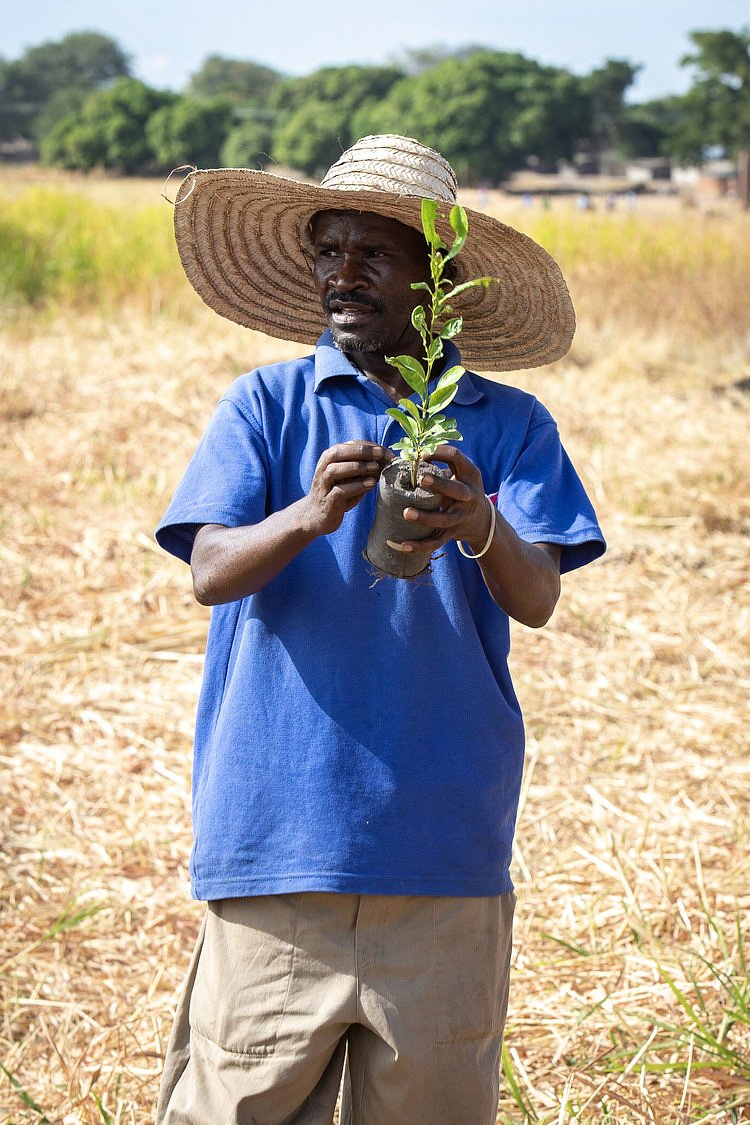
When you bring thirty-five people, everyone works. Not because they are told to, but because there is no crowd to hide in. You are not watching someone else build a wheelchair path. You are carrying the gravel. You are not observing a sensory garden take shape. You are planting the herbs.
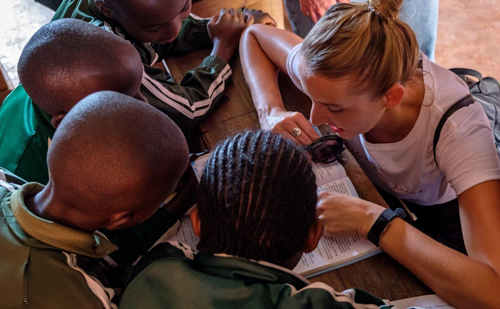
The community does not host a circus. They welcome a group small enough to learn names, share meals, and work alongside. The relationship is not between an organisation and a community. It is between people and people.
That distinction is the difference between voluntourism and genuine partnership. And it only works when the group is small enough for every person to matter.
Why it matters for the runners
The research on social bonding is clear: meaningful connection requires repeated, face-to-face interaction within a group small enough for individuals to be recognised. A study published in the Journal of Happiness Studies found that the wellbeing benefits of group activities were strongest when participants felt personally known by others in the group, not just present among them.
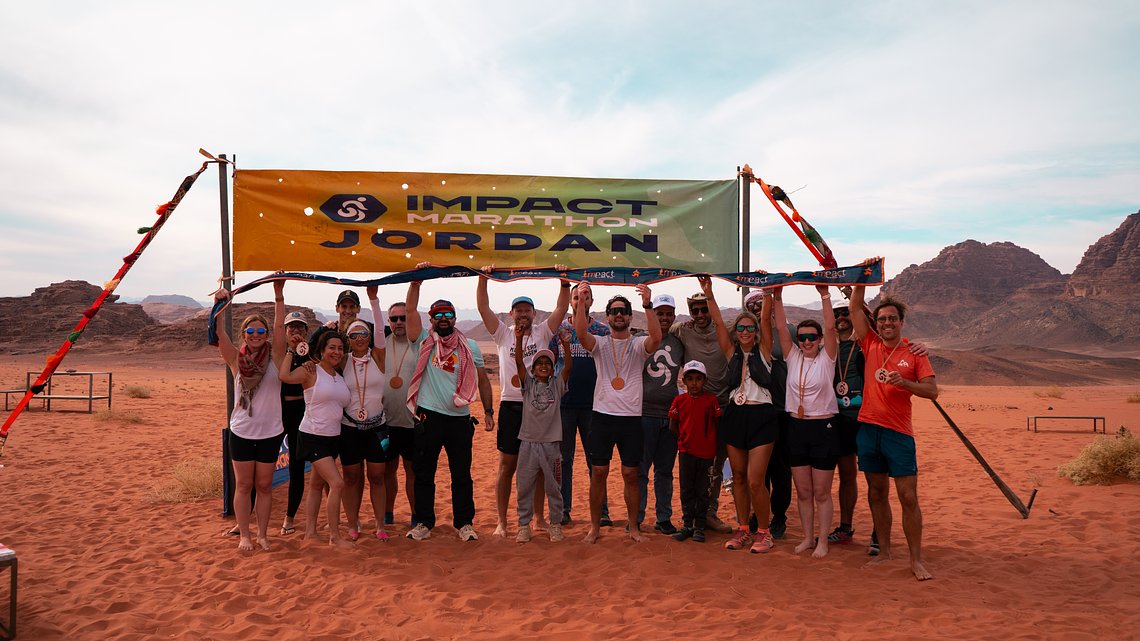
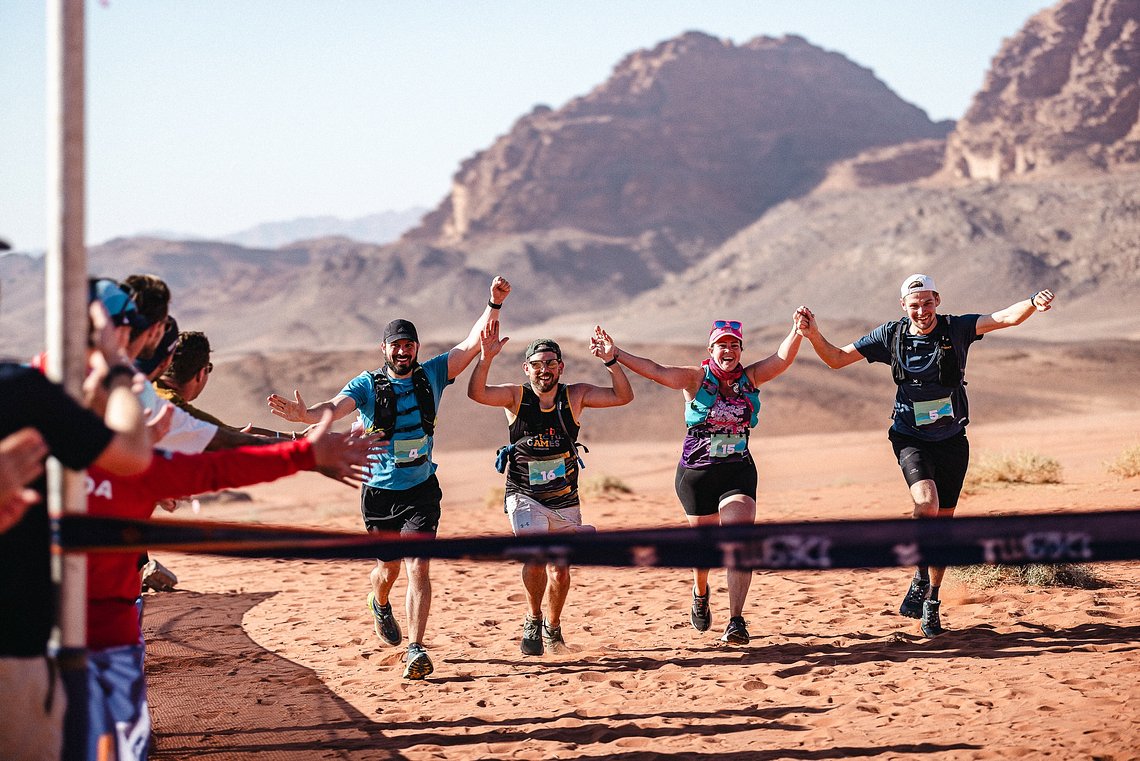
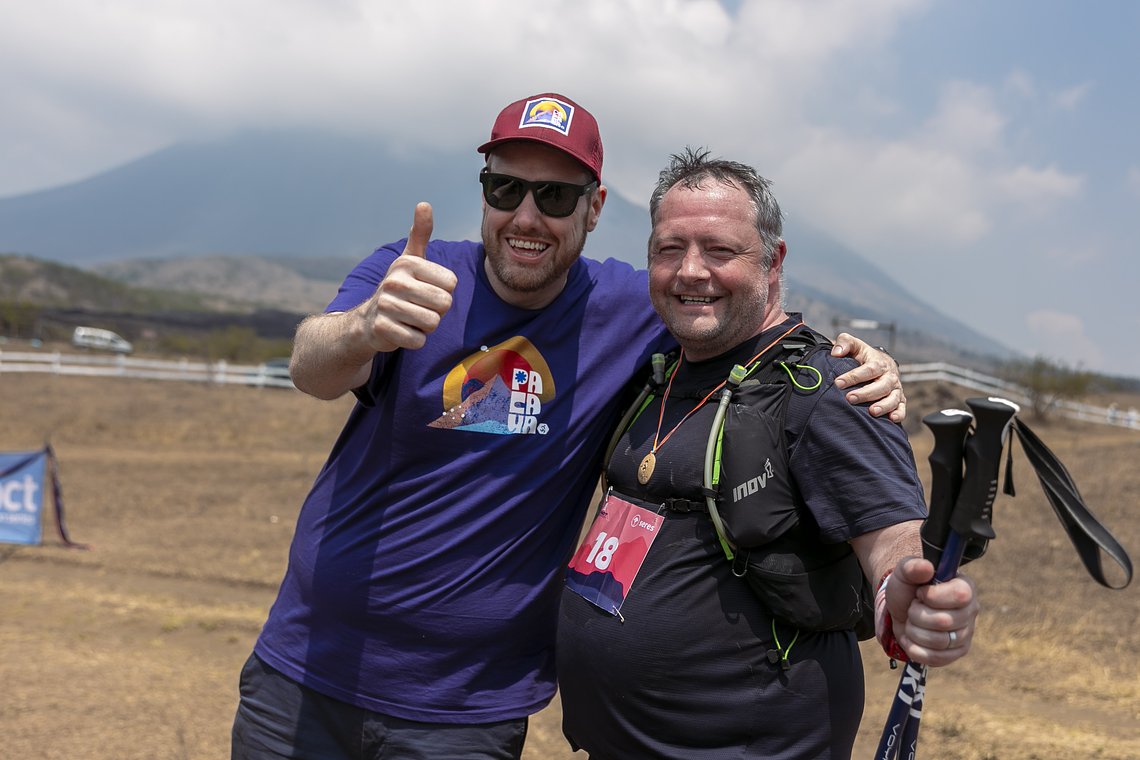
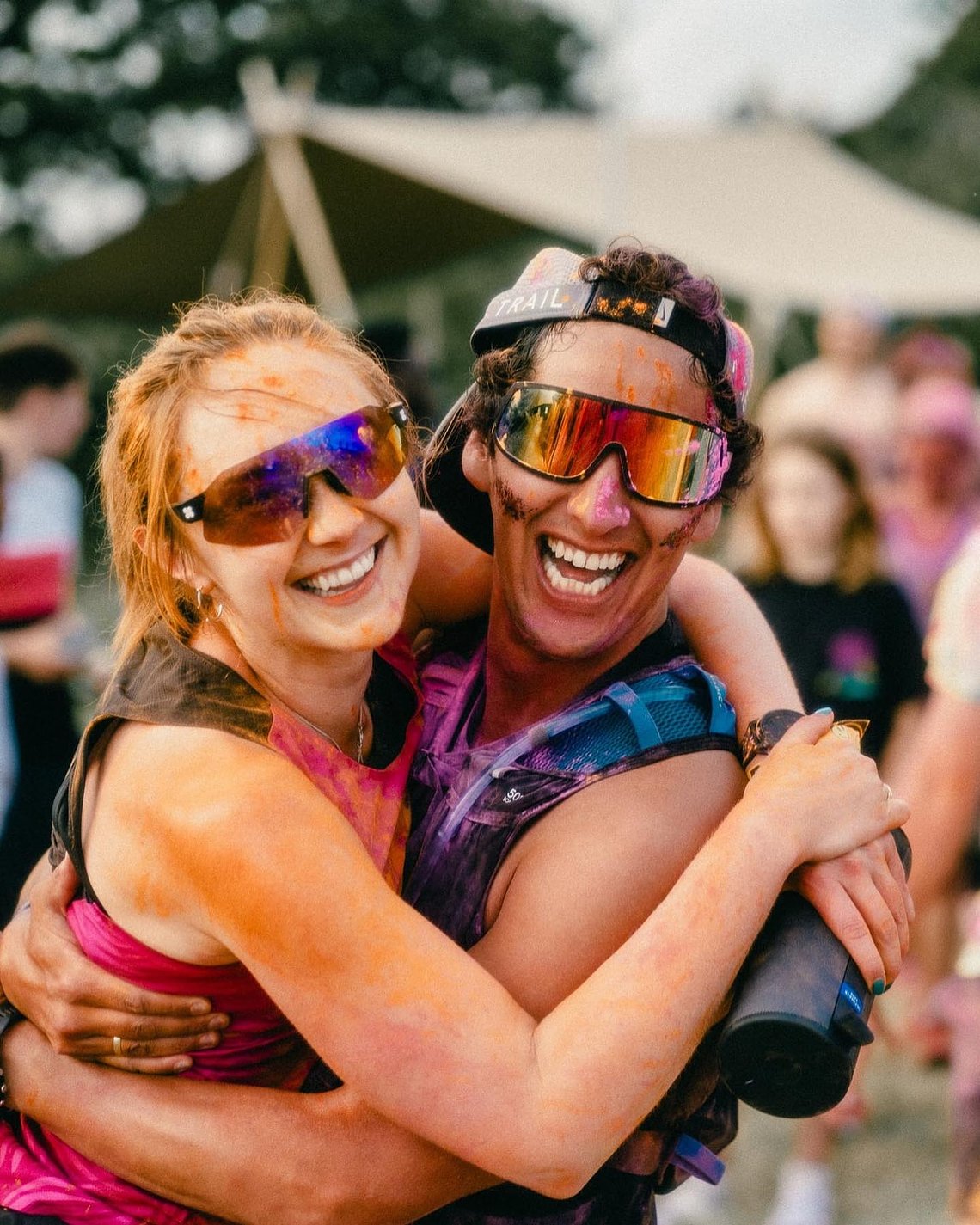
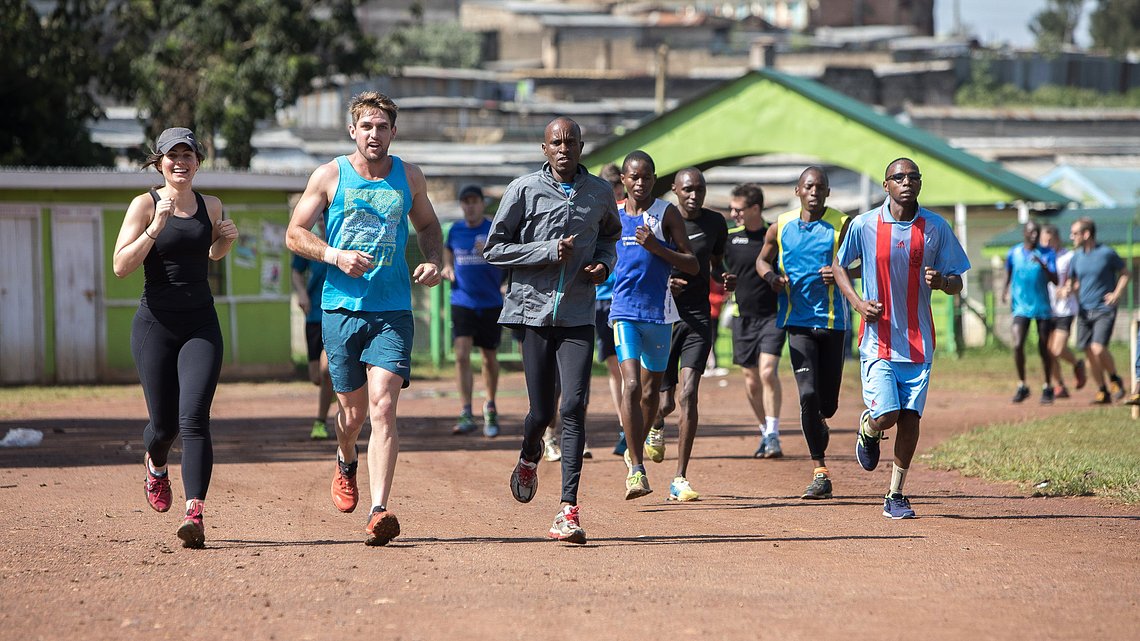
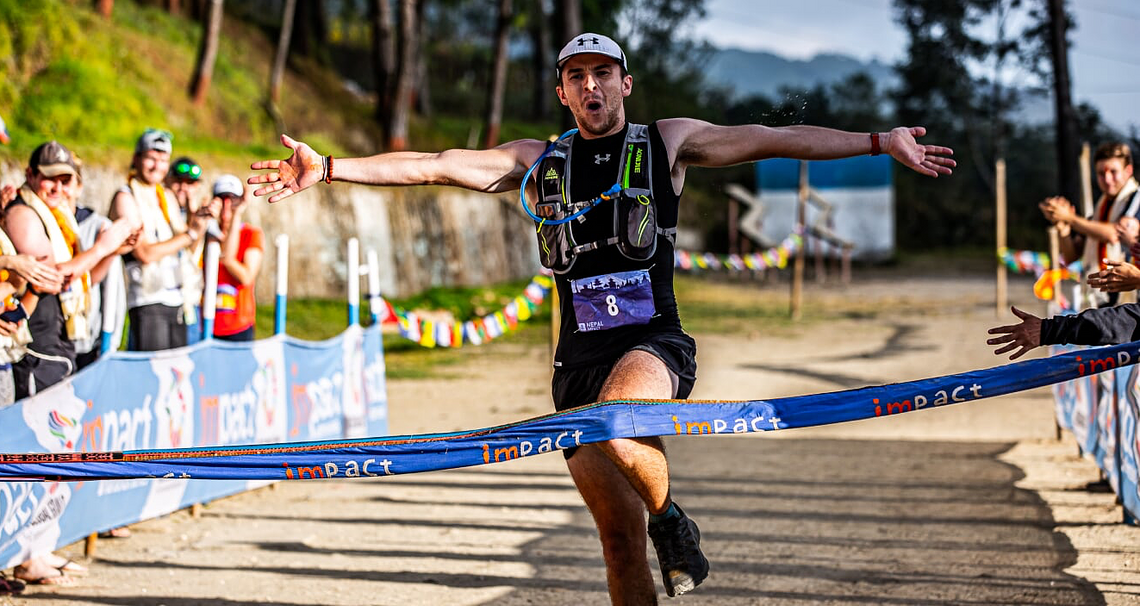
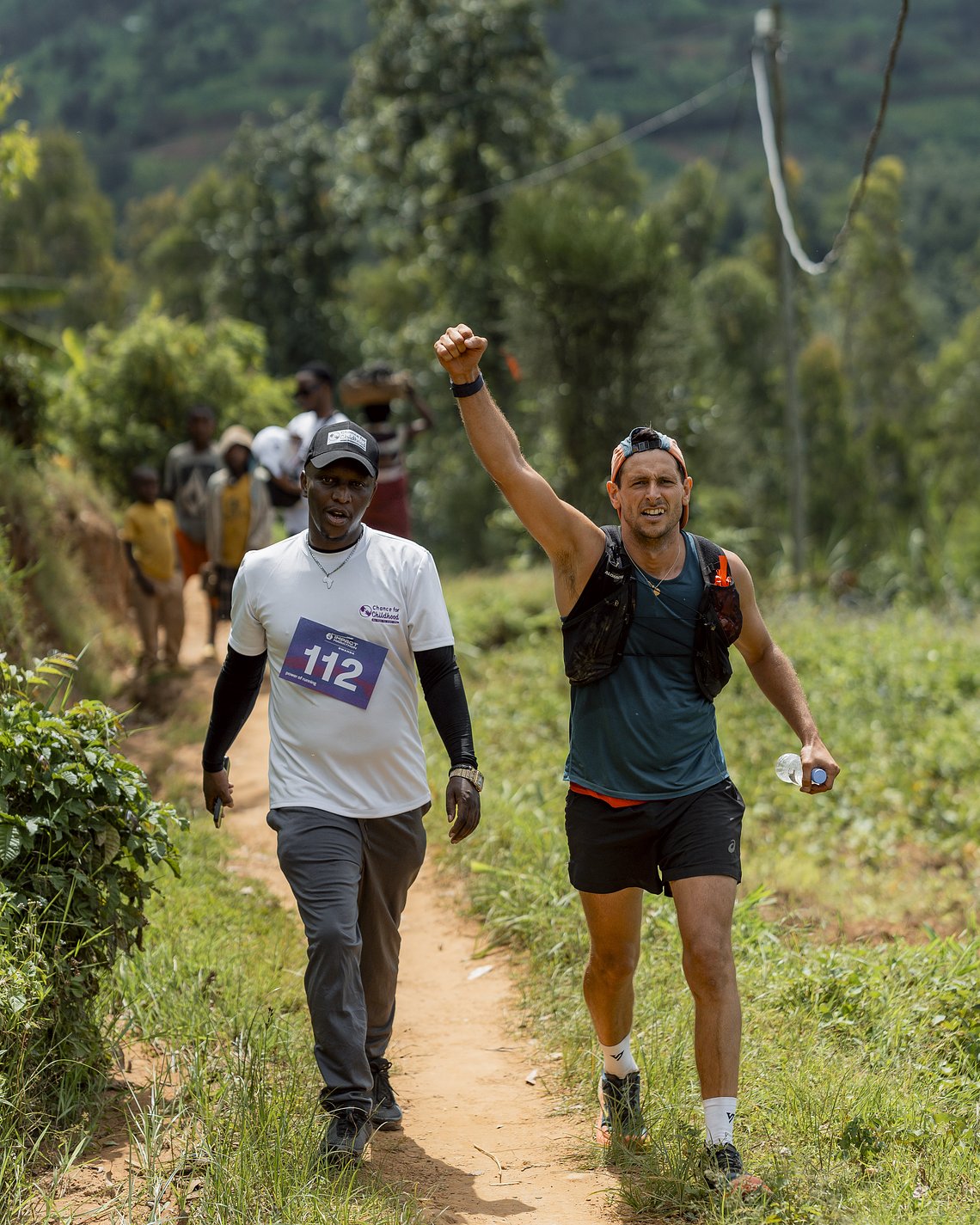
In a group of thirty-five, you eat every meal with the same people. You share the bus to the project site. You see the same faces at the start line. By day three, you know who snores, who brings the energy at breakfast, and who needs five minutes of quiet before they are human. By race day, you are not running with strangers. You are running with people who watched you mix concrete and cry at the memorial and argue about music on the bus.
That is not something you can manufacture at scale. It is a function of size.
We have watched it happen in every edition of every event we have run. The weeks with larger groups produce great race photos and big fundraising totals. The weeks with smaller groups produce lifelong friendships. Both are good. But only one of them changes the way people live after they leave.
Why it matters for the community partner
Our community partners are not service providers. They are collaborators with their own projects, their own expertise, and their own agency. They do not work for us. We work alongside them.
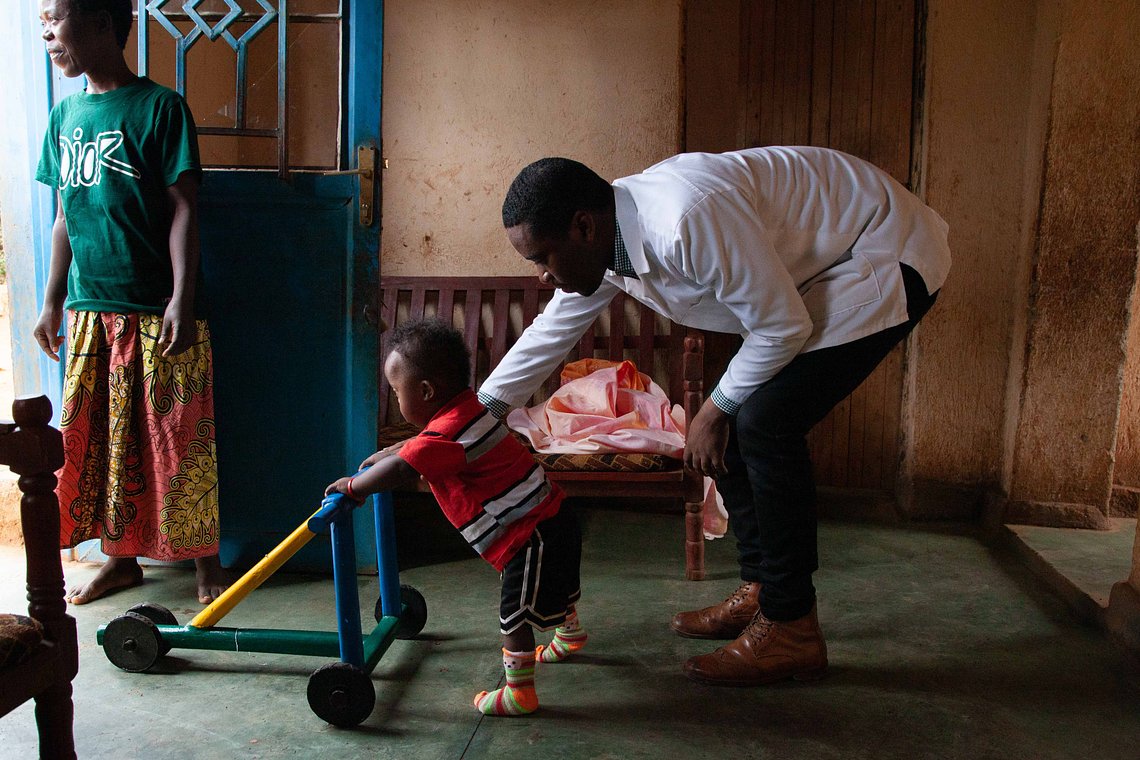
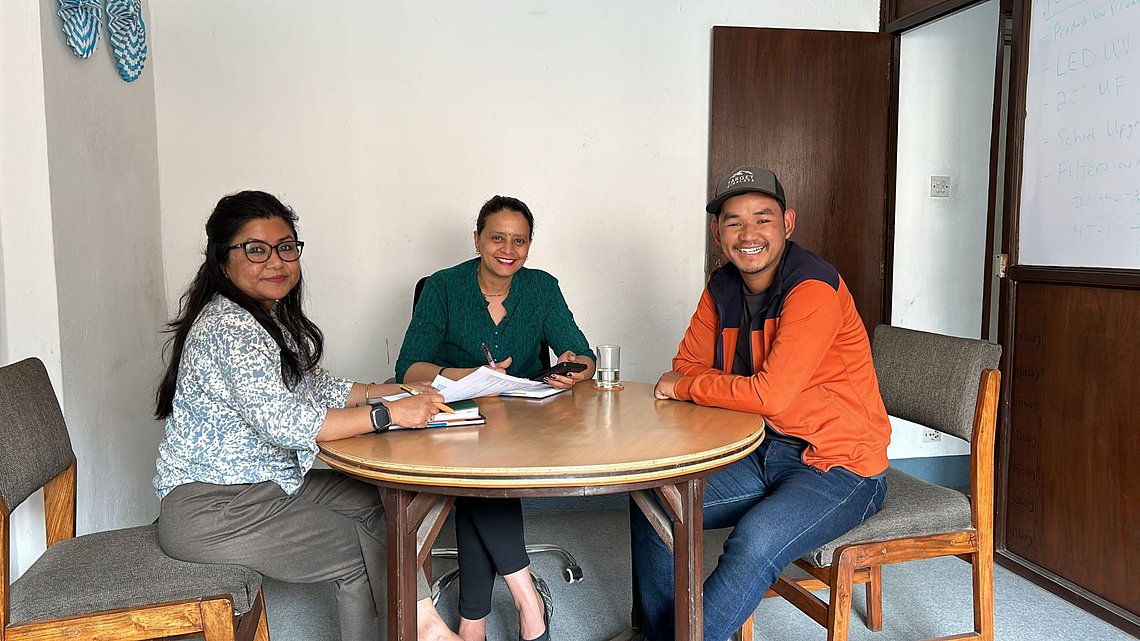
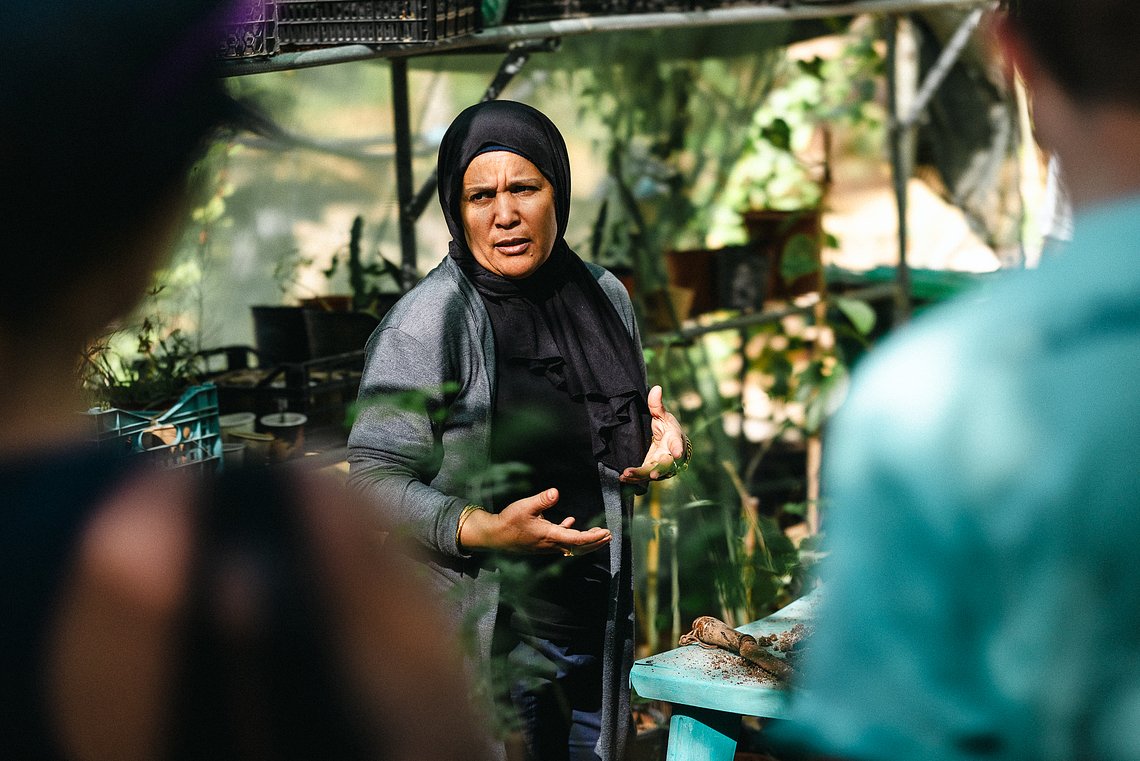
When a partner like MAD4Africa in Rwanda designs a sensory garden at ASFA Physiotherapy Centre, or when AgriNepal leads a regenerative agriculture project in Batase, they are inviting a small number of people into their world. The project was running before we arrived. It will continue after we leave. Our runners are extra hands, not the main story.
This only works when the group is small enough for the community to host meaningfully. A village of a few hundred people can absorb thirty-five visitors. It cannot absorb two hundred without the dynamics tilting. When the visitors outnumber the community, the power shifts whether you intend it to or not. The community stops leading and starts performing.
Thirty-five is the number where the community stays in the driving seat. Where the project stays authentic. Where the relationship stays real.
The economics of small
There is a business cost to this decision. We know that. Fewer places means less revenue per event. It means we cannot paper over a thin marketing month with volume. It means every single booking matters and every single runner's experience matters because we cannot hide behind scale.
We accept that trade. In fact, we believe it makes us better.
When every booking matters, you pay attention to every person. When you cannot afford to lose a single runner to a bad experience, you design weeks that are exceptional from start to finish. When you cap at thirty-five, you are making a promise that every person who signs up will be seen, supported, and challenged in equal measure.
That is a harder business to run. It is also a better one.
What this means for you
If you are comparing Impact Marathon to larger events, the difference is not just the number of runners on the start line. It is the number of people at the dinner table. The number of hands on the project site. The number of faces you will remember ten years from now.
We cap at thirty-five because it is the number that allows us to deliver on every promise we make: real community partnerships, genuine founder-led care, meaningful volunteering, and a trail race that feels like the culmination of something shared, not the only reason you showed up.
We could take more. We choose not to. That choice is the foundation of everything we build.
---
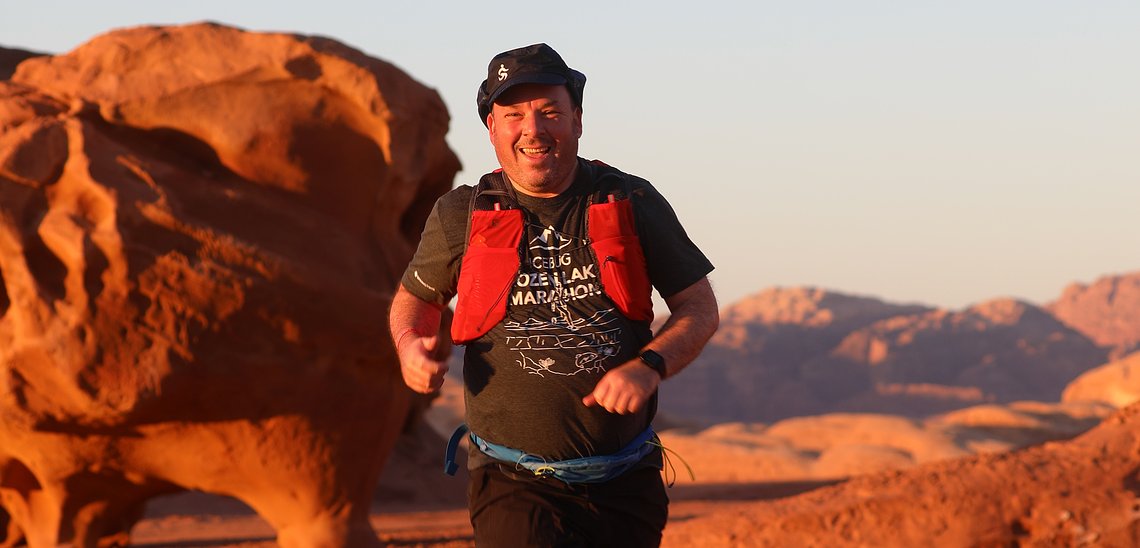
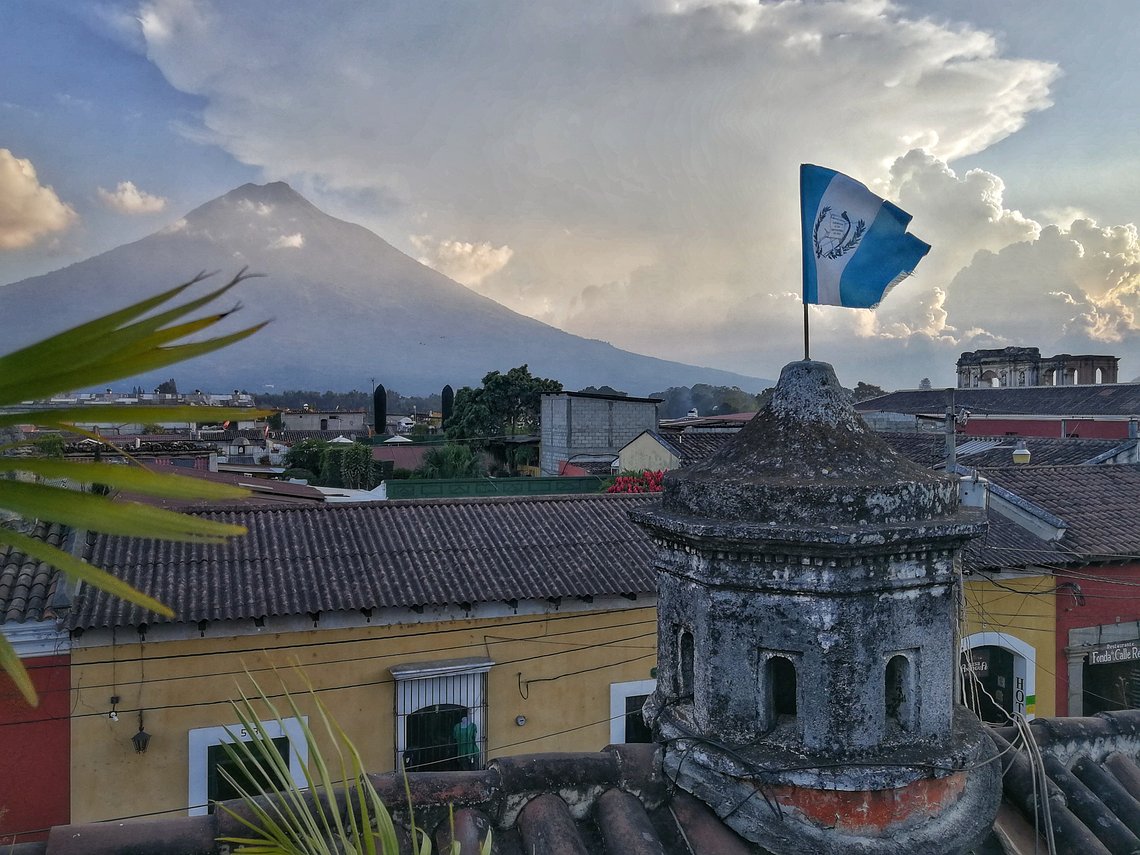
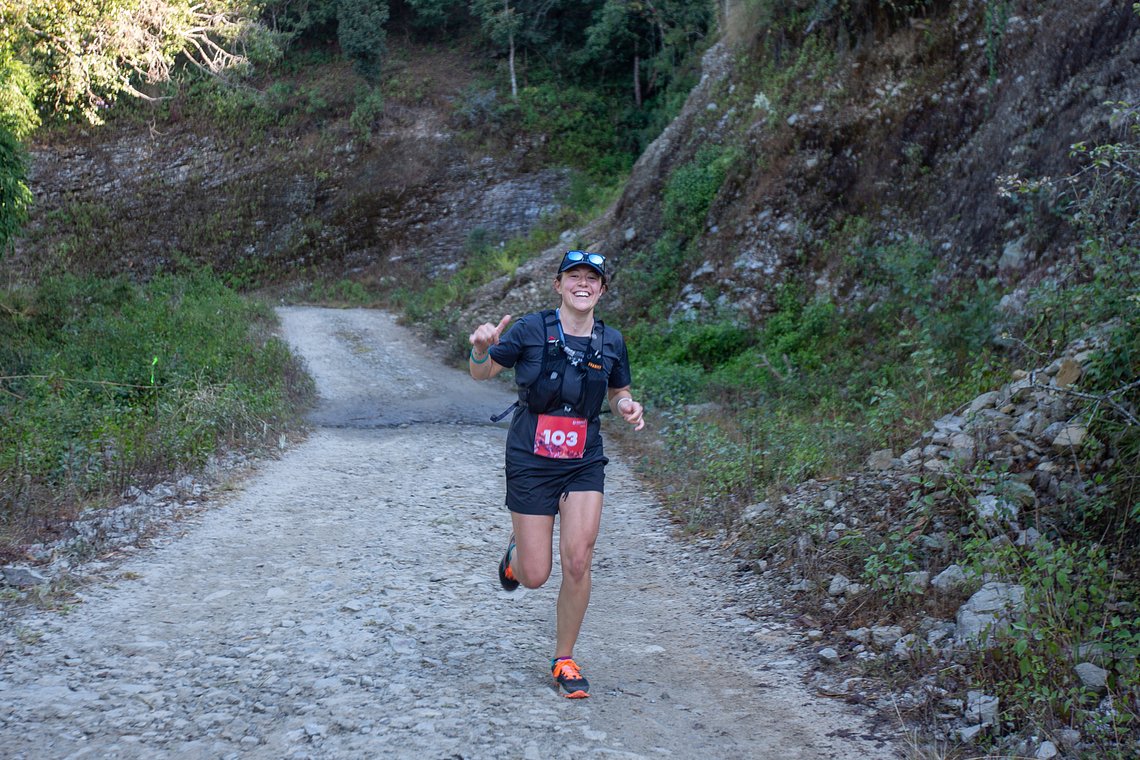
Impact Marathon Series runs small-group, founder-led running weeks in Rwanda, Nepal, Jordan, and Guatemala. Every week includes structured volunteering with community partners, trail racing (10km / 21km / 42km), and cultural immersion. Groups are capped at thirty-five runners.
Explore our upcoming races at impactmarathon.com
Sources
- Dunbar, R. I. M. — Social group sizes and the "Dunbar's Number" framework (Oxford University, 1990s–present)
- Webber, E. & Dunbar, R. I. M. (2020) — "The fractal structure of communities of practice: implications for business organisation" (peer-reviewed journal)
- Dunbar's layer model: 5, 15, 50, 150 — documented in multiple publications including "How Many Friends Does One Person Need?" (Faber & Faber, 2010)
- Research on groups under 40 and camaraderie: Webber, E. (2024) — "Social group sizes, Dunbar's number and implications for communities of practice"
- Social loafing and group accountability: Ringelmann Effect and Steiner's Model of Group Effectiveness (foundational social psychology)