Tue 31 Mar 2026 • Nick Kershaw
The Four Cs of Impact: How We Think About Everything We Build
SHARE THIS POST
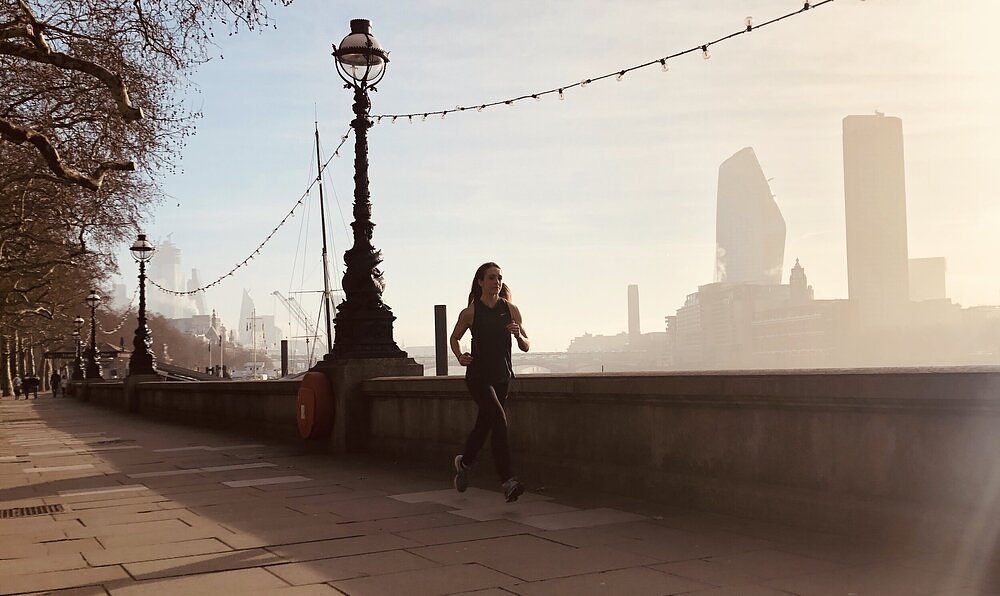
Community. Culture. Commerce. Challenge. These are the four pillars that shape every Impact Week...and the order matters. Here's how we think about impact travel
We have been building Impact Weeks for a decade now. We have built across four continents, through communities that most people will never visit, alongside partners who have been doing the quiet work of change long before we showed up and will continue long after we leave.
Over those years, a framework has emerged. This is not a framework we set out at the beginning, it has evolved on experience, and on learning. Most of all, we have listened to the communities we serve: from the hosts of the race, to the Impact Runner community. Suffice to say, this framework is not designed in a boardroom or lifted from a business book. We are codifying this concept after ten years of accumulating experience through getting things right, getting things wrong, and paying attention to what actually matters when you bring a small group of runners into a community that is not their own.
We call it the Four Cs of Impact. Community. Culture. Commerce. Challenge. Every Impact Week is built on all four, and the order is deliberate.
Community
Community comes first because without it, nothing else means anything.
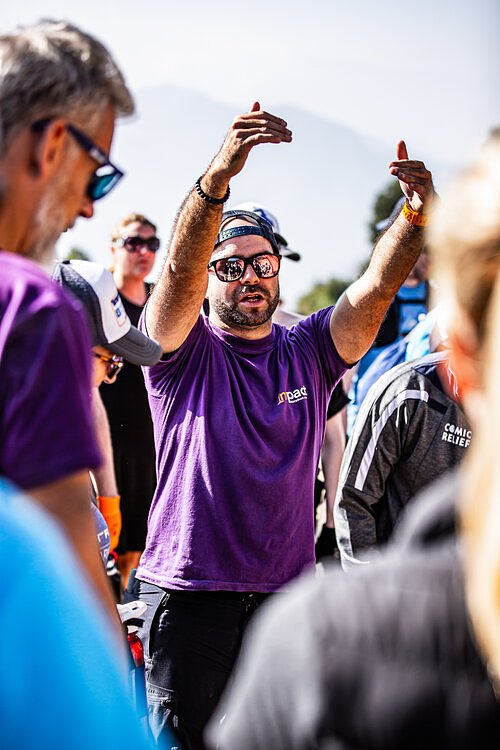
Every Impact Week begins with a community partner. We don't choose our partners simply by hitting a search into ChatGPT and stumbling across the cool looking charity. We choose our partners because they have real roots in the place, doing work that was underway before we arrived, with priorities they set and expertise we respect.
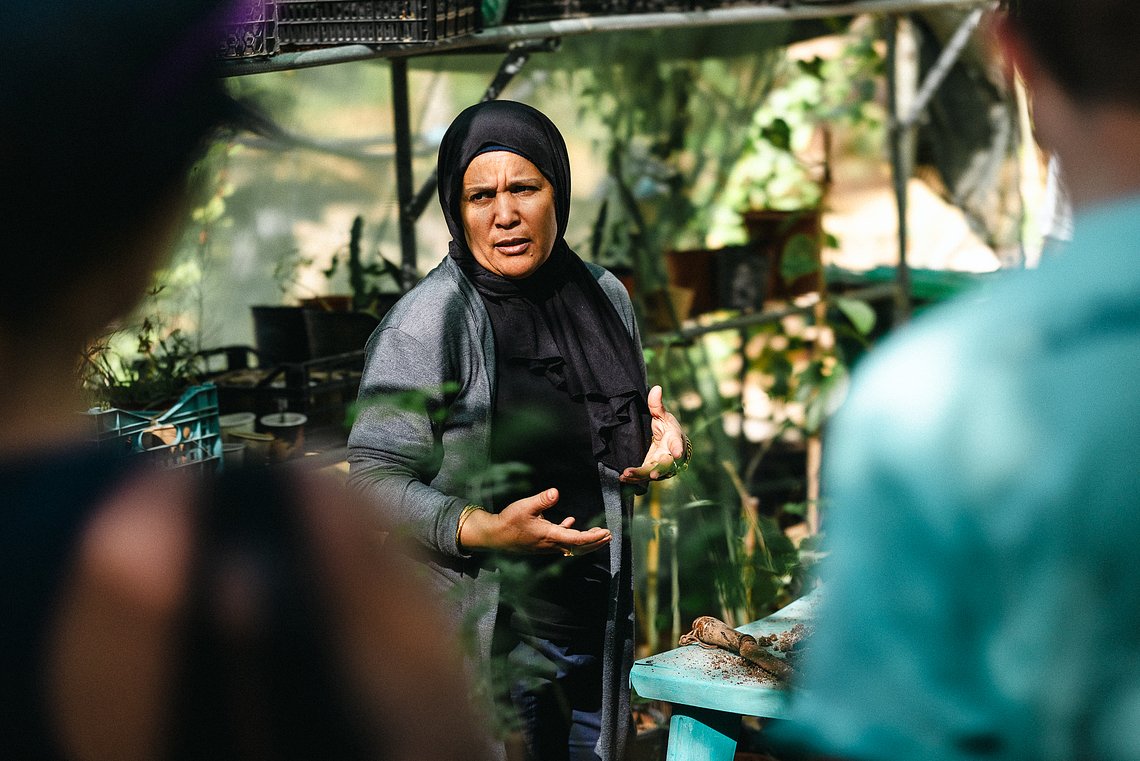
Our partner selection follows four criteria that have held steady for years. The project must be community-led — local partners set the agenda, not us. It must be hard to fund through standard routes, the kind of work that falls between the cracks of institutional giving. It must create opportunity or visibility for the community. And it must tell the partner's story powerfully, not ours.
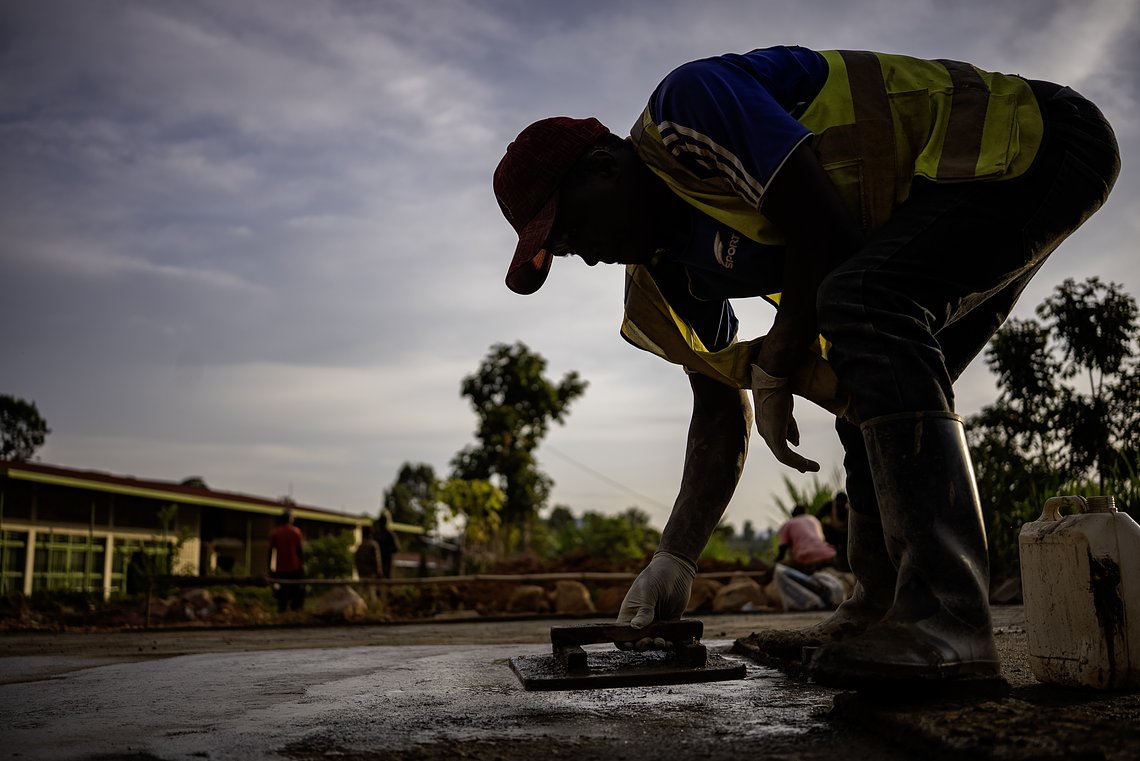
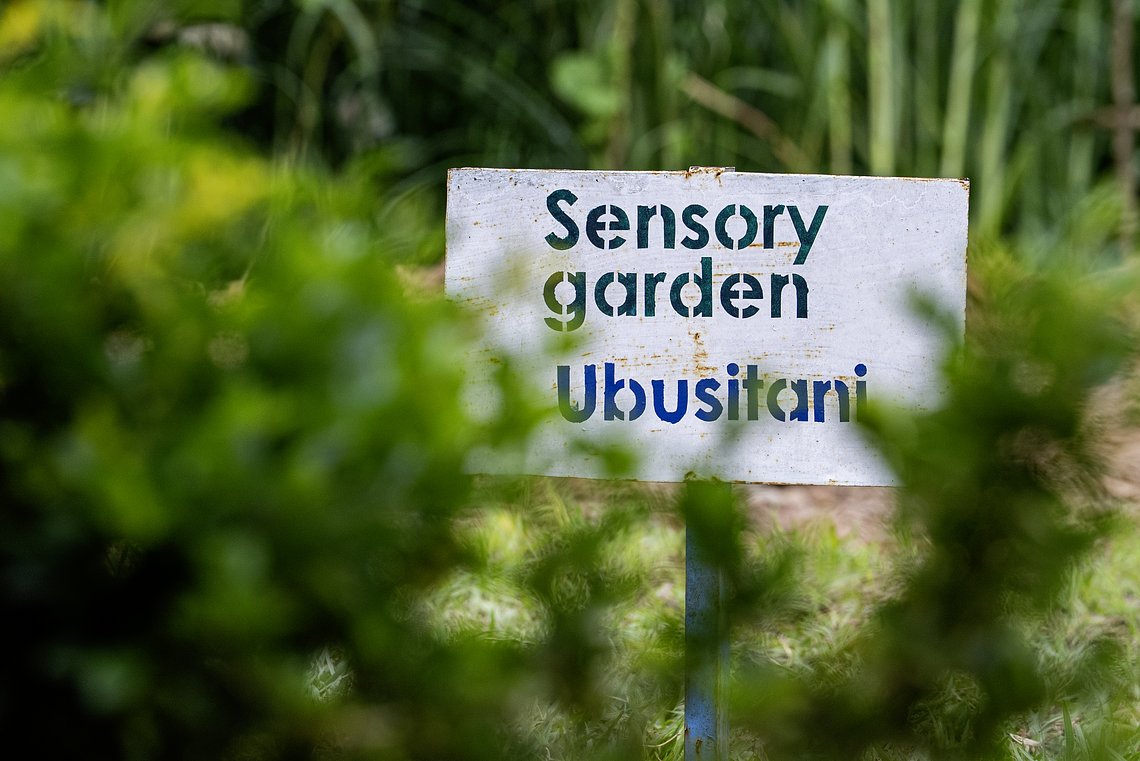
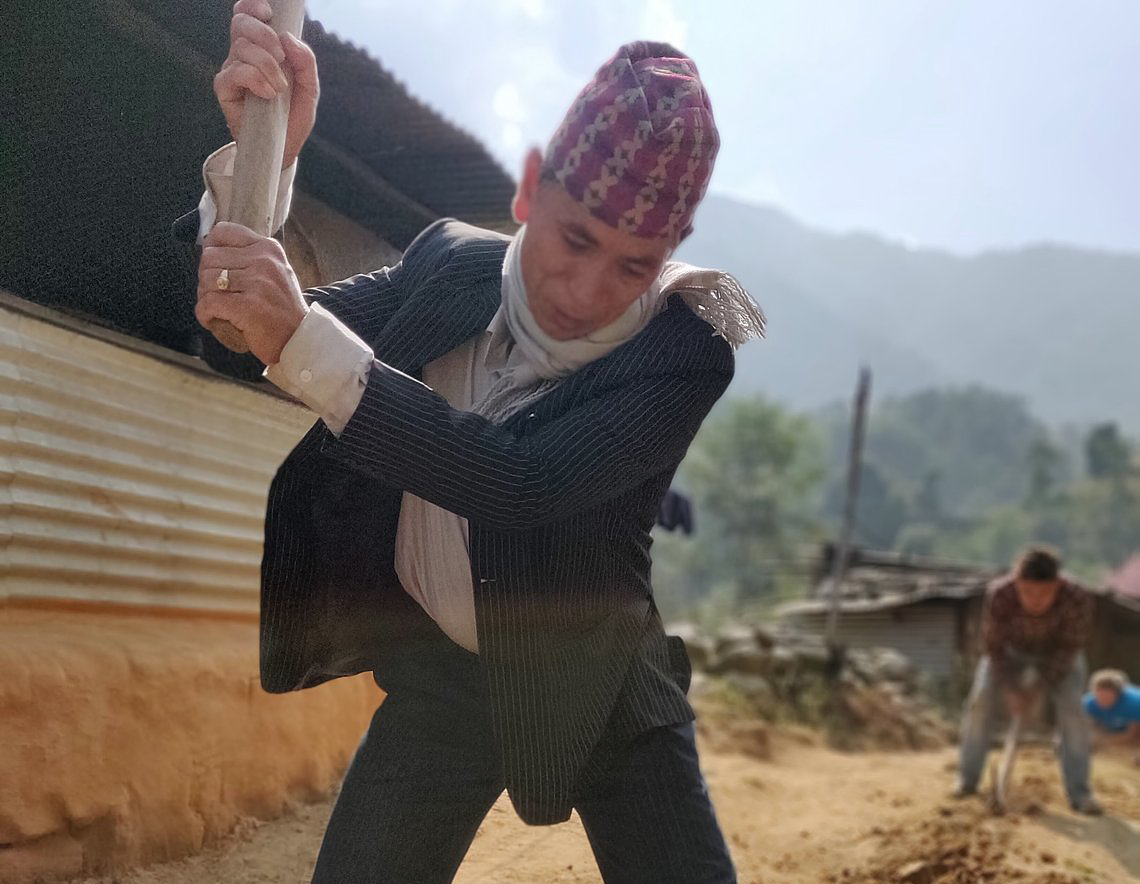
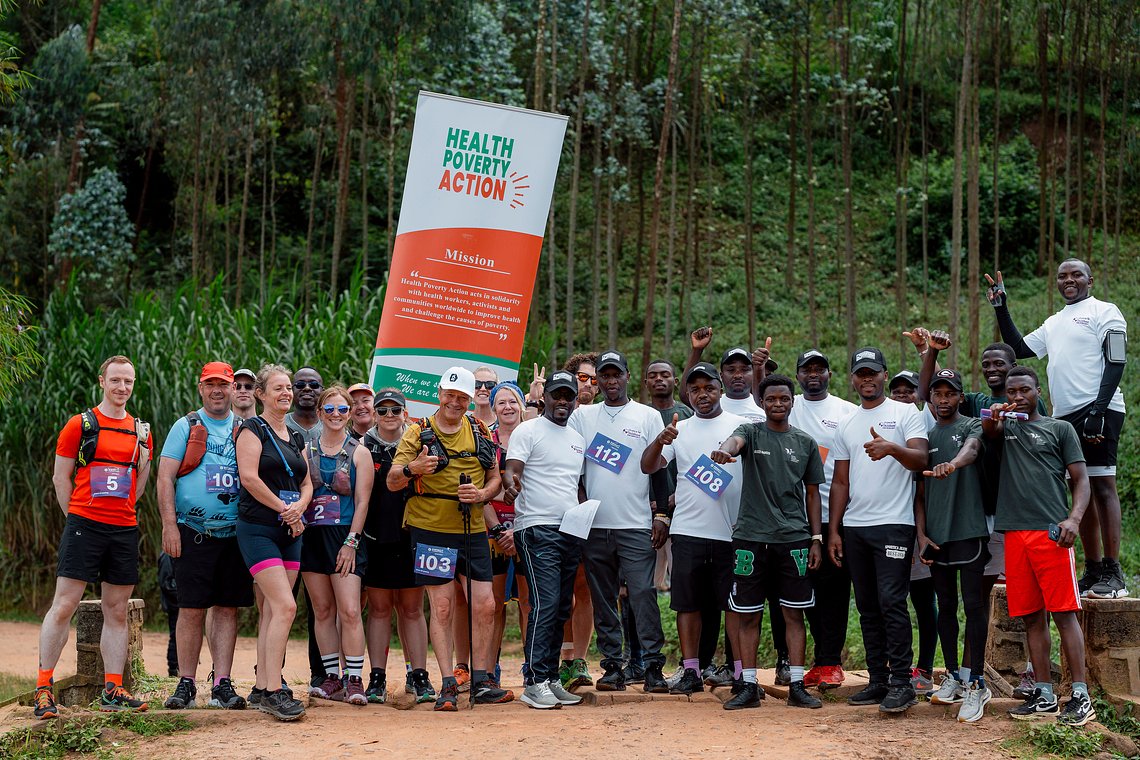
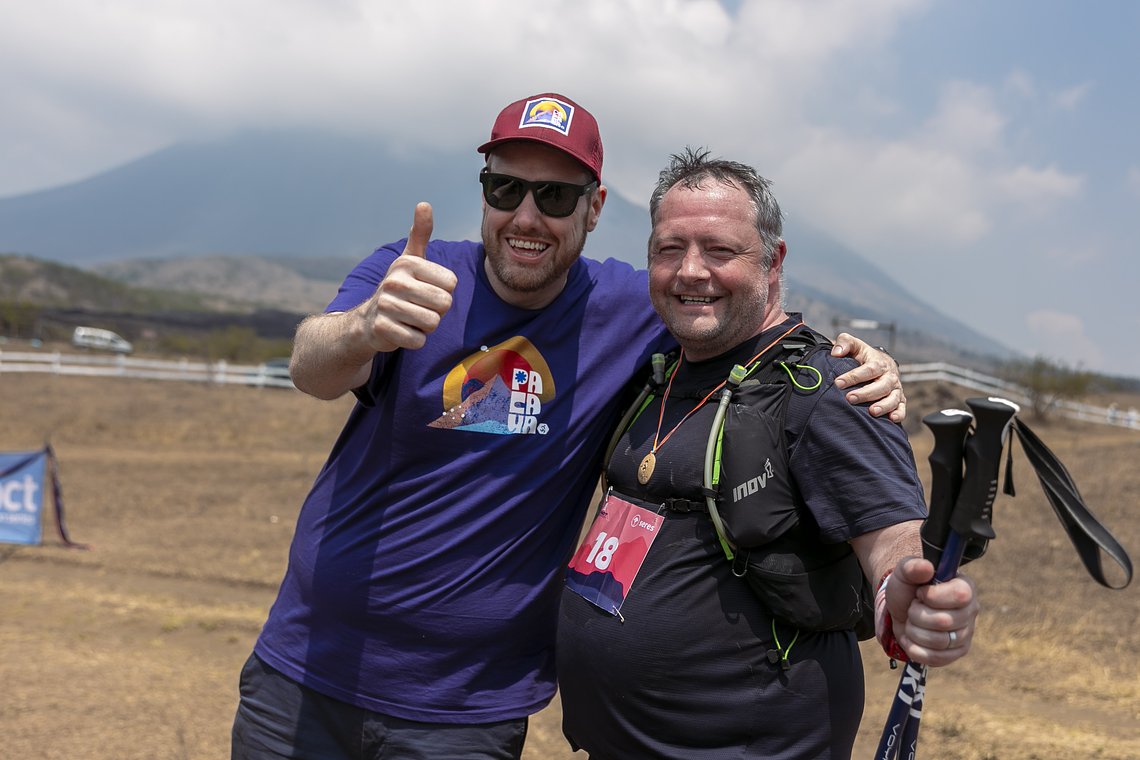
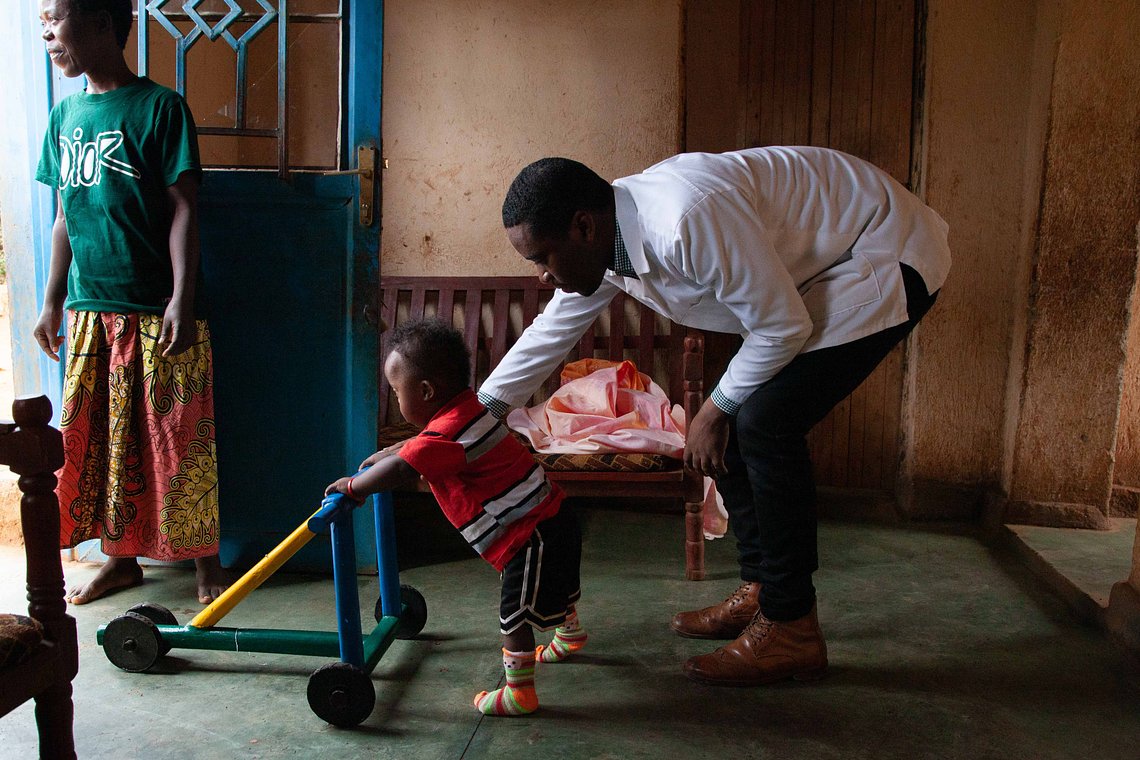
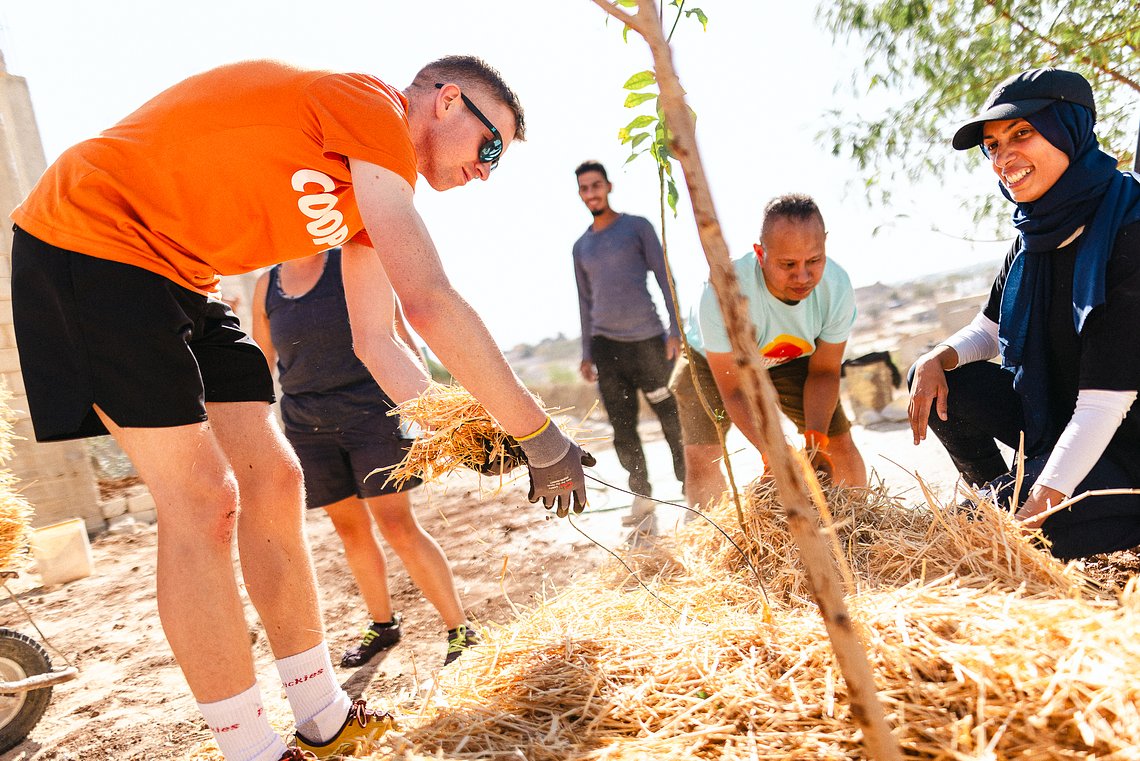
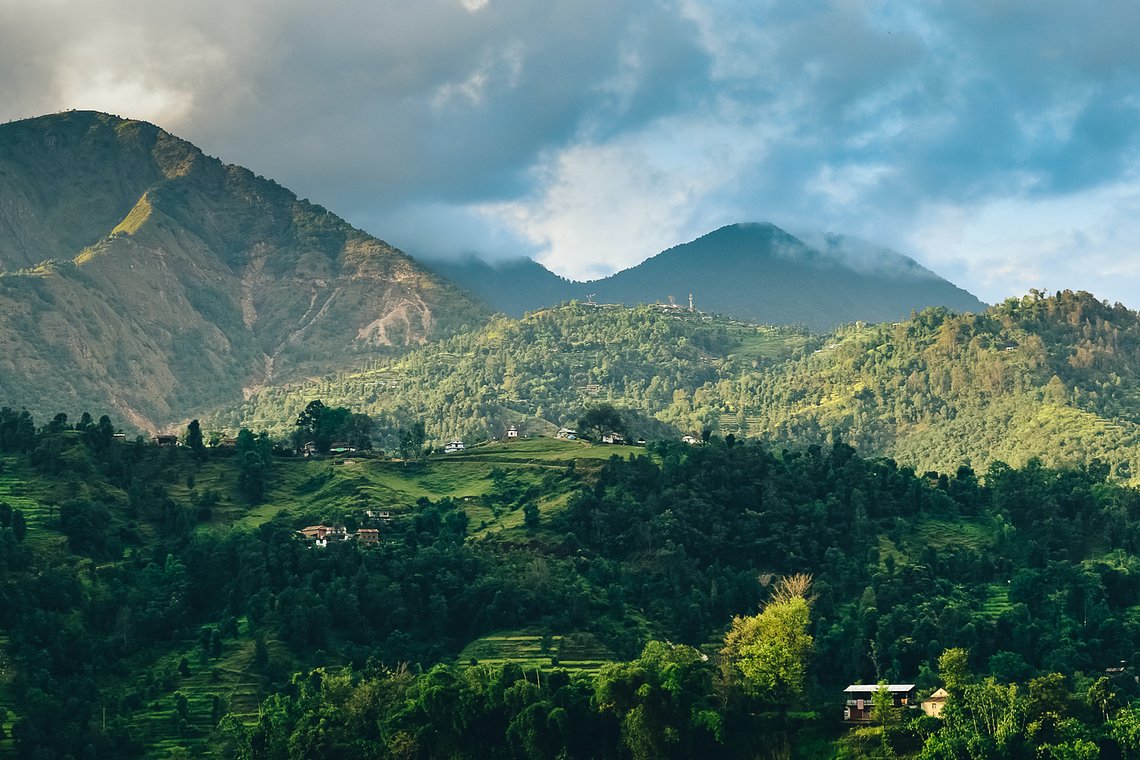
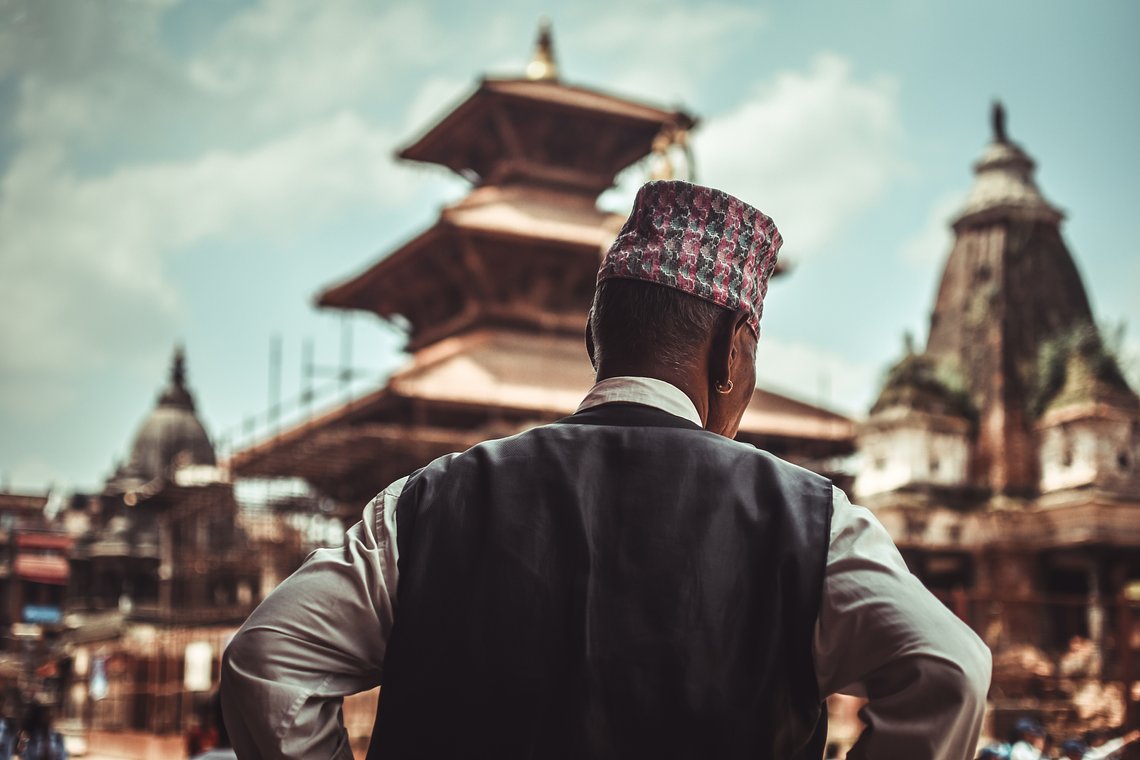
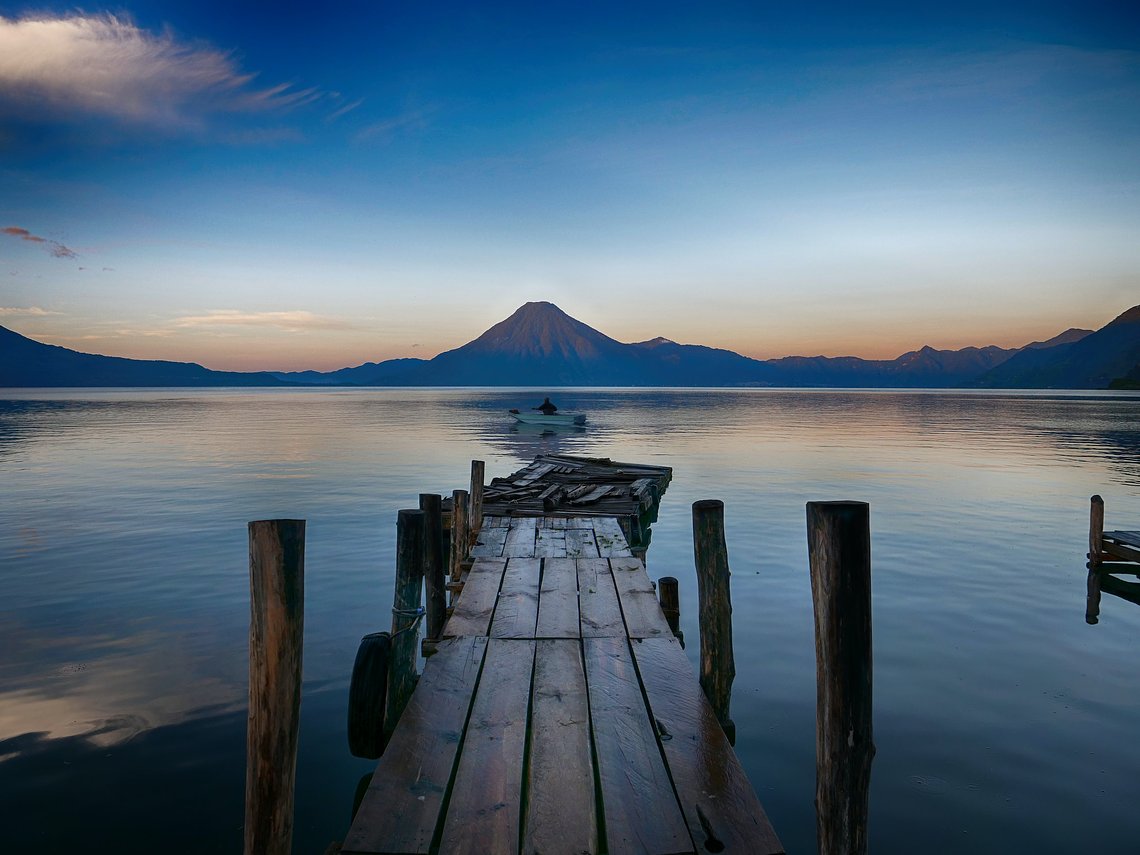
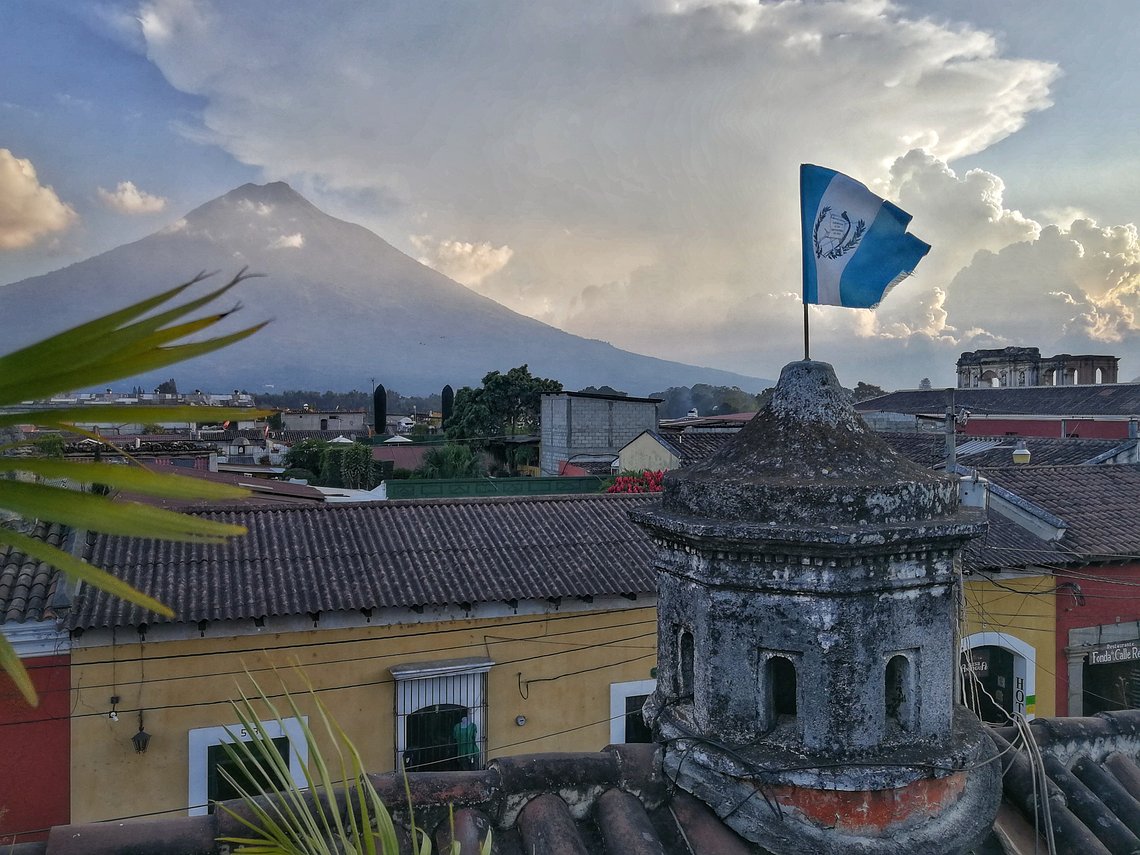
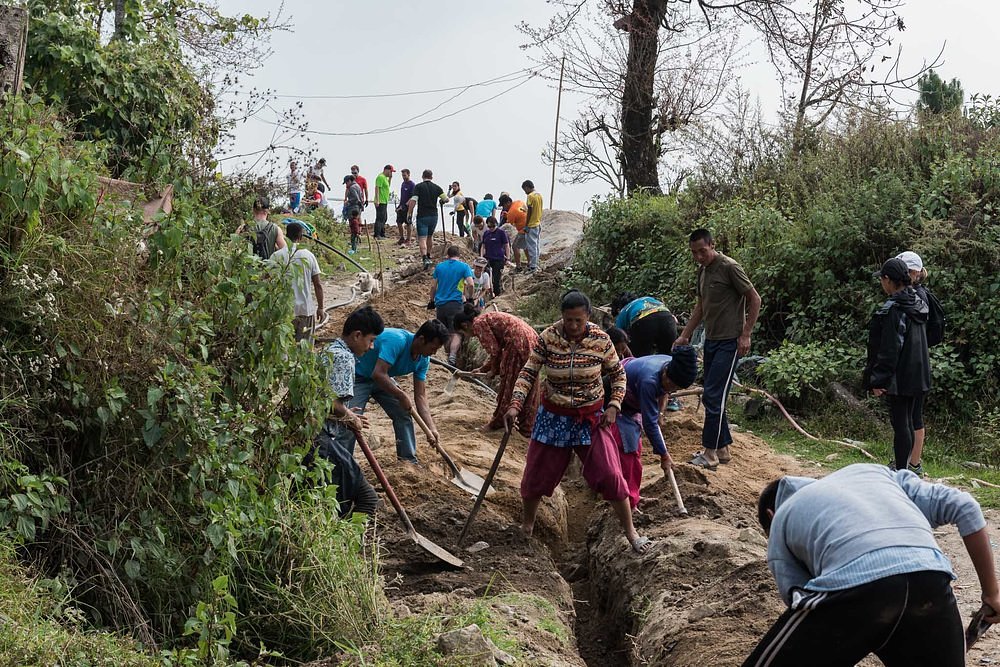
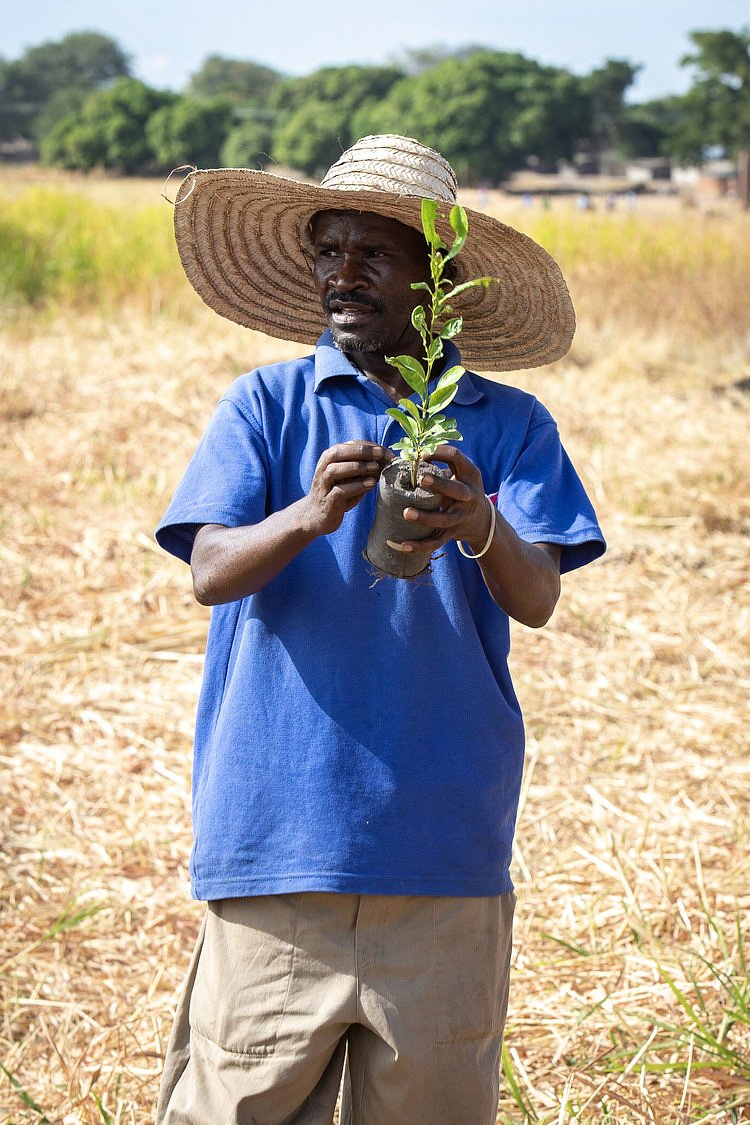
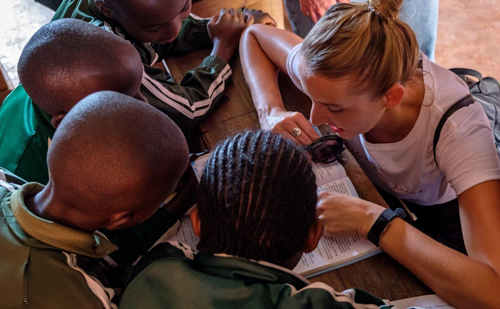
In Rwanda, that means MAD4Africa and the sensory garden at ASFA Physiotherapy Centre in Muganza. Wheelchair-accessible paths, aromatic herb beds, tactile surfaces for children living with disabilities. In Nepal, it means AgriNepal and regenerative agriculture in the Batase community, where we have worked for seven years. In Guatemala, it means SERES and youth environmental leadership across the region.
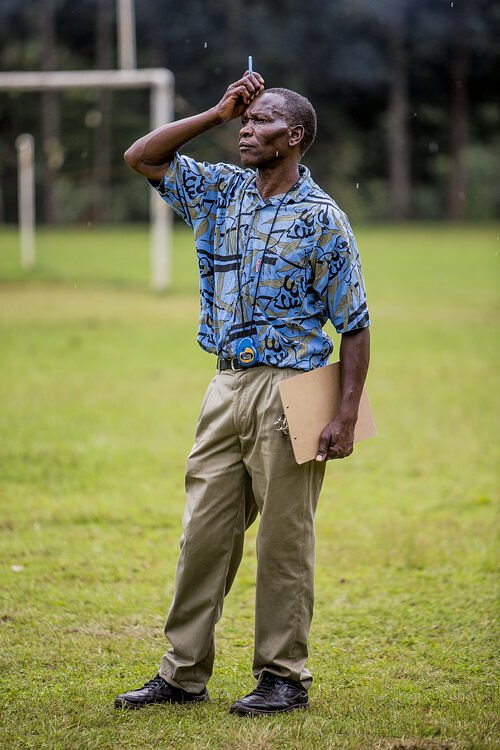
These partnerships are not transactional as they have to be relational first. We have to believe in the work both partners are doing - their faith in Impact Marathon is as important as our trust in their work. We return to the same communities because trust is not built in a single visit. It is built over years, through consistency, through showing up even when it has not been convenient. In 2026 we are building on this through publishing where every pound goes and letting the partner verify it.
The community is not the backdrop to the week but the single biggest reason why we choose to run somewhere. Everything else, the culture, the commerce, the challenge, flows from this.
Culture
An Impact Week is not a volunteering project with a race attached. It is a week spent inside a country, not passing through it.
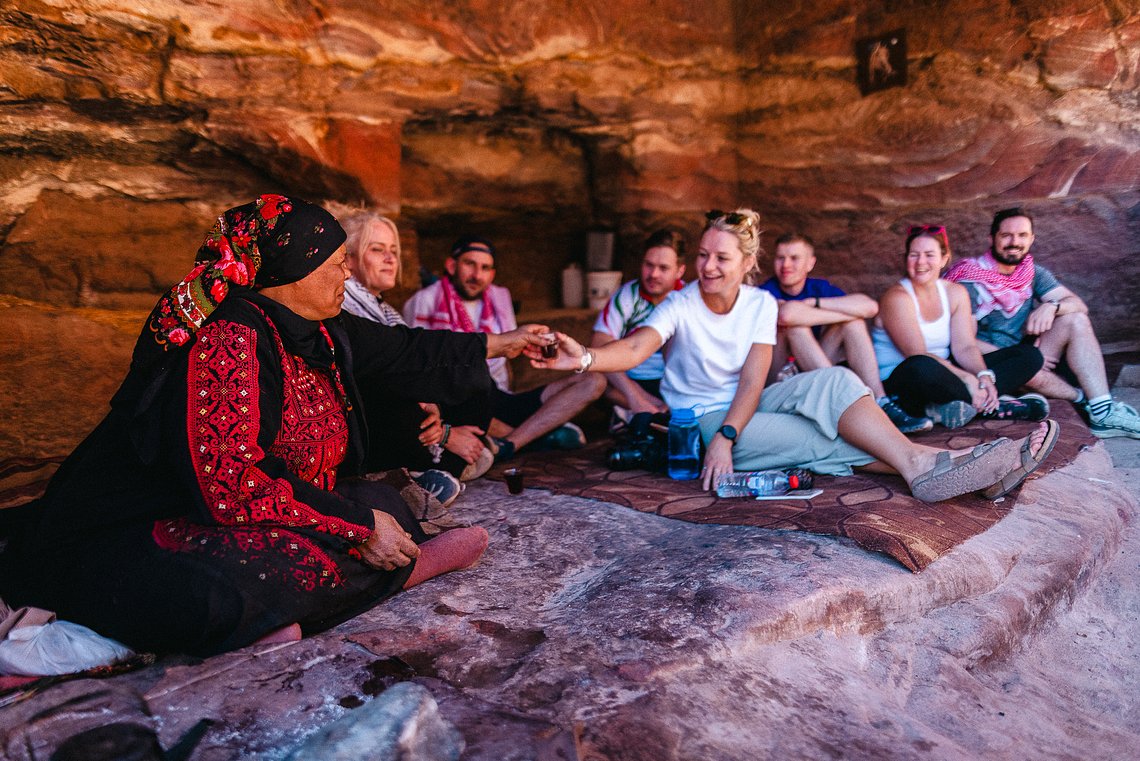
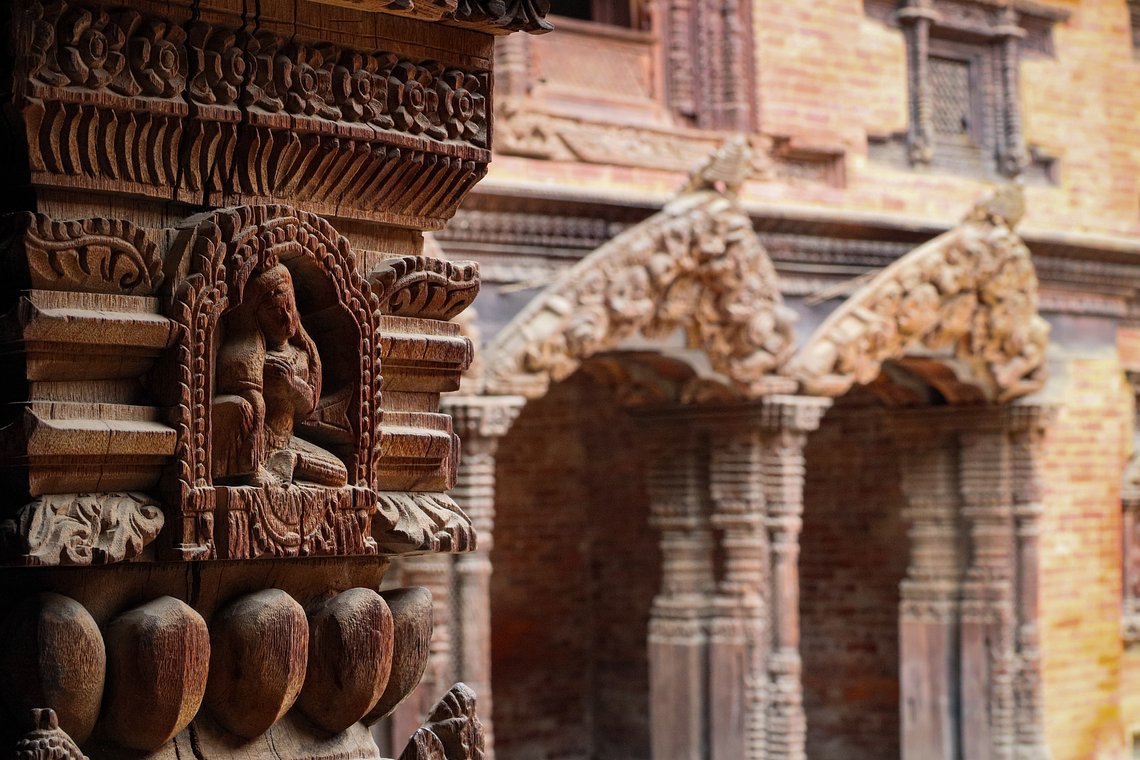
Culture is the connective tissue. It is the context day in Kigali that includes the Genocide Memorial, a visit that rewires the way you experience everything that follows. It is the drive through the Southern Province, watching the landscape shift. It is the meal you eat on the third evening when the conversation goes somewhere you did not expect because the place has got under your skin. It is the meal itself, that tells the story of agriculture, of native crops, of smallholdings, of bringing communities together.
We design the week so that connecting with a culture is at the heart of all our choices, and is not an optional add-on. It is woven through every day: the route you run on race day passes through villages, or volcanoes, of the projects themselves. The accommodation is local, we use locally owned hotels and lodges wherever possible. The food is from the place. The stories you hear are from people who live there.
This matters because understanding where you are changes the quality of everything you do. A runner who has walked through the memorial in Kigali and spent three days building alongside a community in Muganza does not run the same way on race day.
Travel at its best is not consumption but attention. An Impact Week asks you to pay attention to where you are: to notice; to listen; to let the place teach you something your life at home could not.
Commerce
This is the one that surprises people. Commerce, in an impact framework? Surely the point is to give, not to transact?
But here is what we have learned: the most sustainable form of impact is economic. A community that depends on donations is a community that depends on the donor. A community with an economy is a community with agency.
Every Impact Week generates economic activity in the places we work. We use locally owned hotels and lodges. We hire local transport, local guides, local support crew. We buy food from local suppliers. We pay our community partners fairly and on time, and we publish the amounts.
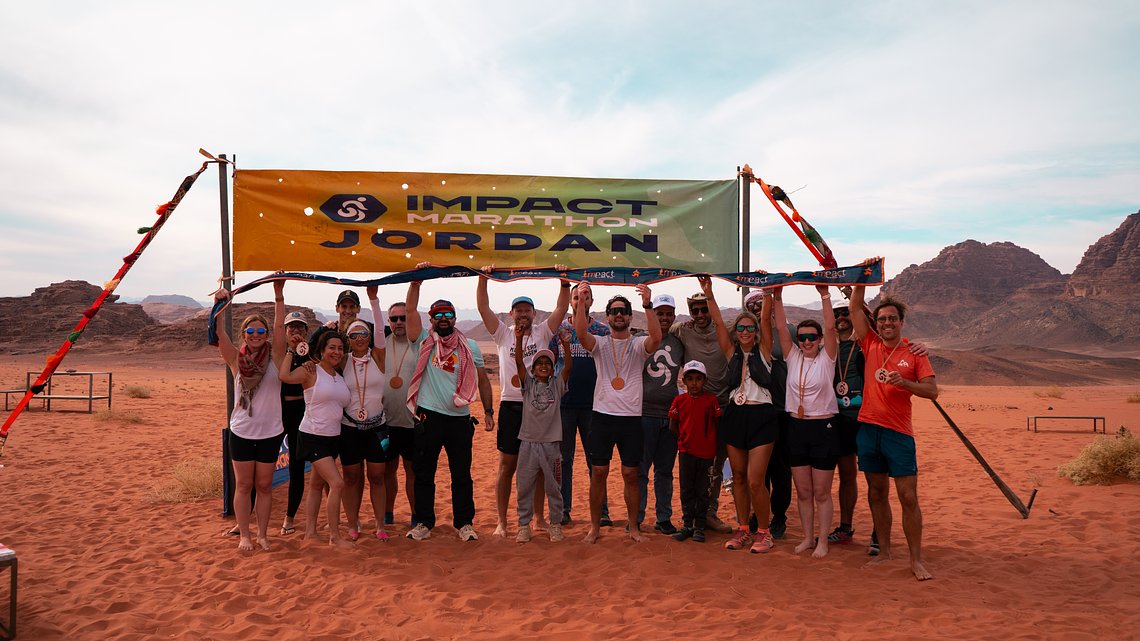
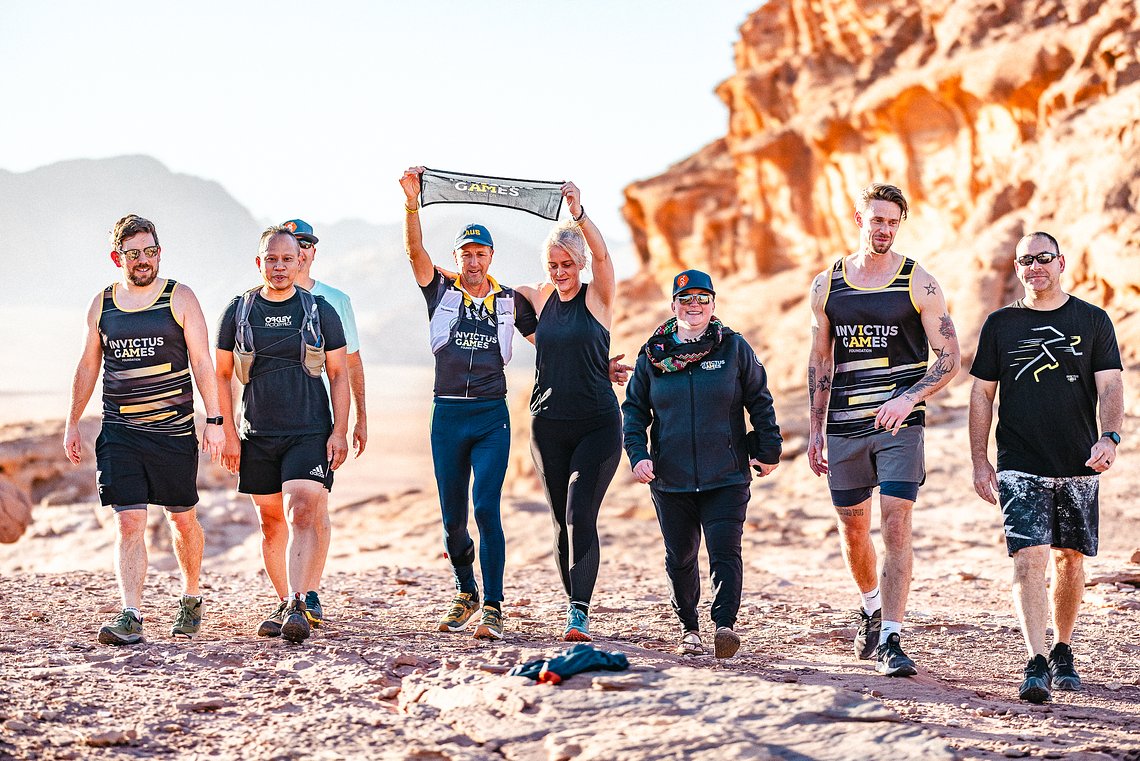
In Guatemala, the economy of the Impact Week extends into coffee, runners visit farms, meet growers, and buy direct. In Jordan, the economic model is tourism itself our presence in Petra, Wadi Rum, and the surrounding communities contributes to a local tourism economy that employs thousands - and has been decimated by the events of the last 3 years. In Nepal, the pop-up athletes' village employs local workers, cooks, and logistics teams for the duration of the week.
This is not trickle-down economics dressed up as purpose. It is a deliberate decision to ensure that the financial footprint of an Impact Week benefits the local economy at every point of contact. The accommodation spend stays local. The food spend stays local. The transport spend stays local. The project funding goes directly to the partner with full transparency.
Commerce is not the opposite of impact. It is the mechanism by which impact becomes sustainable. A well-run, fairly traded, locally embedded event does more for a community's long-term prospects than a one-off donation ever could. We believe that passionately, and we build every week around it.
Challenge
Challenge comes last. Deliberately.
In most adventure travel, the challenge is the headline. The race. The summit. The distance. The medal. The finish line photograph. Everything else is context for the main event.
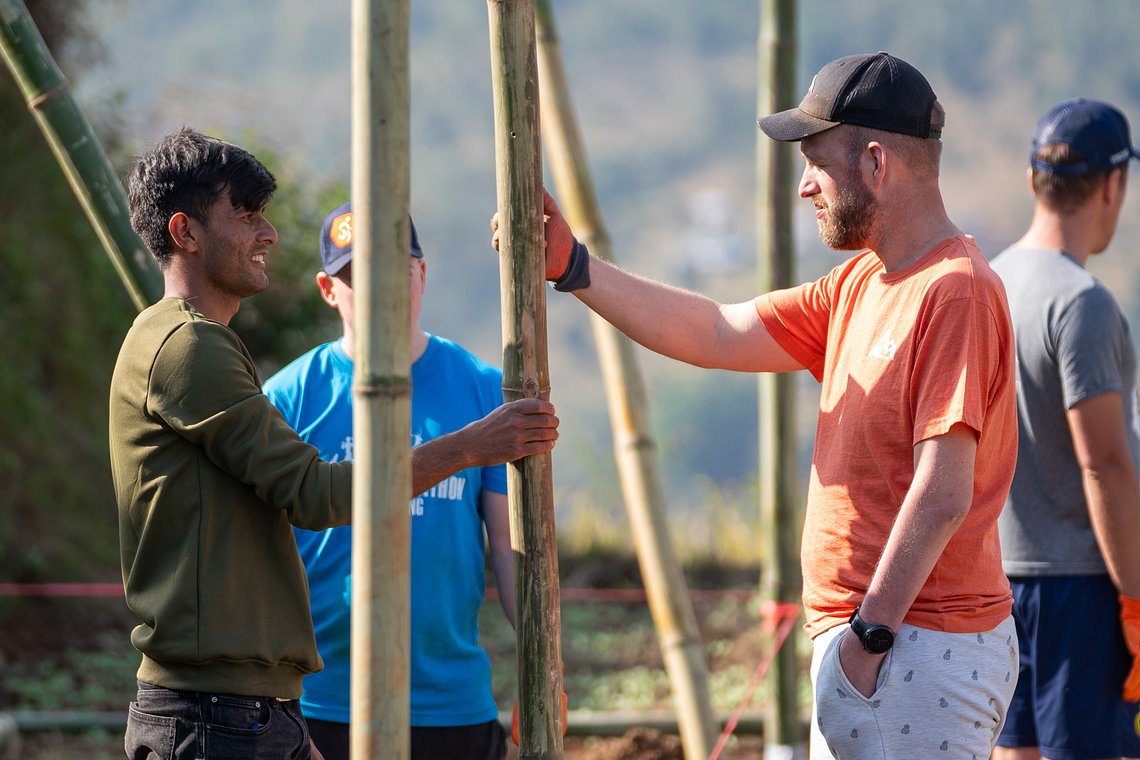
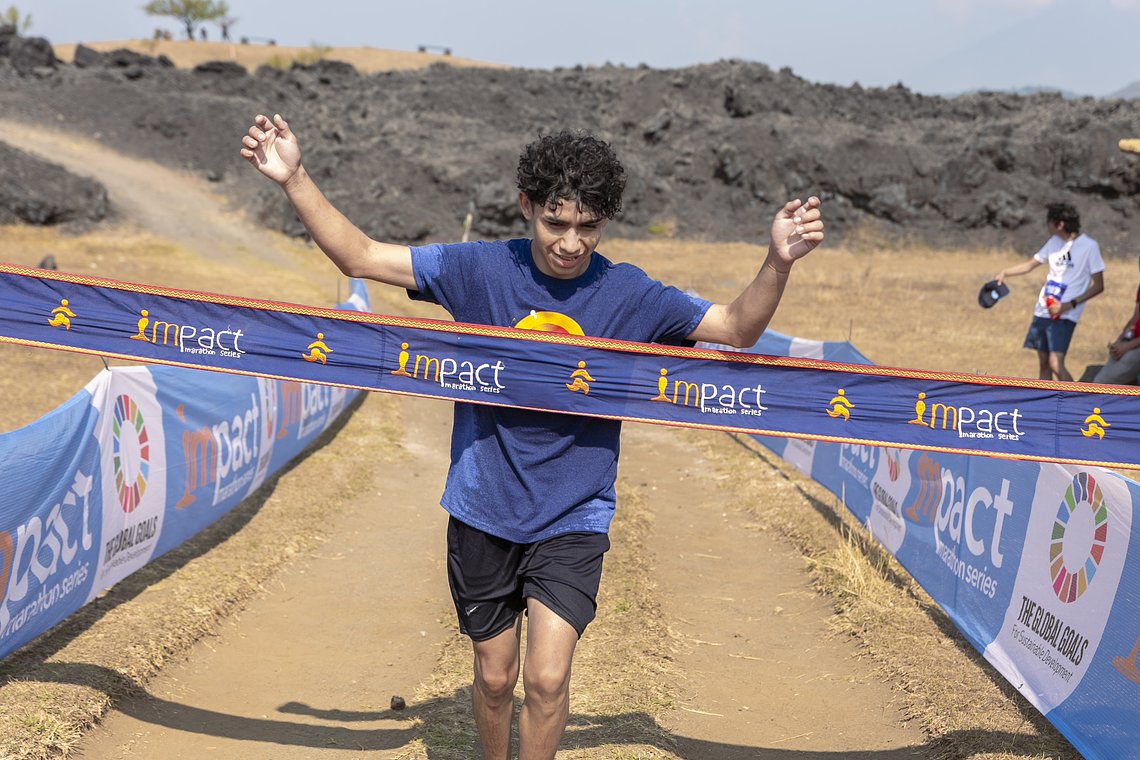
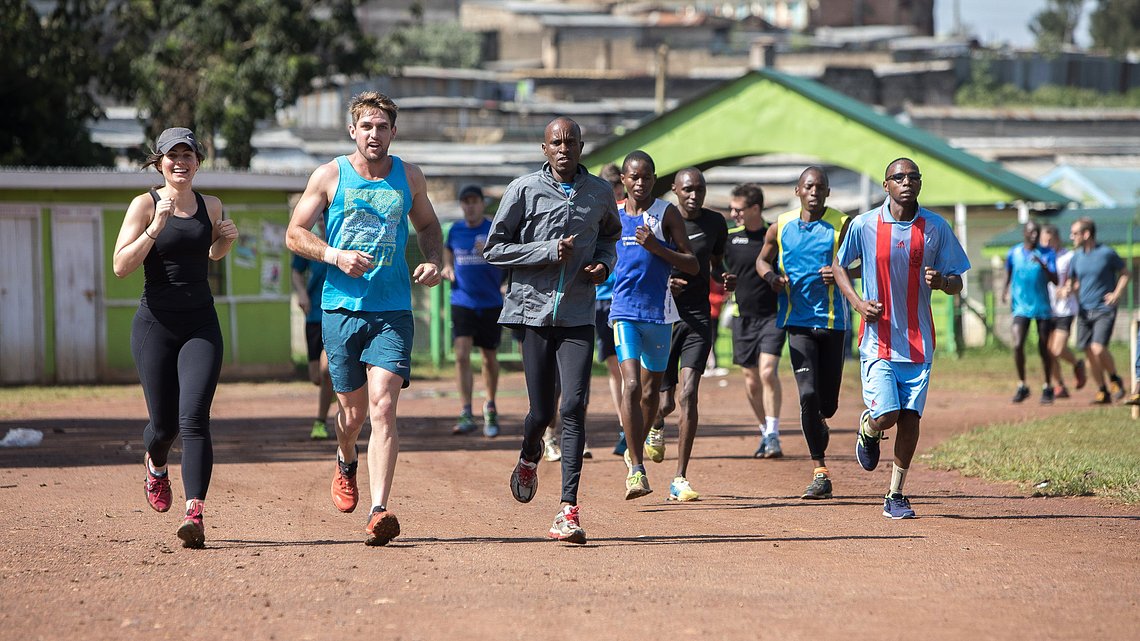
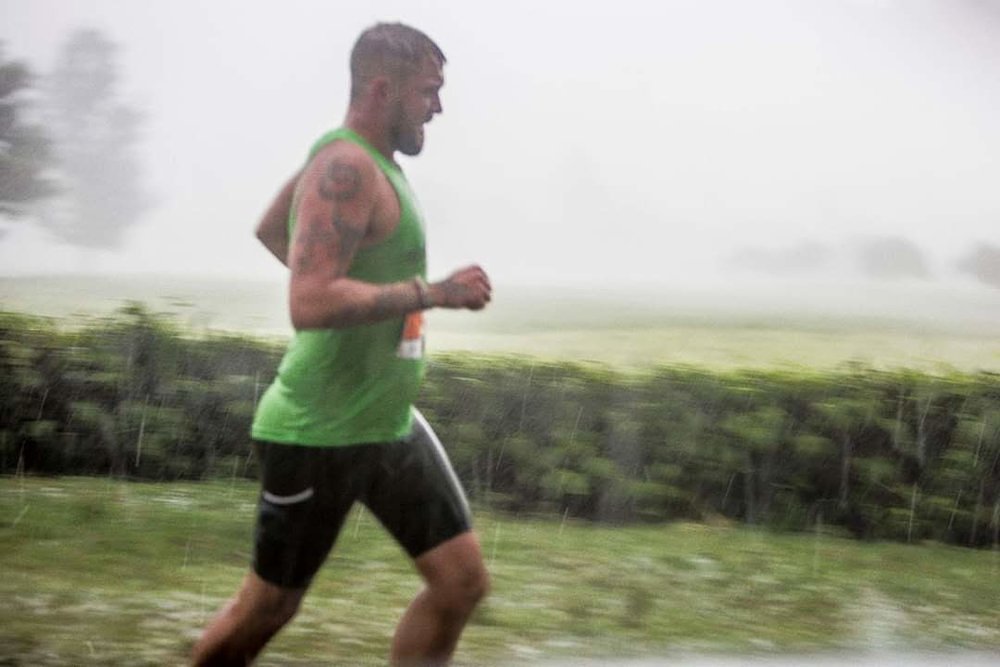
We reverse that. Although most people sign up for the challenge, for the marathon, if we get the first 3 C's right...then the race is the crescendo, the Victory Lap, built on the three pillars beneath it. By the time you stand on the start line of an Impact Week, you have already done the hardest and most meaningful work. You have built something with your hands. You have sat with stories that demanded something of you emotionally. You have spent days inside a community that is not your own and let it change your frame of reference.
And then you run.
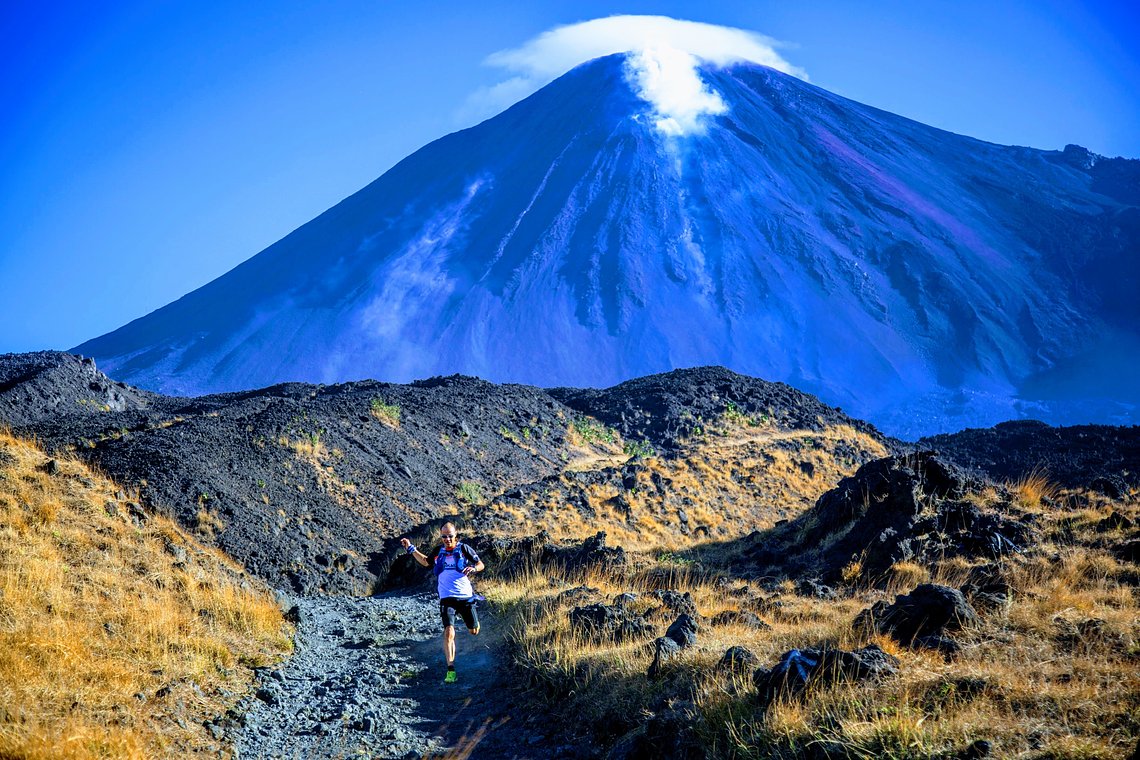
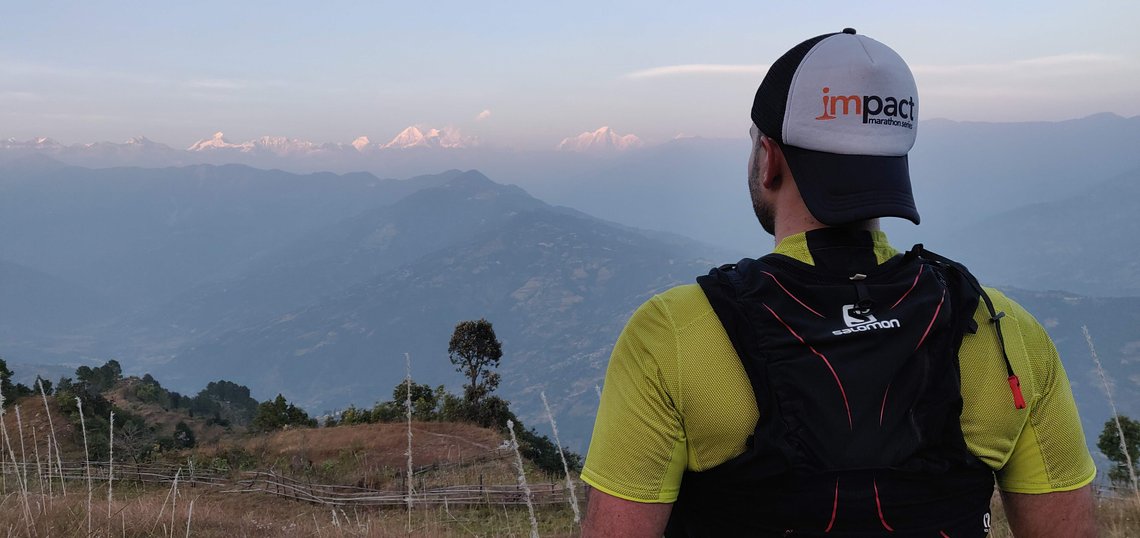
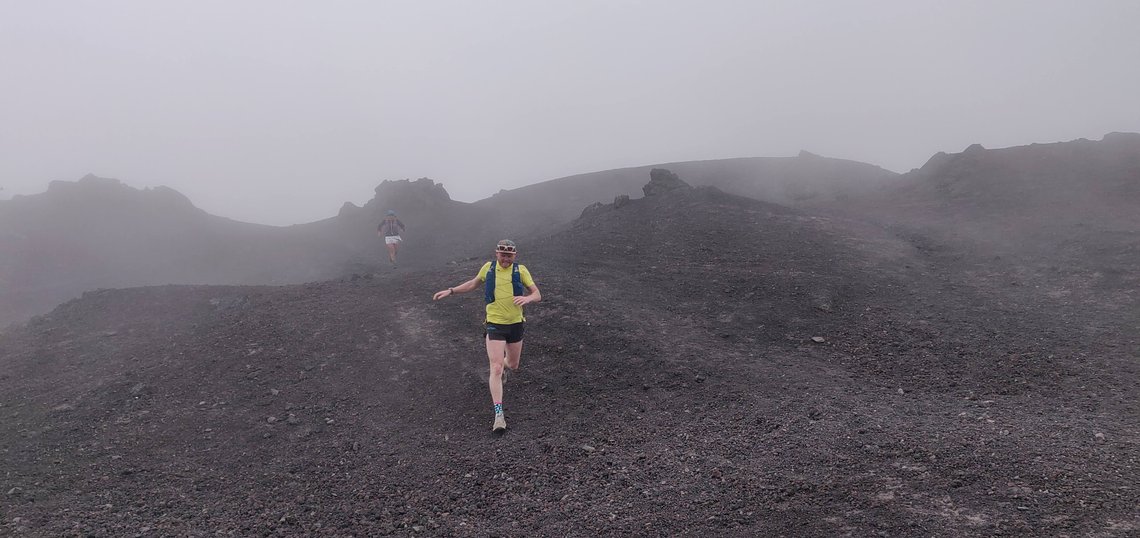
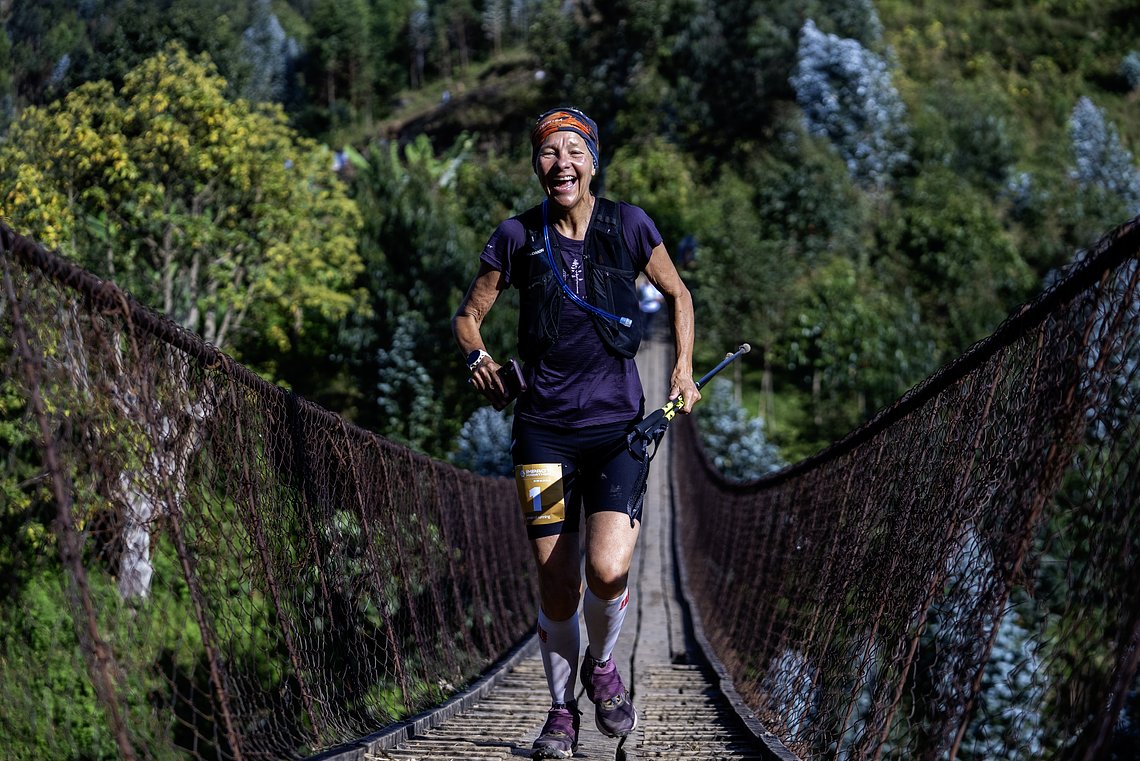
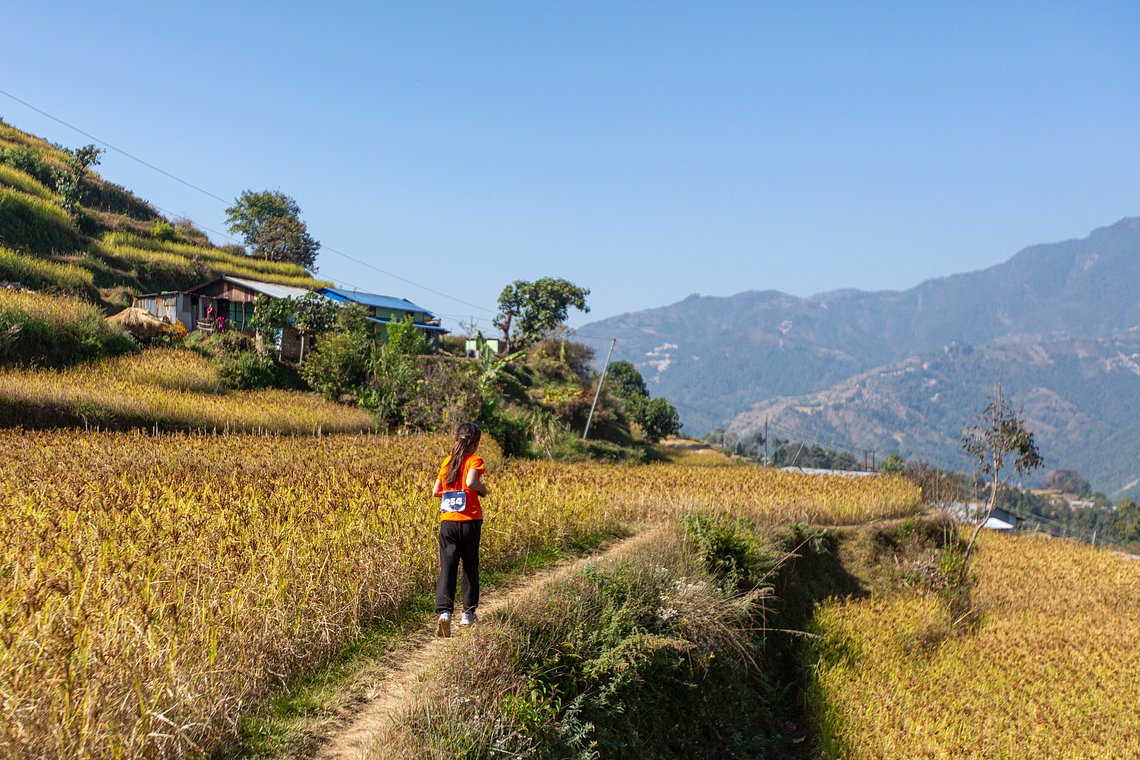
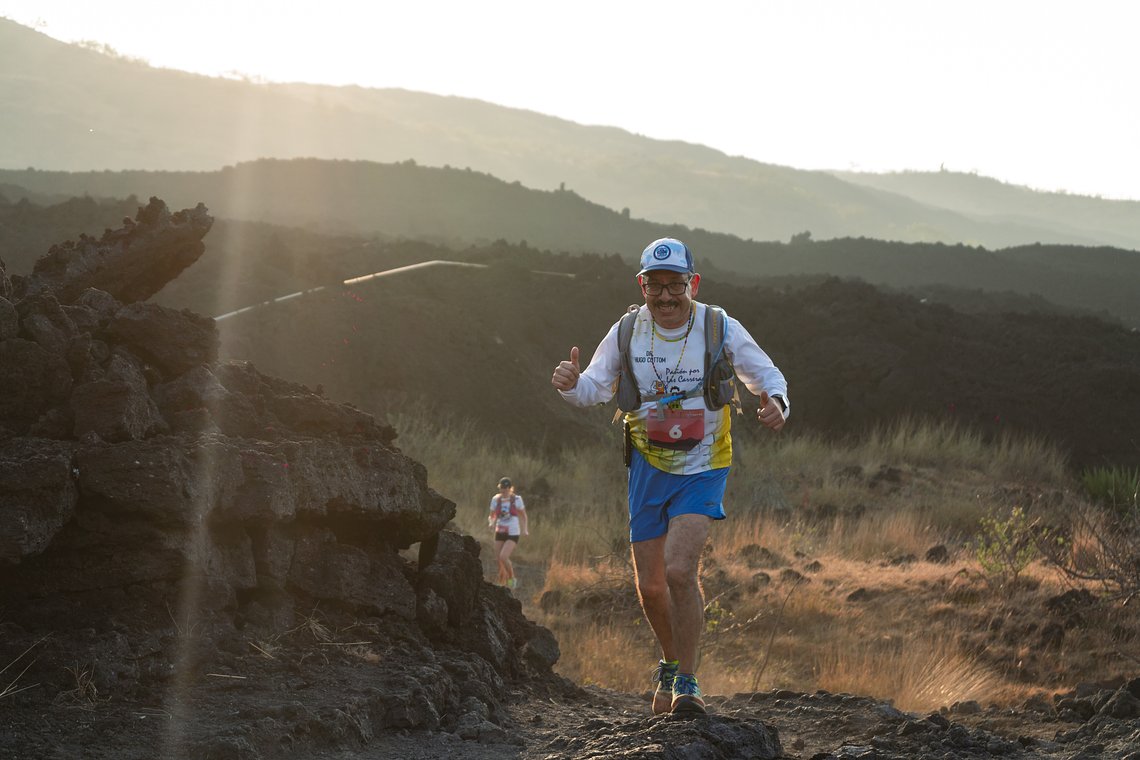
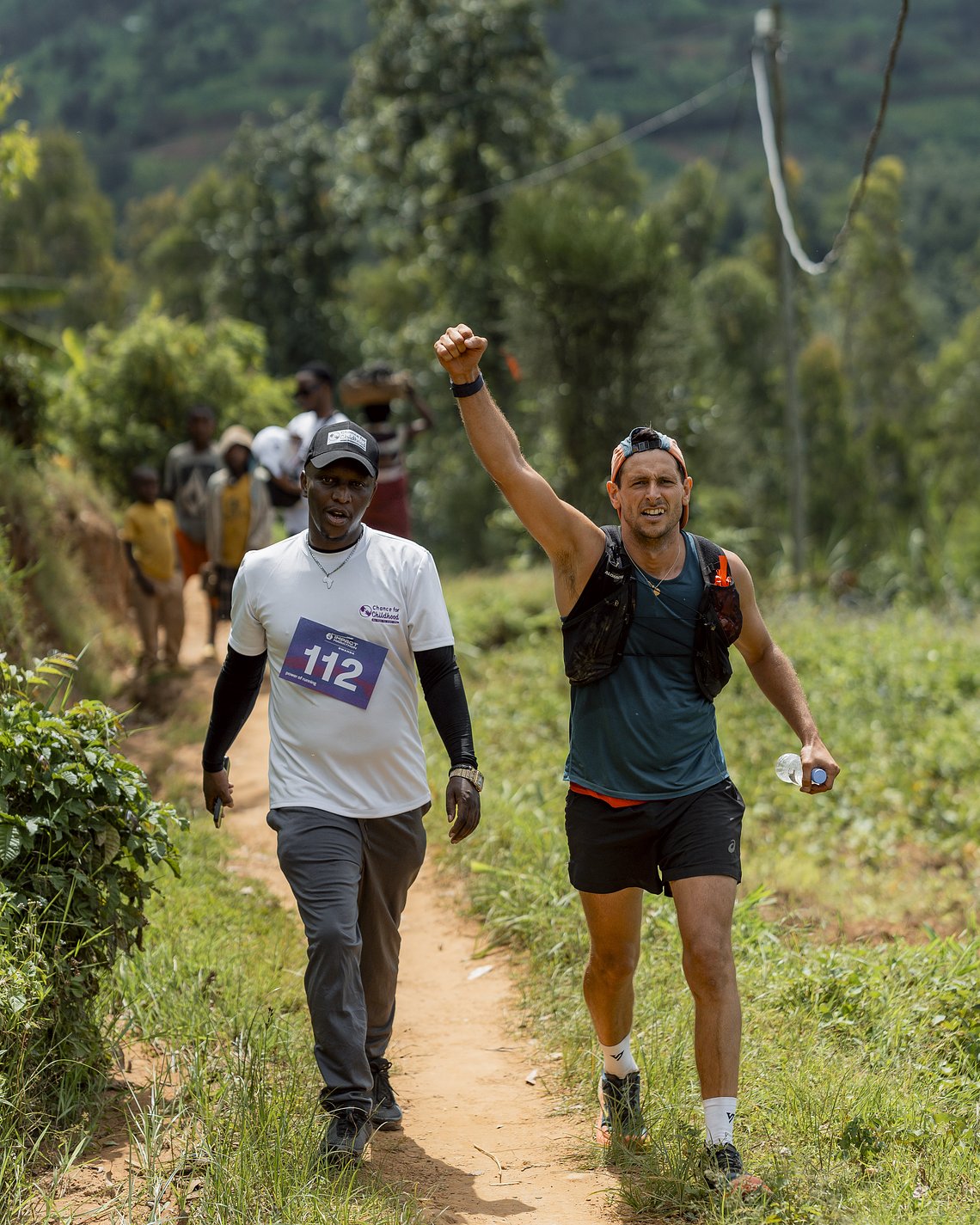
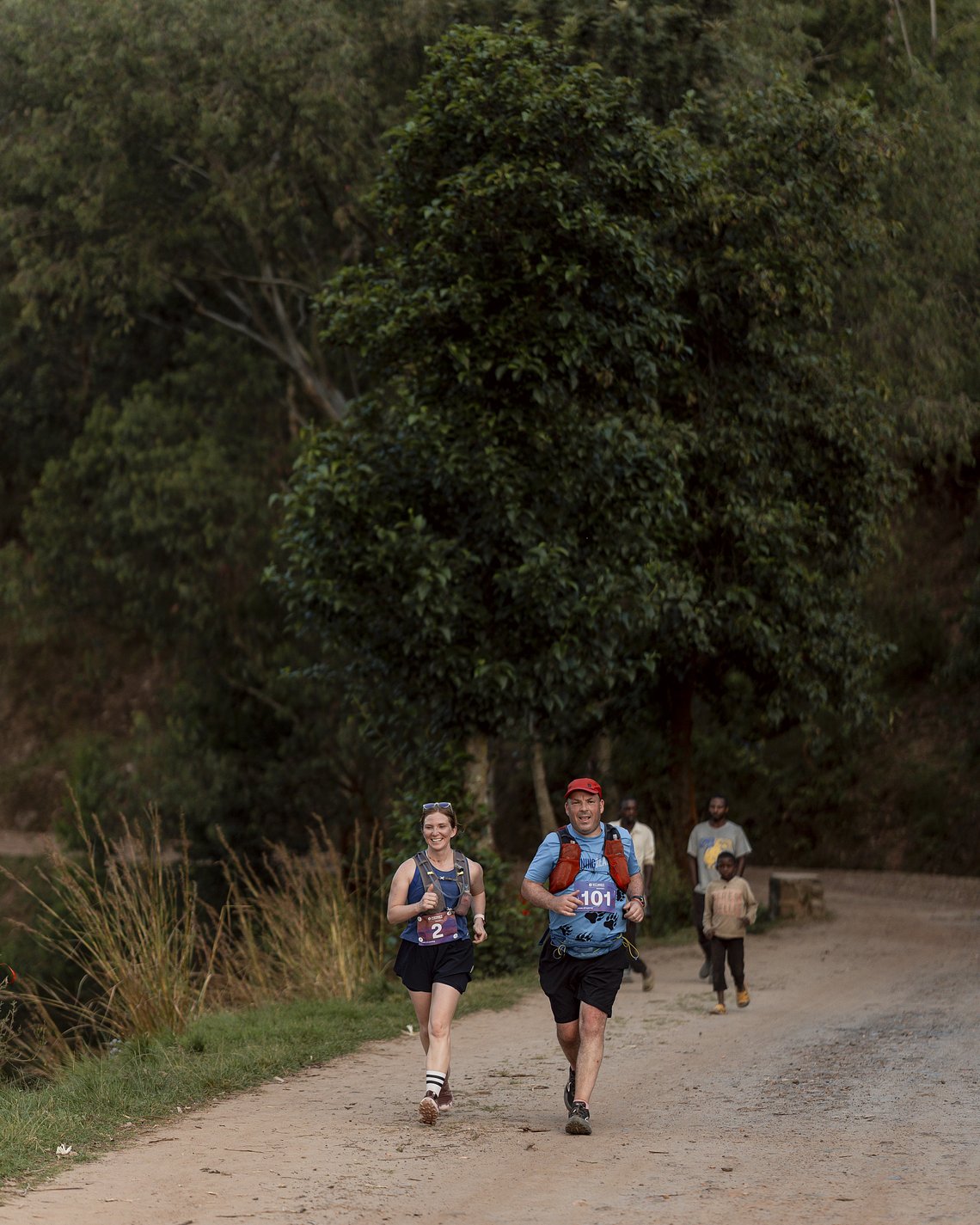
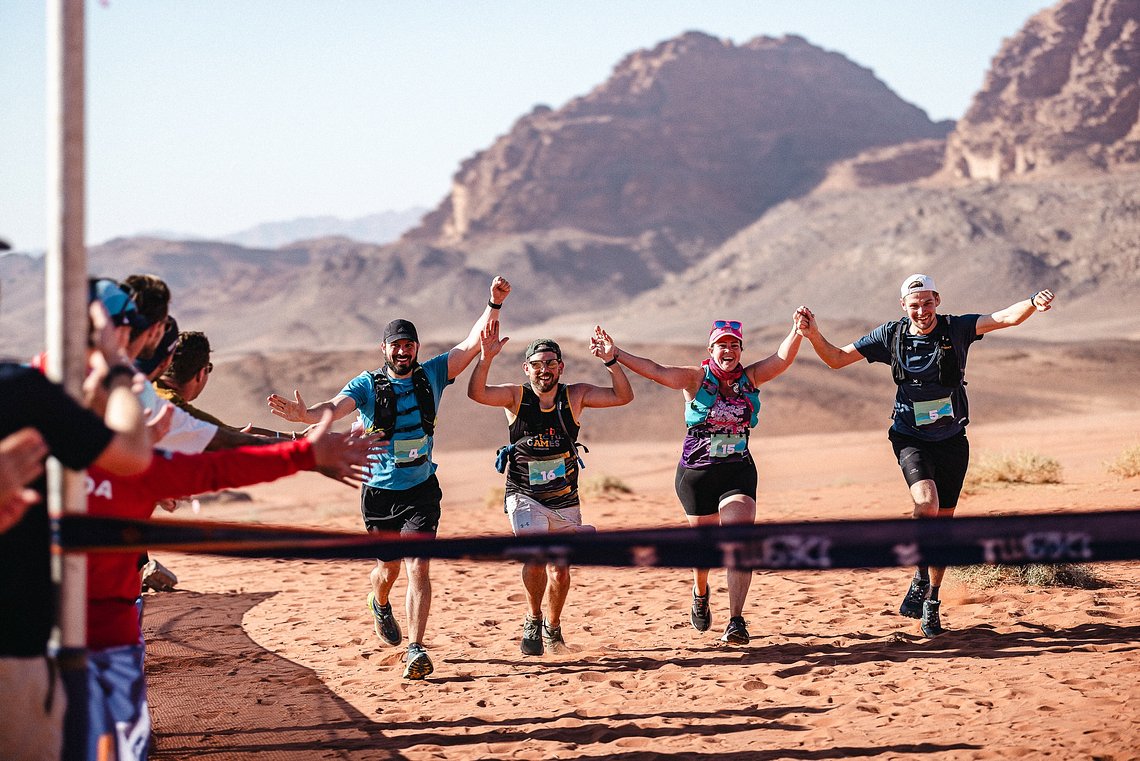
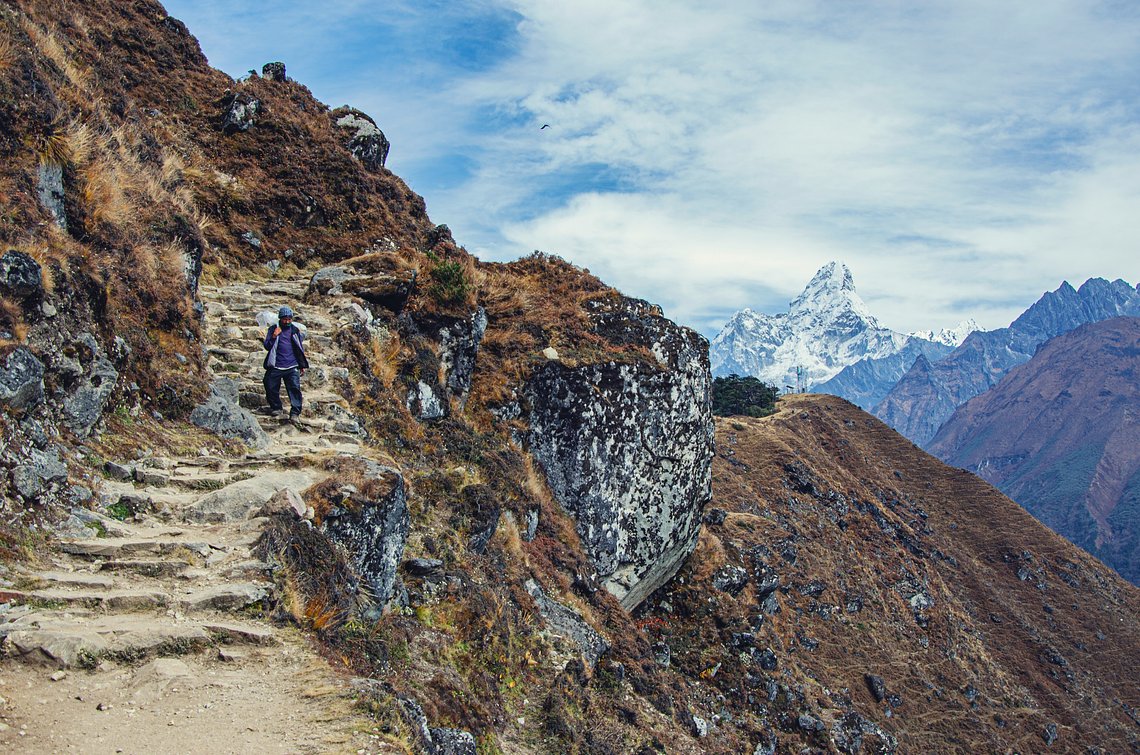
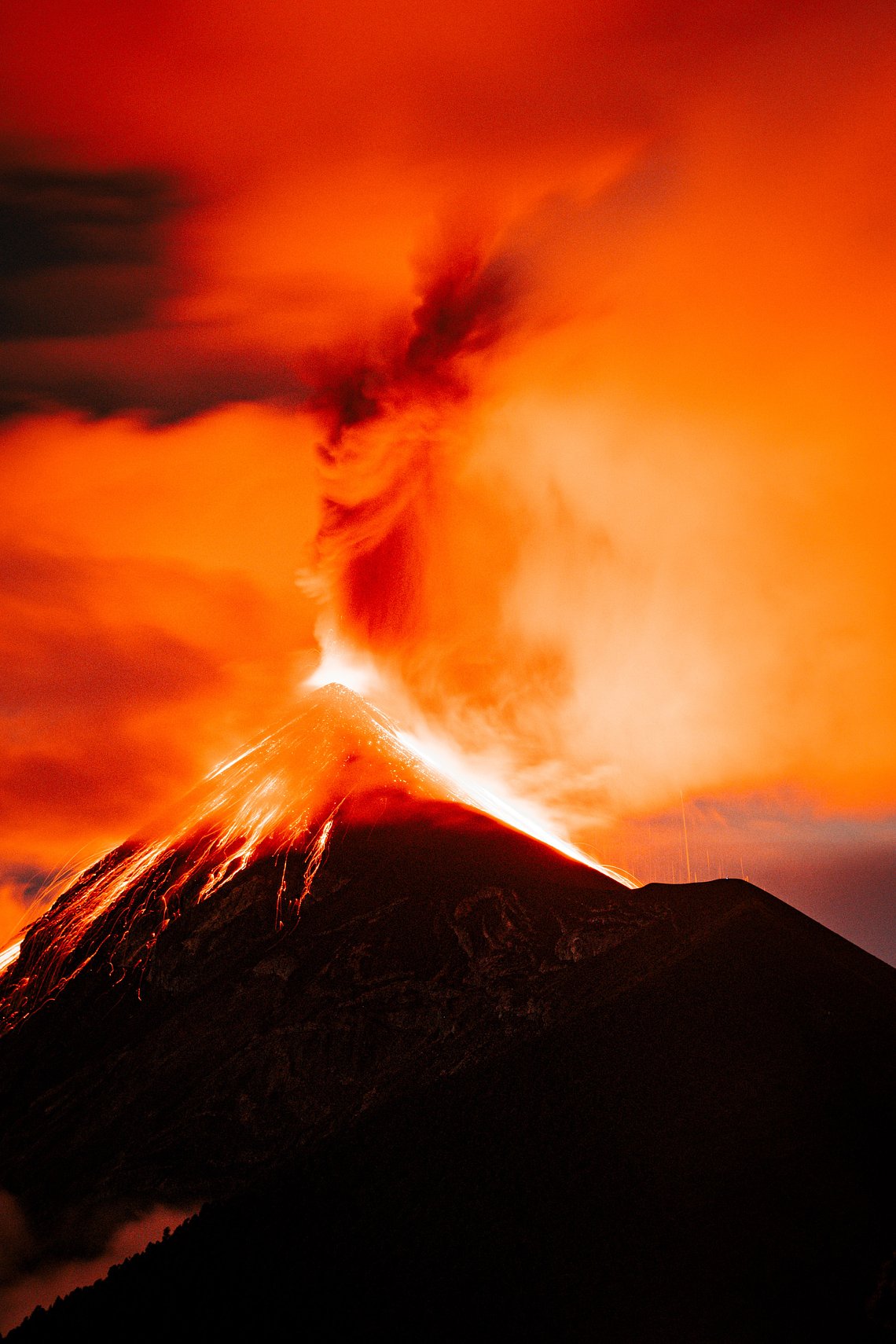
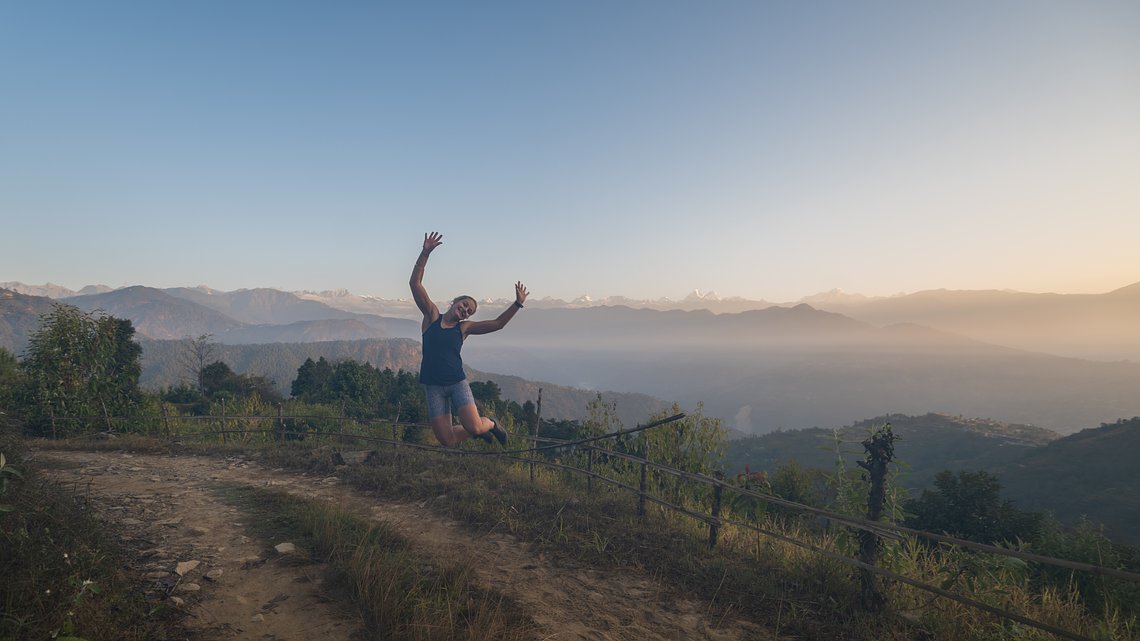
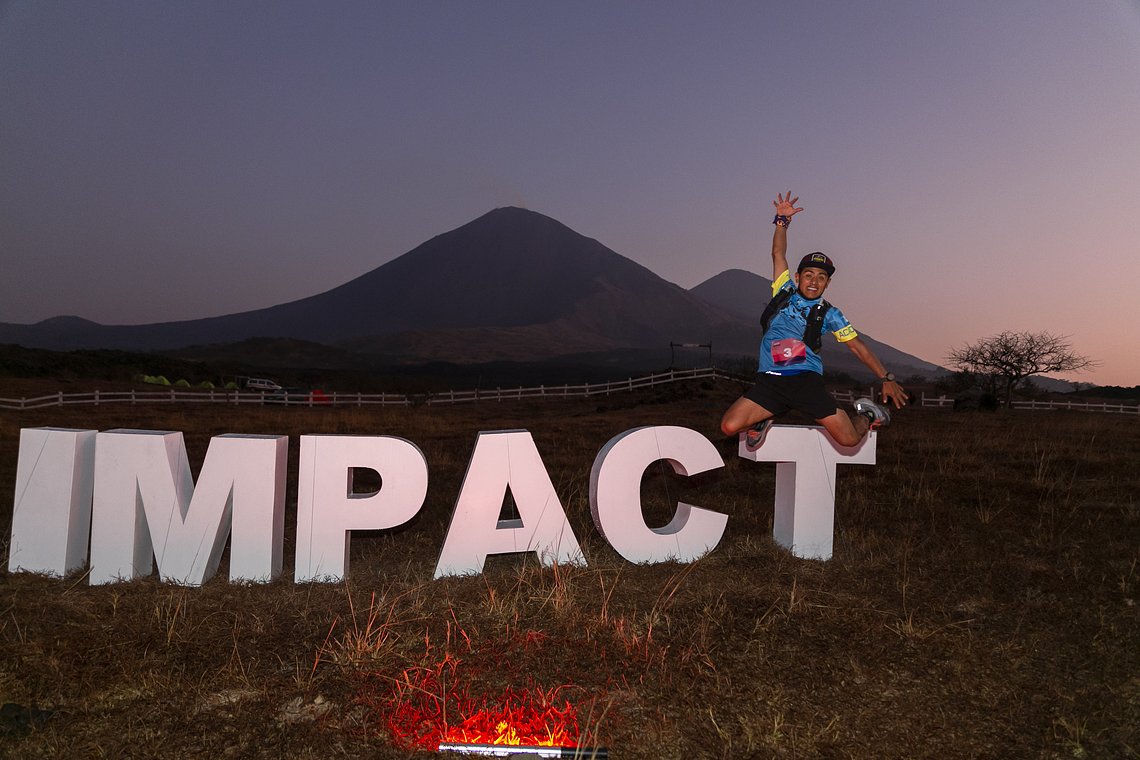
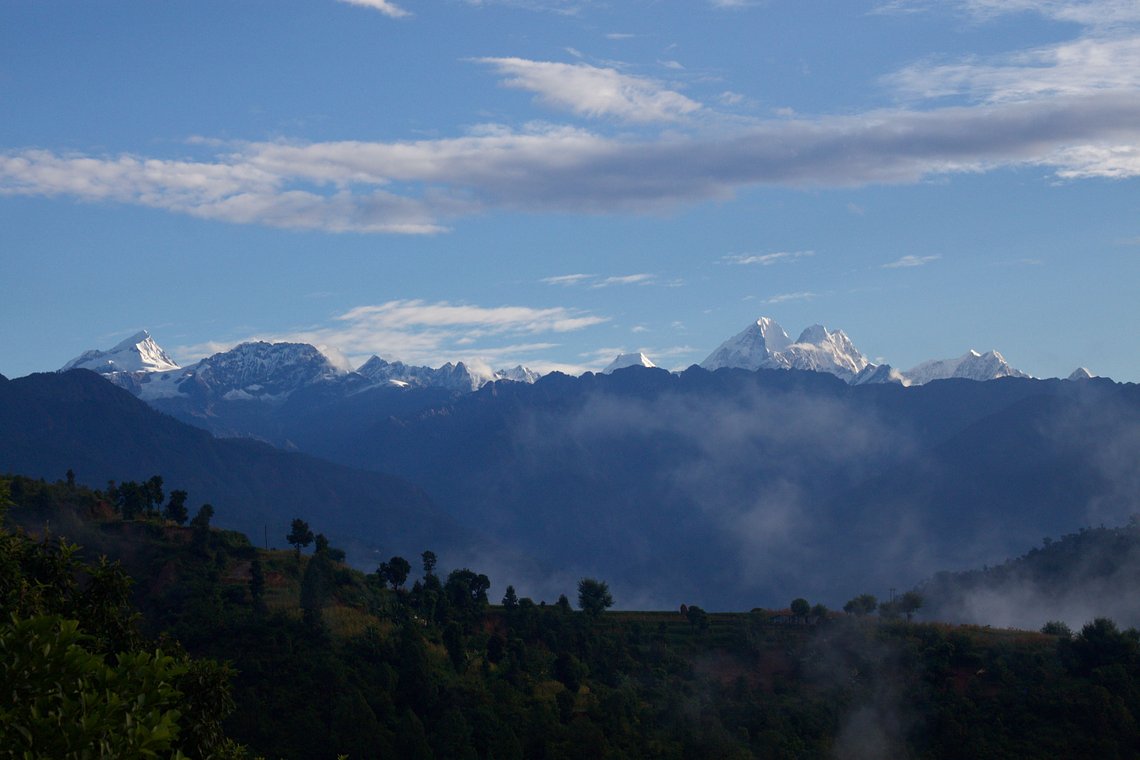
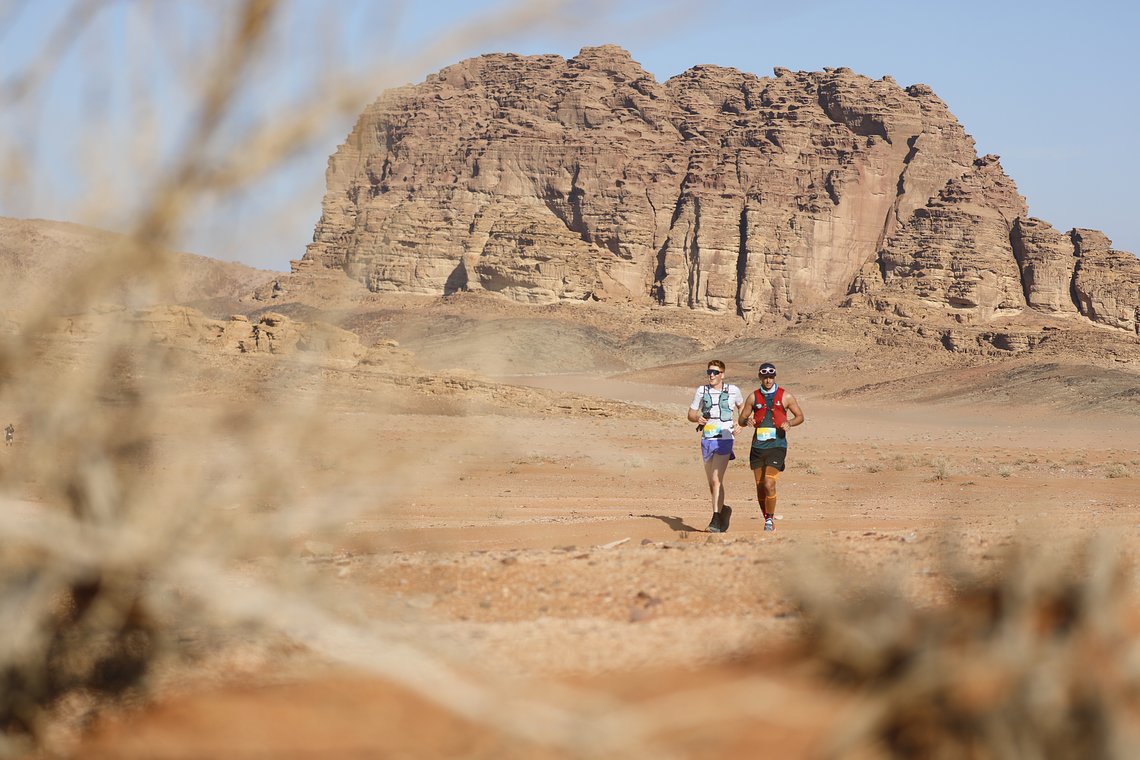
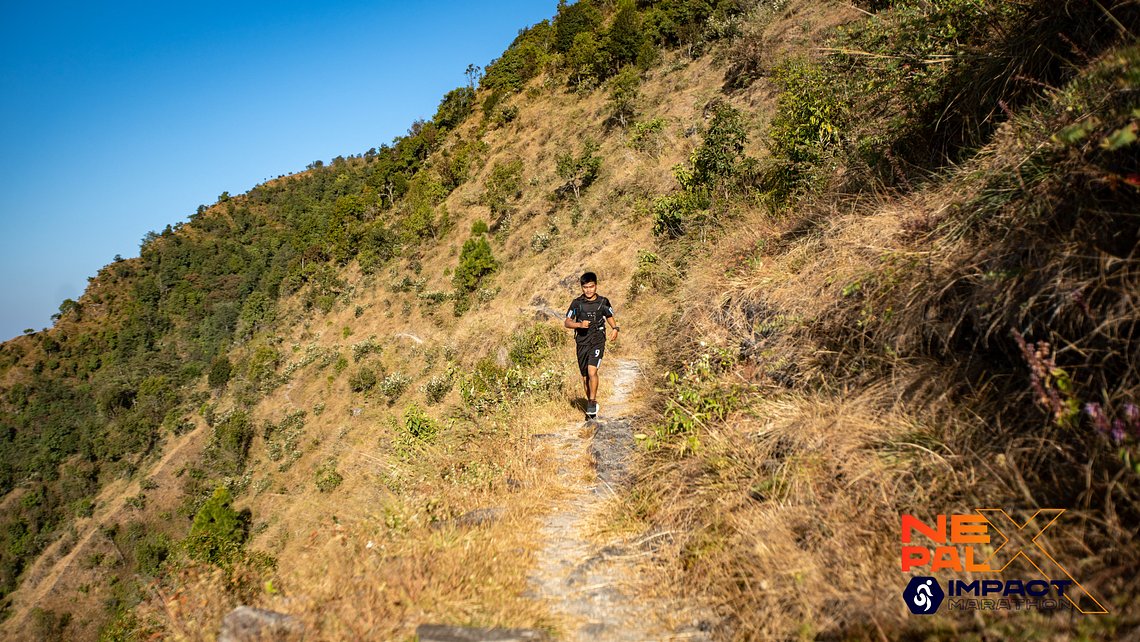
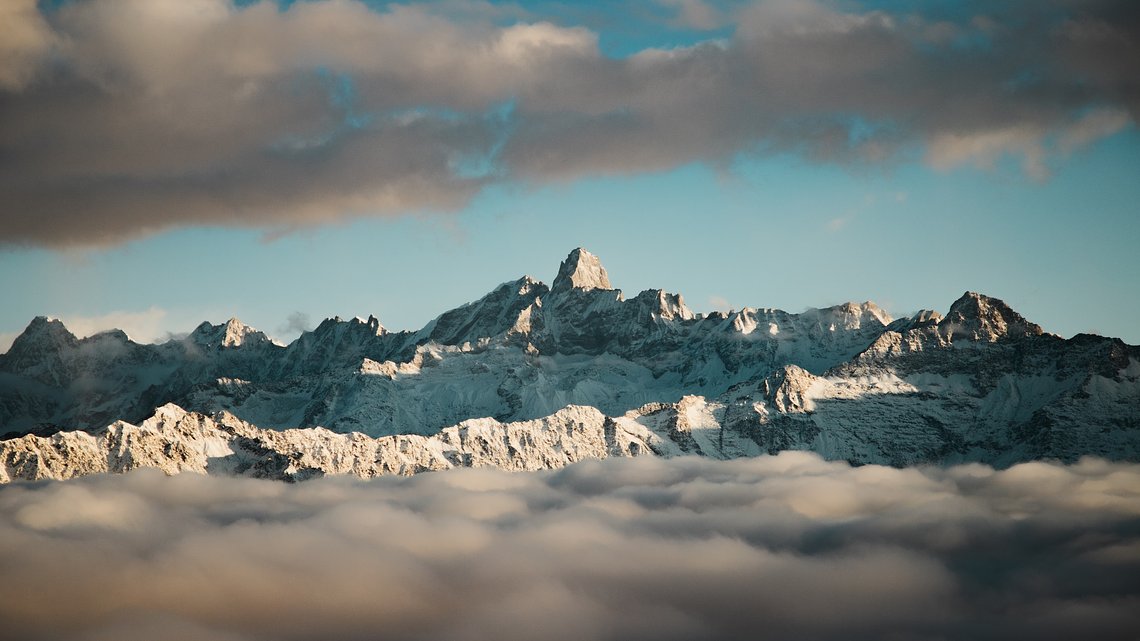
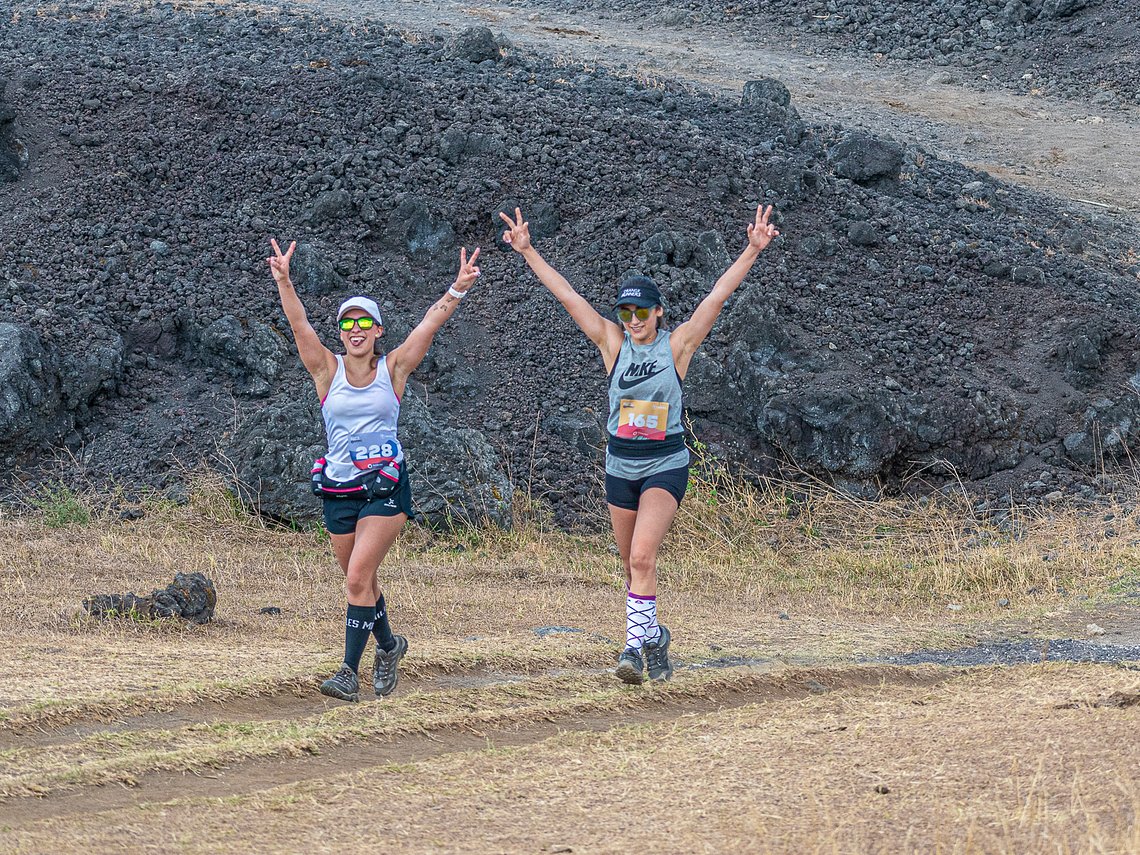
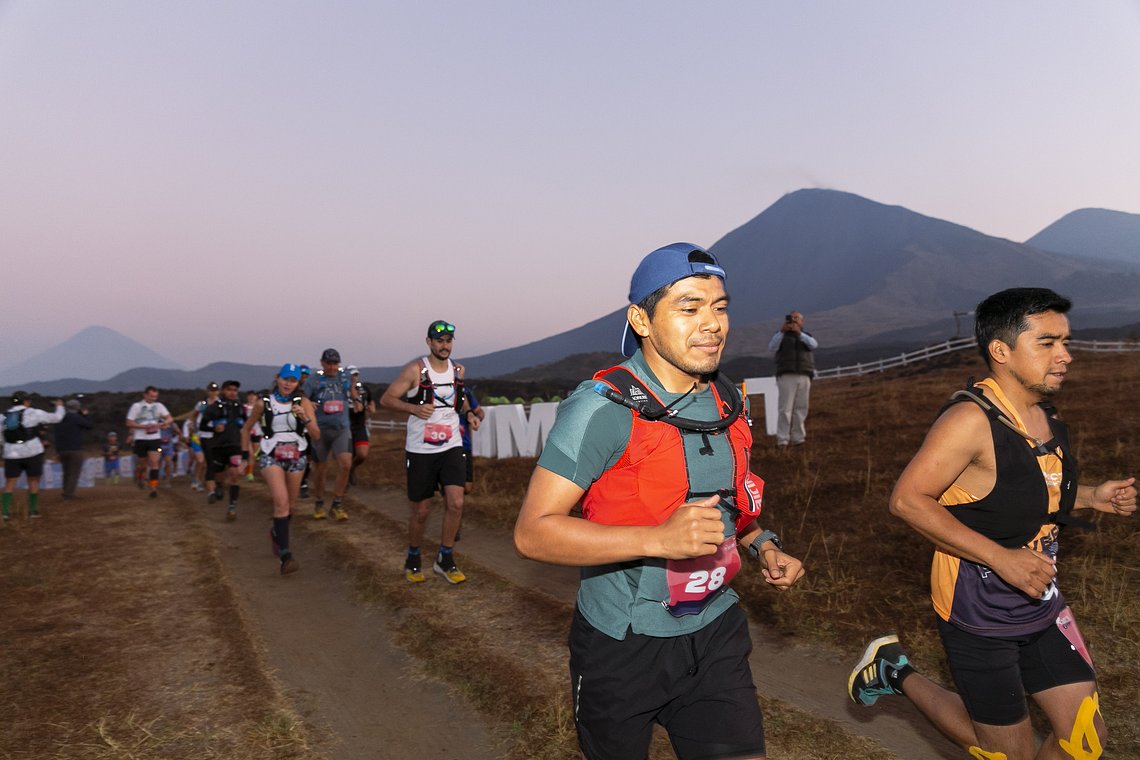
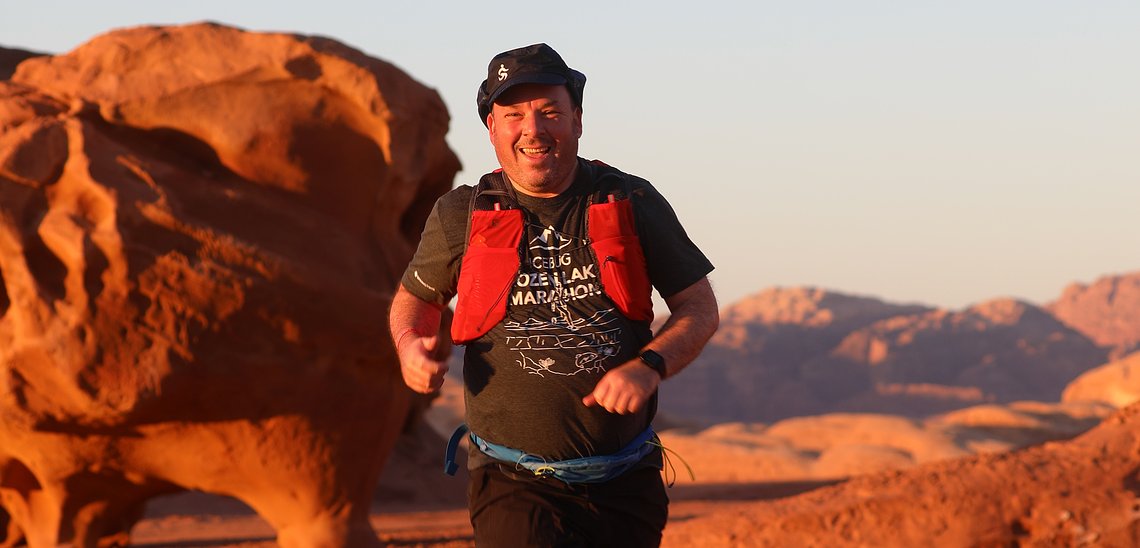
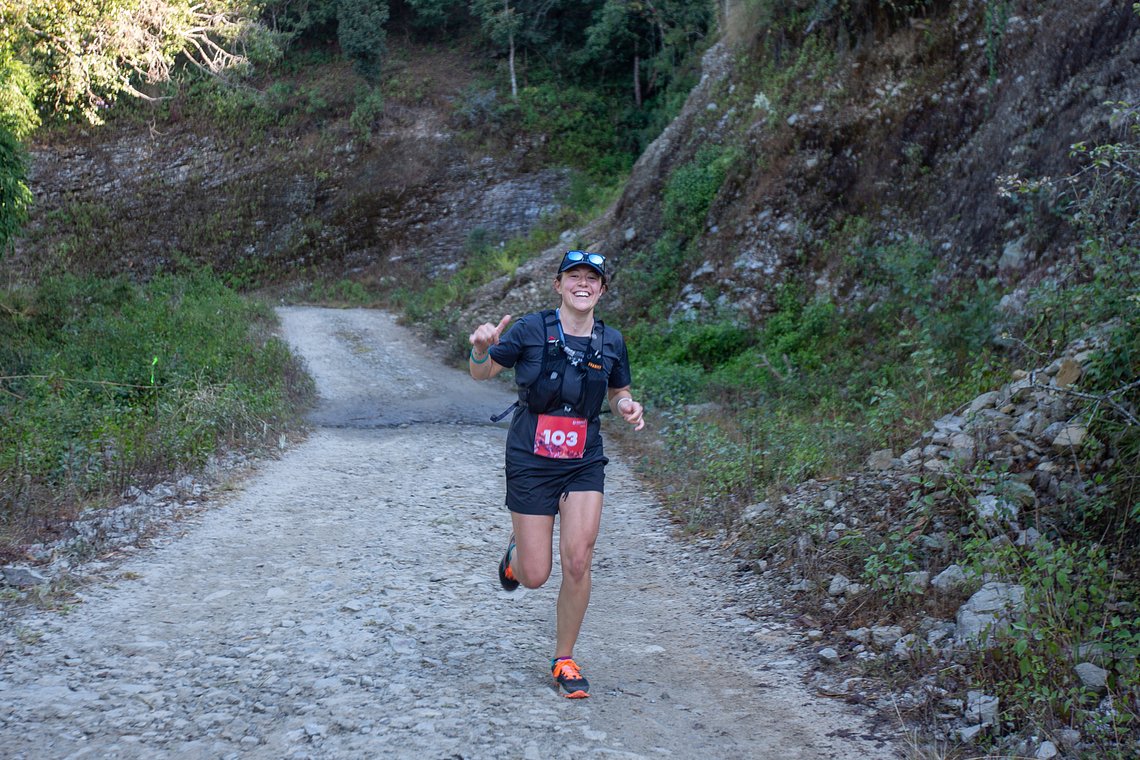
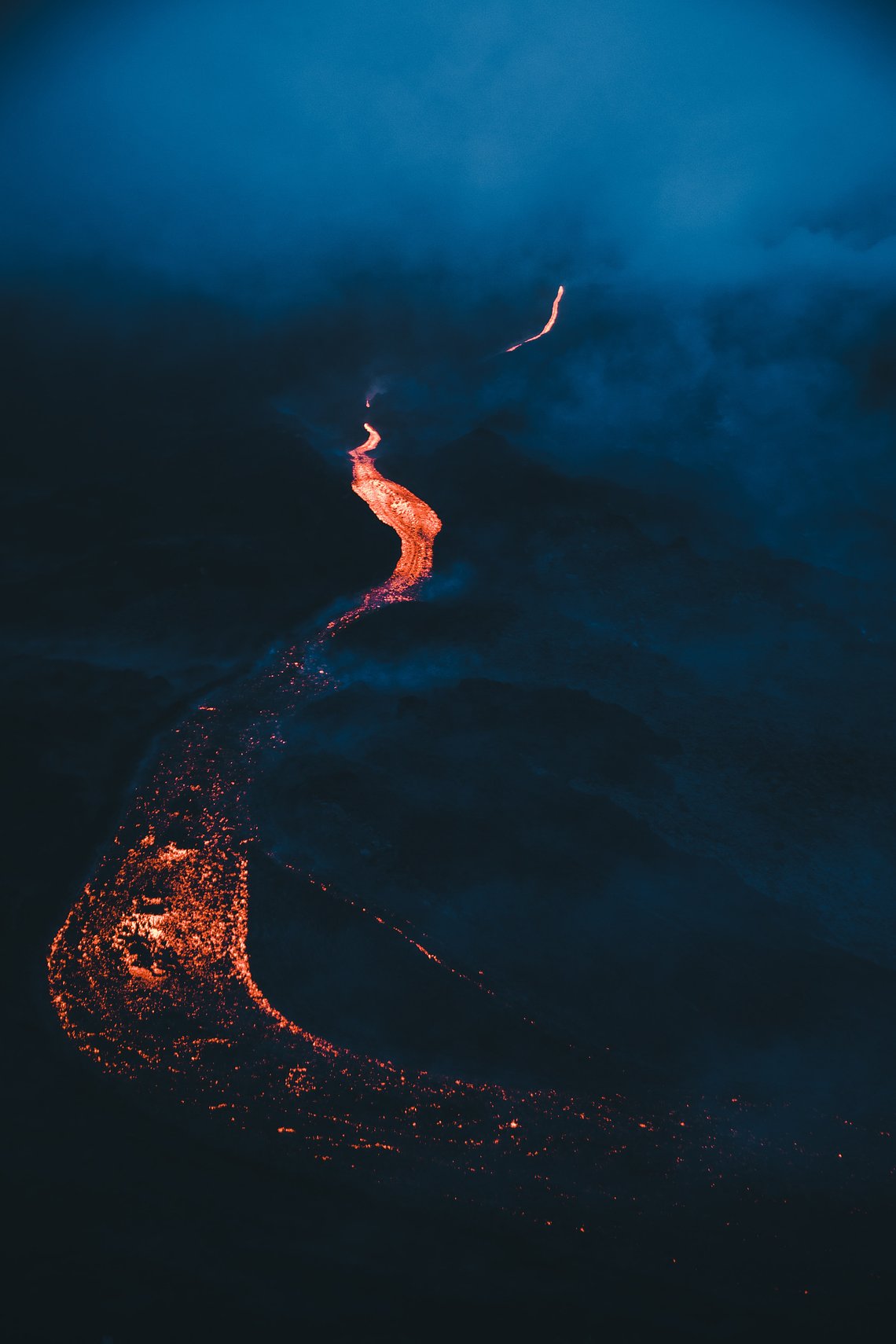
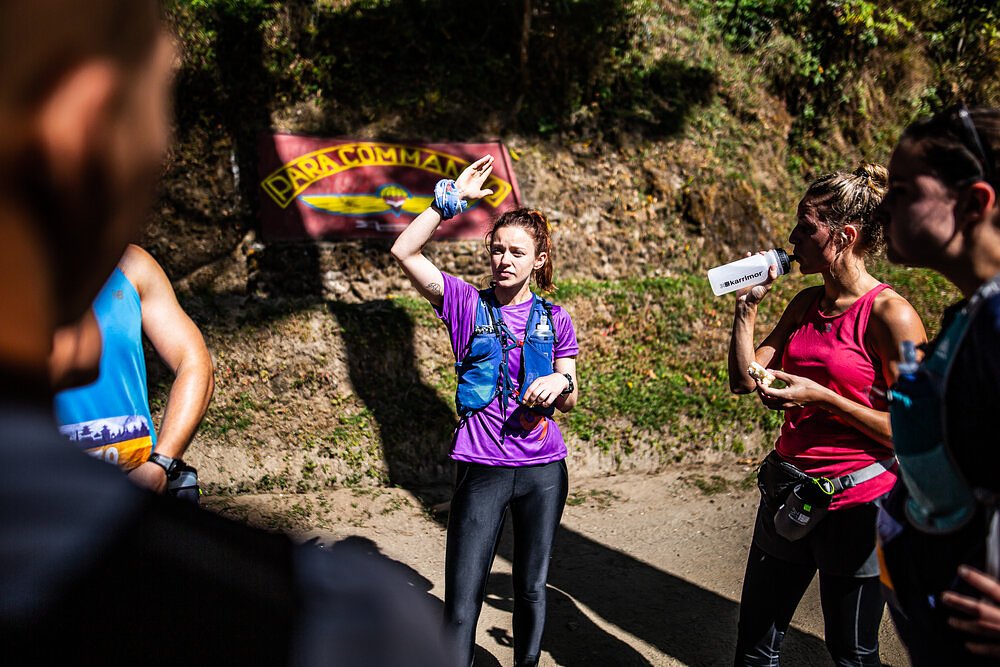
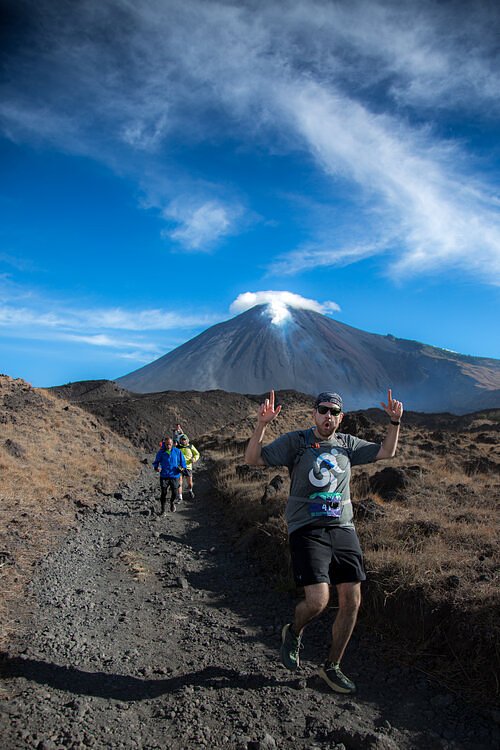
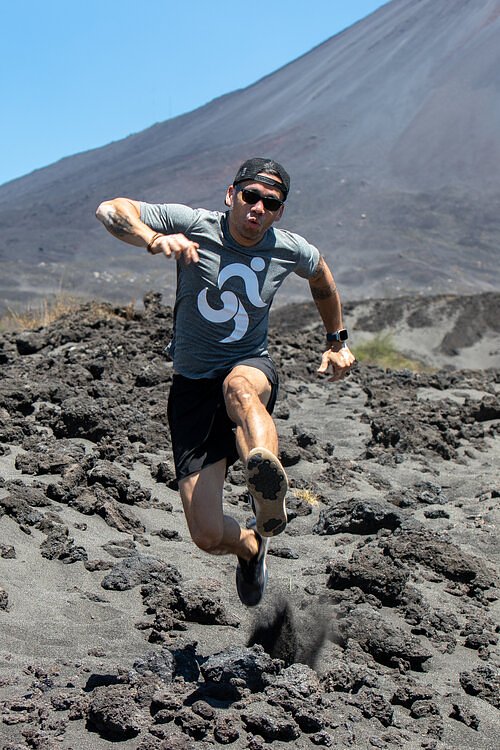
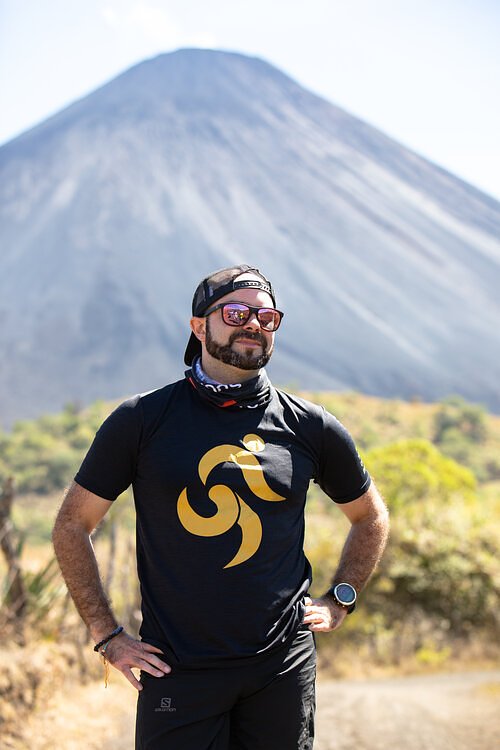
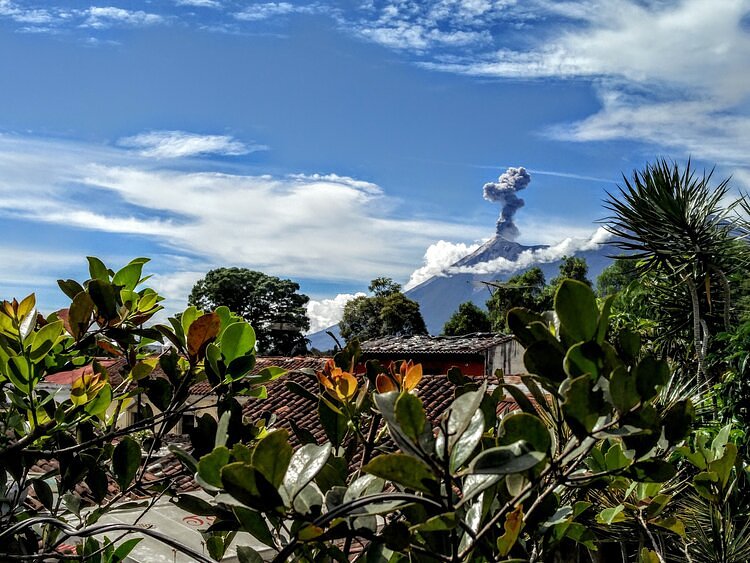
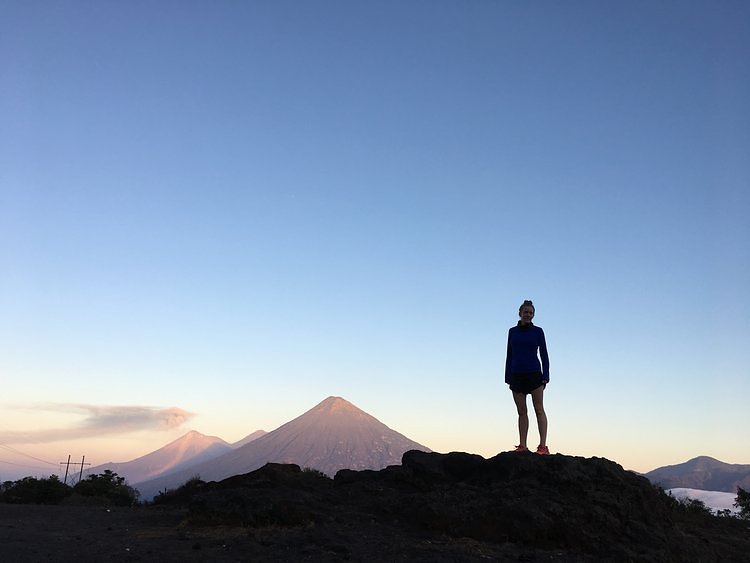
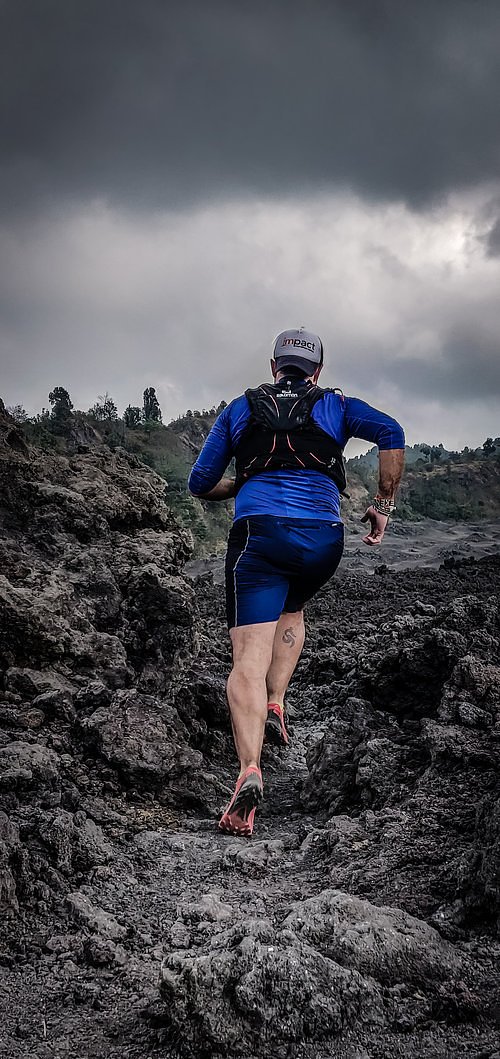
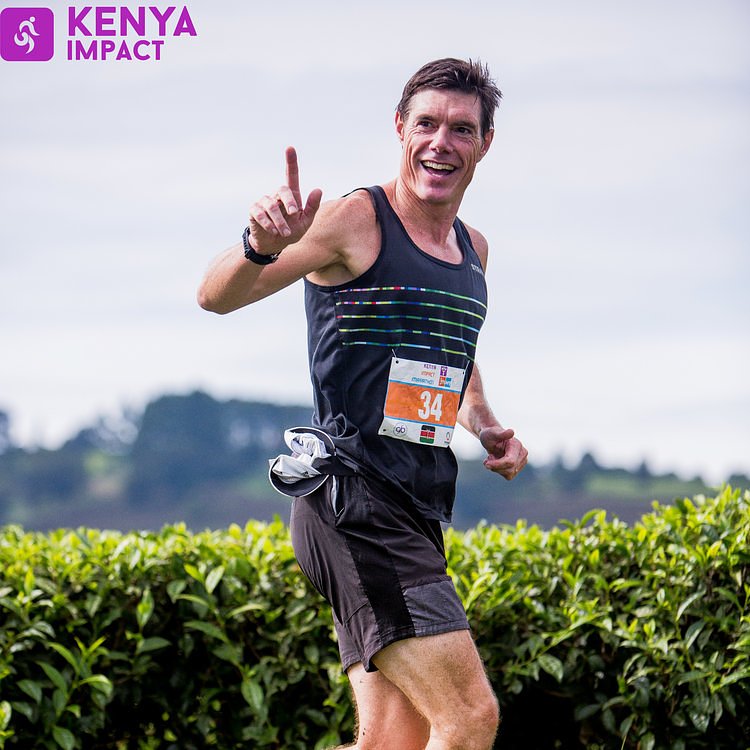
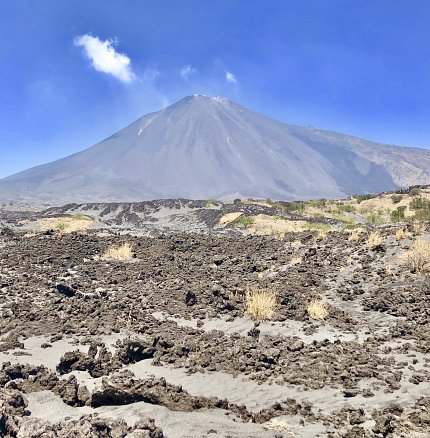
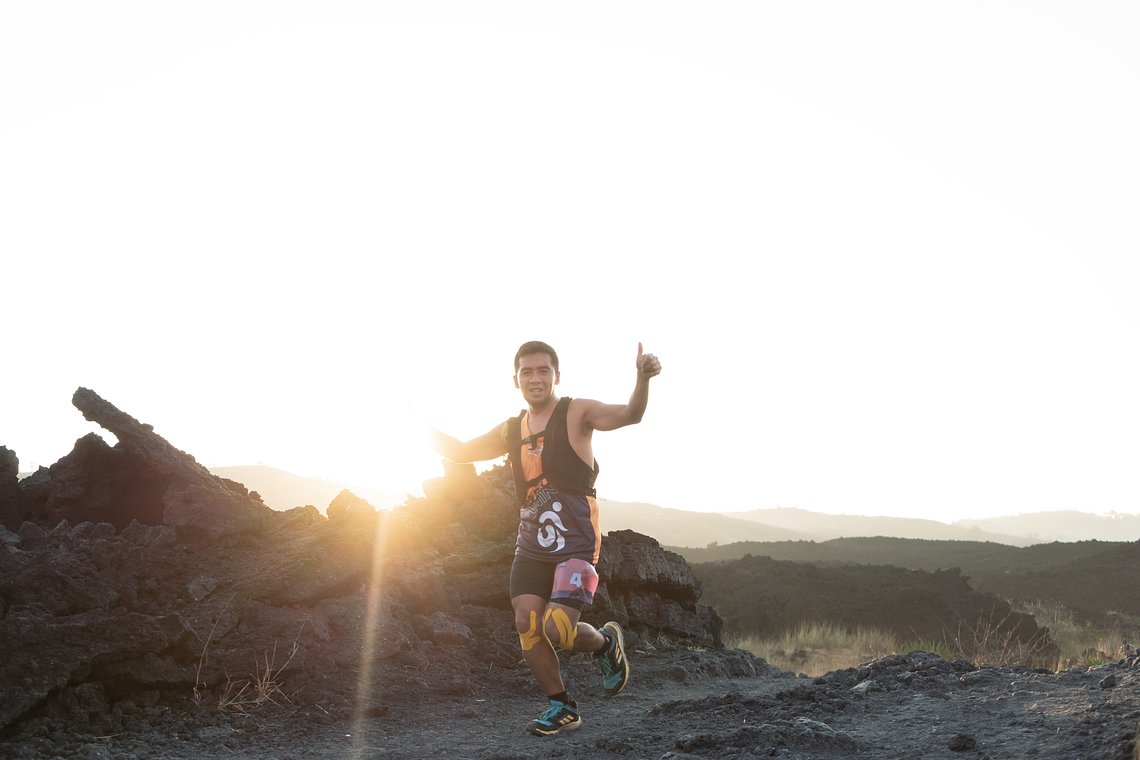
10km, 21km, or 42km through landscapes chosen to reveal the country and its people. Tea plantation ridgelines in Rwanda. Terraced hillsides beneath the Himalayas in Nepal. Lava fields on Pacaya in Guatemala. Wadi Rum desert in Jordan. Fully marked courses, aid stations, medical cover, support vehicles, we take the safety and your enjoyment of race day incredibly seriously. These are extreme challenges.
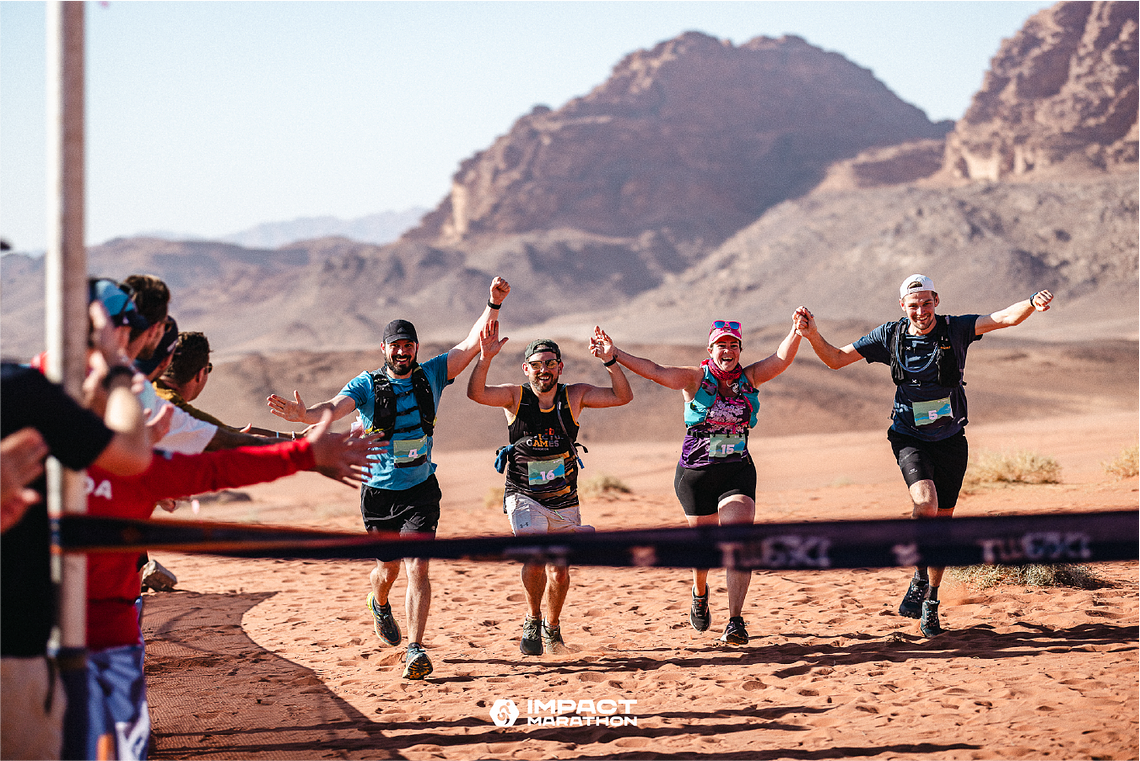
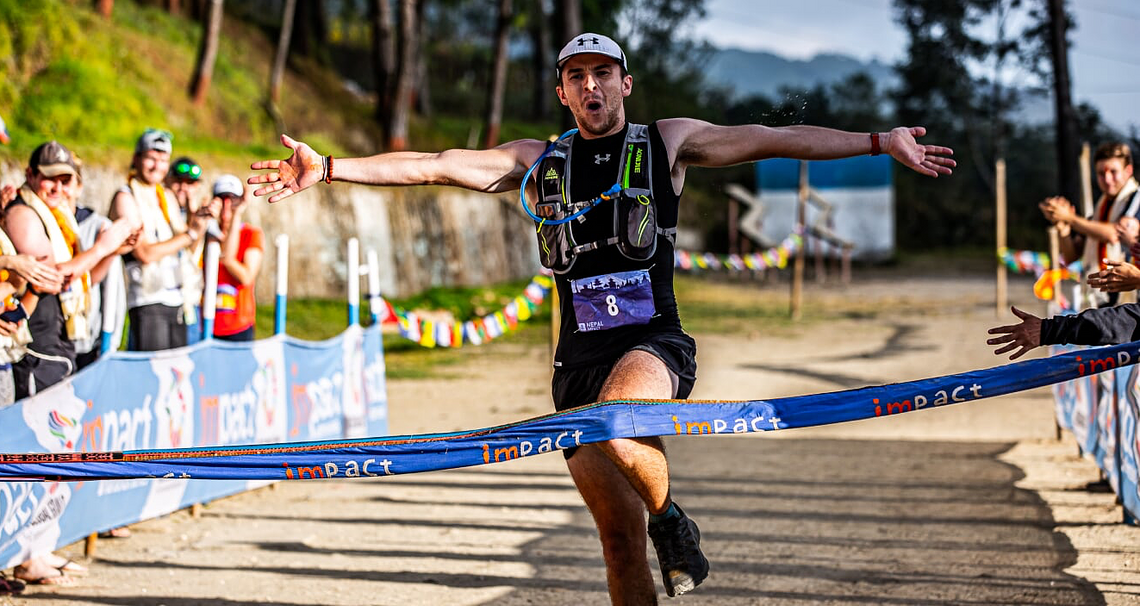
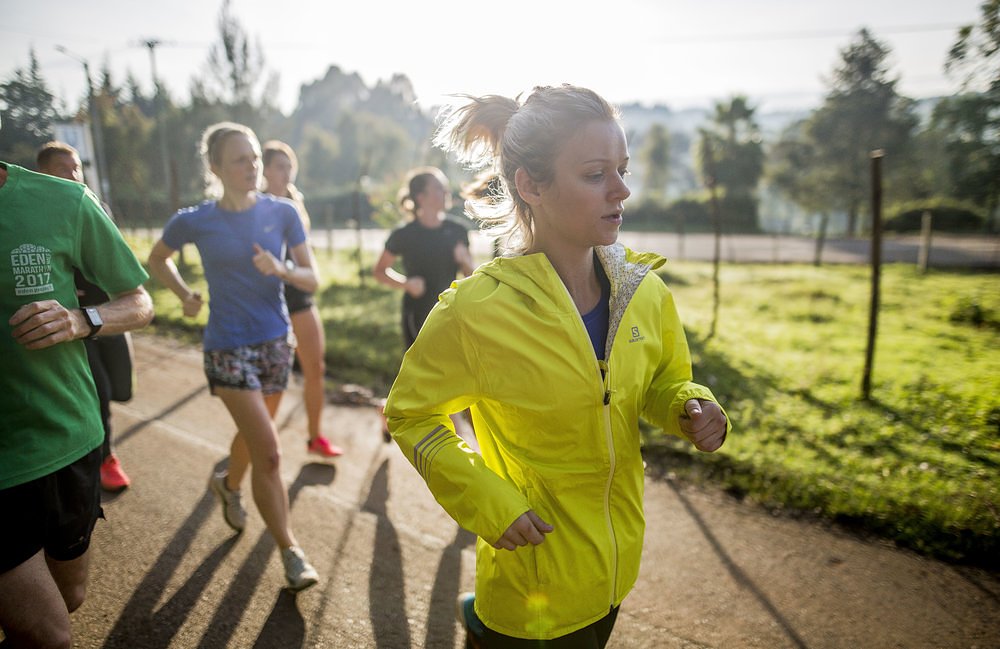
But the challenge is different because of what came before it. Every kilometre carries the weight of the week, and we have seen time and time again that runners stop worrying about time, or their own limitations and begin to focus on why they're running, and where they are running. We encourage you to pause and take that photo. To stop at that shop and buy a mildly cold coke midway...Through these moments, the finish line is not just a personal achievement but the culmination of something shared, a week of work, connection, and presence that gives the race a meaning beyond the distance.
That is what challenge looks like when it is built on community, culture, and commerce. It is not the point of the week. It is the celebration of it.
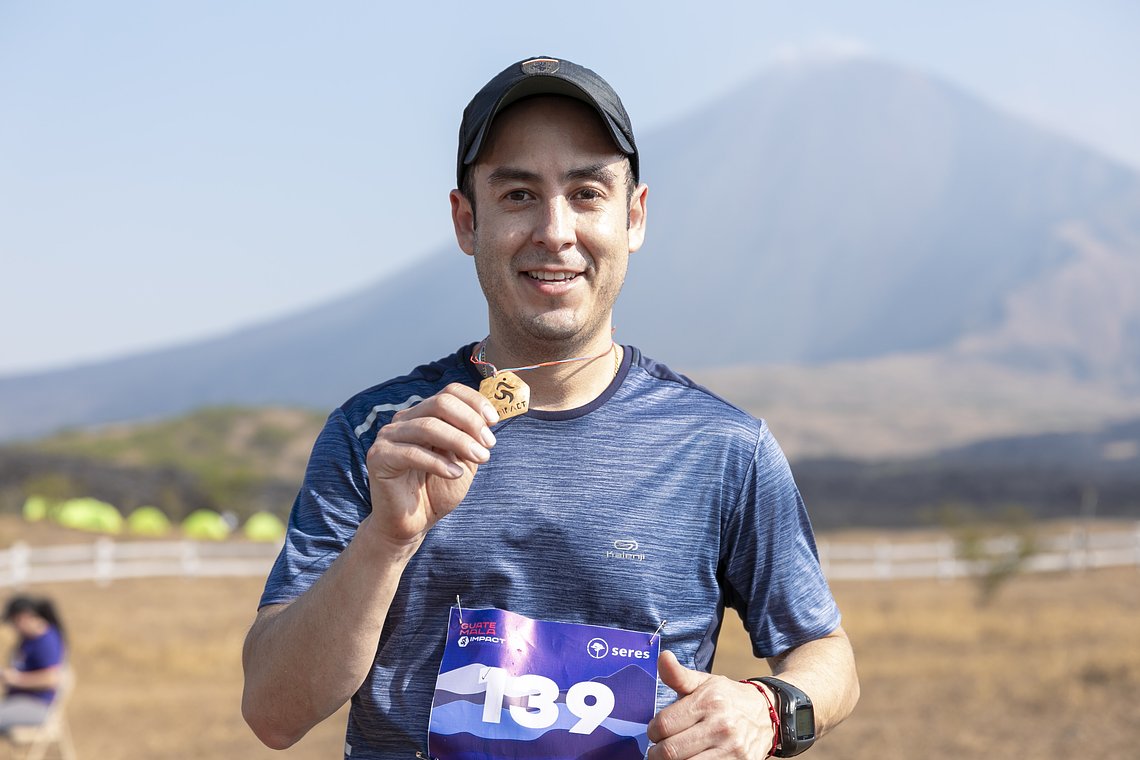
We have watched this happen at every event we have run. Runners who crossed the line in tears, not from exhaustion but from the accumulated force of the week arriving in a single moment. Runners who said their marathon was slower than their personal best but meant more than any race they had ever run. Runners who came for the race and went home carrying something they did not know they needed.
The challenge is real. The trails are hard. The altitude demands respect. The distances test you. But the reason you remember it ten years later is not the time on your watch. It is the sensory garden you helped build, the conversation you had on the bus, the child who gave you a banana at kilometre twenty-three, and the knowledge that your entry fee funded something that will outlast your finish line photograph.
The order matters
Community. Culture. Commerce. Challenge.
Each pillar supports the one above it. Without community, culture becomes tourism. Without culture, commerce becomes extraction. Without commerce, challenge becomes performance. And without challenge, the week lacks the physical crucible that bonds a group together and gives the experience its crescendo.
Get the order right, and something extraordinary happens. The race becomes more than a race. The volunteering becomes more than volunteering. The travel becomes more than travel. The week becomes something whole, a single, intentional experience where every element serves every other element.
That is an Impact Week. That is what the Four Cs protect.
---
Impact Marathon Series runs small-group, founder-led running weeks in Rwanda, Nepal, Jordan, and Guatemala. Every week is built on the Four Cs: Community, Culture, Commerce, Challenge.
Explore our upcoming races at impactmarathon.com
Let's go again. Let's run together, with others, for others.