Mon 27 Jul 2026 • Nick Kershaw
Impact Marathon: who we are, and the numbers behind it
SHARE THIS POST
Eleven years, nine countries so far. The clearest account of what we do, and the facts to go with it.
I get asked to explain Impact Marathon at parties, on podcasts, and by immigration officers who want to know why I am carrying 1,200 flags in a duffel bag. The answer is always the same, and it is simpler than people expect.
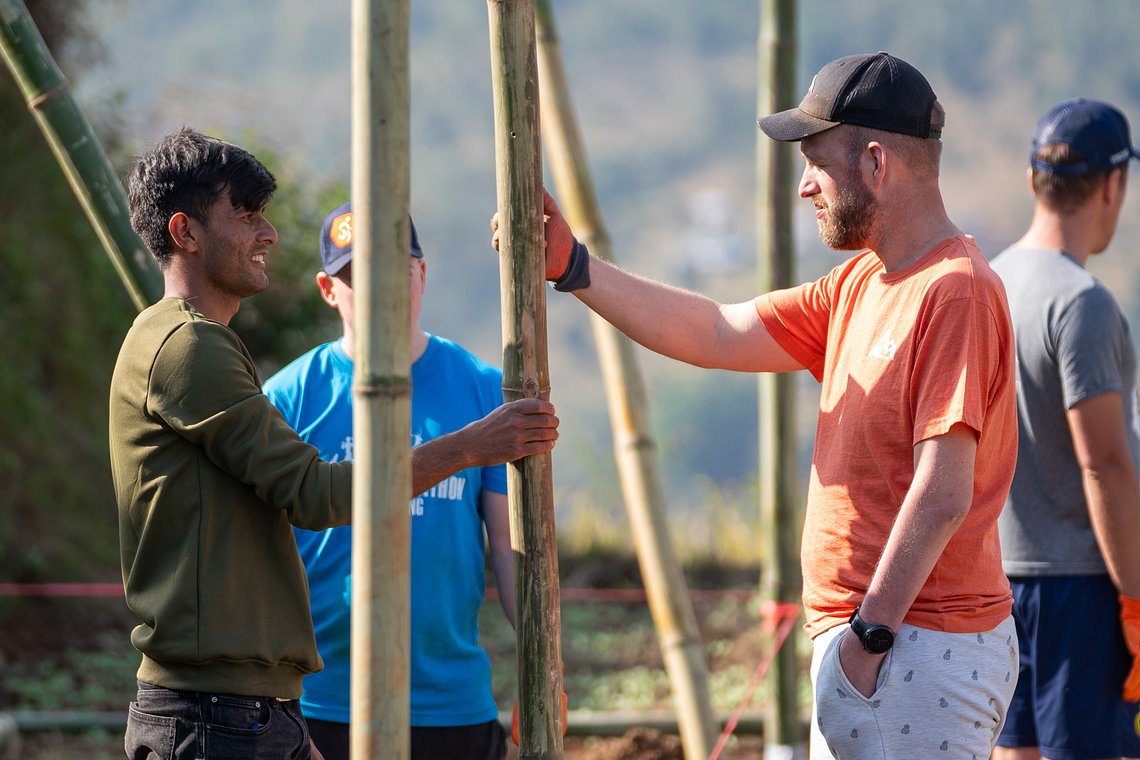
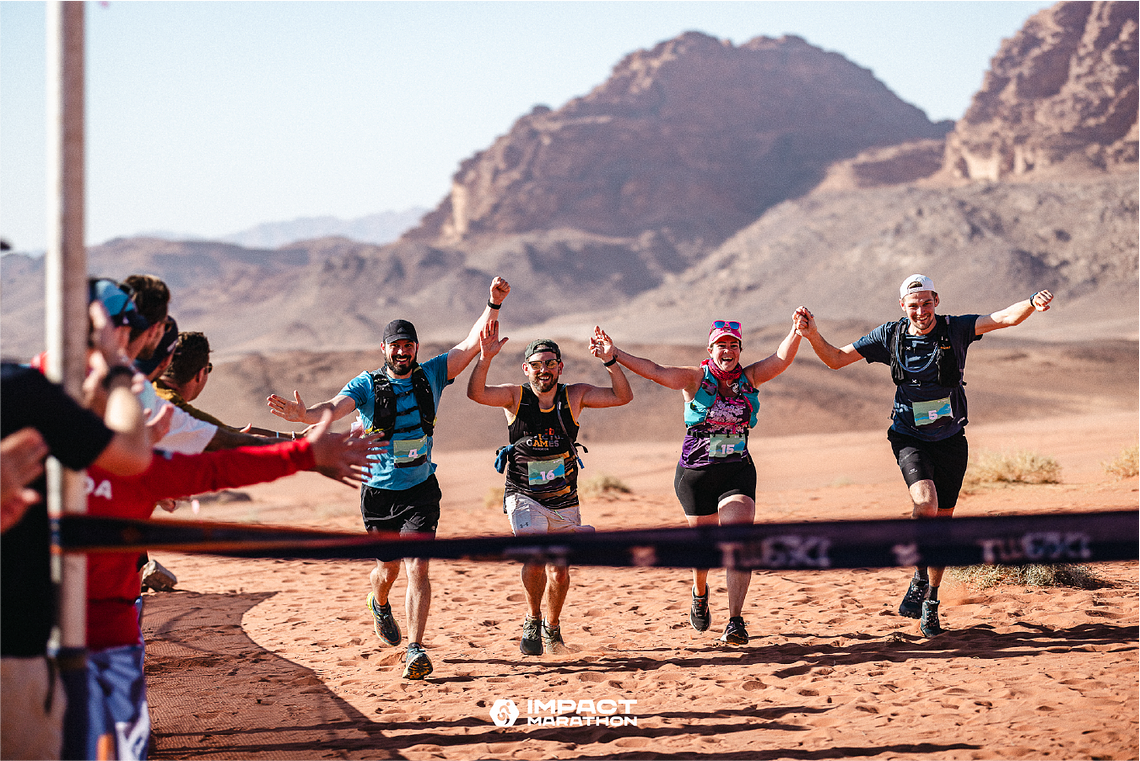
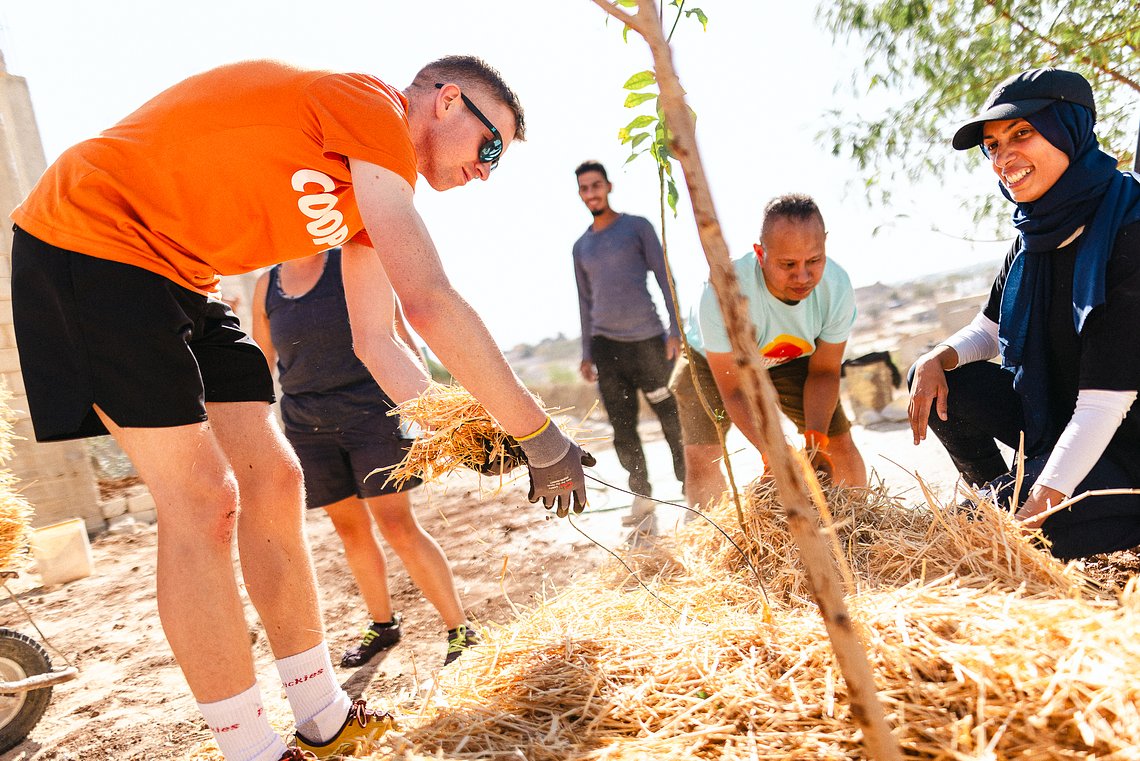
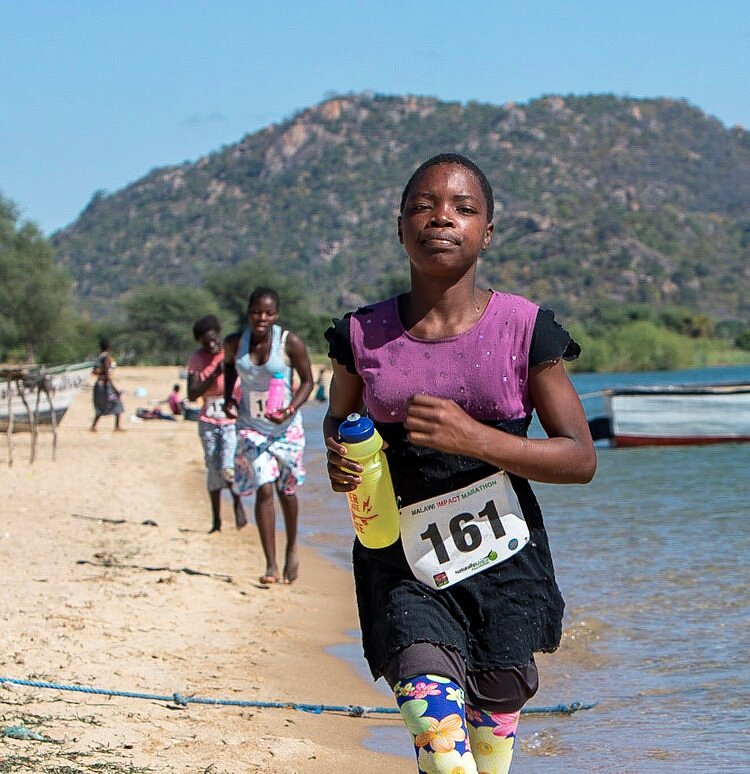
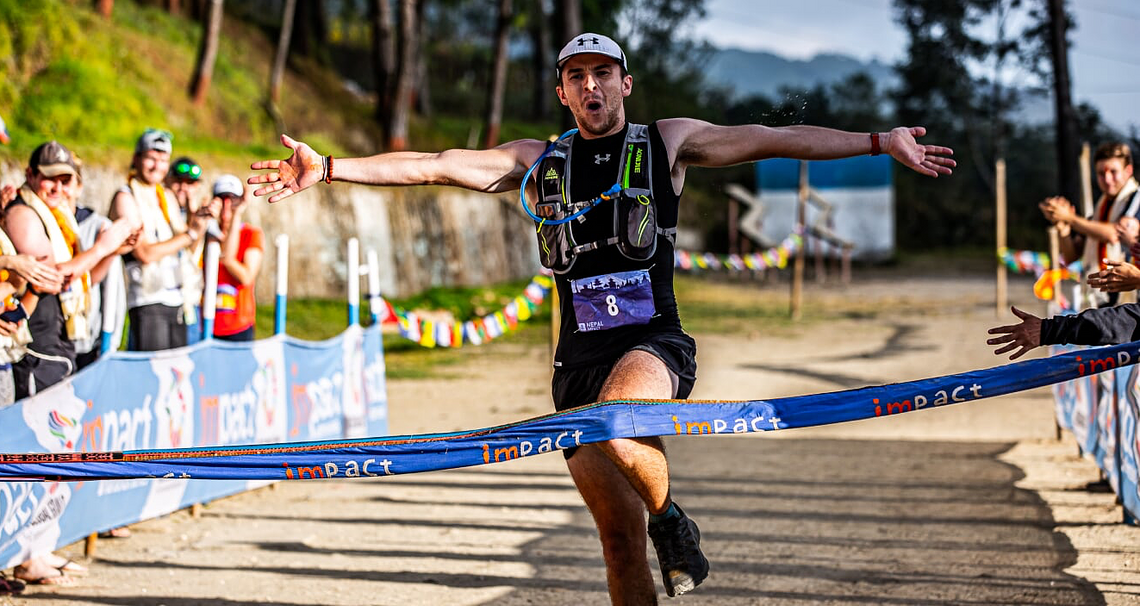
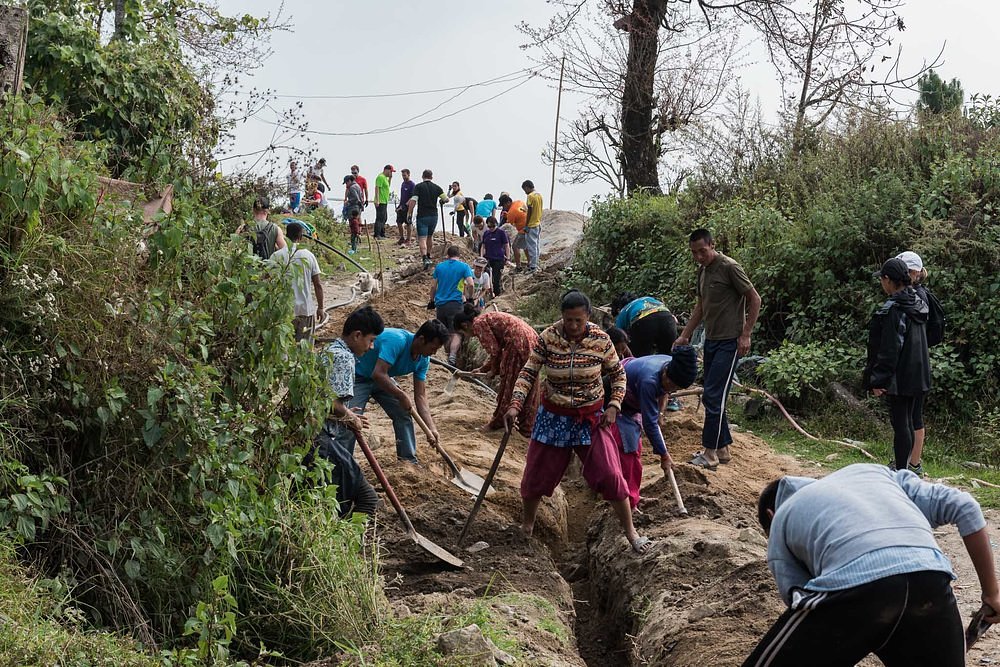
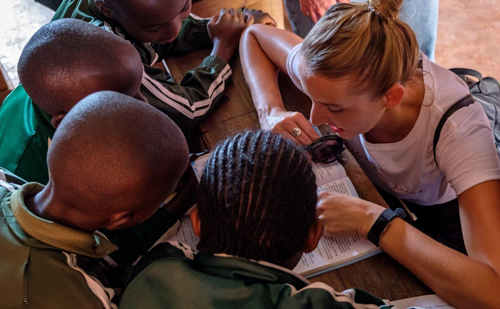
We are a running organisation that builds its races around the communities that host them. You come for a week. You work alongside the community on a project they have chosen. Then, on the final day, you race. The race is the celebration of the week, not the reason for it. We call it the Victory Lap, and it is the thing that makes us different from every other event you could book.
That is the whole idea.
Obviously there are intricacies, methodologies and principles that run through how we operate, and how we make sure our races are genuinely powerful for runners and community alike. But that can be seen throughout our blogs here.
What Impact Marathon is
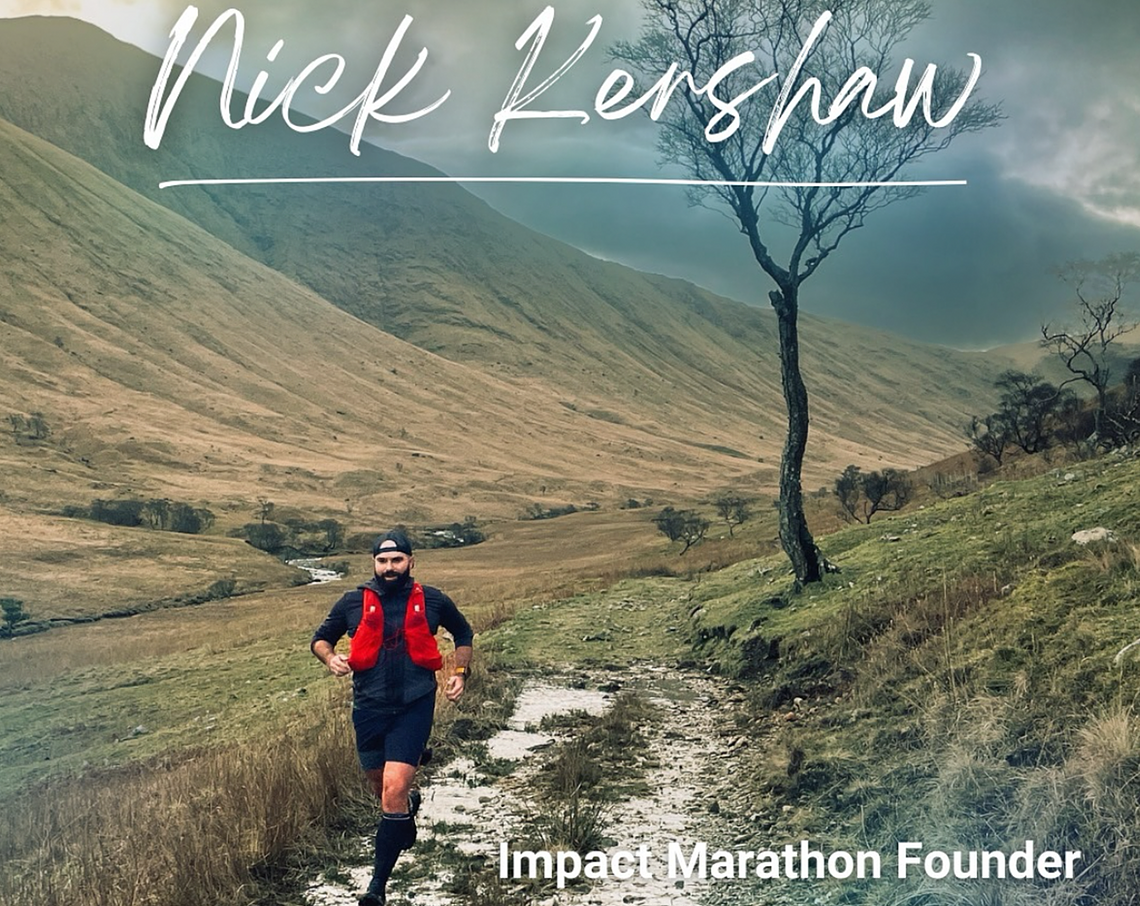
Impact Marathon Series is a British company, founded in 2015. I left a job in finance in the City of London to start it. I had just set up the Uganda Marathon and seen the impact it had in Masaka town, and I realised there was a unique power in what a race like this could do for a community. I wondered what it would look like to take that blueprint and spread it across the globe. So I wrote up a business plan, a list of countries where running could actually do something useful, and booked a flight to Kathmandu.
Contrary to what sometimes gets shared, we are a company, and we have a foundation that runs alongside it. Why are we set up that way? Because it allows us the flexibility to move anywhere, handle all our logistics in one place, and grow a sustainable business for good, while all fundraising is handled by our partners at GivingWorks to ensure every pound raised goes to the projects and is aligned with the regulations of the Charity Commission. I am proud of this set-up. It gives us the best of both worlds, and it creates a wall that means no fundraising is ever used to deliver the logistics of a race. What you raise goes straight to the charity.
We run week-long events called Impact Weeks. Each one combines hands-on community project work, cultural immersion, and a trail race on the final day. We are not a race with volunteering bolted on, and we are not a volunteering trip with a run at the end. The week is designed as one thing, in that order, on purpose.
Every project is chosen by the community, delivered with long-term local partners, and continues long after we fly home. We are not the team that delivers a project, or even works in the community year round. We partner with organisations set up to be driving change 365 days a year. Because of this, we do not build things and leave. Our partners continue to ensure the maintenance, efficacy and power of every project we work on. We arrive into work that already exists, contribute to it, and fund it. We back great leaders to do great things.
The numbers
Eleven years of operating, since 2015.
First race, Nepal, 2016.
Twenty six events delivered, from a group of four runners to a field of 120.
More than 3,000 runners have taken part, from all over the world.
Almost $2 million raised by our runners, with every allocation chosen by the communities themselves.
We have worked across nine countries: Nepal, Kenya, Guatemala, Malawi, Jordan, Scotland, Ethiopia, Colombia and Rwanda.
Four races currently run each year: Rwanda, Nepal, Jordan and Guatemala.
The Democratic Republic of Congo joins in 2028 as our tenth country.
Thirty five runners is the cap on every single event, deliberately.
A full week, typically seven days, not a weekend and not a day trip.
The four races we run today
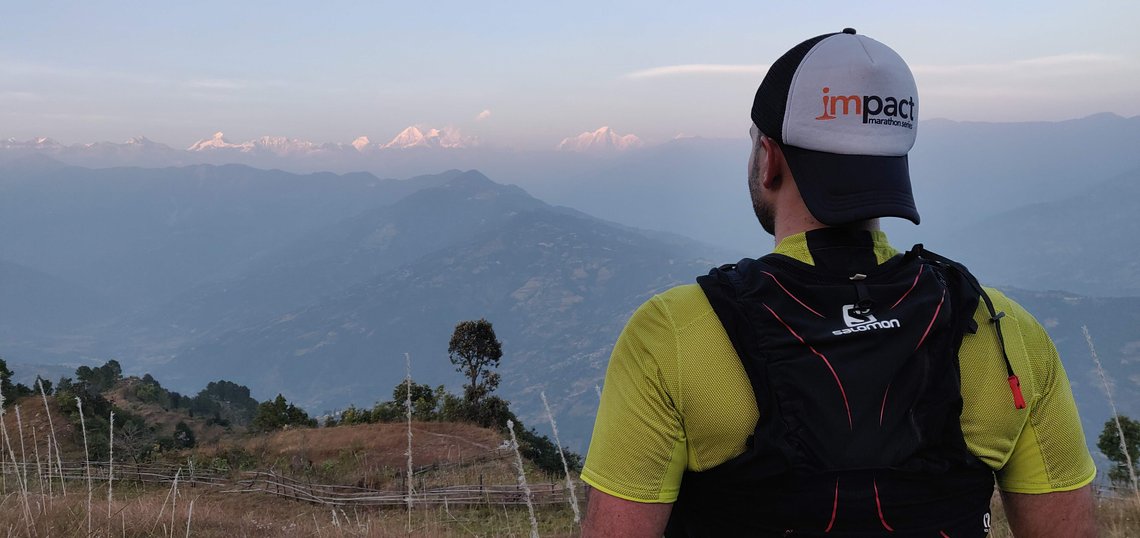
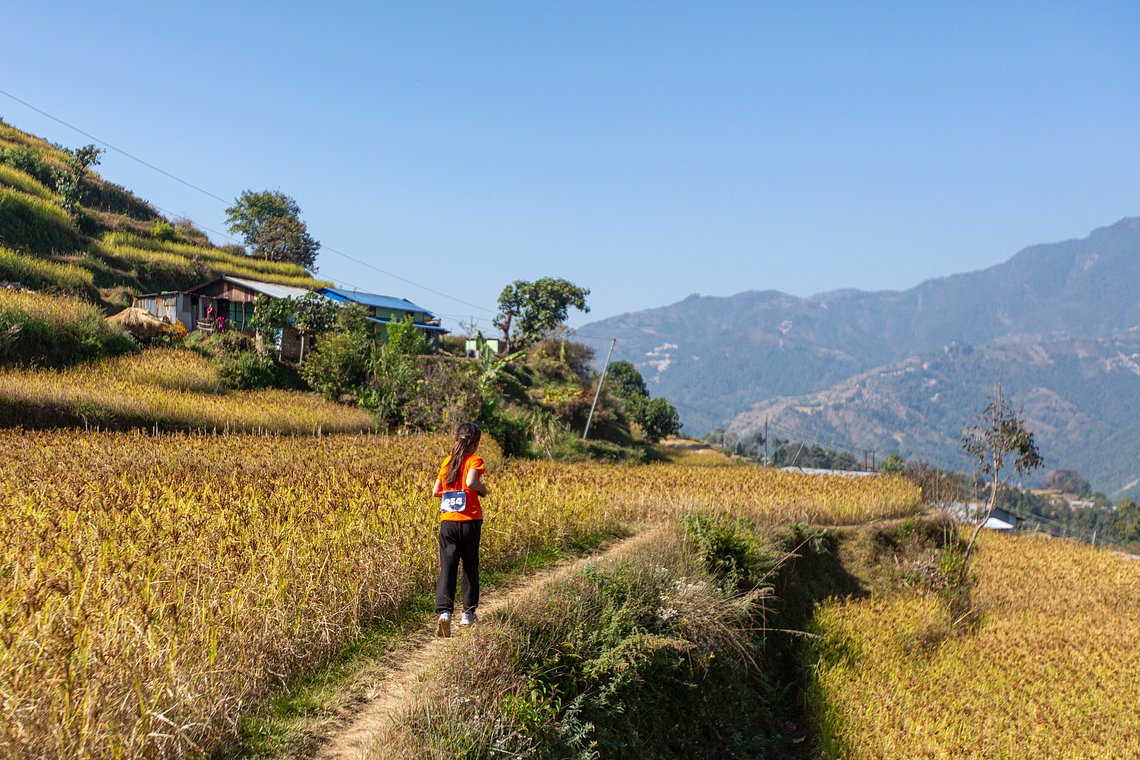
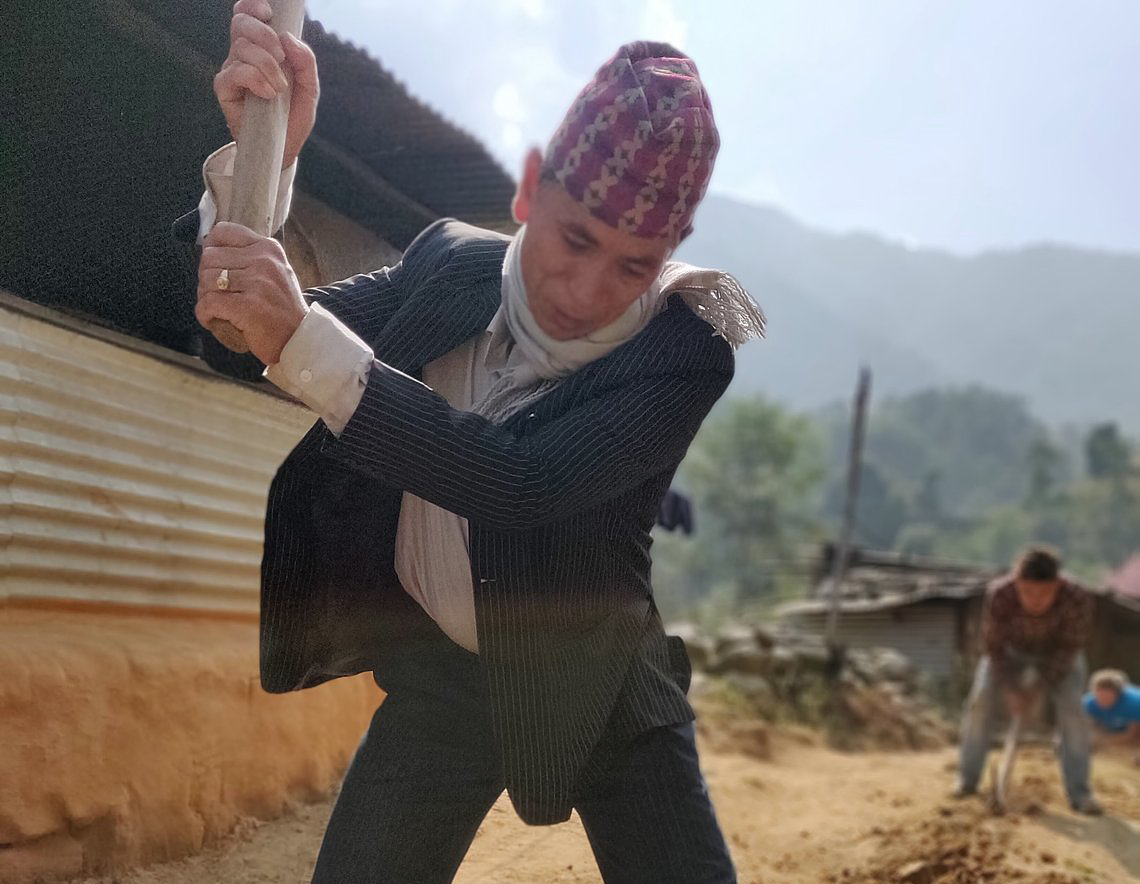
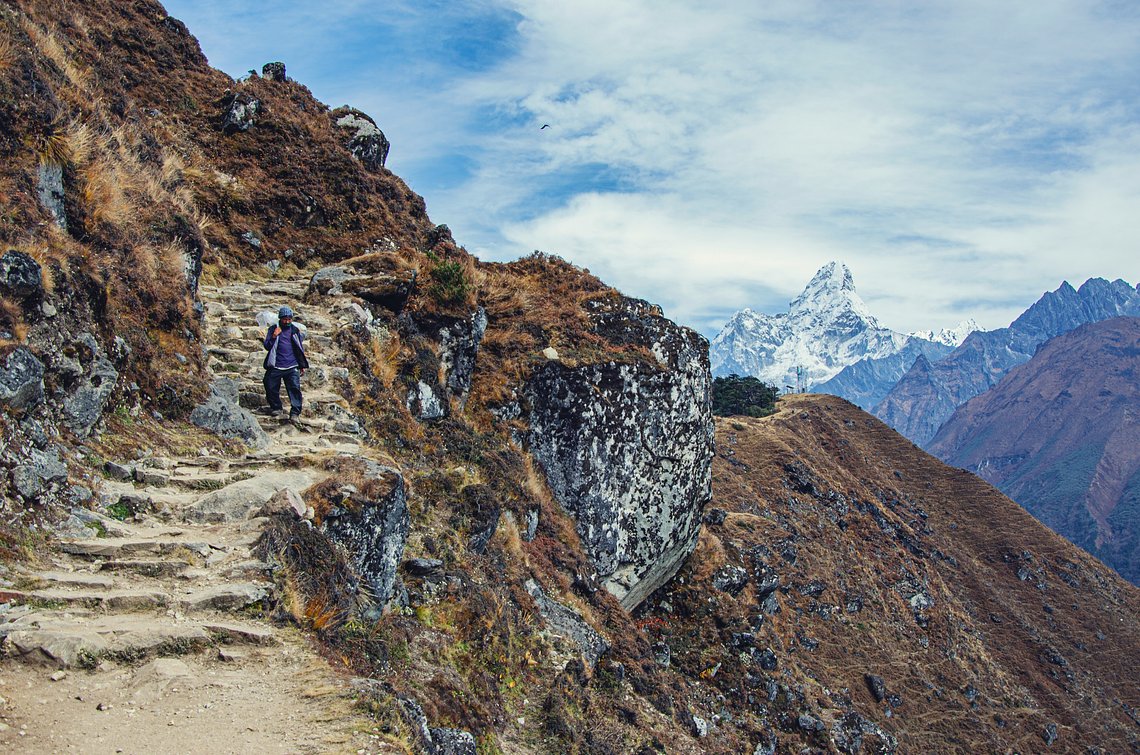
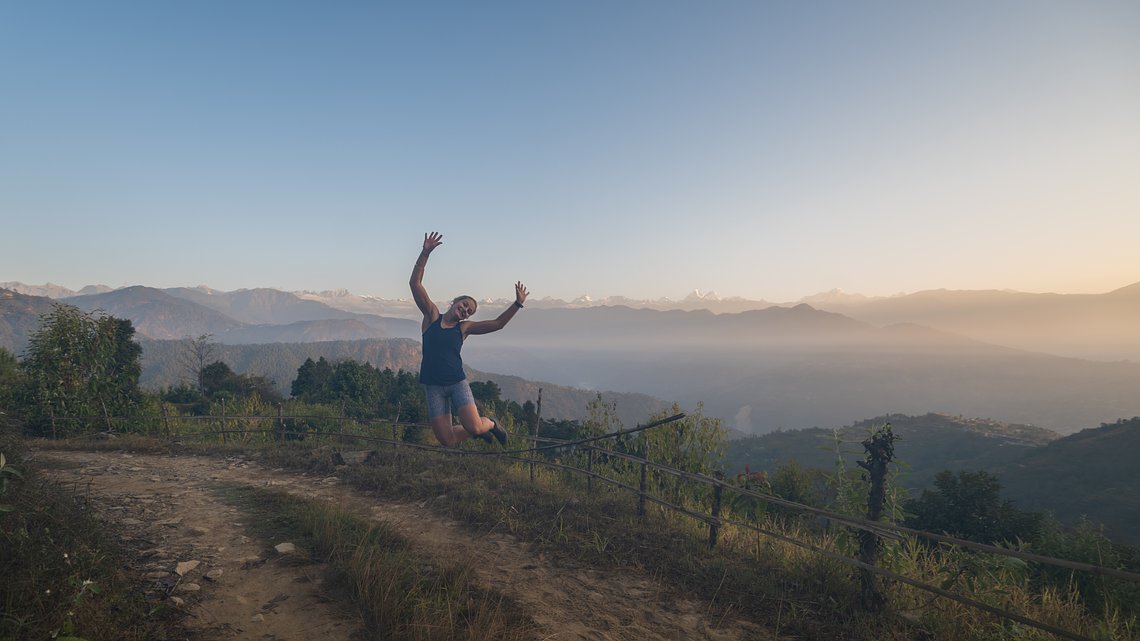
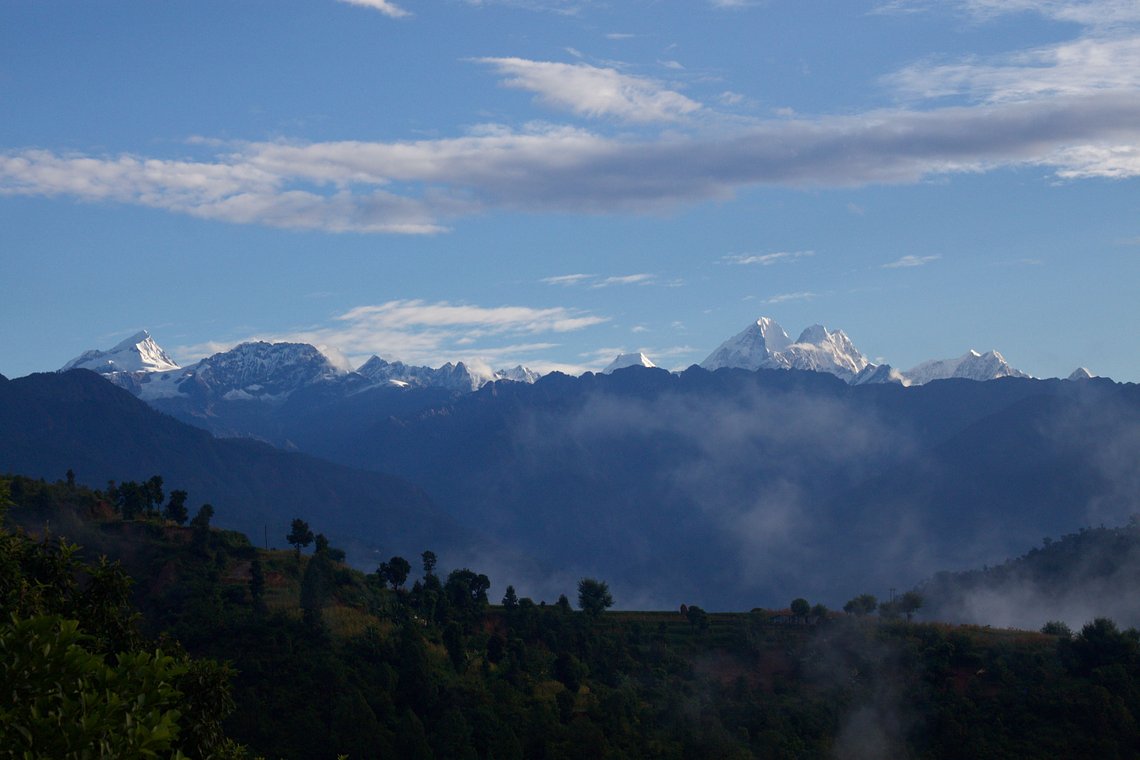
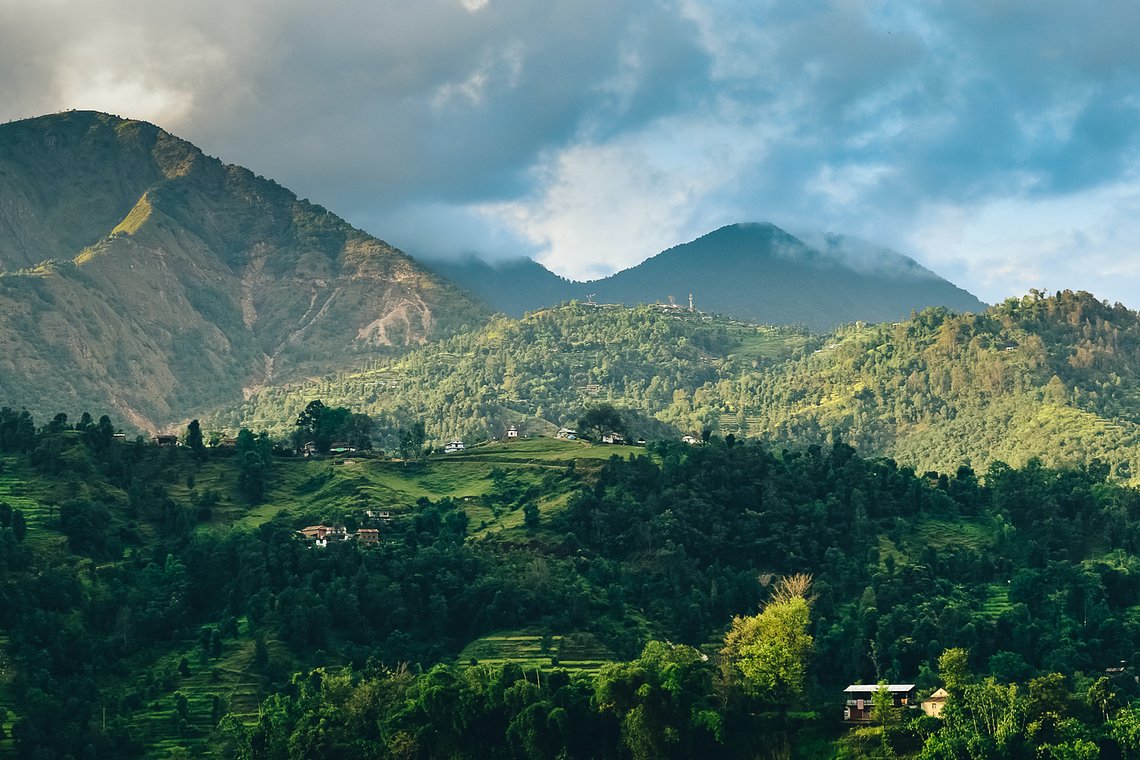
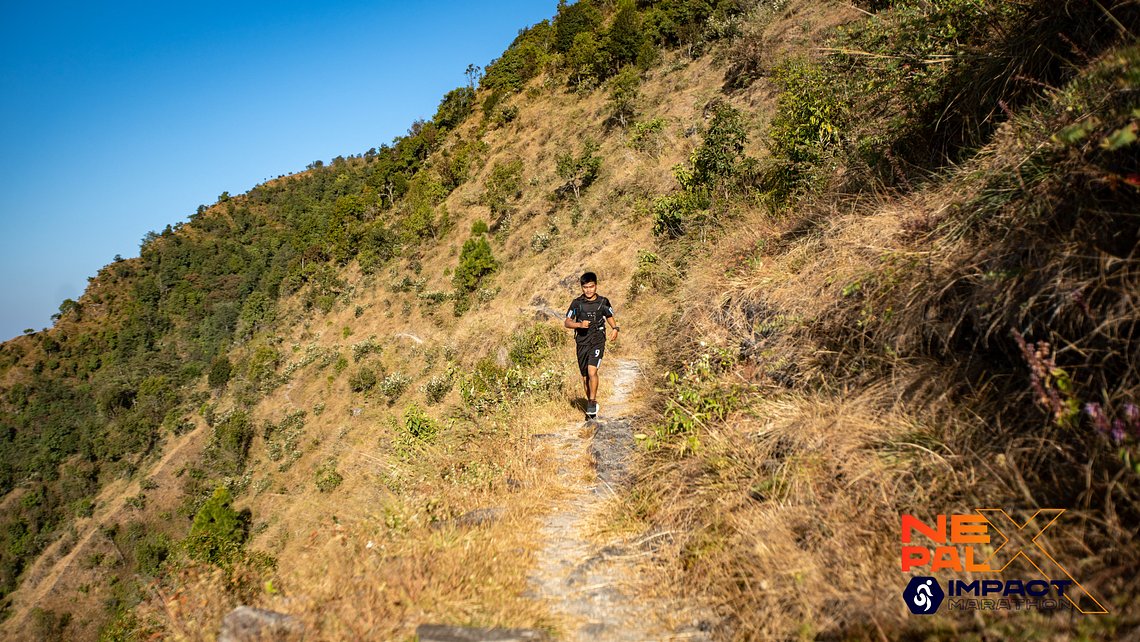
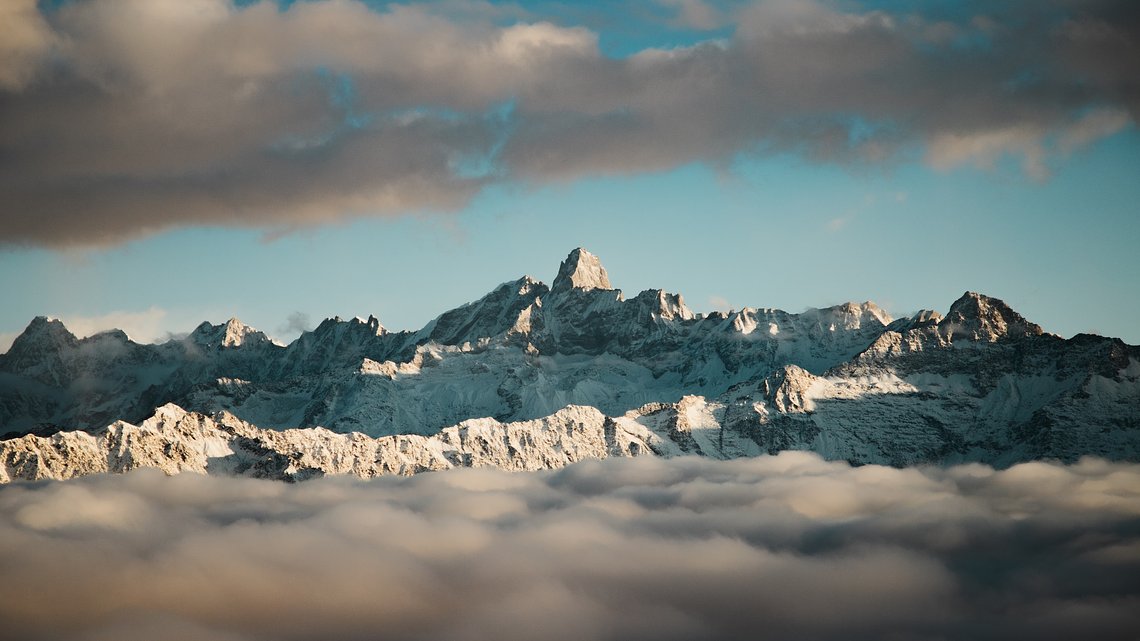
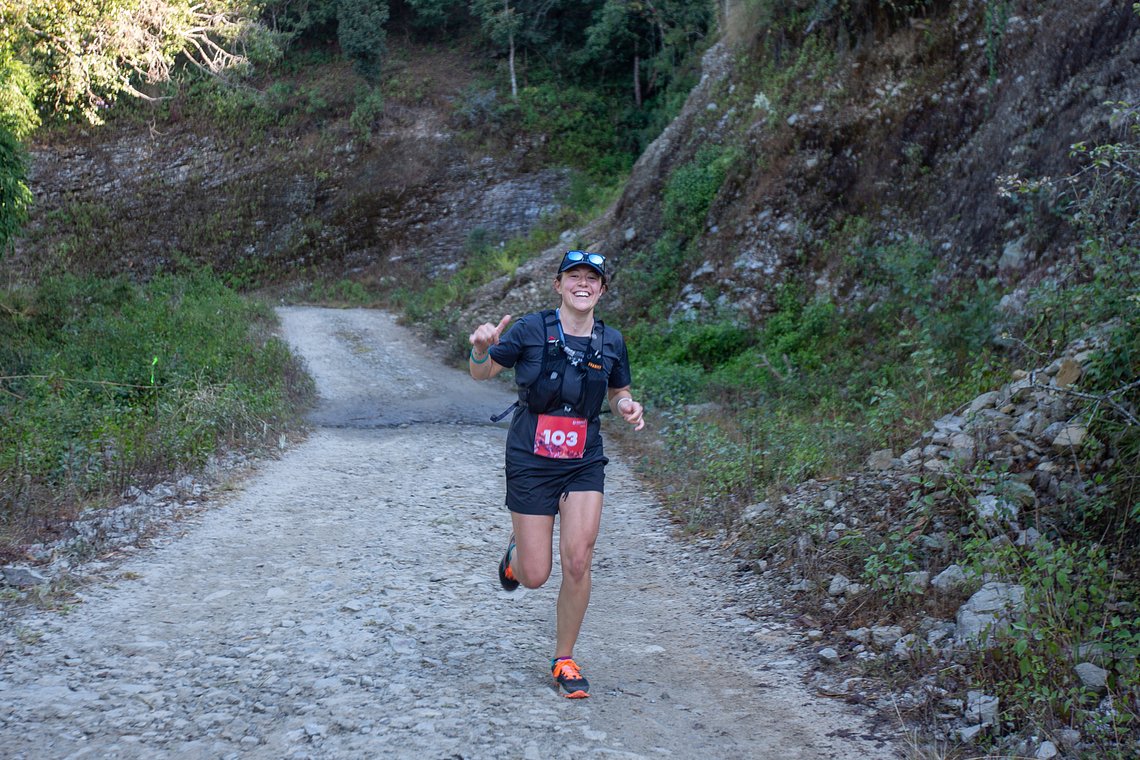
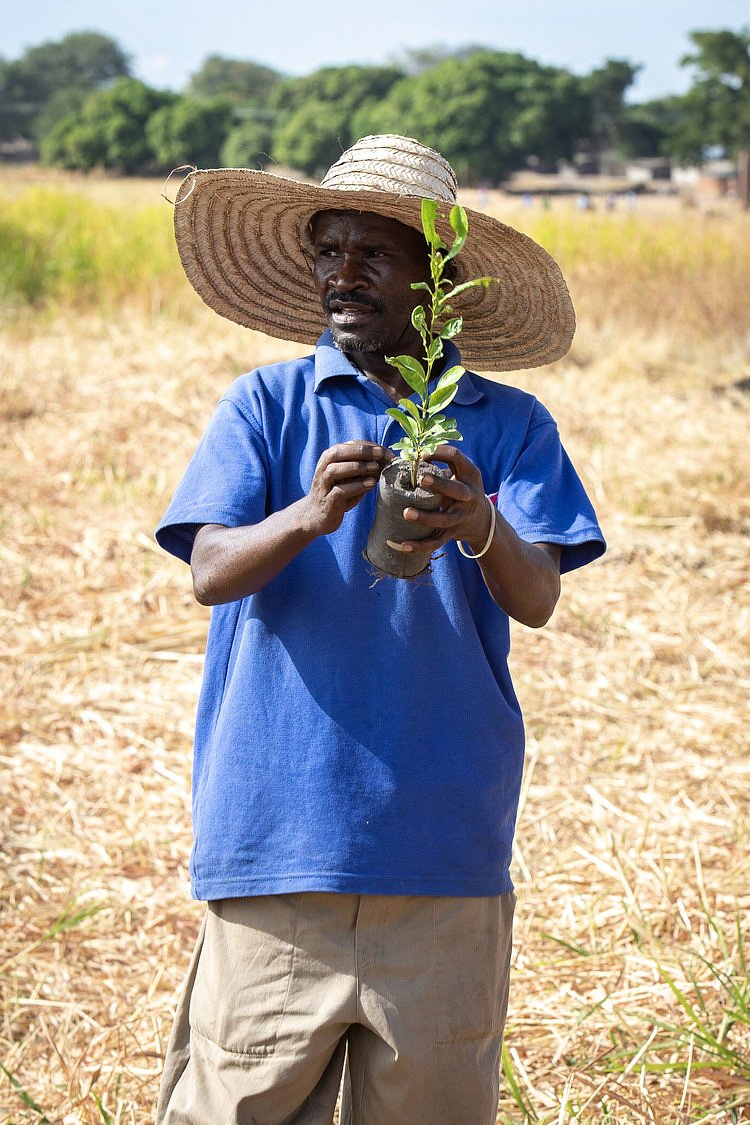
Nepal is where we began. Our first ever race, in 2016, saw 120 international runners and 120 people from the village lay a five kilometre water pipeline together by hand. Water still runs through it. After four events in our original host village of Kakani, we realised the impact and power of each project was beginning to lessen. The water project had been three years of work to get it to every single house in the community, and once that was completed the community essentially said "thank you, this is perfect, we're good from here". We had already begun work in a truly special village called Batase, in the Sindhupalchok hills. Each November we build a pop-up Athletes' Village on the terraces and race distances of 11km, 23km and 42km. Our partners there include AgriNepal, SmartPaani and BVS Nepal, our surgical partner, through whom our runners have funded over 450 life-saving and life-changing surgeries.
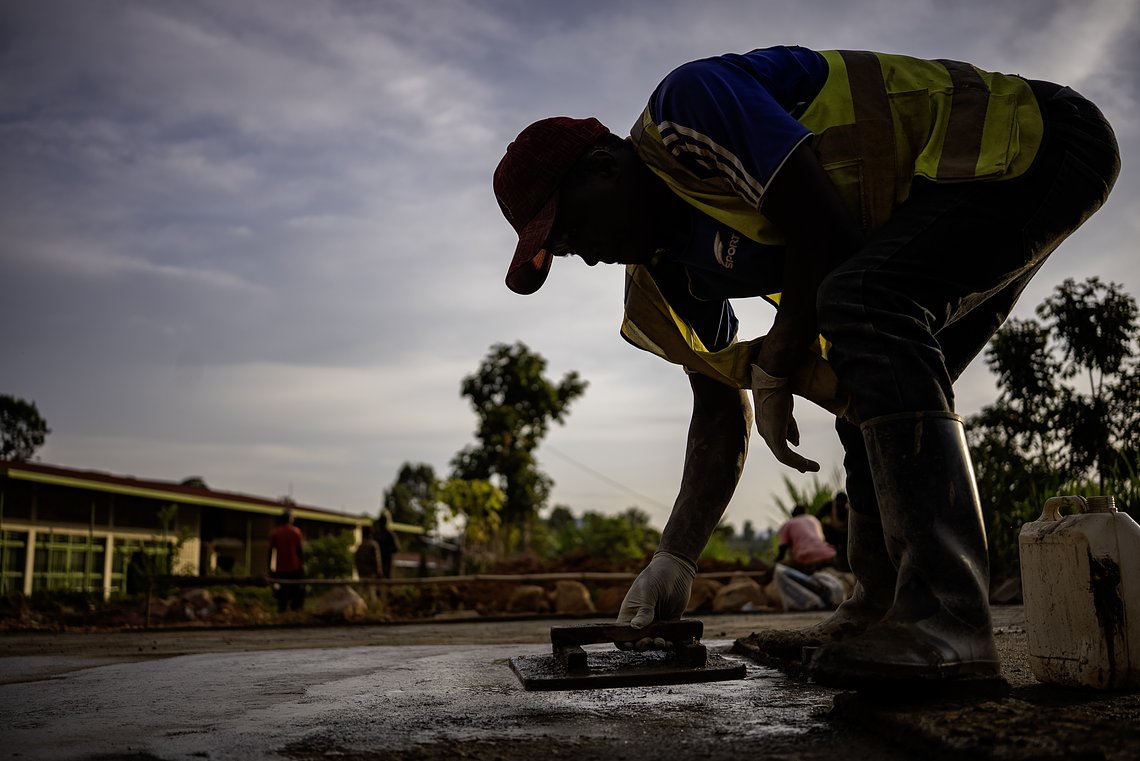
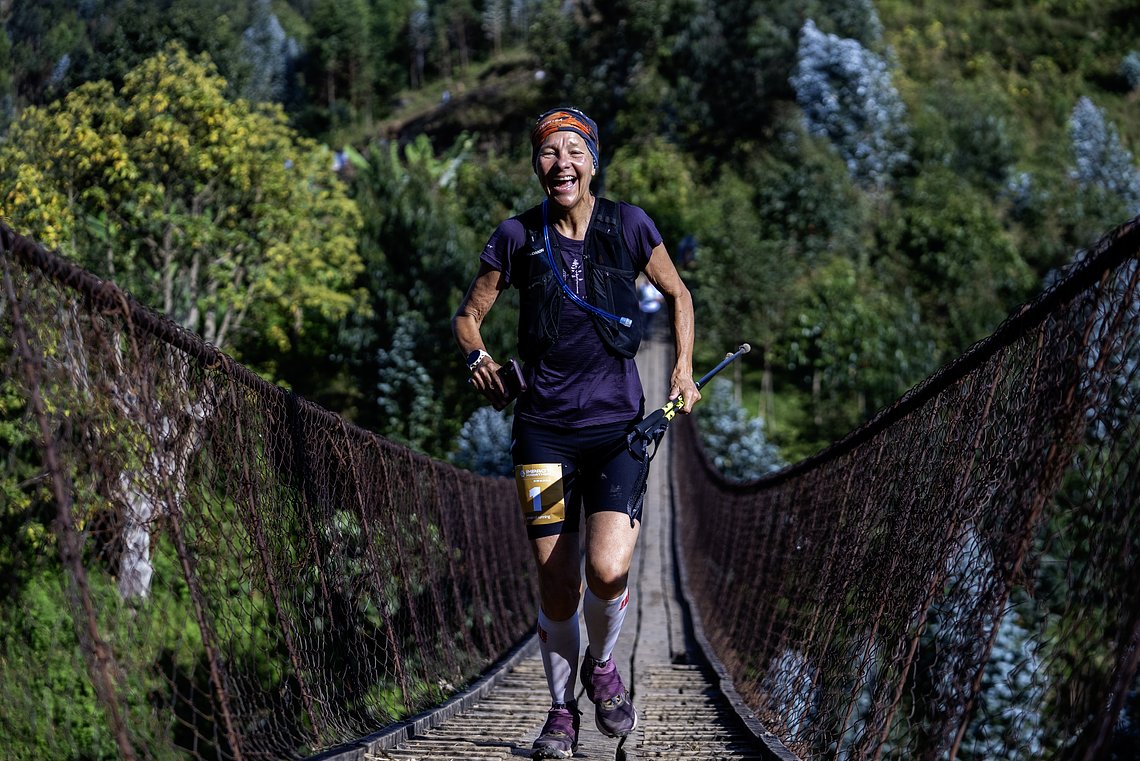
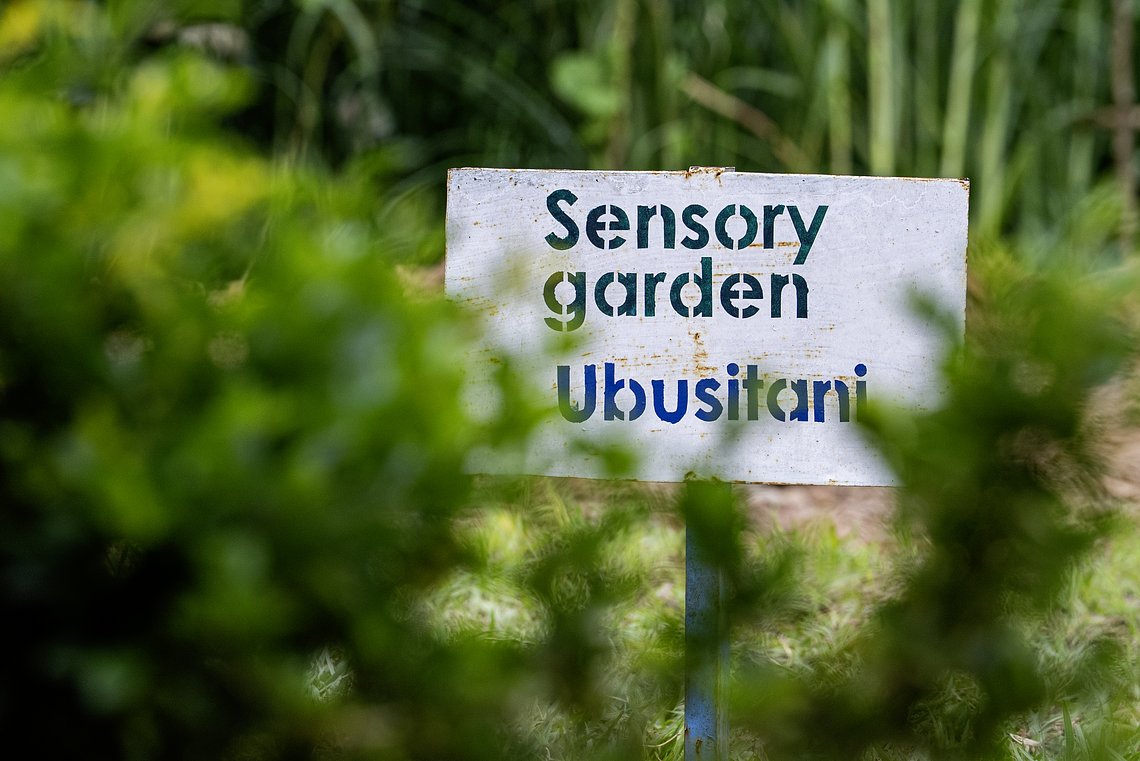
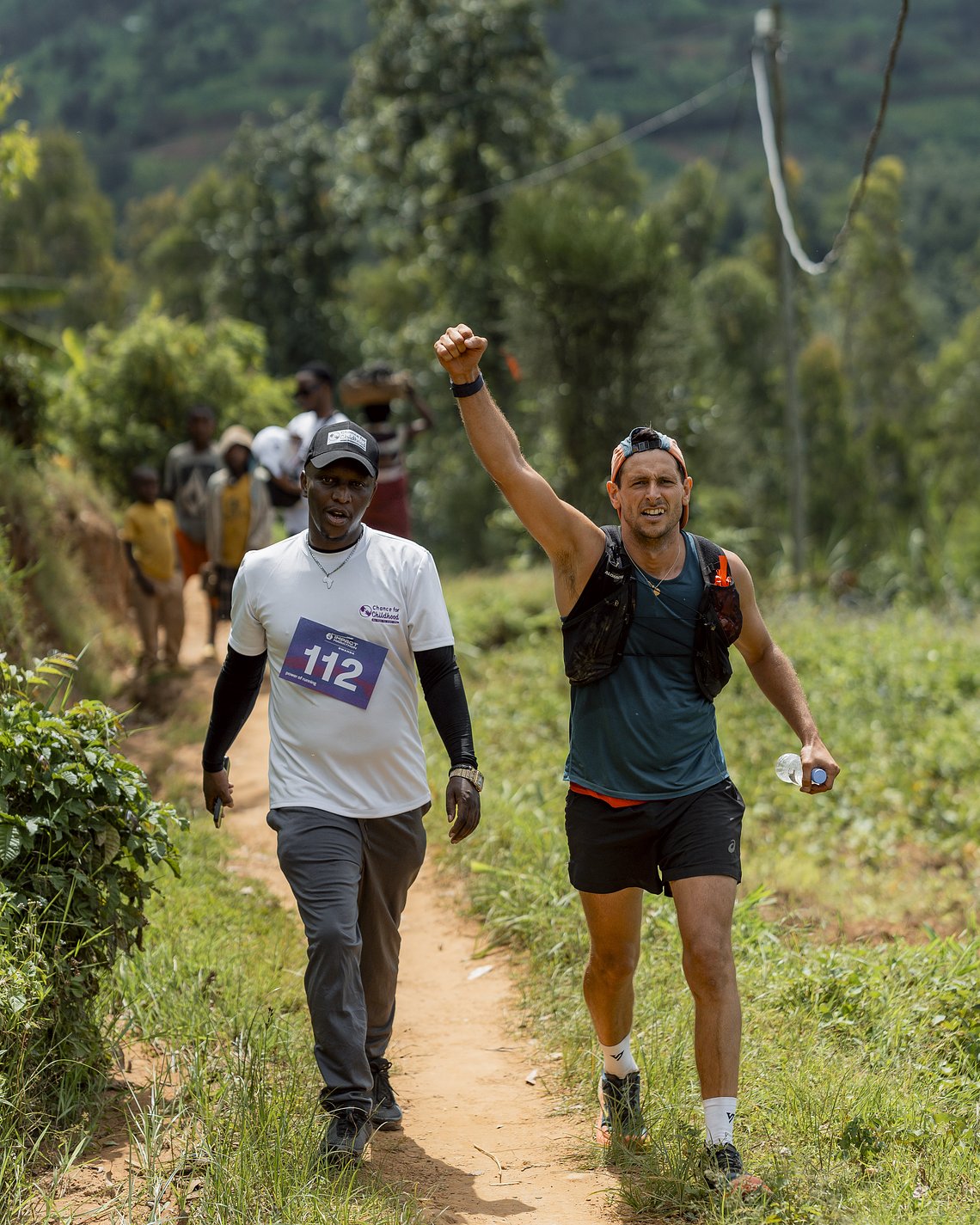
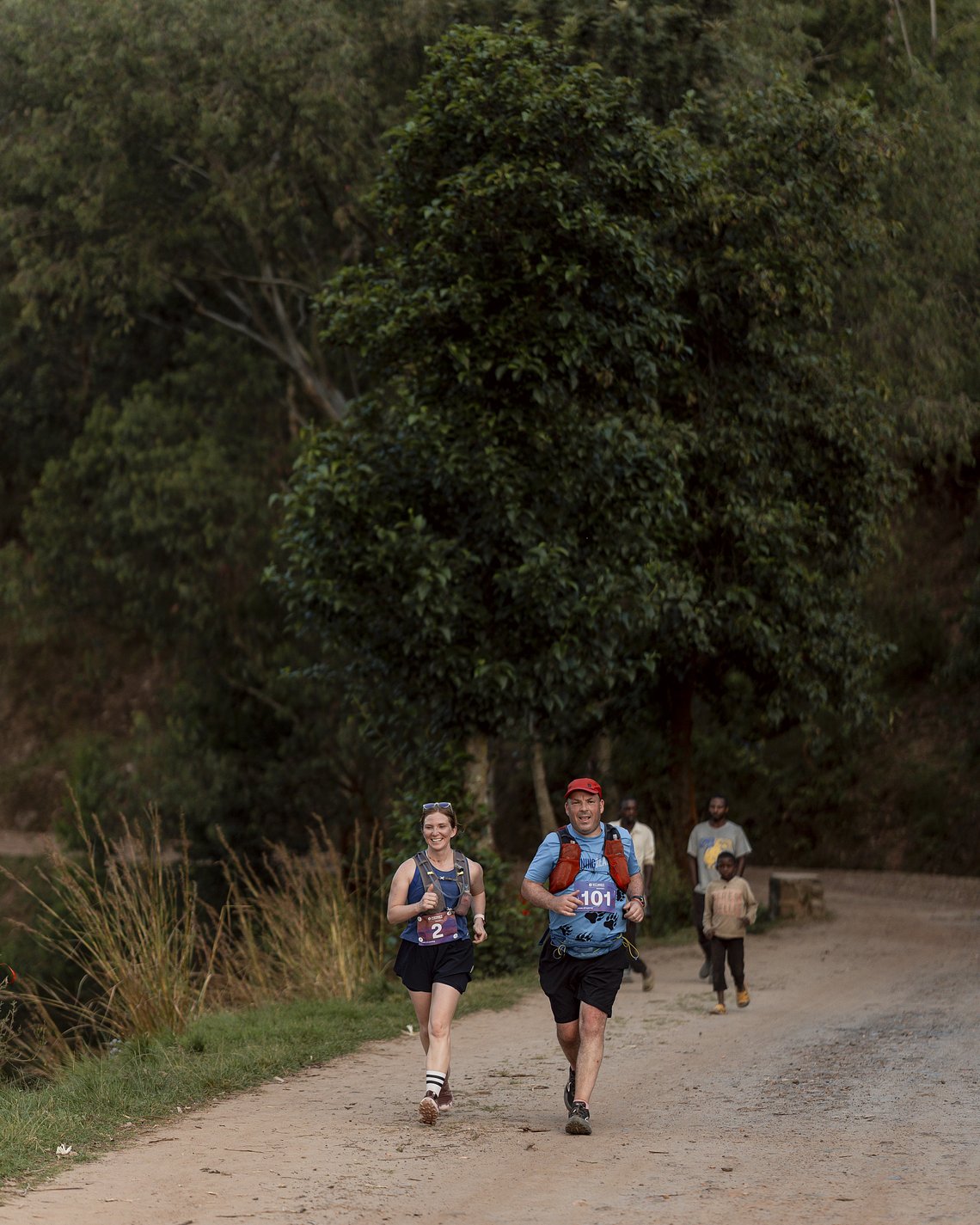
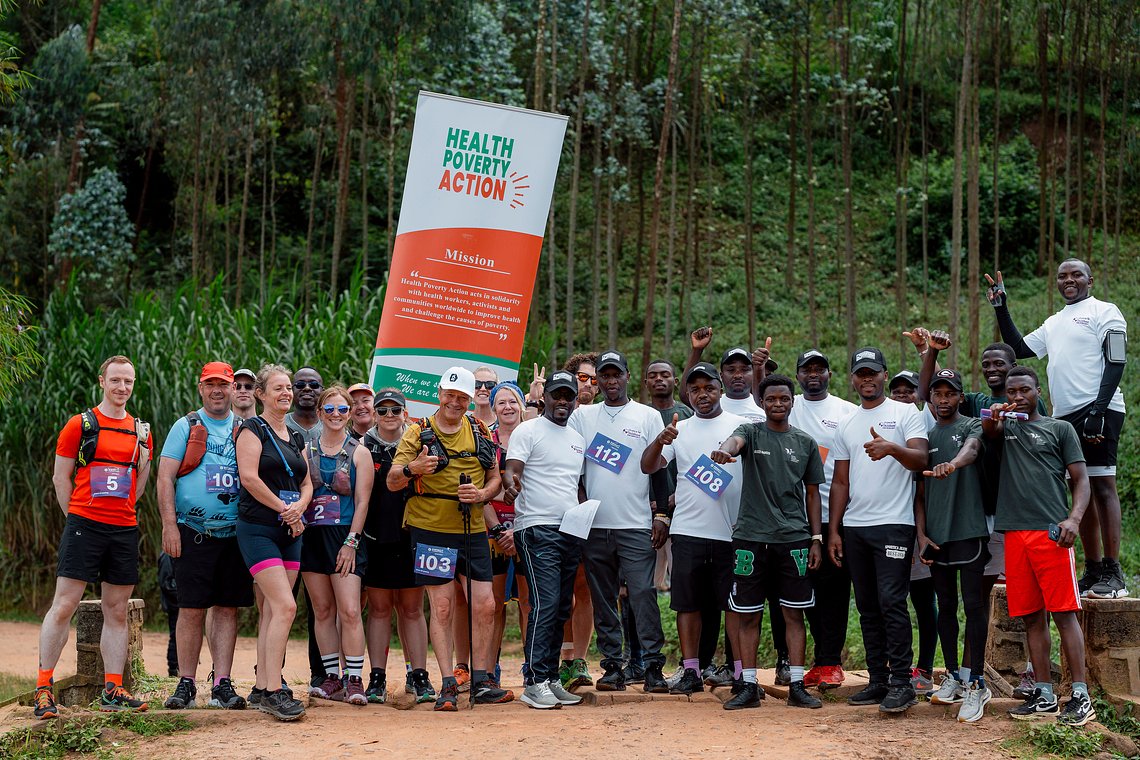
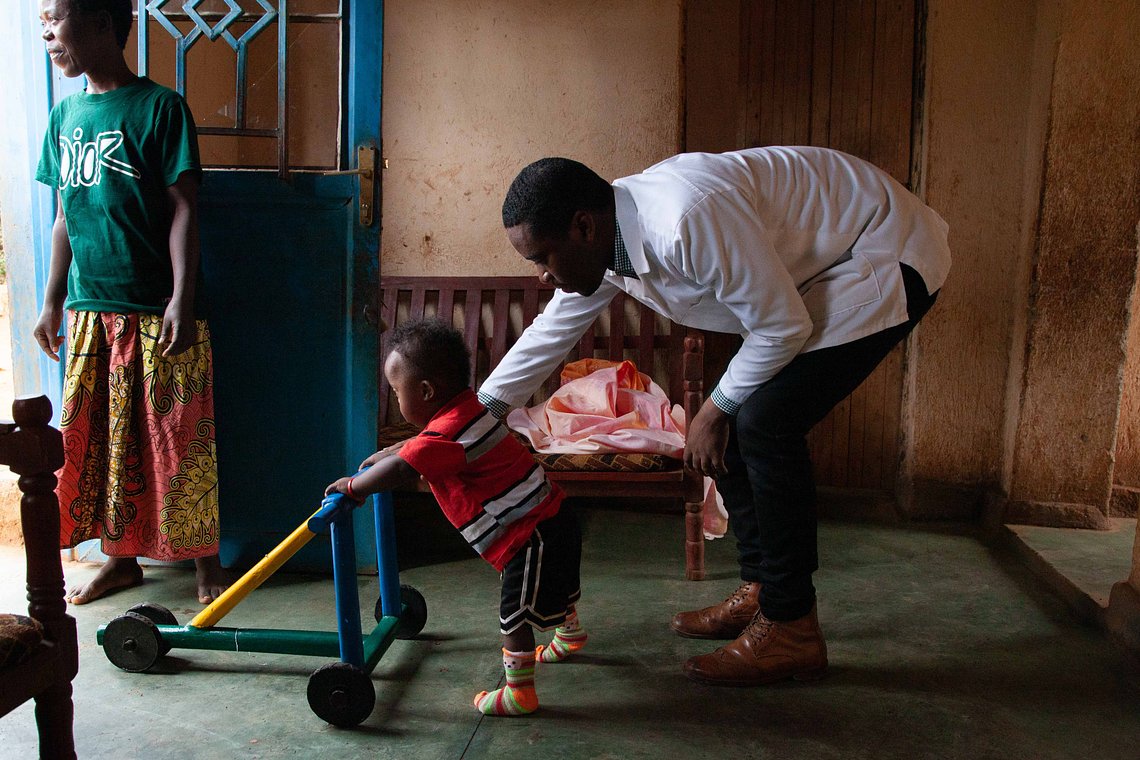
Rwanda is our newest and, in some ways, our deepest. We race in Muganza, in the south, alongside our partner MAD4Africa. In 2026 we built a sensory garden at the ASFA Physiotherapy Centre with local labourers, the parents of the children, the staff and even the local police. It gave 25 children with disabilities their first usable outdoor space, over 200 metres of smooth paths on hills where the dirt roads make a wheelchair useless. The 2027 race runs from 14 to 20 June with four distances, including our first ever 55km ultramarathon.
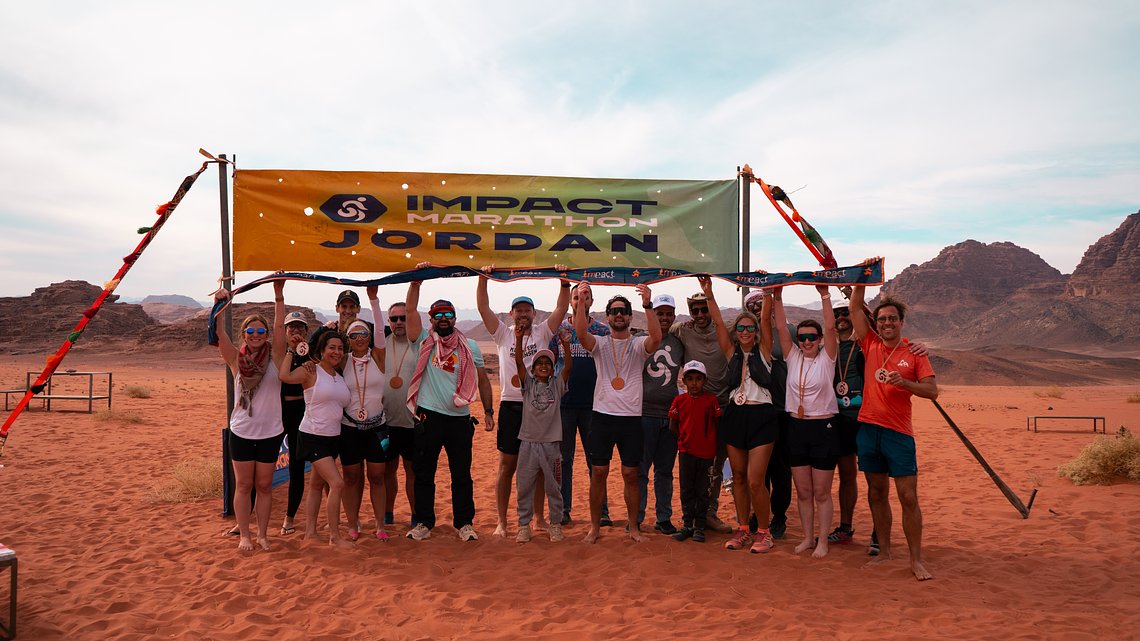
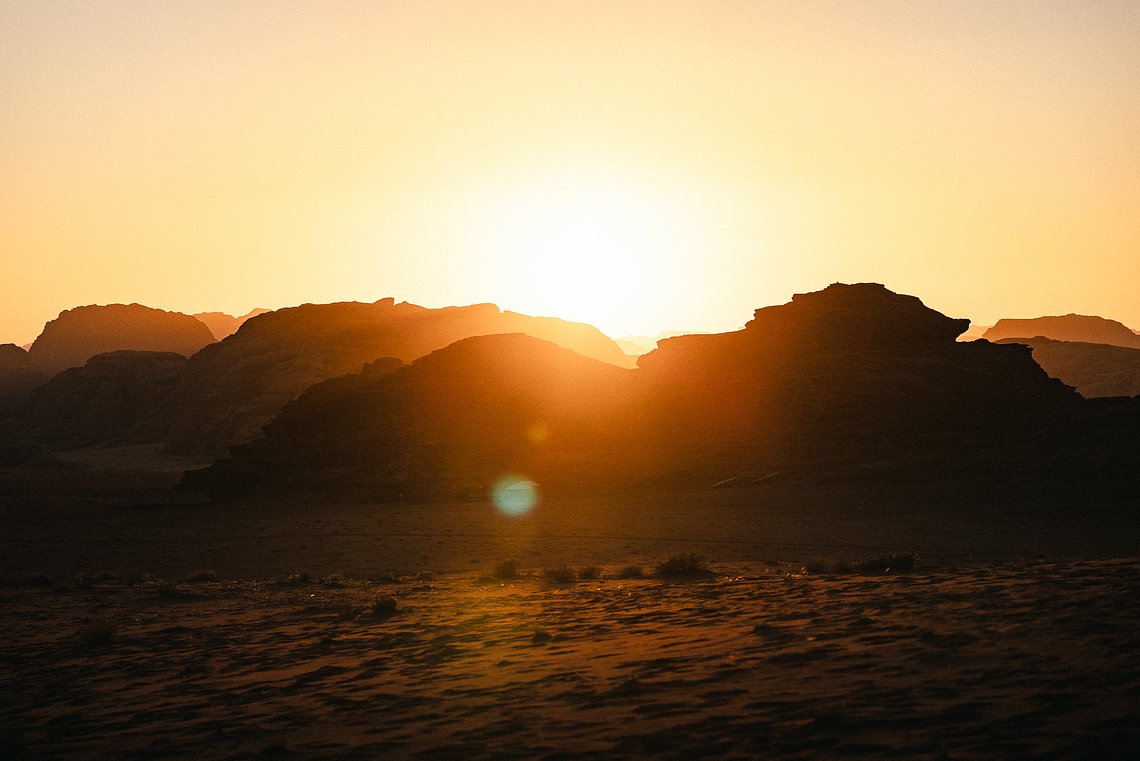
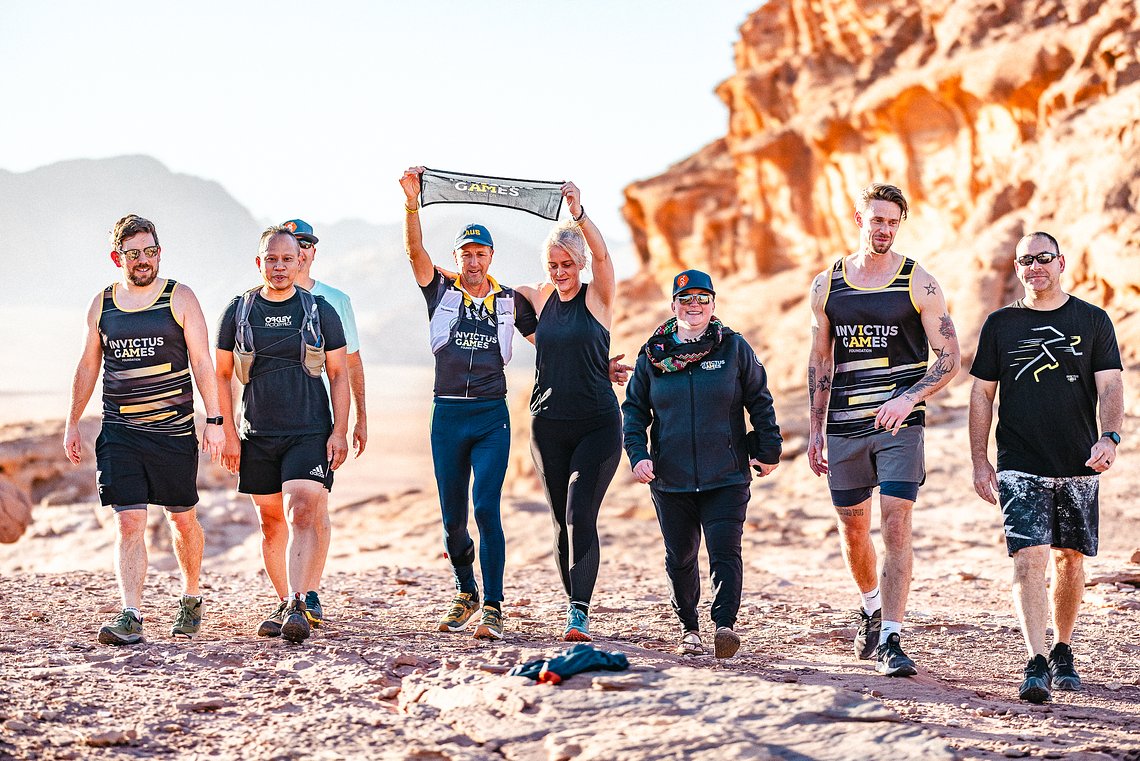
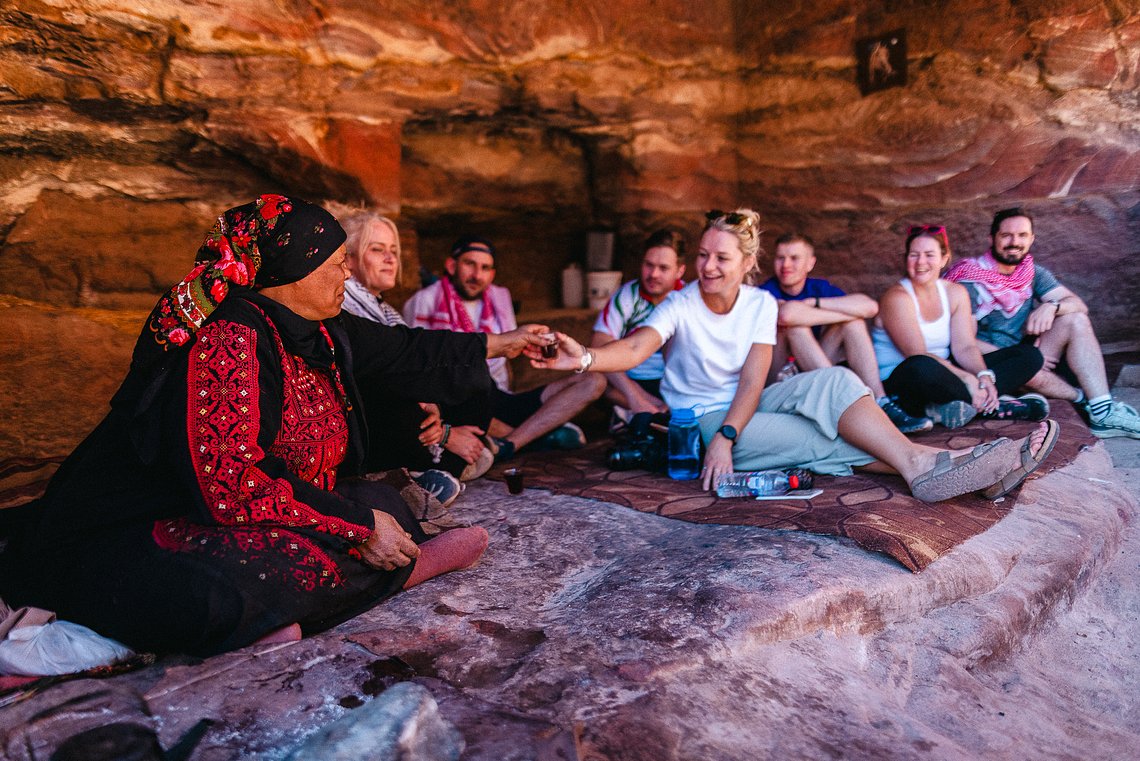
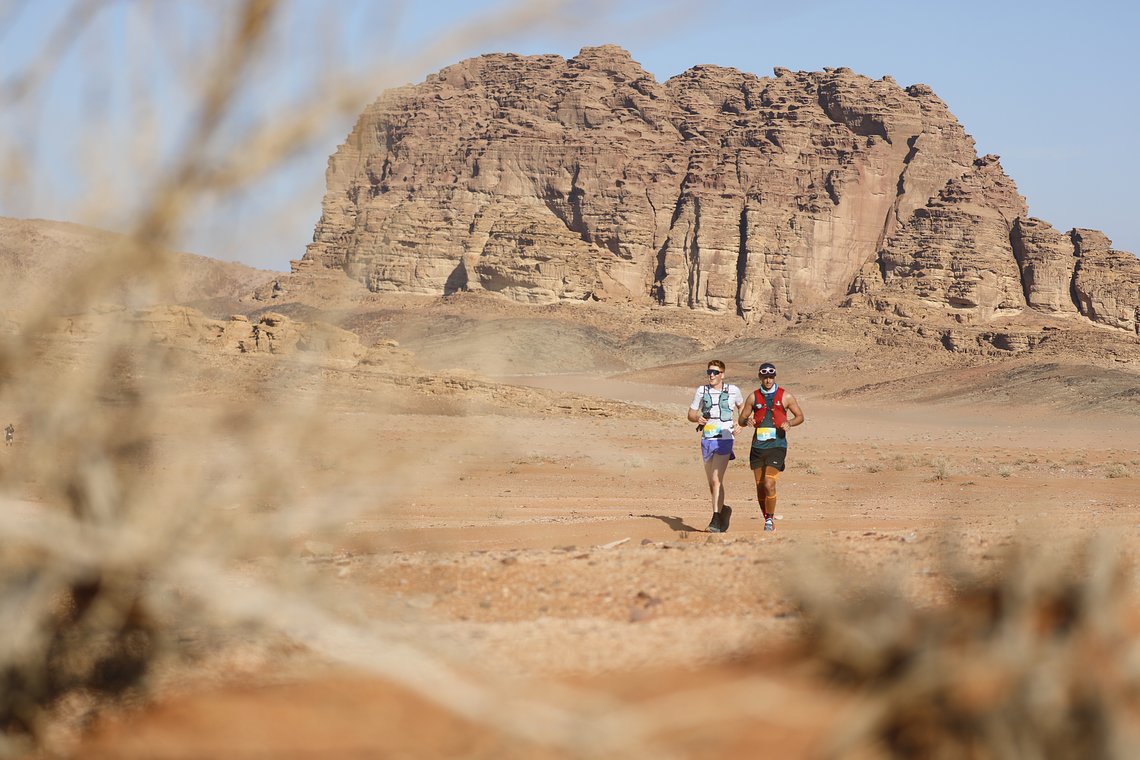
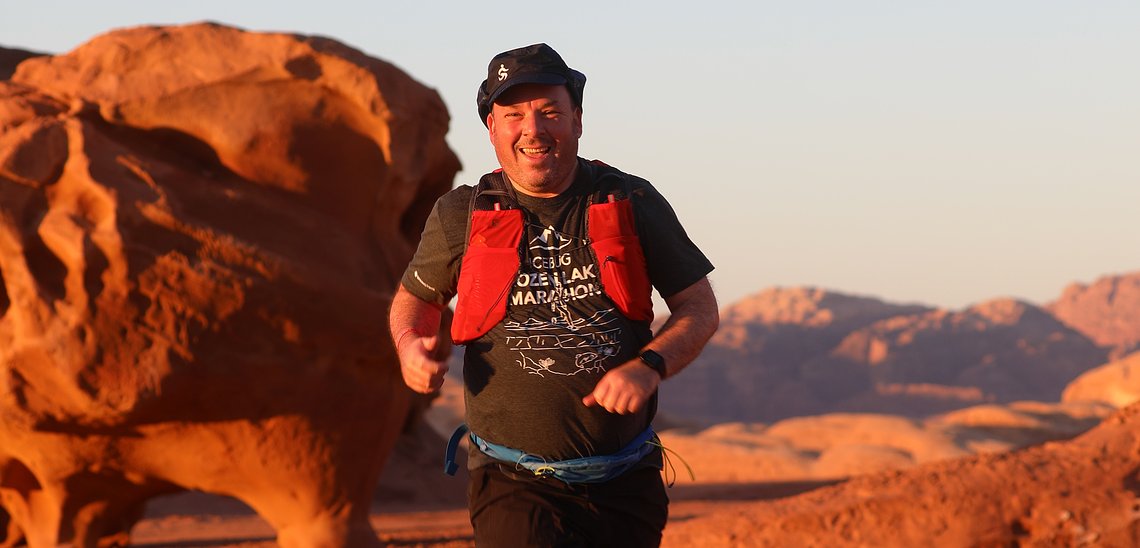
Jordan has run since 2022, and it travels across the country. We start with projects in the north, both in and near the capital, Amman. Then we head south, with a spectacular stop at Petra, one of the world's seven wonders. We defy the standard trip by getting to the gate at first light, which means we have time in the rose-coloured city before any other groups turn up. By sunset on the same day you will be on the back of a jeep heading deep into the Wadi Rum desert.
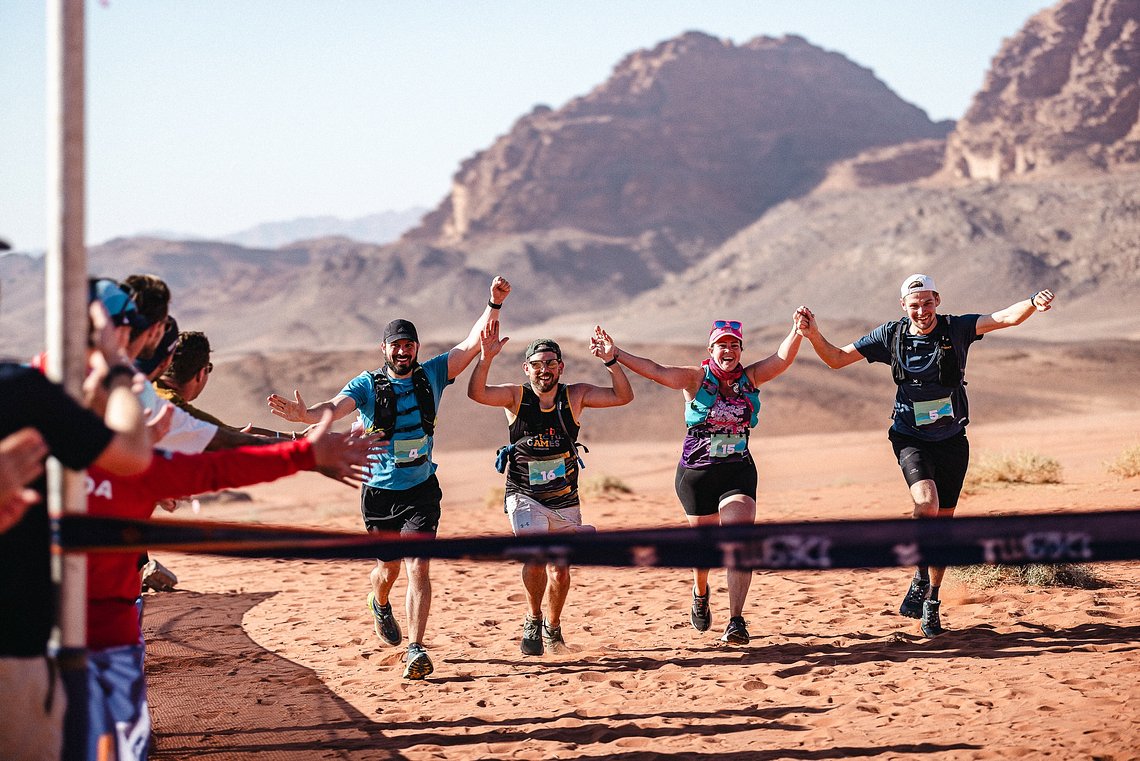
It is the race where our friendships are most visible. We stay in a family-run Bedouin camp, and over four years we have trained that team up to be our full race crew on race day. Three days offline, and a run that takes in the wilderness zone reaching down to the Saudi Arabian border. On race day itself we see camels and pretty much no other life forms. It has to be experienced to be believed.
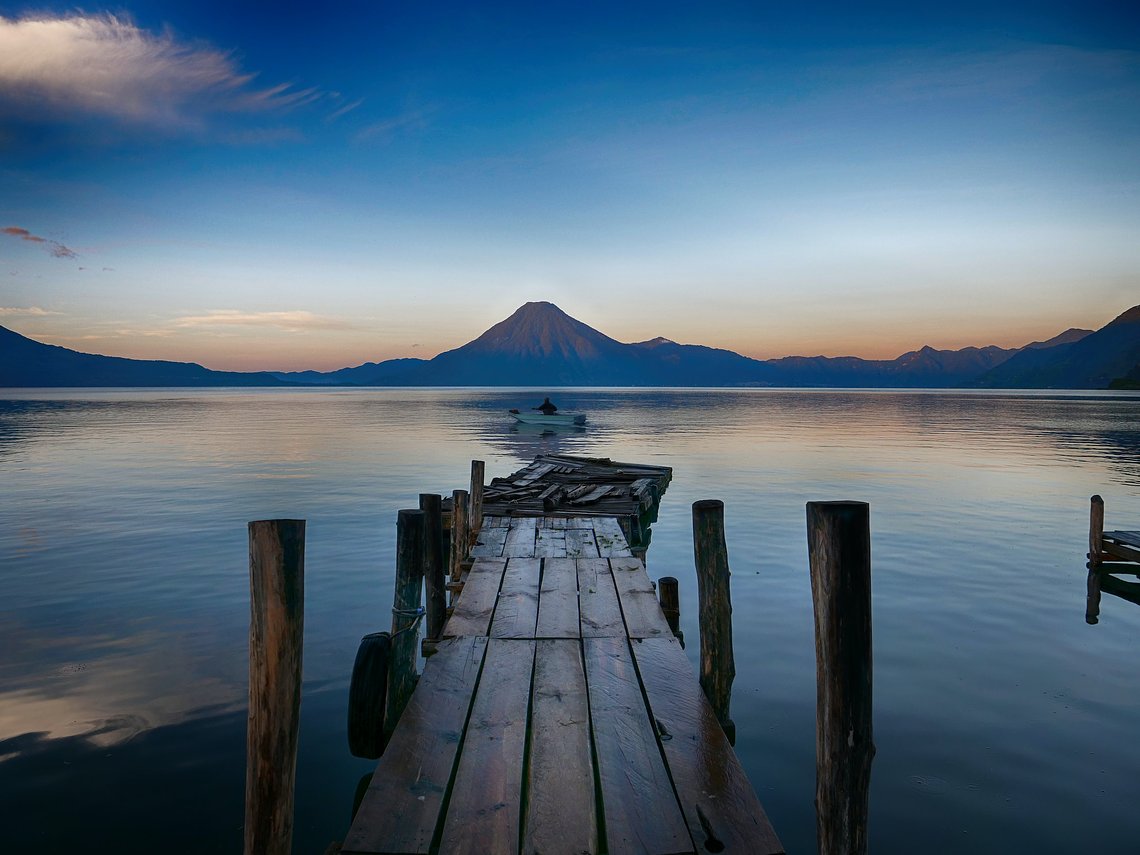
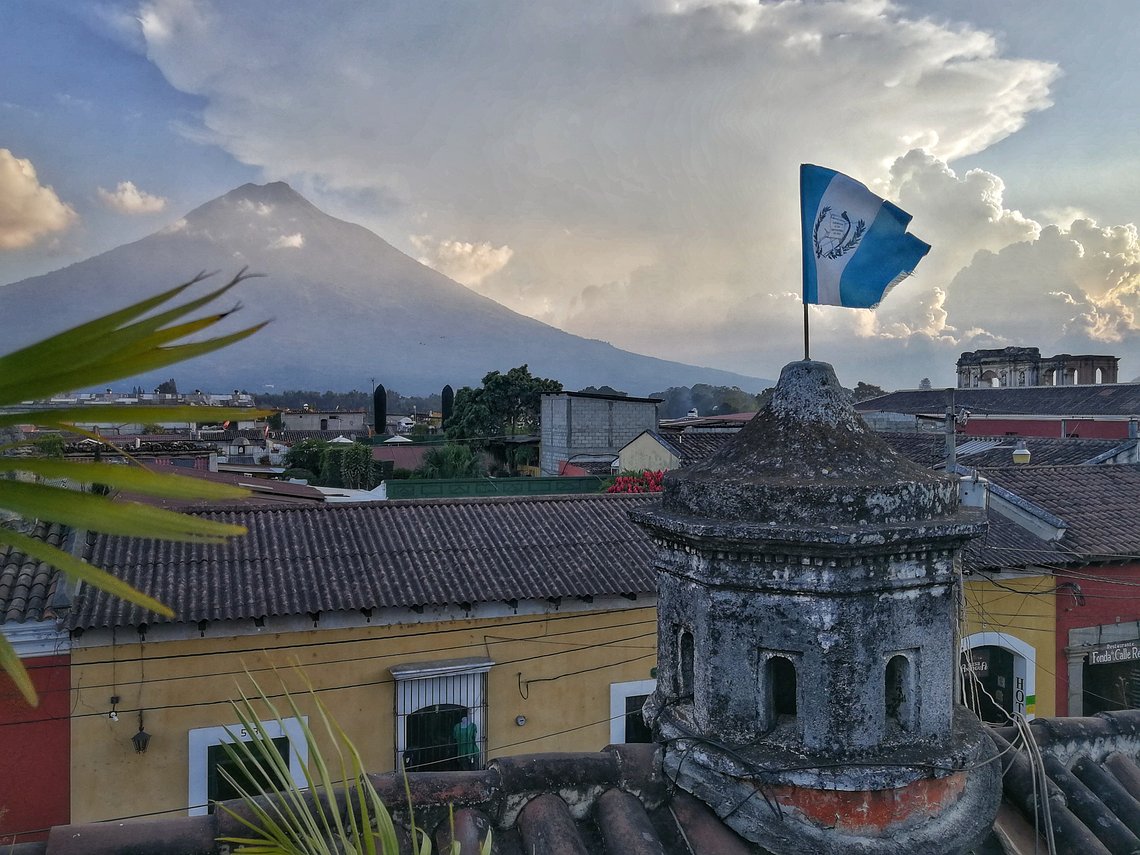
Guatemala arrived in 2018 and quickly became our most popular race with local runners, which I am prouder of than almost anything. In 2021, when none of our team and no international runners could get there, the local team and runners made it their own and raced anyway. It was truly special.
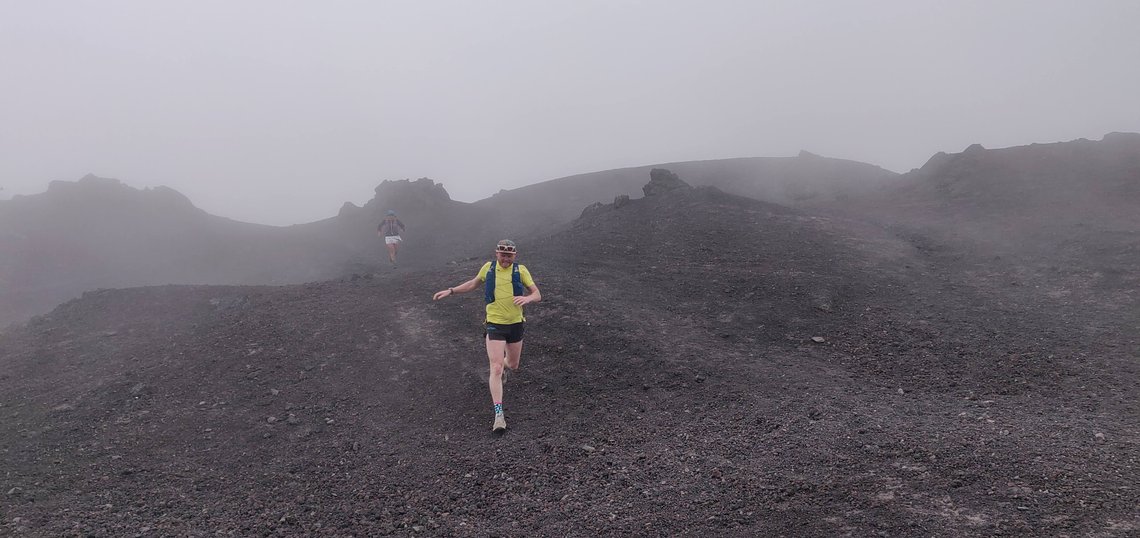
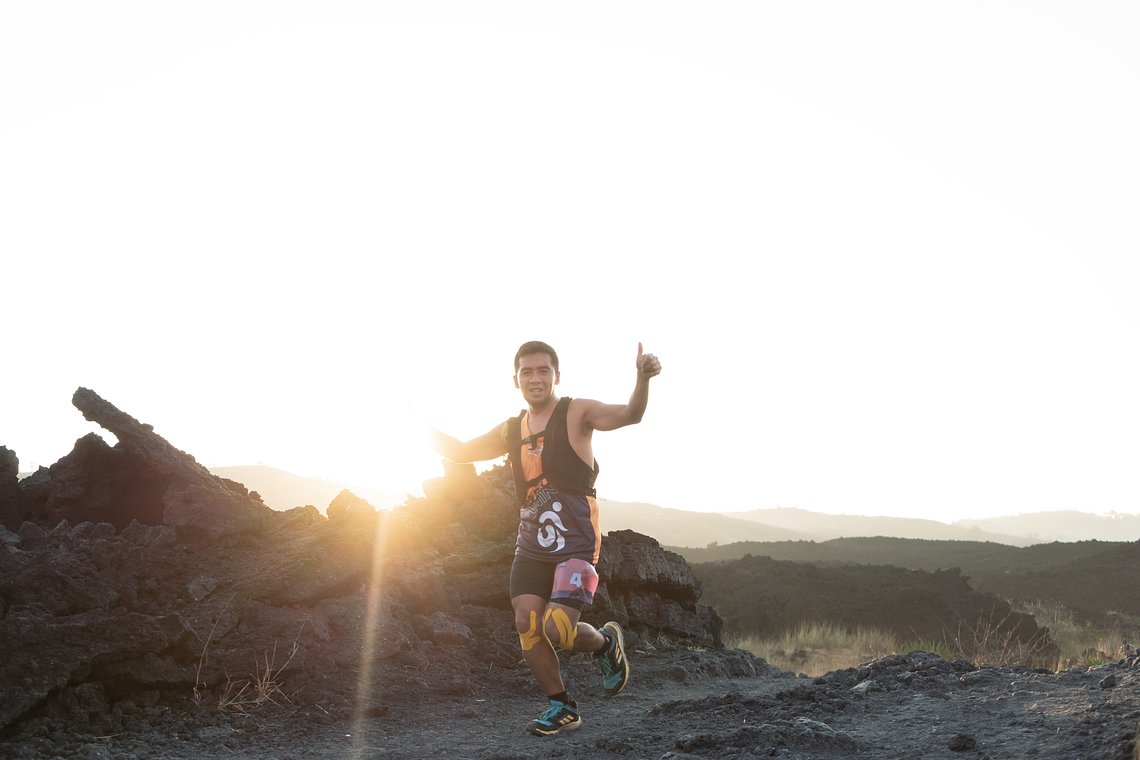
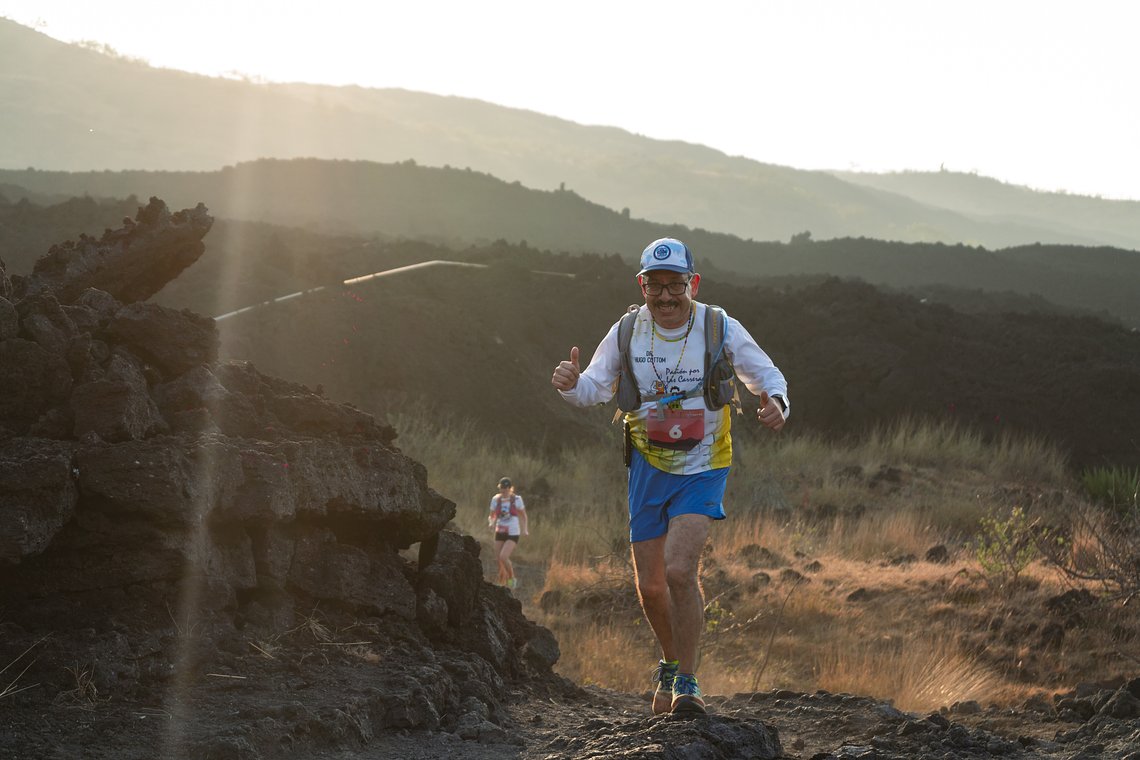
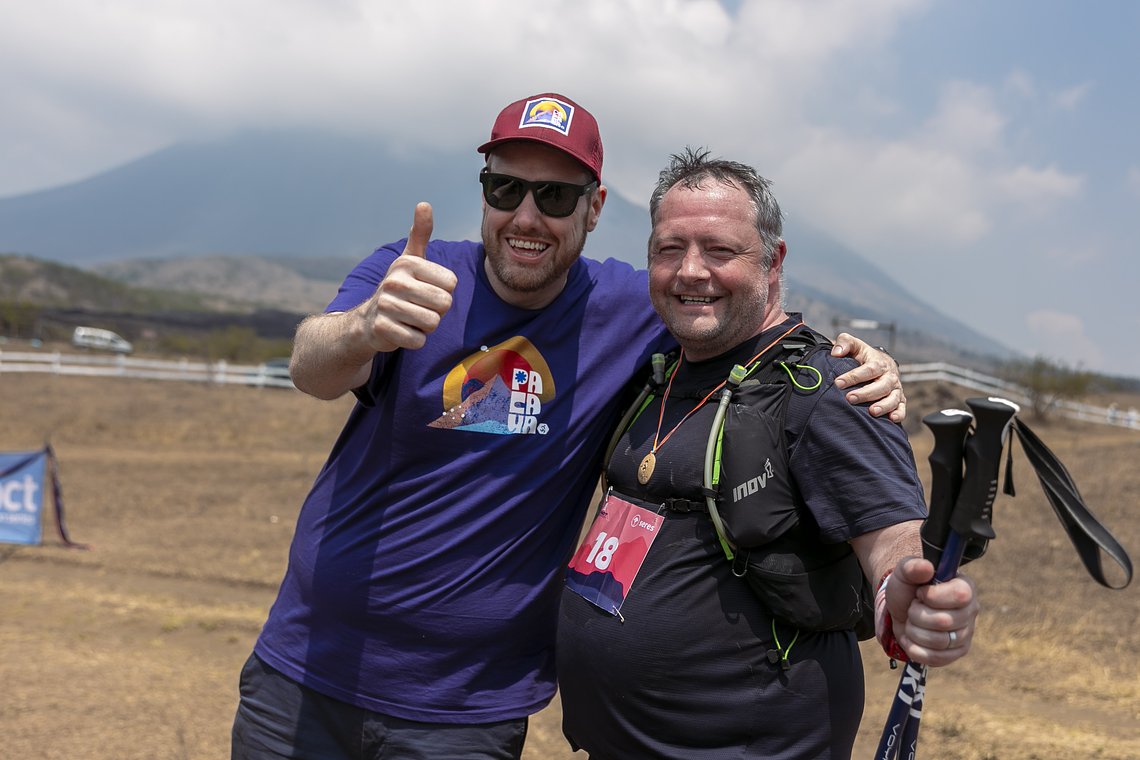
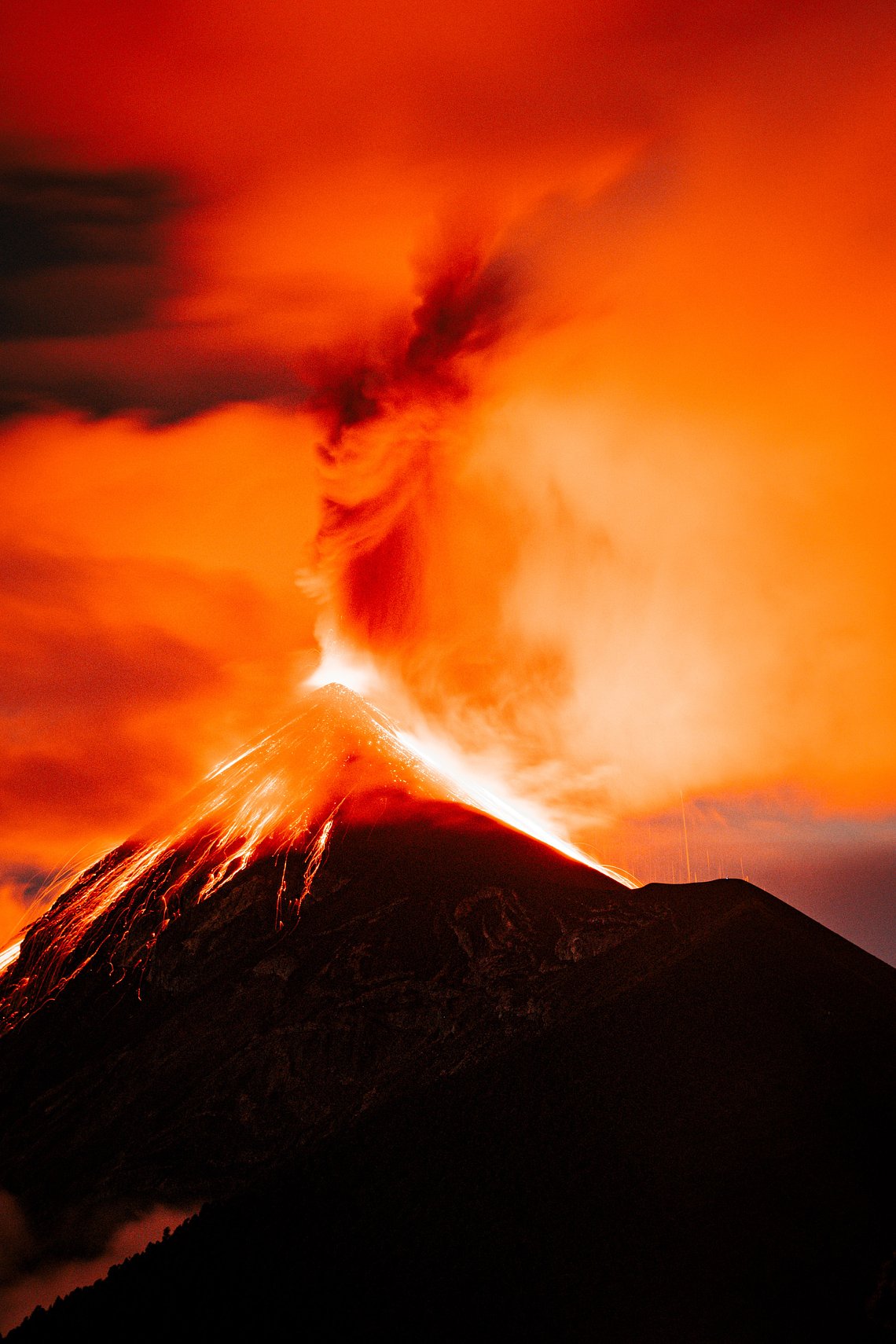
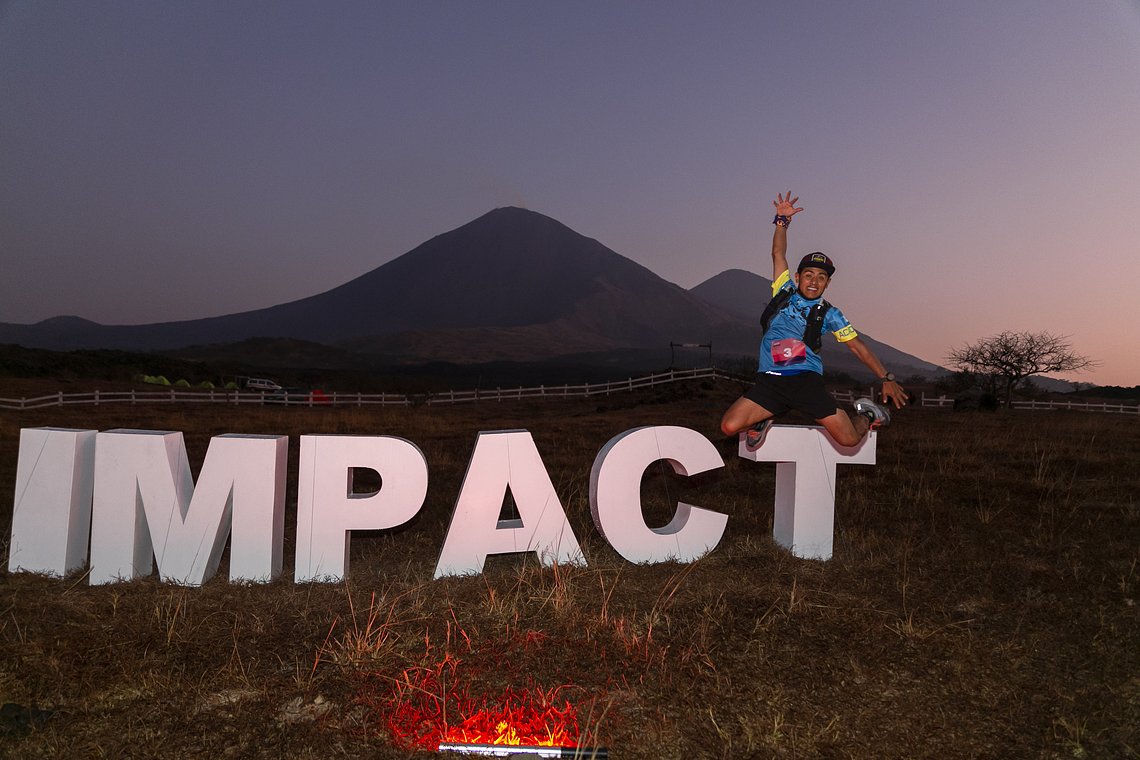
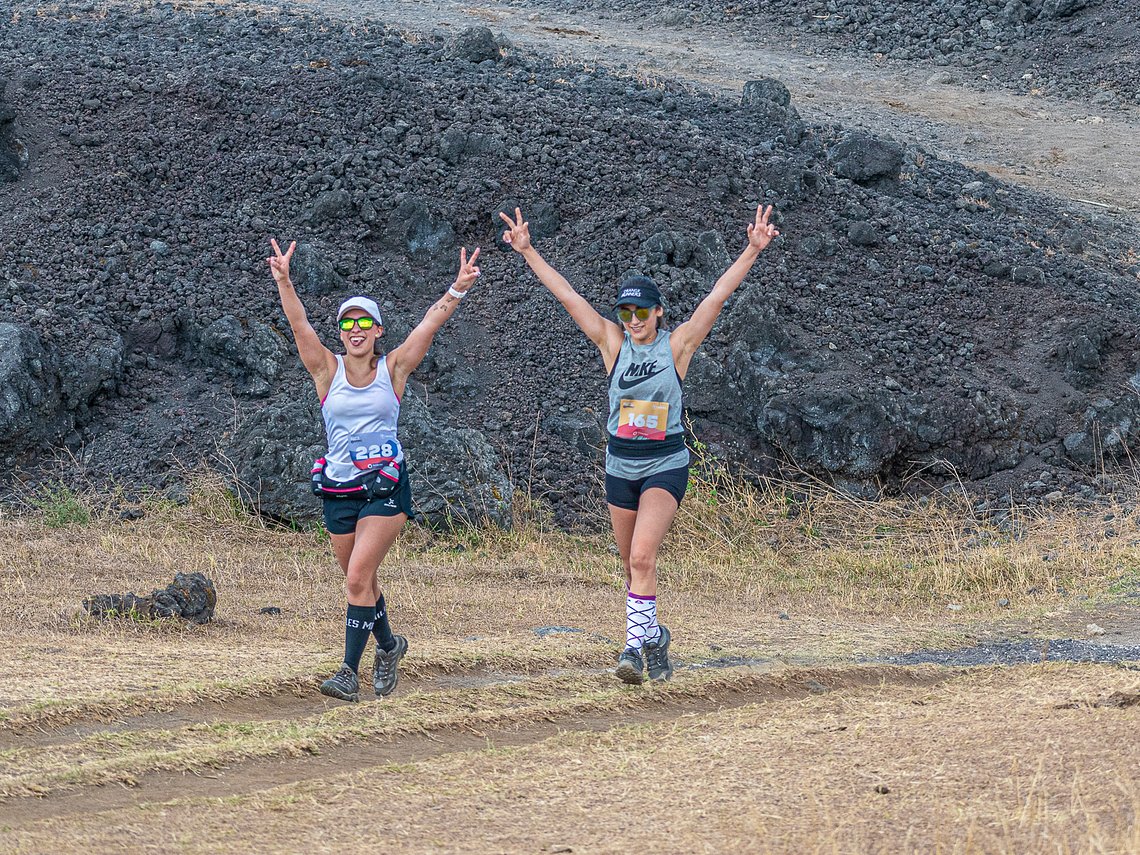
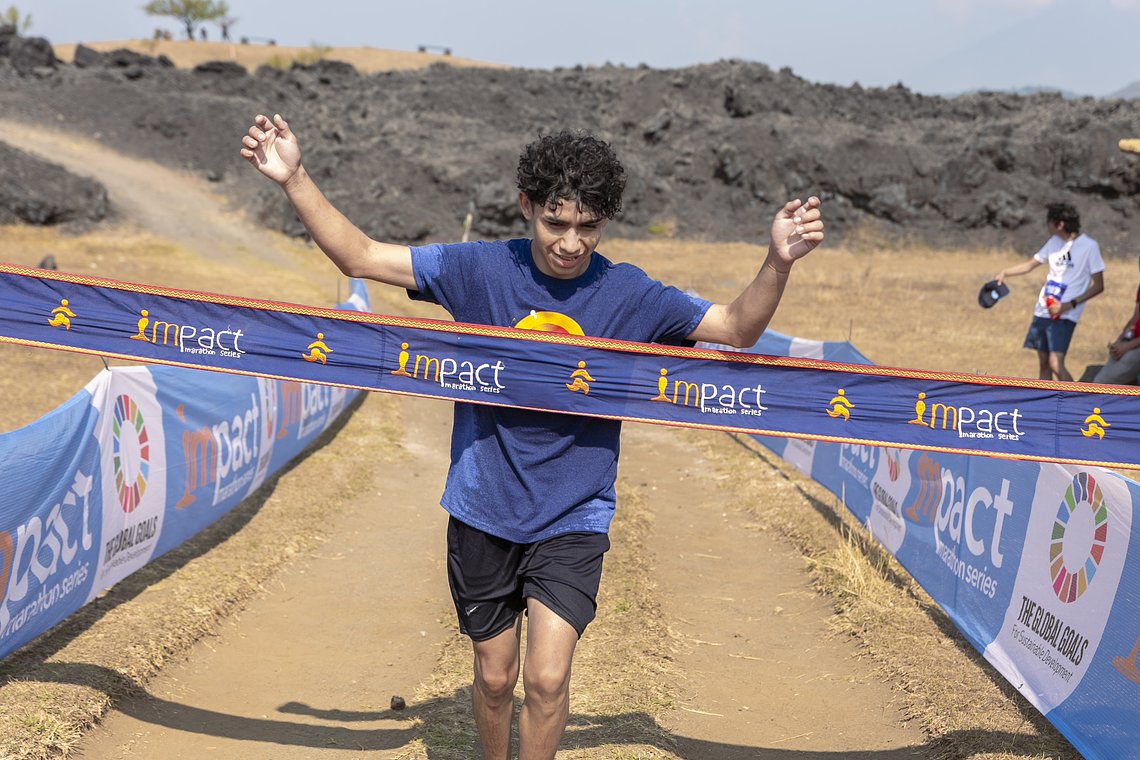
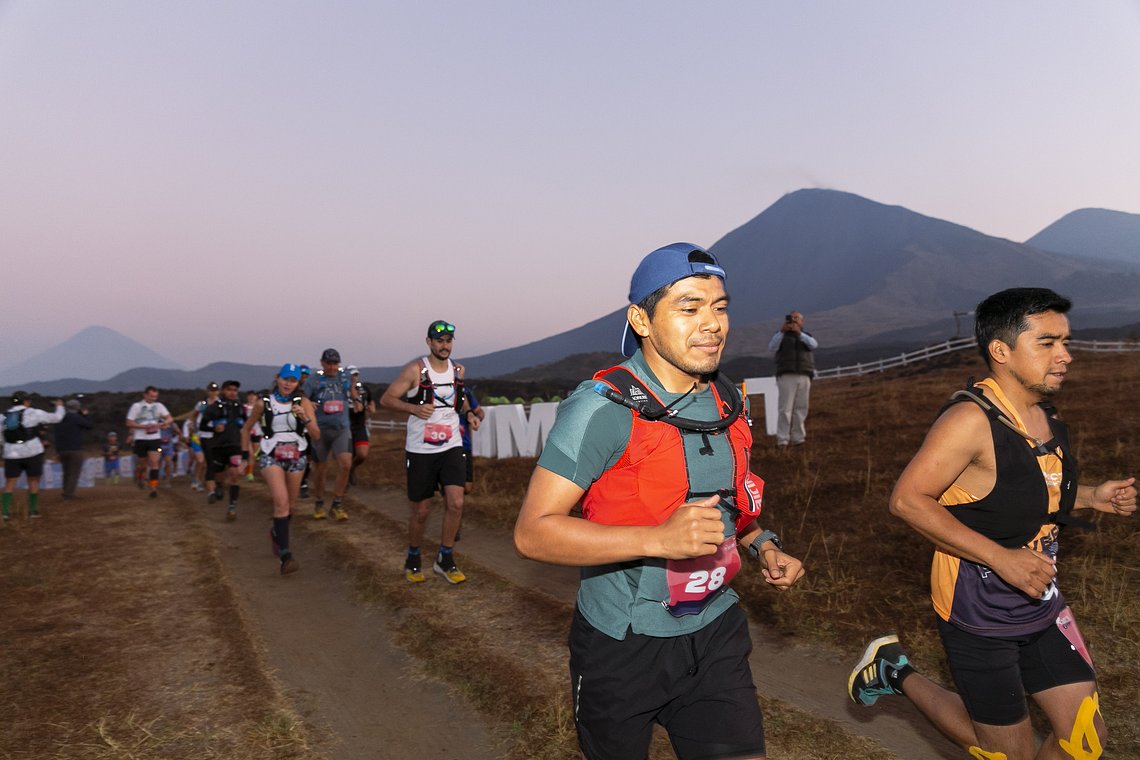
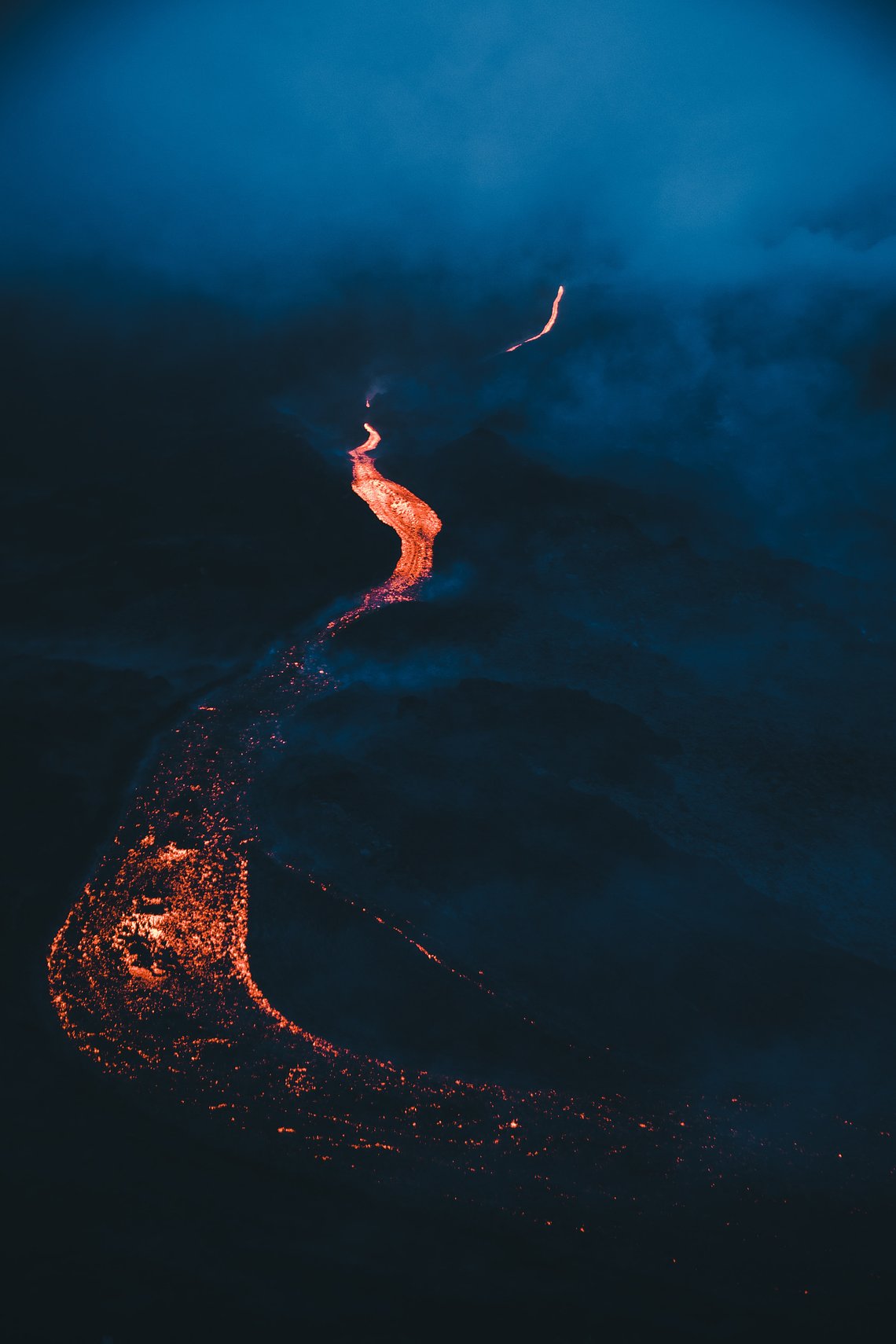
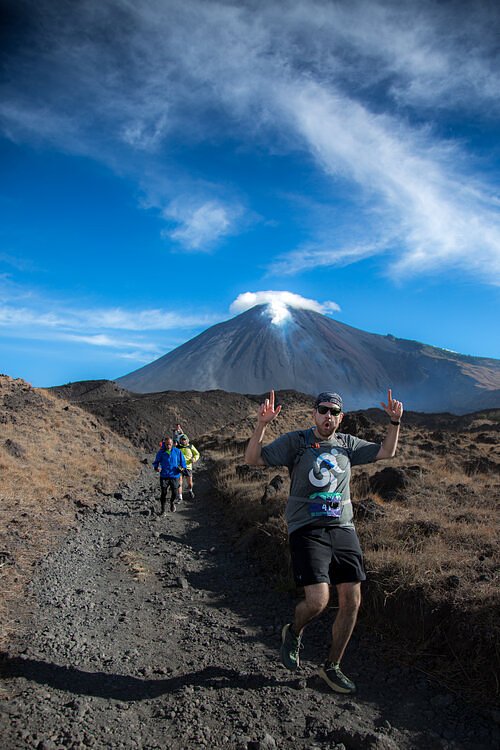
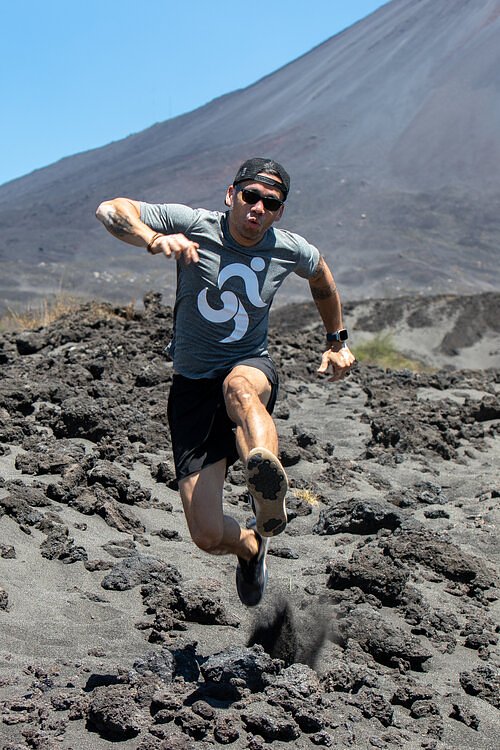
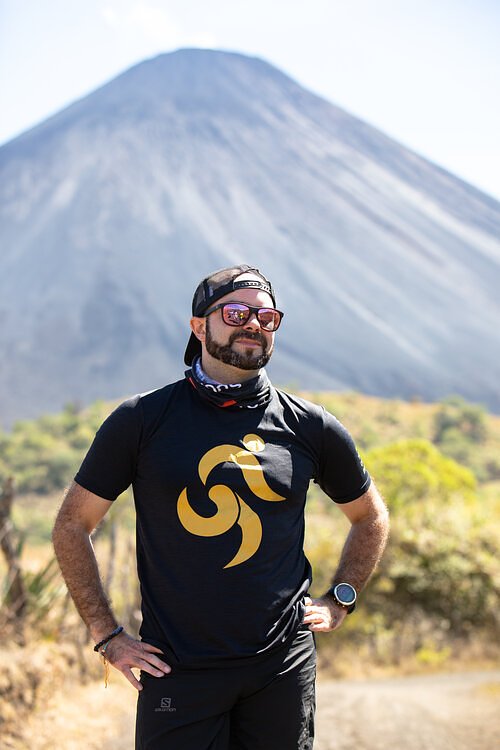
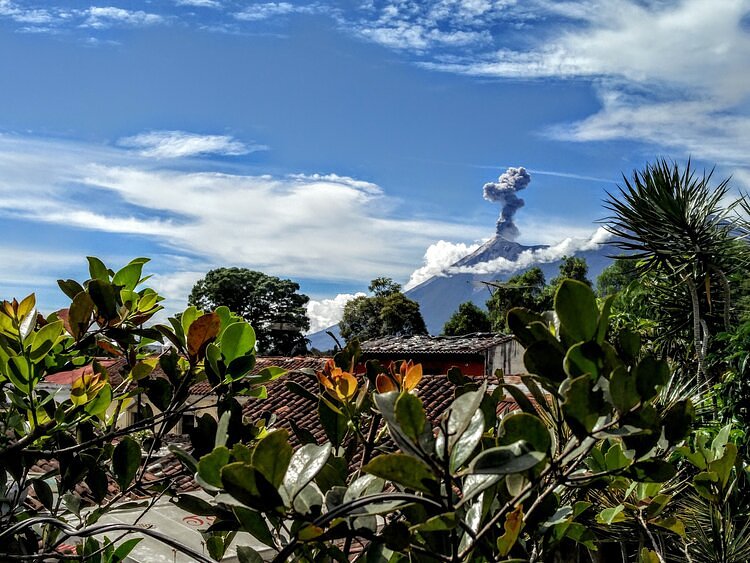
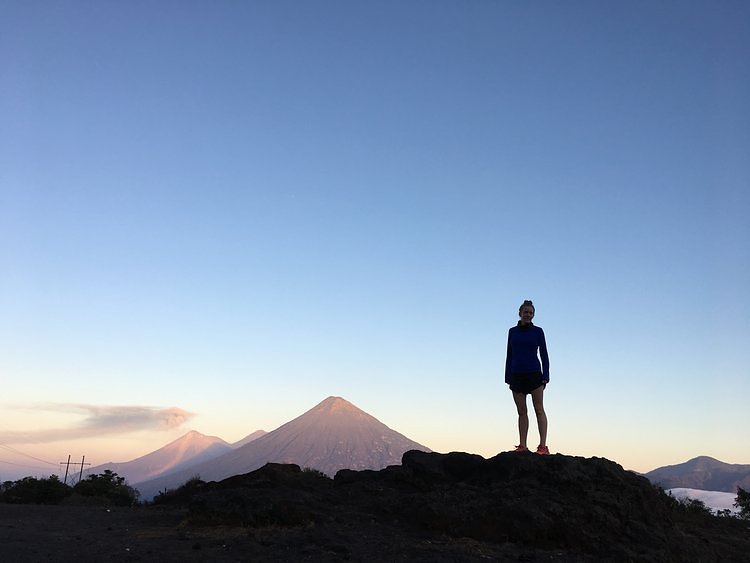
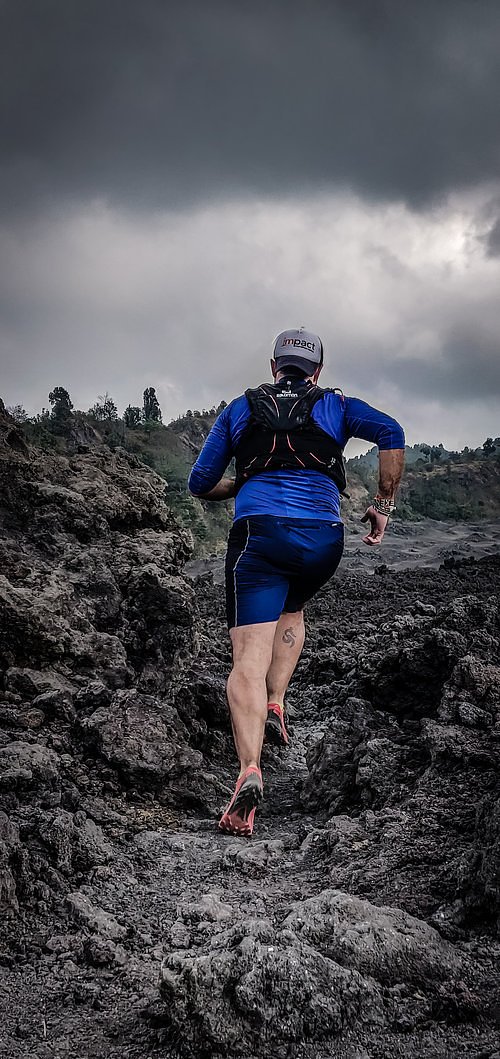
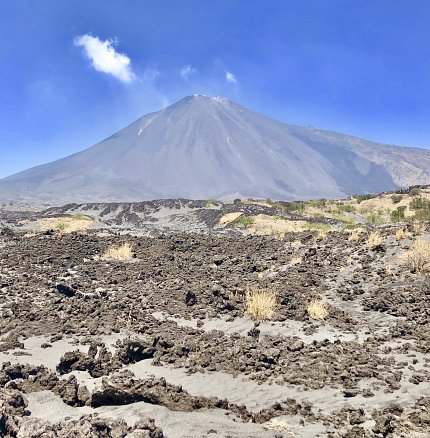
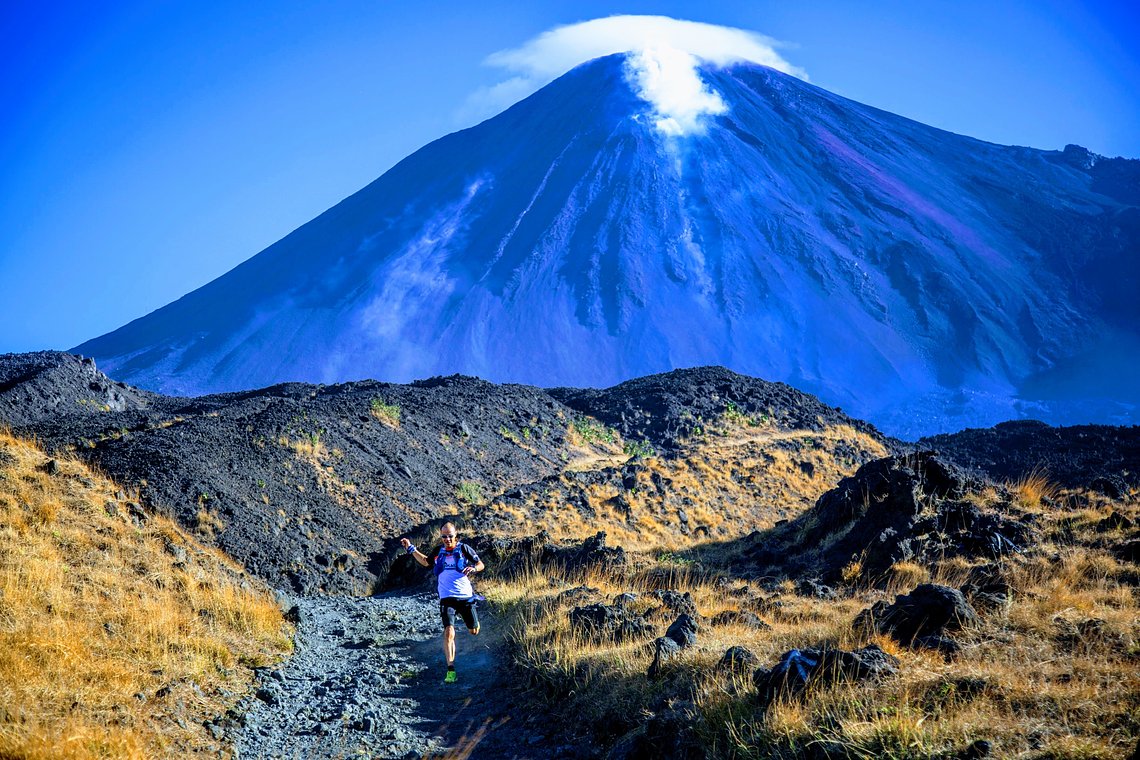
This is an iconic race that crosses the lava field of Pacaya Volcano, created by the 2010 eruption and added to in 2021 with a second lava field higher up the route. It is probably the toughest race in the series, but it rewards the challenge with some of the most spectacular sights in the world of running. The volcano rises high above us, and that crater forms part of the 42km route. We built this route with the National Park to link two previously unlinked sections of the area, an entirely new trail that locals and visitors now run daily. The finish line we hand-stitched in Guatemala travels with us to every race, in every country, for every runner.
We partner with SERES to build young leaders into community change-makers. The nation needs brilliant leaders to fight the many challenges that hold so much of the country down and drive the outmigration that takes the headlines. These are complex challenges, and our partners take that into account in how they catalyse young leaders to drive change.
Why the week comes before the race
Most events are built the other way round. The race is the product, and anything else is an extra.
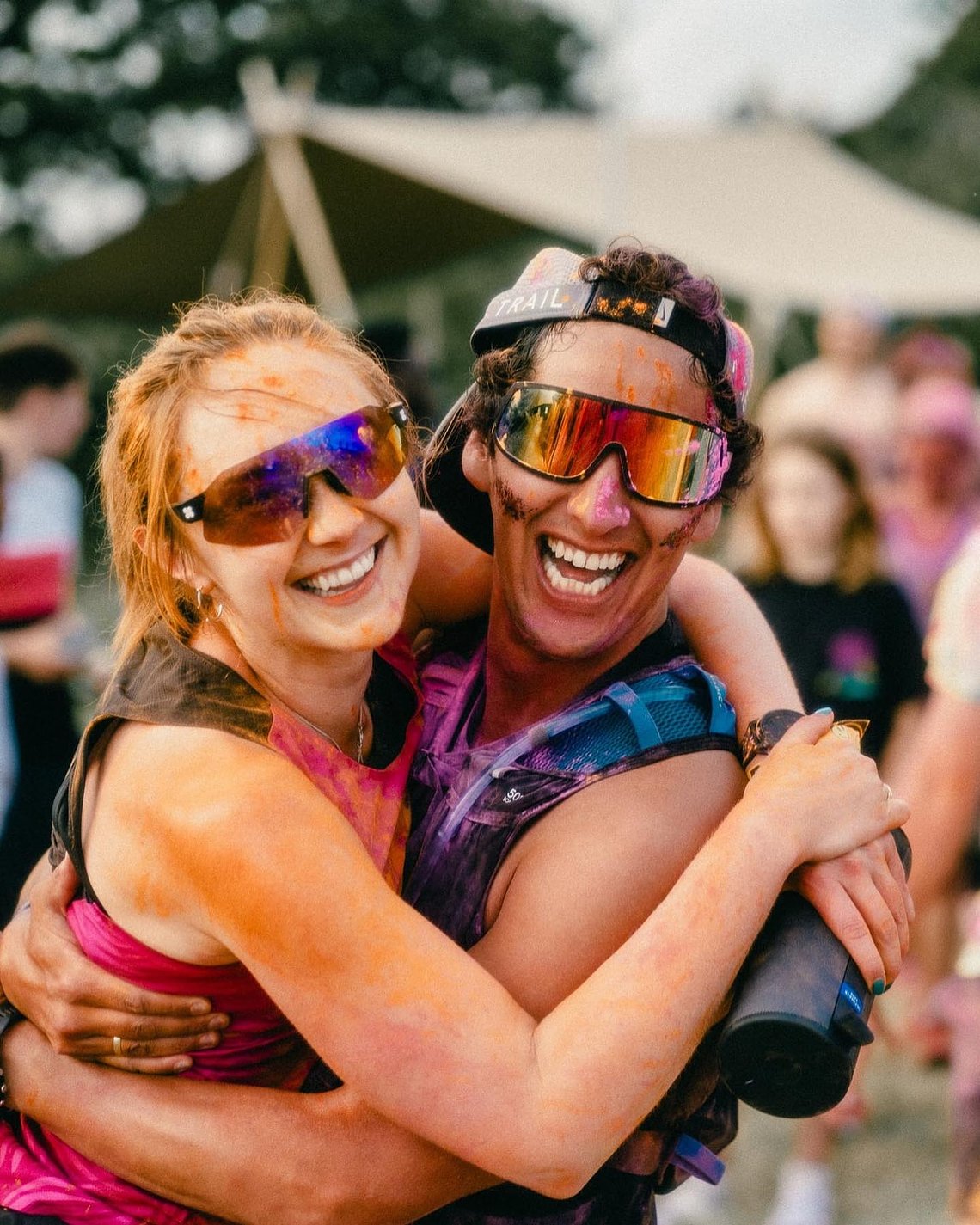
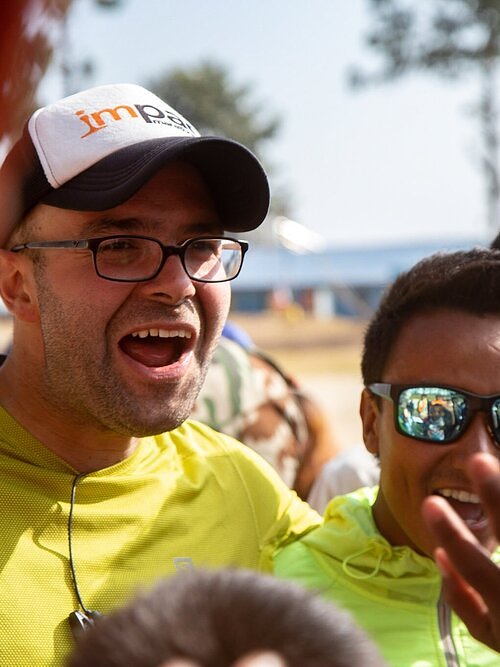
We build it backwards, and it changes everything. By the time you reach the start line, you have spent days working alongside the people whose village you are about to run through. You know their names. They know yours. That means the race itself has a meaning and a power that elevates the day above any other event you will run. You are more than a bib number. You care about your fellow runners, you celebrate one another, and you are celebrated. Every single Impact Runner gets to run through our hand-stitched finish line and hold it above their heads, a moment reserved for only the winner at any other event.
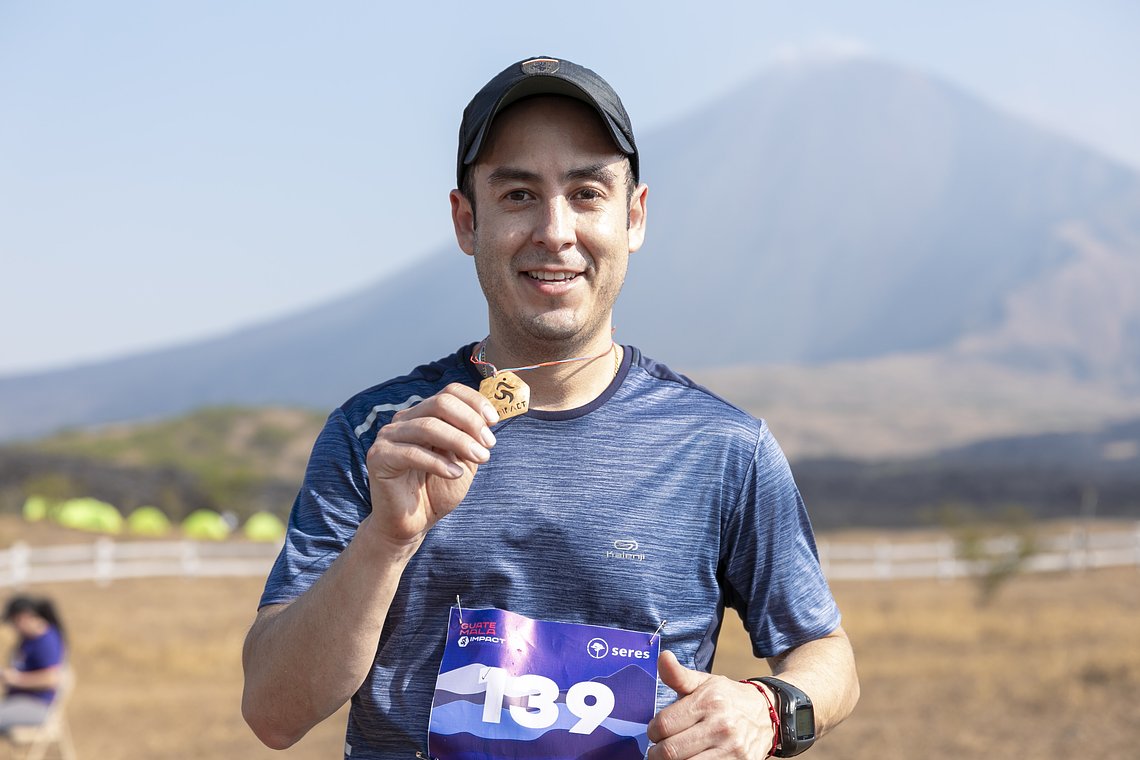
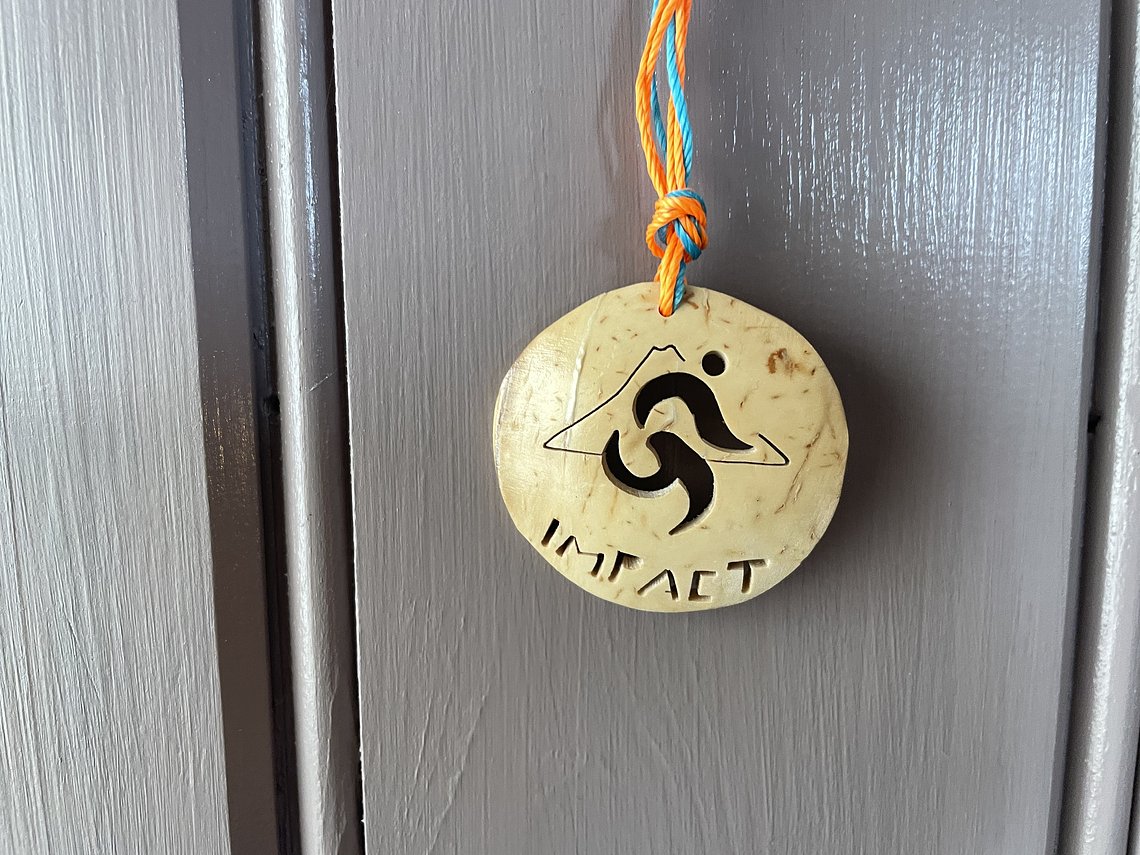
Our medals are handcrafted by local artisans. No single one is the same.
This is also why the week matters as a week. You cannot do this in two days. The bonds that make our events what they are, and the friendships that carry on for years afterwards, need time that a weekend does not give.
Why we cap every race at thirty five runners
I am challenged on this several times a year by people who would like us to grow.
We stay at thirty five because small lets us see people. It lets us learn everyone's name, and one thing that is theirs alone. It lets us look after our host communities without turning their work into a spectacle. It means that when a booking lands in my inbox, I feel it, because that person will be someone I know by the end of the week.
There is a cost. Sponsors tend to want reach and impressions, and we cannot offer a stadium. We have run past money that would have asked us to change shape. That is the trade, and I make it willingly. We do not fill a stadium. We build a circle.
Who comes on an Impact Marathon
Runners of every level, from first-time 10km runners to ultra runners, from more than thirty countries. Roughly half arrive on their own, and none of them stay lonely. We take walkers as well as runners, and our cut-offs are generous by design.
You do not need to be an elite athlete, but if you are, you will find plenty of challenge and running inspiration here with us. You do need curiosity, a willingness to be uncomfortable occasionally, and an interest in the place you are visiting beyond its scenery.
The fundraising bit
We ask every Impact Runner to aim for £500 as a starting point. That money is raised, not paid, although some runners choose to cover the amount themselves, and it goes directly to the projects. Most people sail past the target once they understand what it builds, and many had never raised a penny before their first race. From 2026 all fundraising is tracked through our Impact Ledger, so runners can see exactly where their money went.
What happens after the finish line
This is the part I have never been able to show properly, and it is the part that matters most.
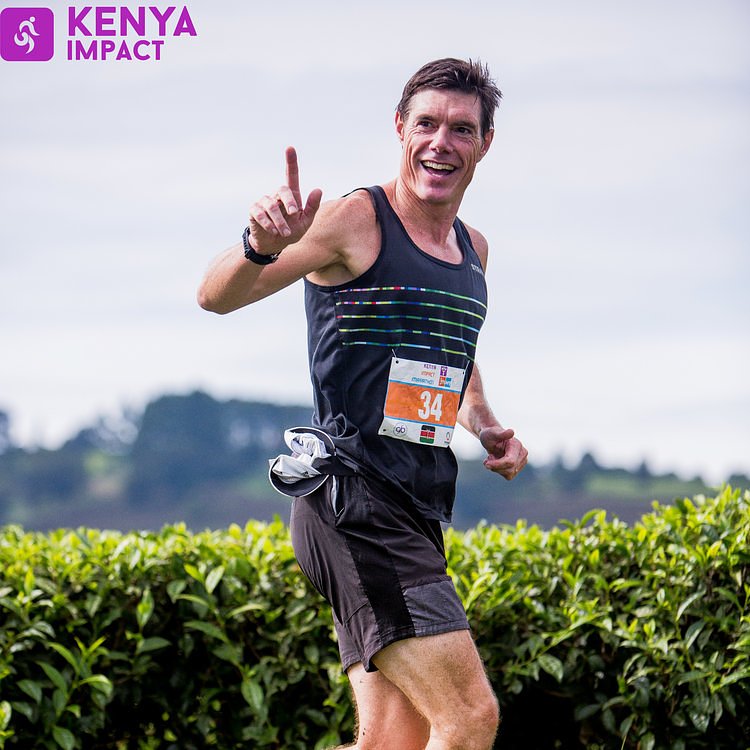
Two runners meet in Kenya and end up hiking together in Georgia. Someone passes through a city and stays on a sofa they first heard about in Guatemala. People who ran side by side get married. We even have an Impact baby. Sure, it is my own, but I met my wife when she was head of fundraising for our partner in Guatemala. We also see the life-changing impact of running on people who insisted they were not runners, who now keep turning up to their local trails and bring friends who would never have booked a ticket alone.
The line from booking to start line to finish line is real.
The second line, the one that runs on into ordinary life, is where most of our value lives.
In one sentence
Impact Marathon runs week-long events in which international runners work alongside a host community on a project that community has chosen, and race on the final day as a celebration of the week.
The finish line was never the point. The stories are.
Find us: impactmarathon.com. Our 2027 races open through the year, and each is capped at thirty five runners.