Mon 30 Mar 2026 • Nick Kershaw
Why Volunteering Is the Wellness Trend Nobody's Talking About
SHARE THIS POST
The wellness industry is worth $1.4 trillion. But the most powerful intervention for your mental health isn't a cold plunge or a sleep retreat. It's giving your time. Here's what the science says.
The wellness industry will be worth over $1.4 trillion by 2027. That is not a typo.
And yet, when you look at what the industry is actually selling, most of it is designed to happen to you. A cold plunge happens to your nervous system. A sleep retreat happens to your circadian rhythm. A skincare treatment happens to your face. You lie down, you breathe in, someone adjusts the lighting, and you leave feeling temporarily restored.
There is nothing wrong with any of this. If a week at a wellness resort helps you sleep better or reduces your anxiety, that is genuinely good. But there is a growing body of evidence that suggests the single most effective thing you can do for your mental and physical health is not something that happens to you at all.
It is something you do for someone else.
What the research actually says
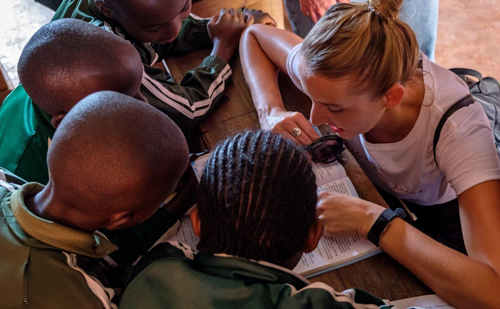
Researchers at Johns Hopkins University ran one of the most remarkable clinical trials in the history of wellness science. It was called the Baltimore Experience Corps Trial. Adults over sixty were randomly assigned to either volunteer at elementary schools for fifteen hours a week, or to carry on as normal.
After two years, the volunteers had measurable changes in their brains. Not just improvements in mood or self-reported wellbeing actual, physical changes. MRI scans showed that the volunteers' brain volumes in regions associated with memory had increased, while the control group's had declined. In men, brain volumes grew by up to 1.6%. The control group lost around 1%. The volunteers also maintained their memory and executive function where the control group did not.
Let that land for a moment. The most effective brain health intervention in this trial was not a supplement. Not a cognitive training app. Not a longevity protocol. It was helping children learn to read.
And this is not an isolated finding. A study published in the Journal of Happiness Studies, drawing on data from nearly 70,000 people in the UK, found that those who volunteered regularly reported significantly higher life satisfaction and better overall health. Crucially, the researchers controlled for prior wellbeing — meaning it was not simply that happier people were more likely to volunteer. People who started volunteering became happier over time.
Research from Harvard's School of Public Health found that people who volunteer regularly have lower levels of physical pain, better physical functioning as they age, and a reduced risk of mortality. Professor Laura Kubzansky, who studies the relationship between physical and mental health, notes that while the exact mechanisms are still being investigated, the evidence points to a combination of stress reduction, increased physical activity, reduced social isolation, and the simple perspective shift that comes from focusing on someone other than yourself.
A Carnegie Mellon study found that older adults who volunteered for at least 200 hours per year decreased their risk of high blood pressure by 40 percent. Forty percent. That is a staggering number for an intervention that costs nothing and requires no prescription.
The chemistry of giving
Your brain is designed for this.
When you help someone, and that is to say genuinely help something, not performatively, your brain releases a cocktail of neurochemicals that researchers have named the "helper's high." Dopamine, serotonin, and oxytocin flood your system. These are the same chemicals released during exercise, meditation, and deep social bonding. They boost your mood, reduce cortisol (the stress hormone), and create a feeling of connection and purpose that is notoriously difficult to manufacture through any other means.
Oxytocin is particularly interesting. It is the hormone most closely associated with trust, empathy, and social bonding. Neuroscience research has shown that prosocial behaviour, acting for the benefit of others, triggers oxytocin release, which in turn reduces anxiety and promotes a sense of calm. This is measurable, repeatable biology.
The critical distinction, though, is between transactional helping and relational helping.
A 2024 umbrella review published in BMC Public Health, synthesising decades of systematic reviews on the health effects of volunteering, found that the benefits were most pronounced and most lasting when three conditions were met: the volunteering was sustained over time rather than a one-off event; the volunteer had altruistic rather than self-serving motivations; and there was genuine relational connection with the people being served.
In other words: the benefit does not come from ticking a box. It comes from showing up, consistently, in relationship with other people. When service is about you, the benefit fades. When it is about connection, it compounds.
Why the wellness industry has missed this
The wellness industry has a structural problem. It is built around products and services that can be packaged, priced, and sold to individuals. A cold plunge can be sold. A sleep retreat can be sold. A skincare protocol can be sold. Volunteering cannot be sold, at least not in the same way. There is no margin on generosity.
And so the most powerful wellness intervention available to human beings, giving your time and effort to others in a sustained, relational way, remains largely invisible to an industry that is otherwise obsessed with optimising every aspect of human health.
The irony is that the wellness travel industry is getting closer to recognising this. National Geographic's 2026 wellness travel trends report notes a growing demand for experiences that connect travellers to local communities. The Global Hotel Alliance's 2026 survey found that travellers are increasingly seeking experiences that create "personal value" through connection and meaning. Elite Traveler observes rising demand for retreats that combine cultural immersion with meaningful human connection in nature-rich environments.
The language is moving in the right direction. But the industry is still framing community engagement as a feature of a wellness trip, rather than recognising it as the most potent ingredient.
What this means in practice
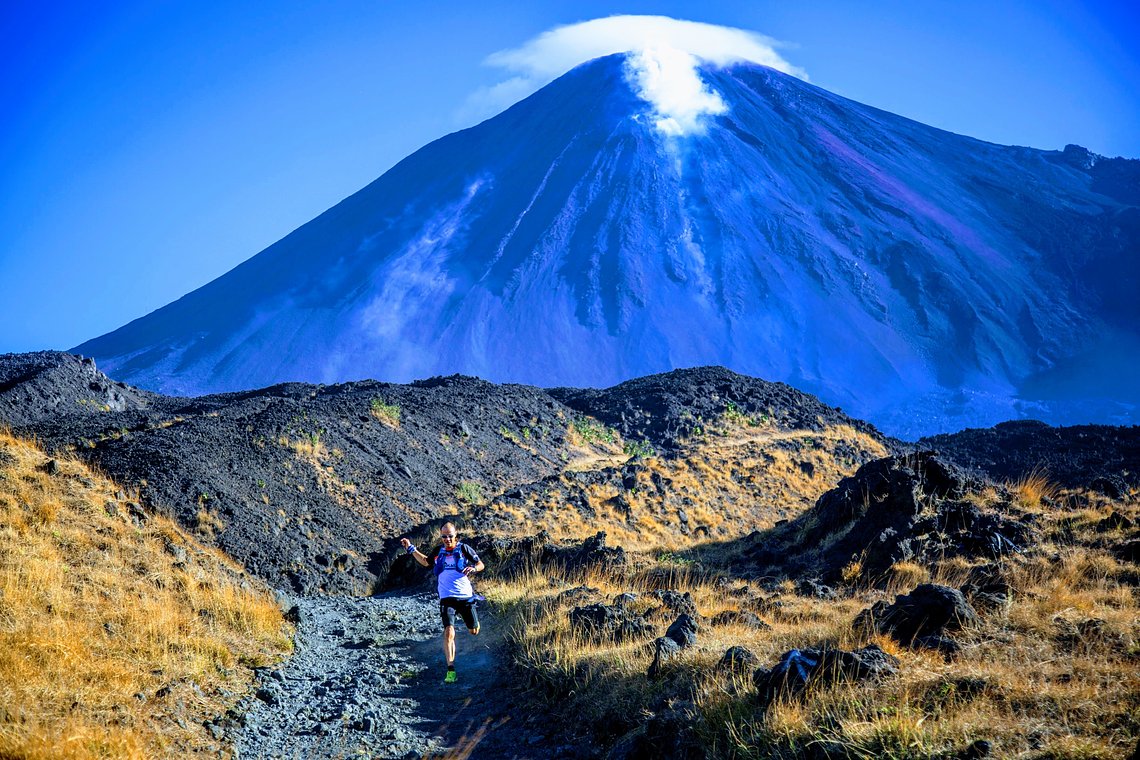
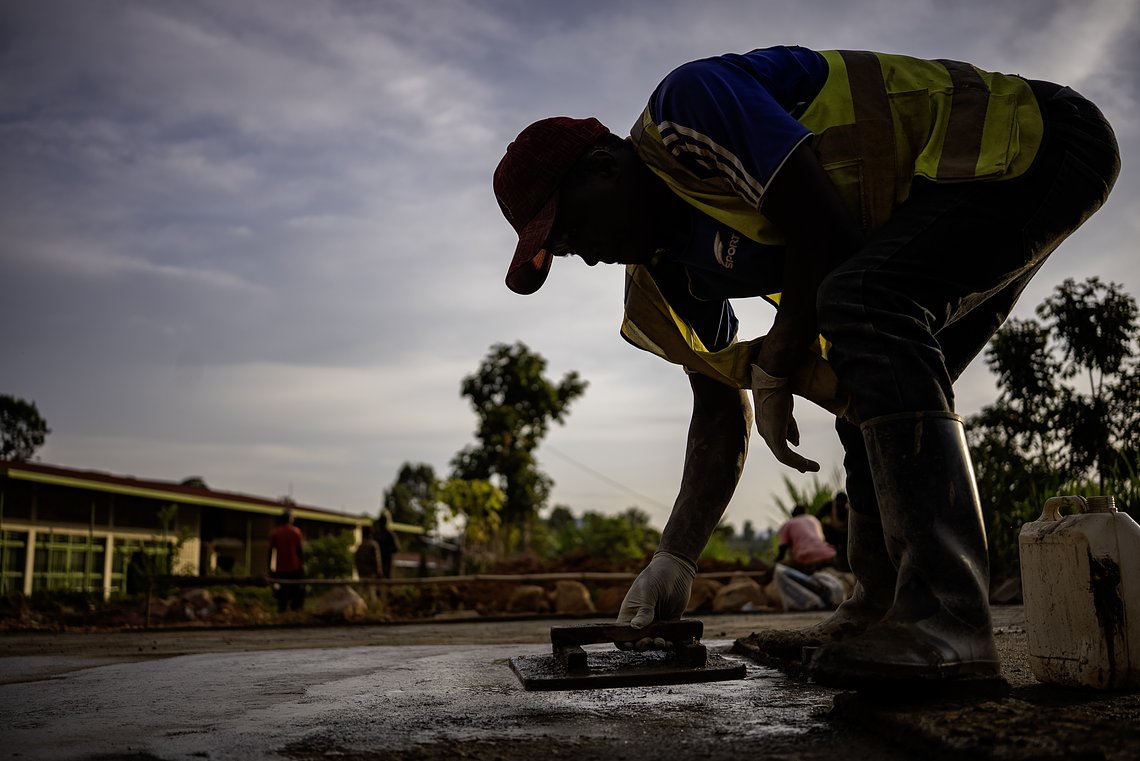
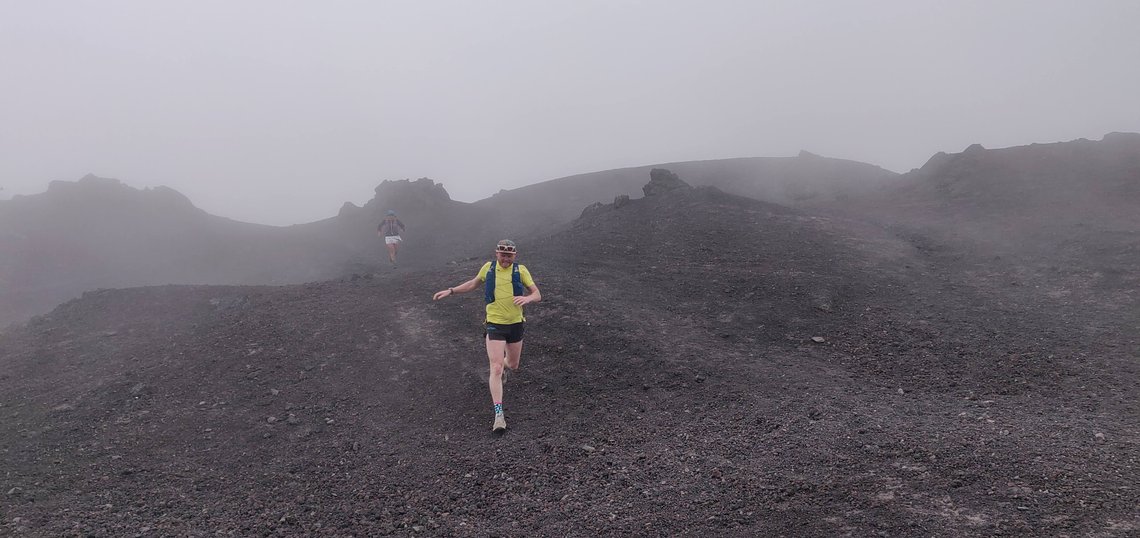
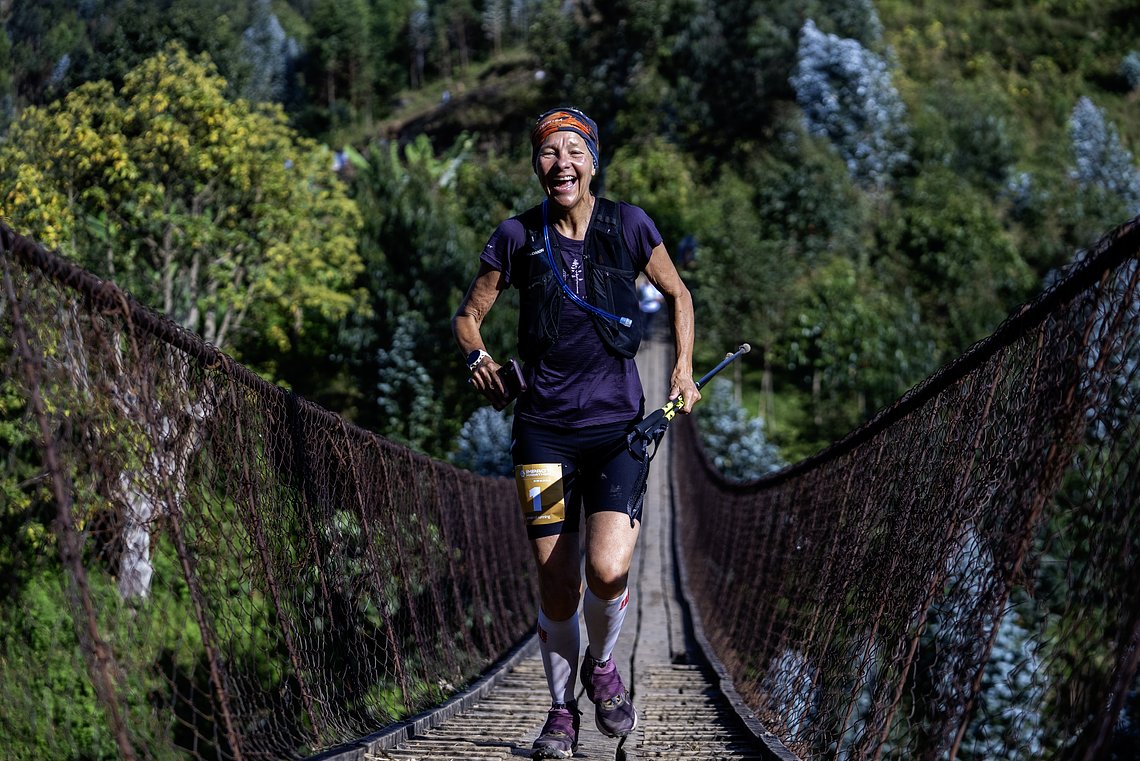
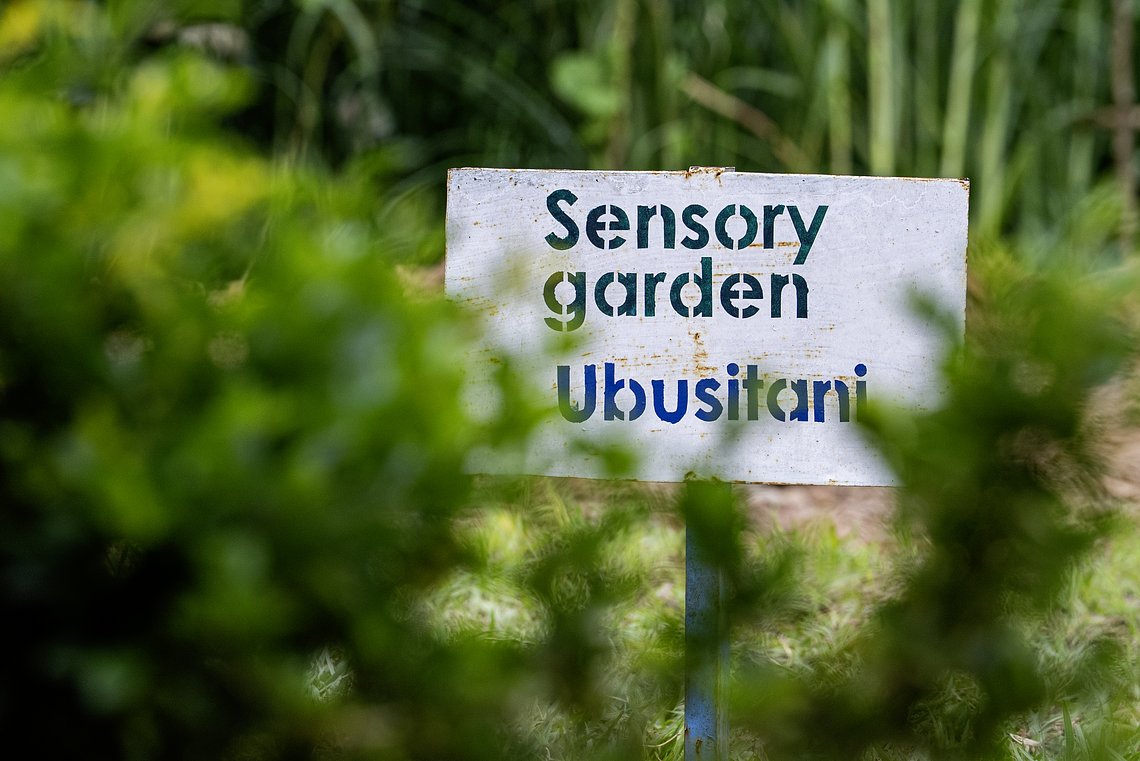
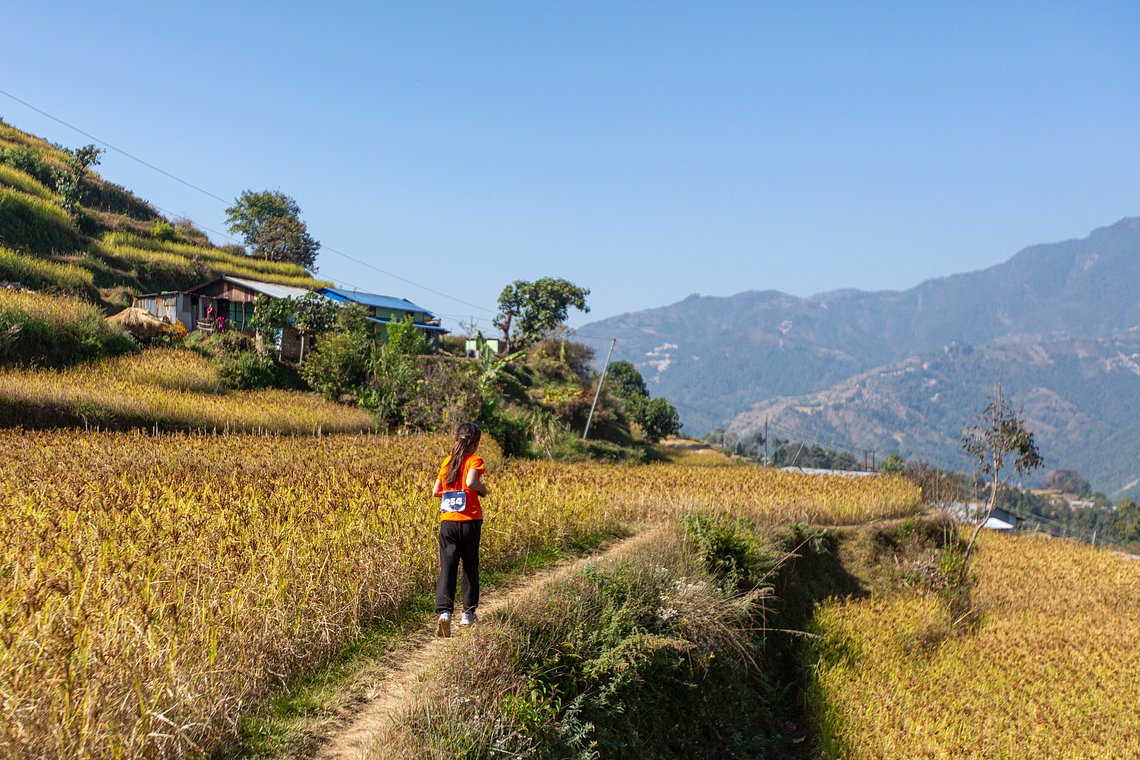
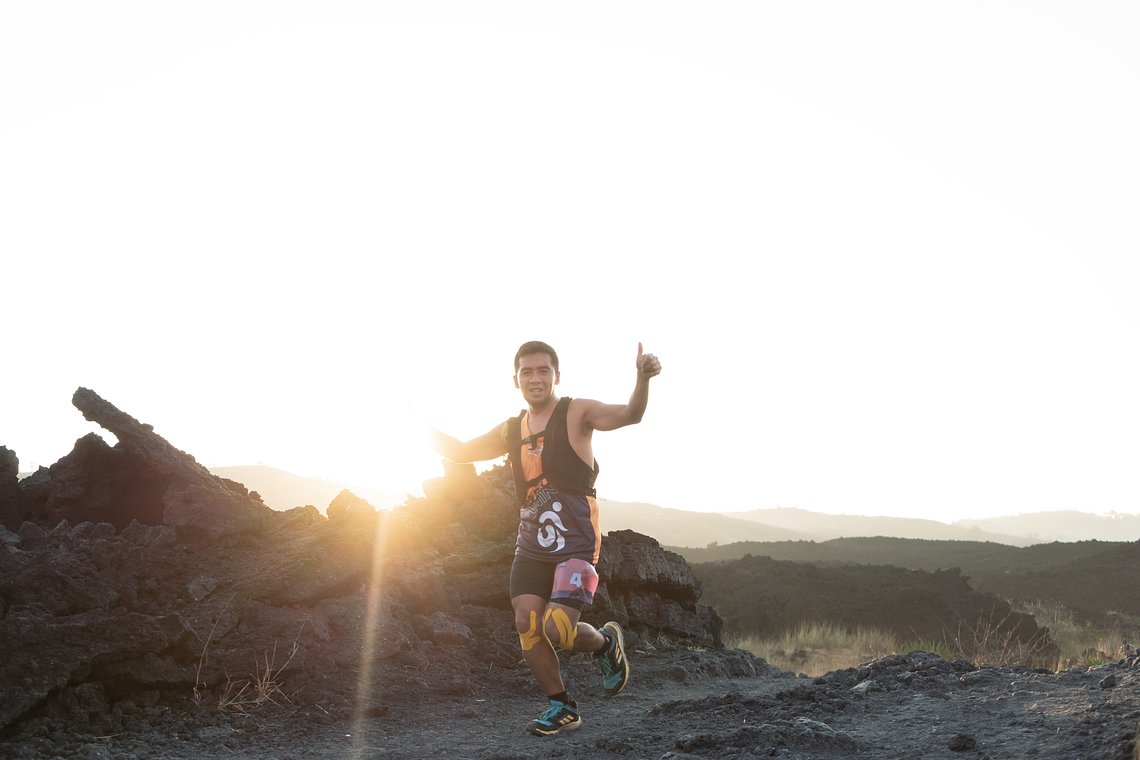
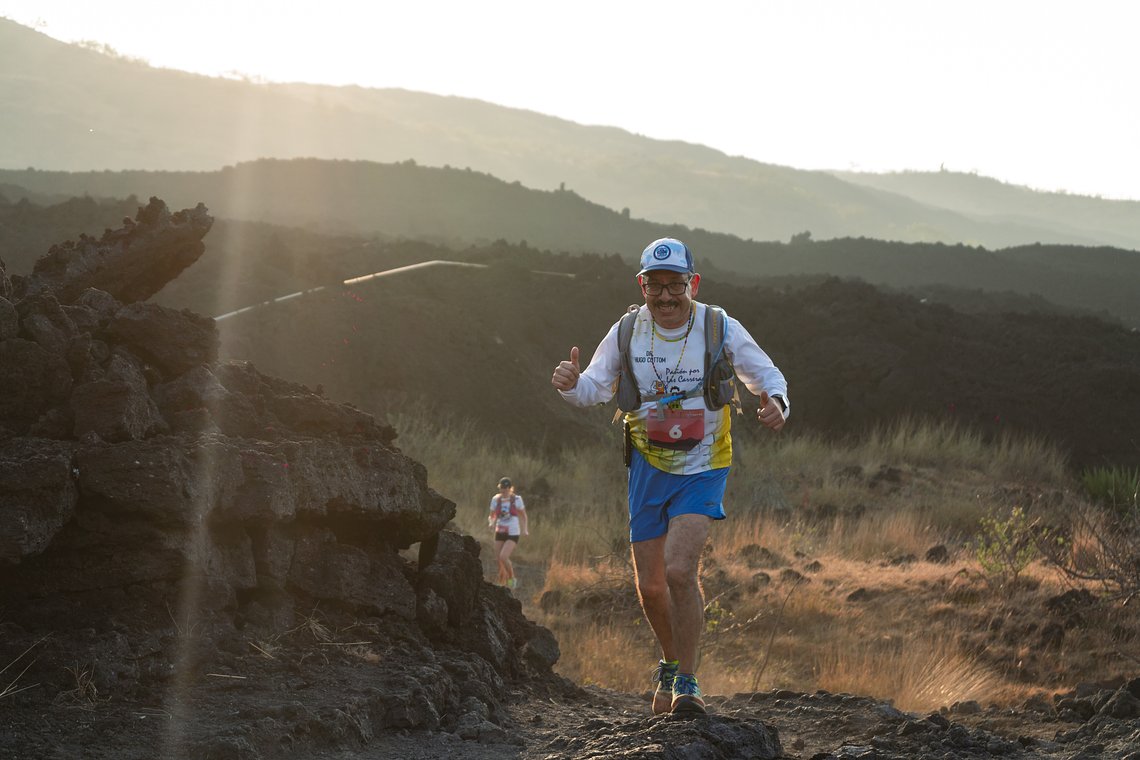
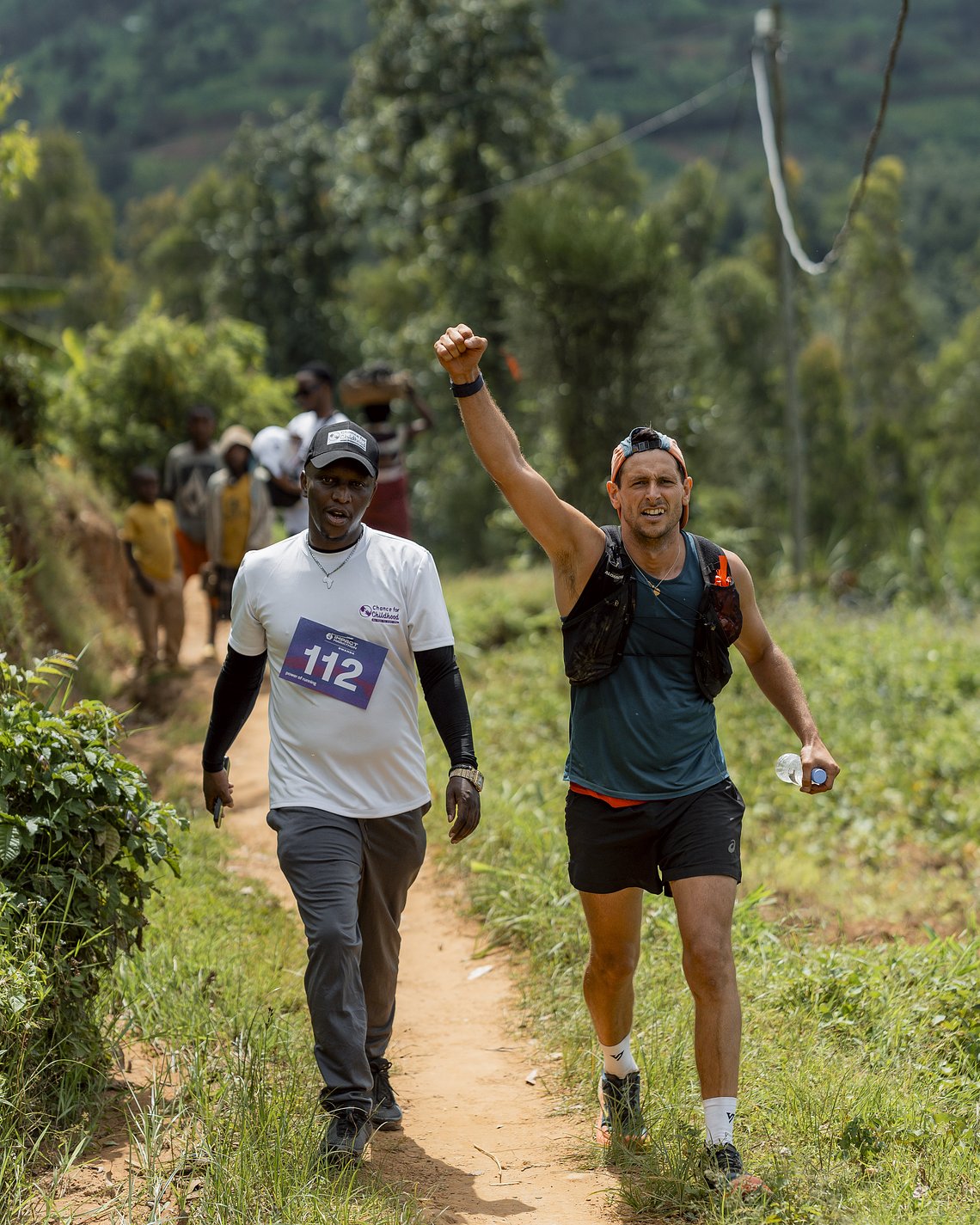
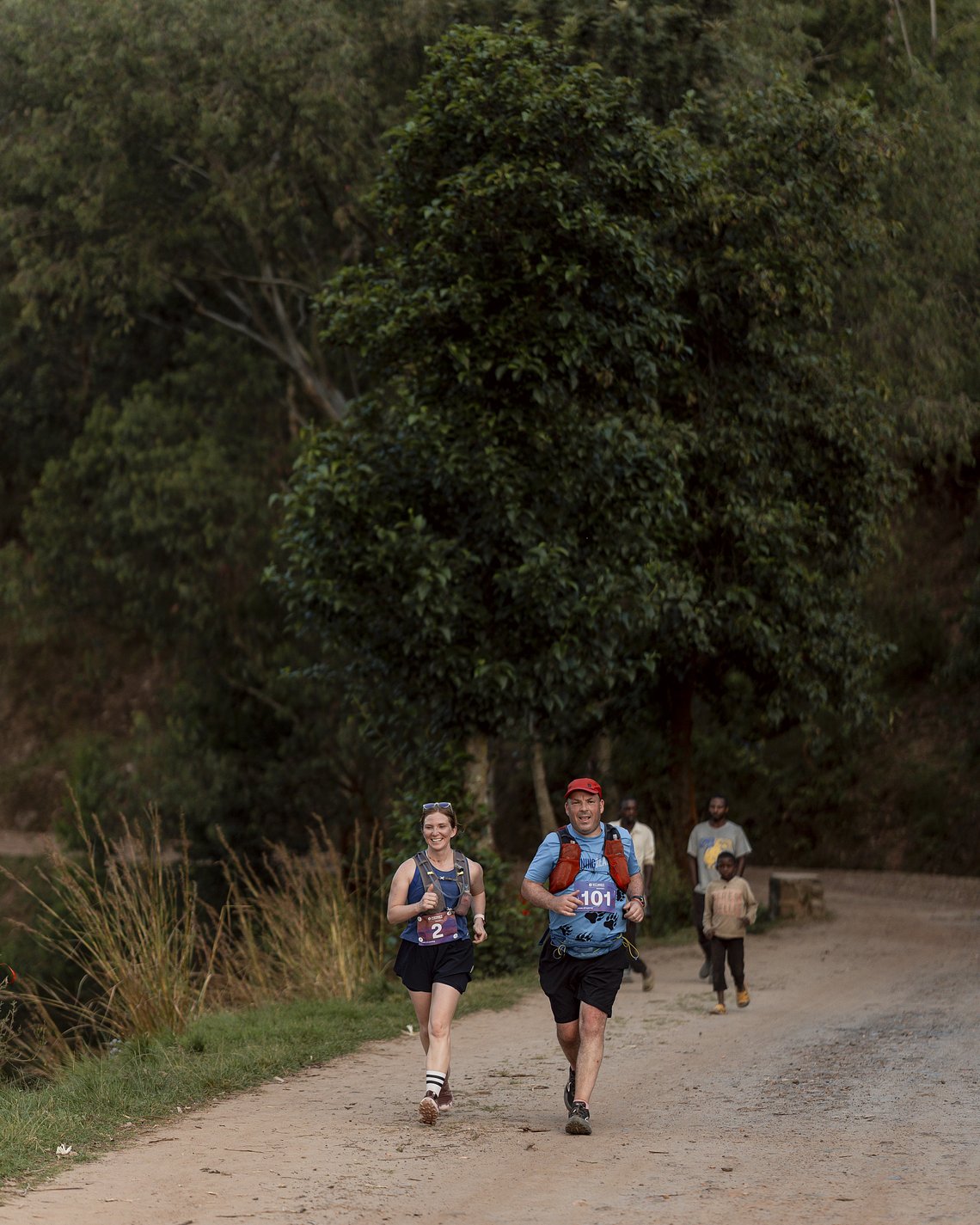
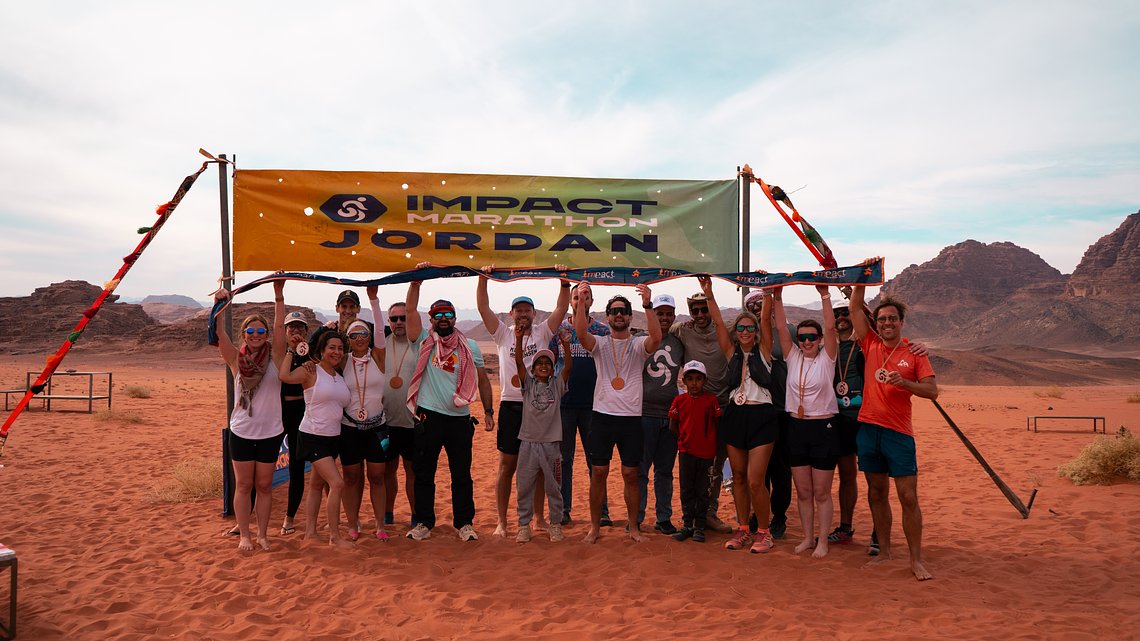
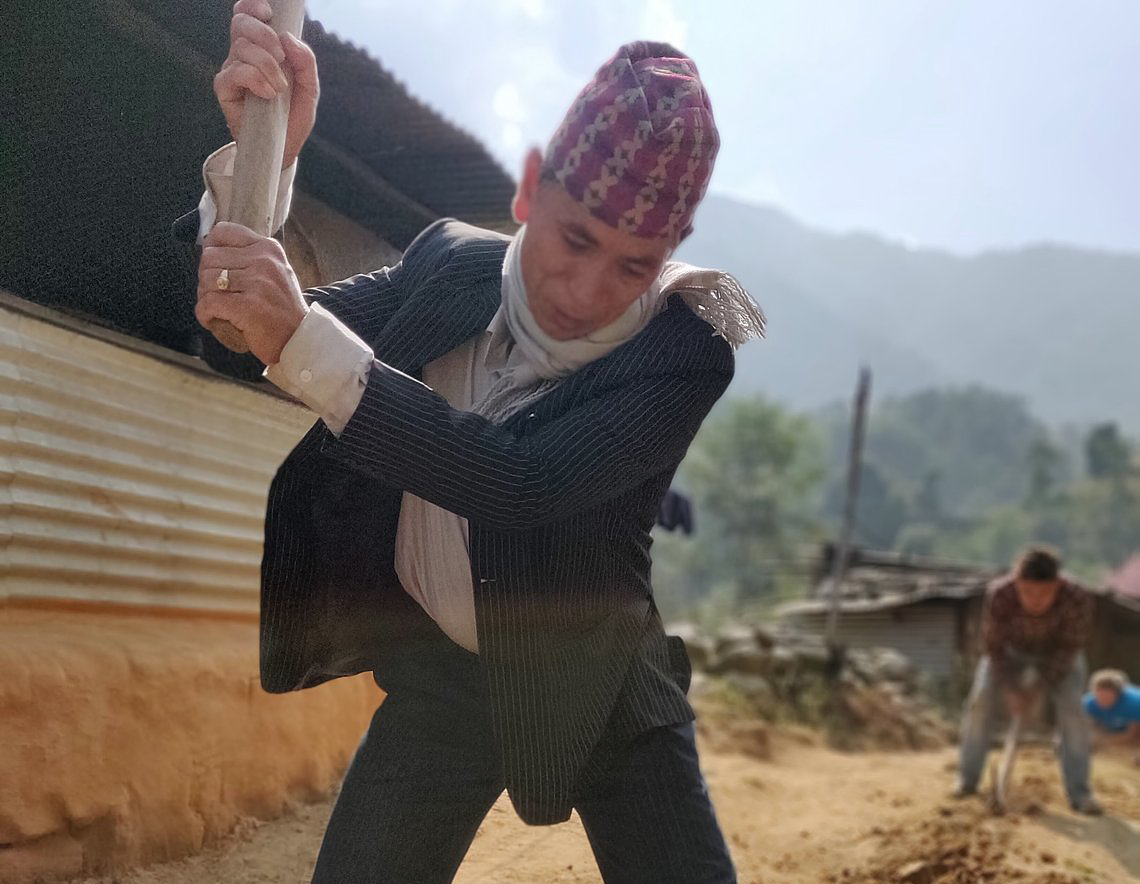
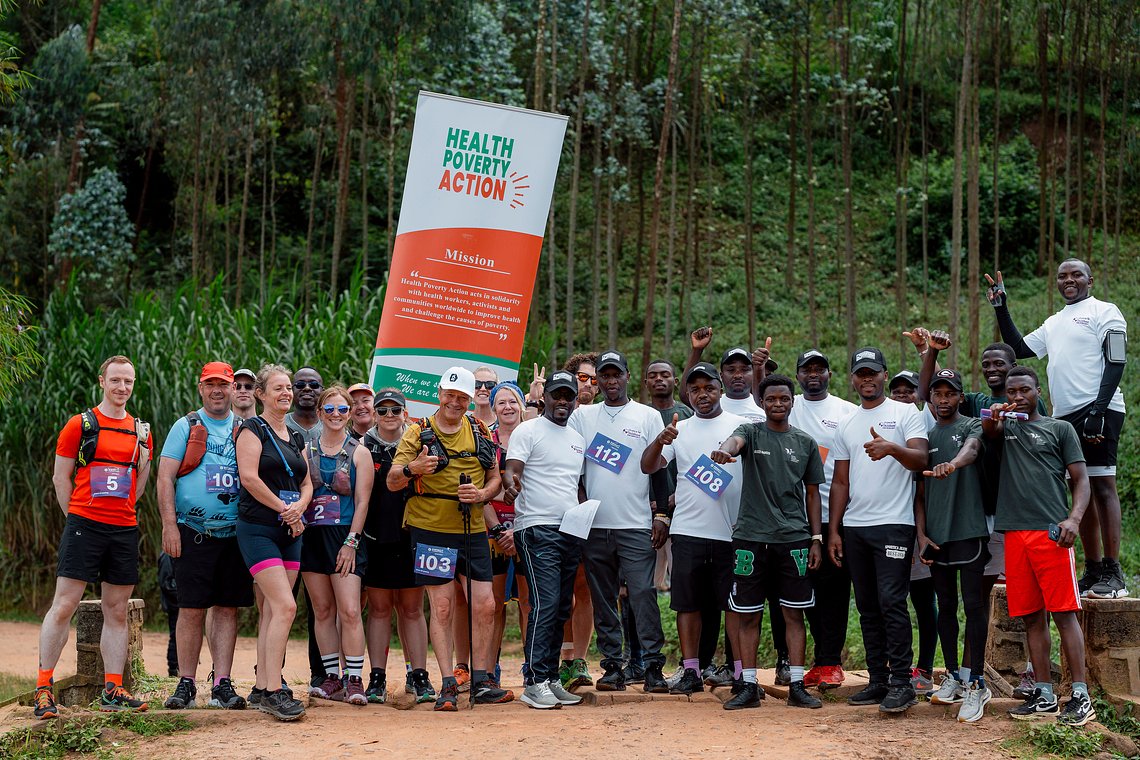
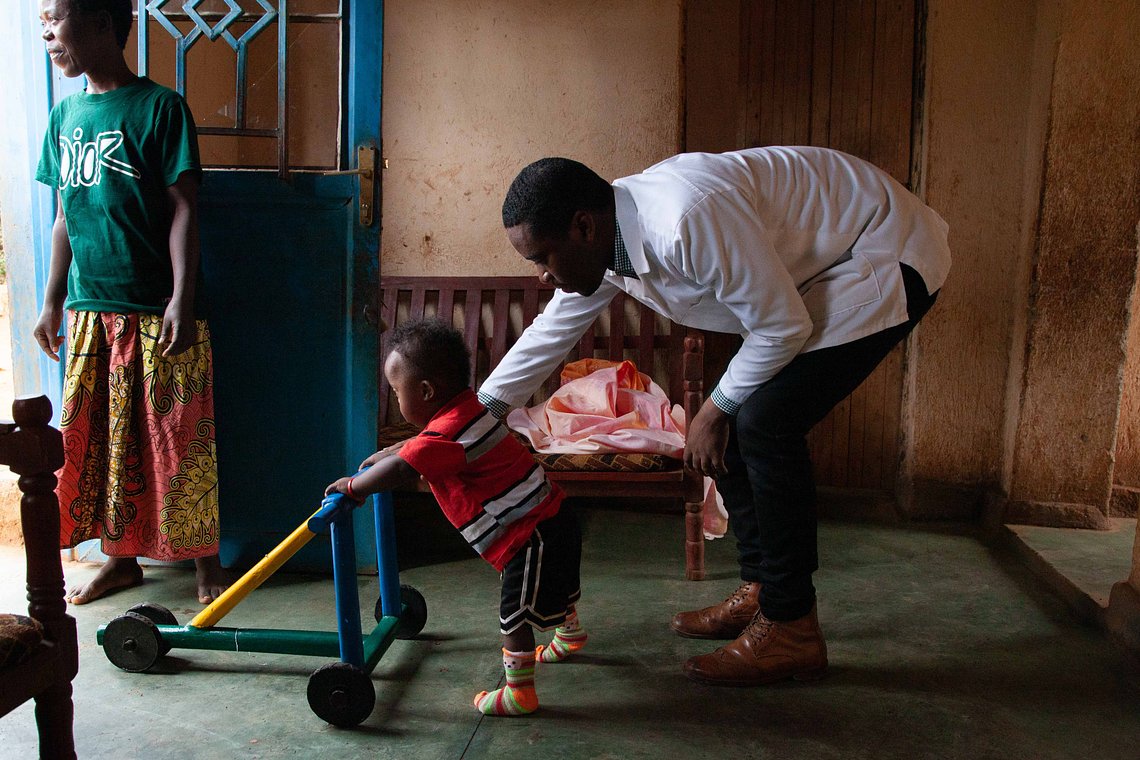
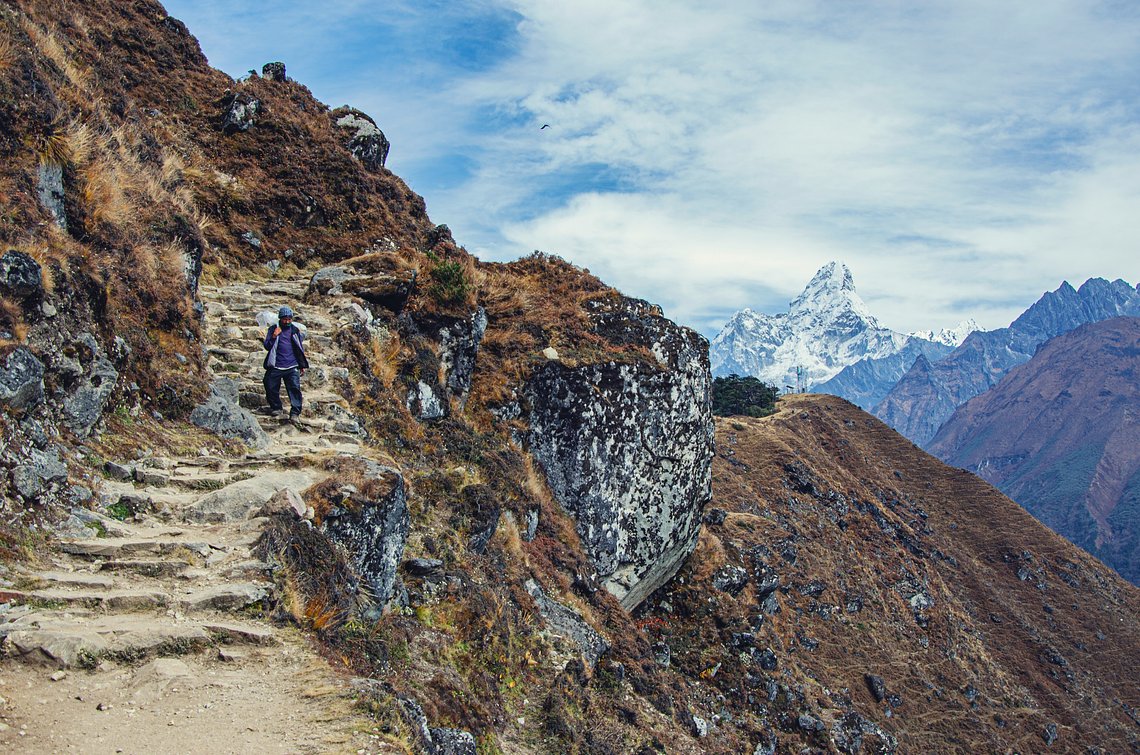
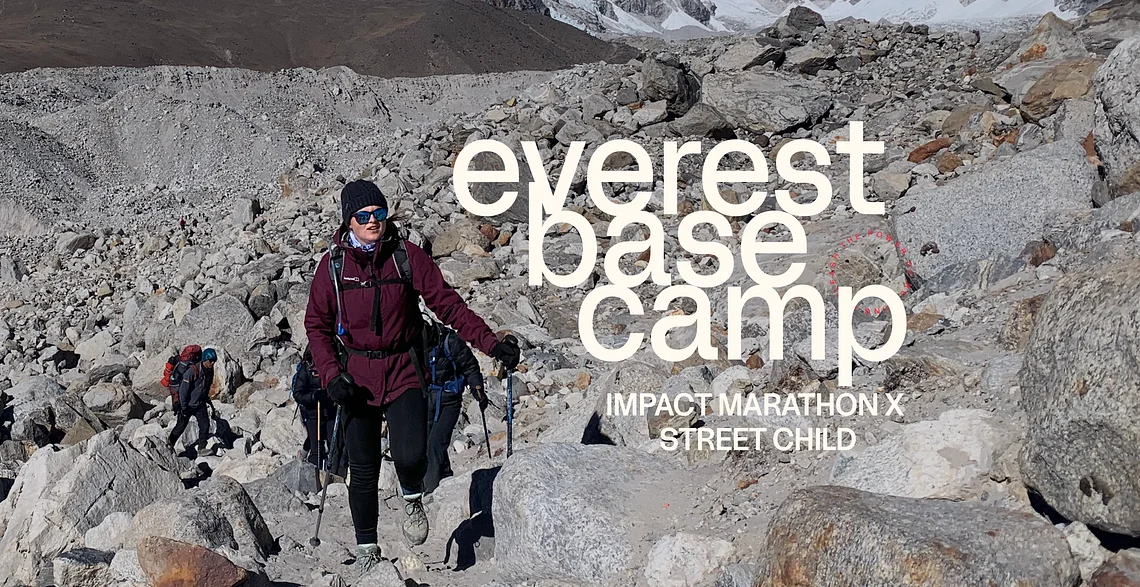
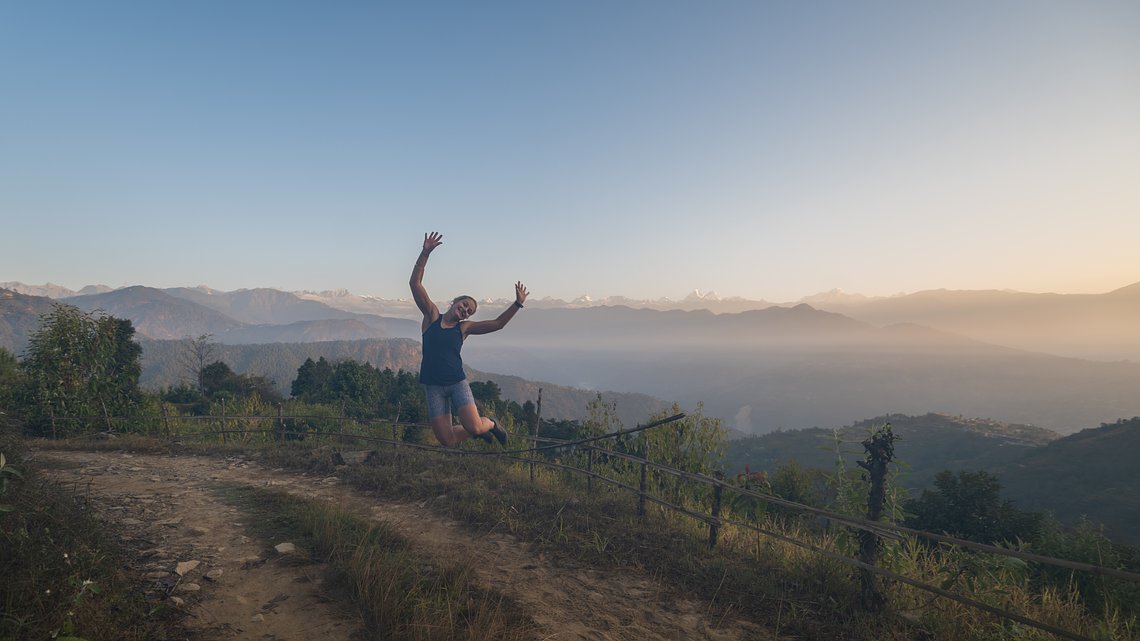
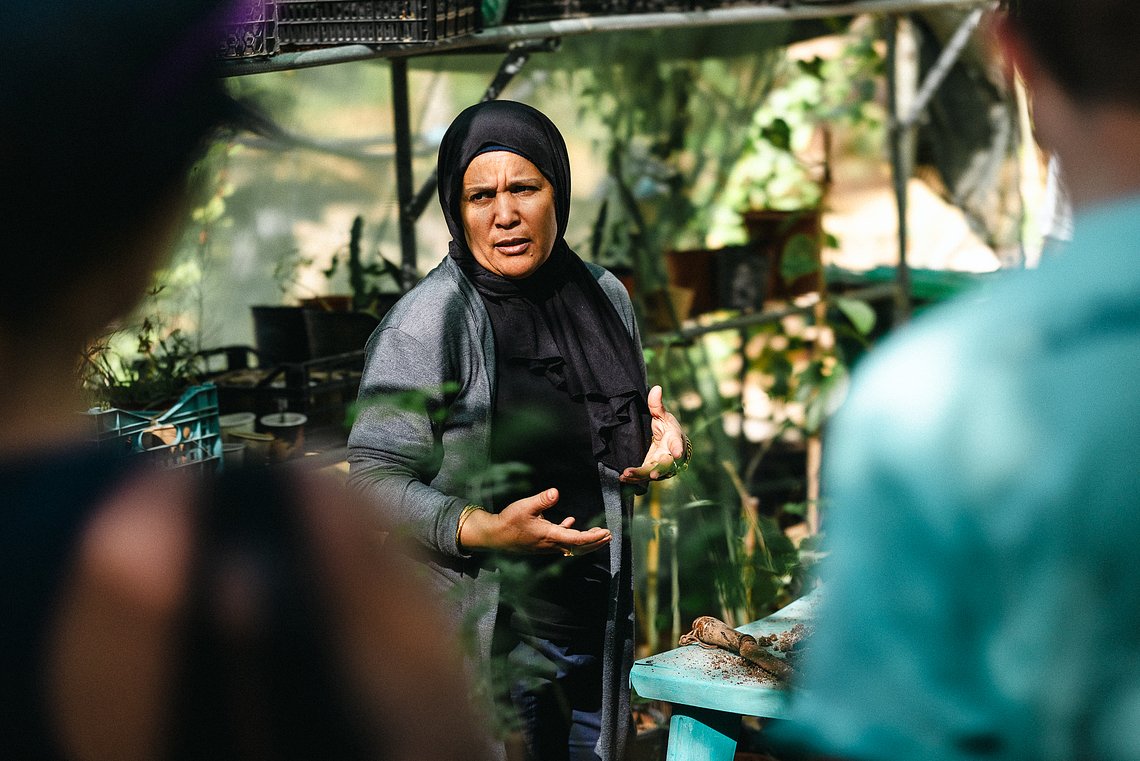
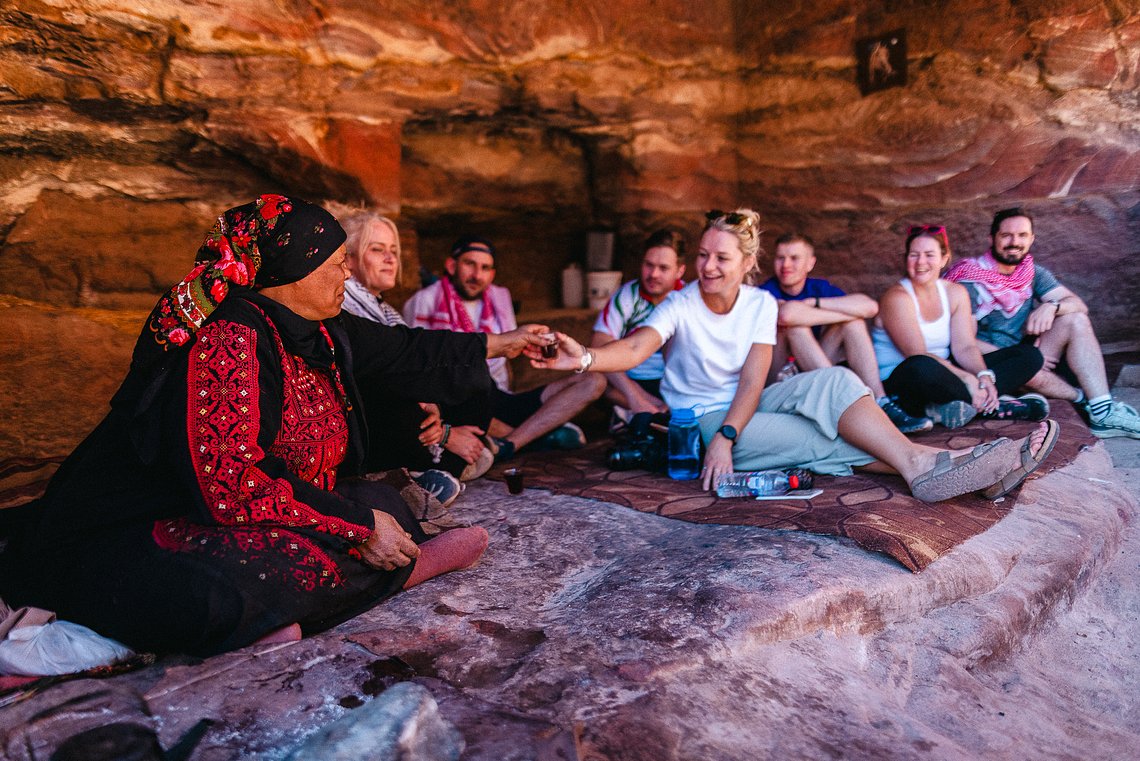
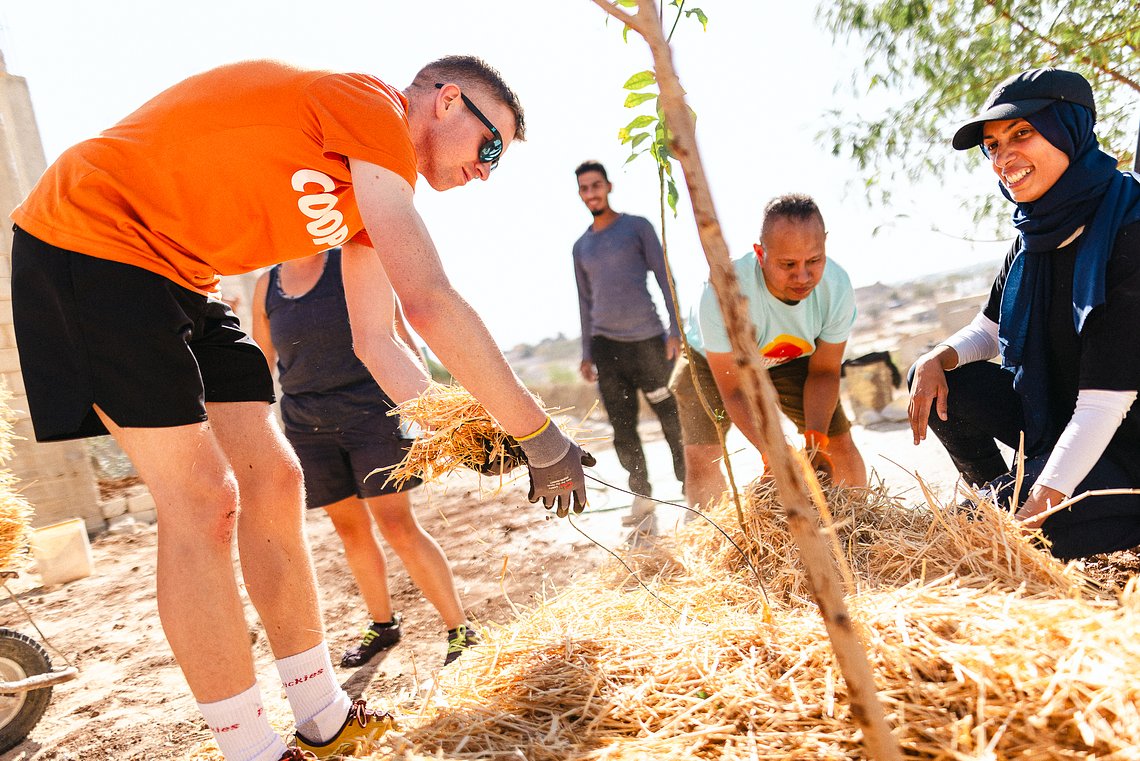
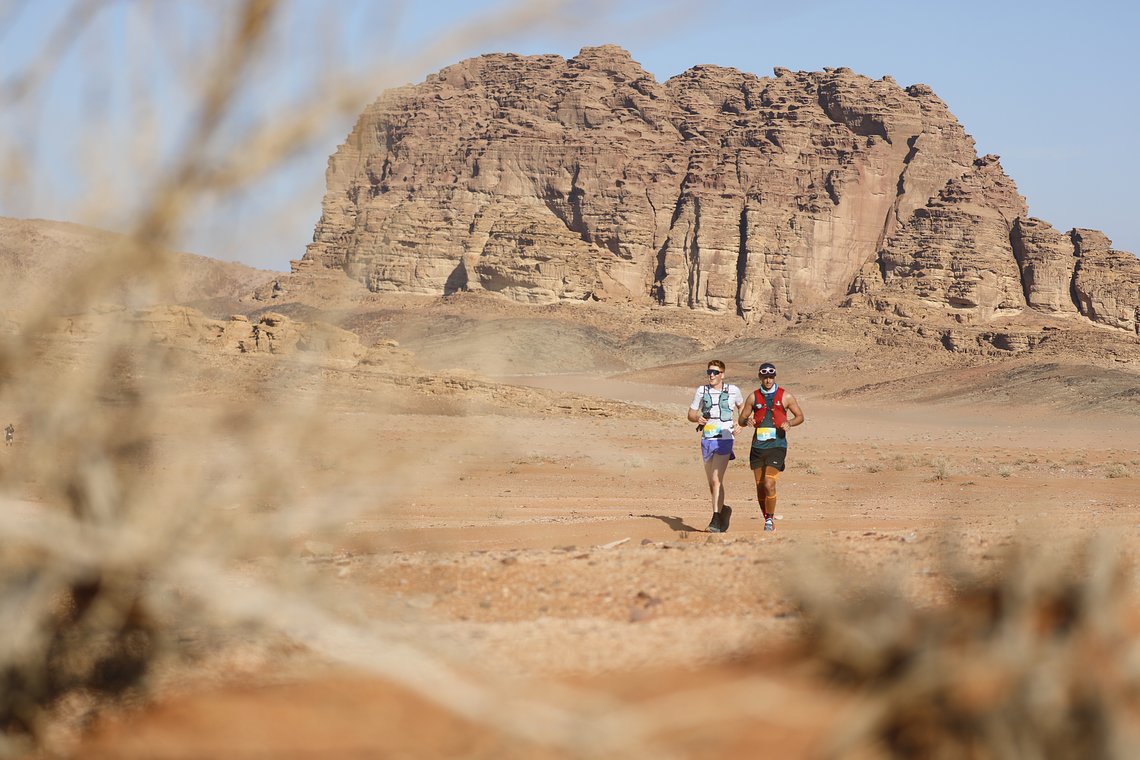
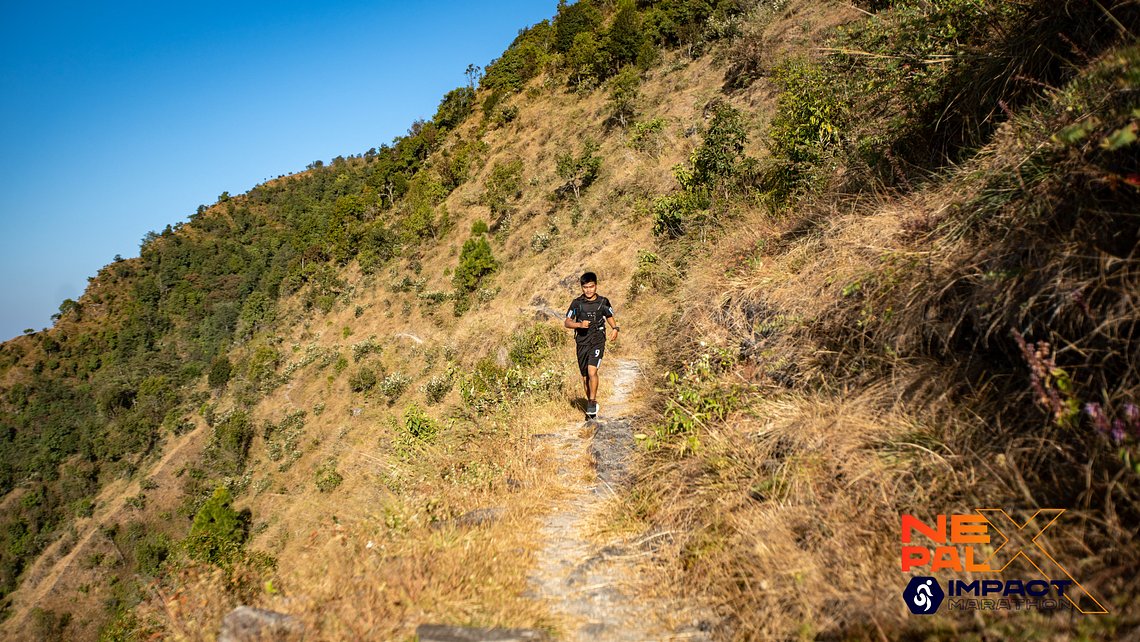
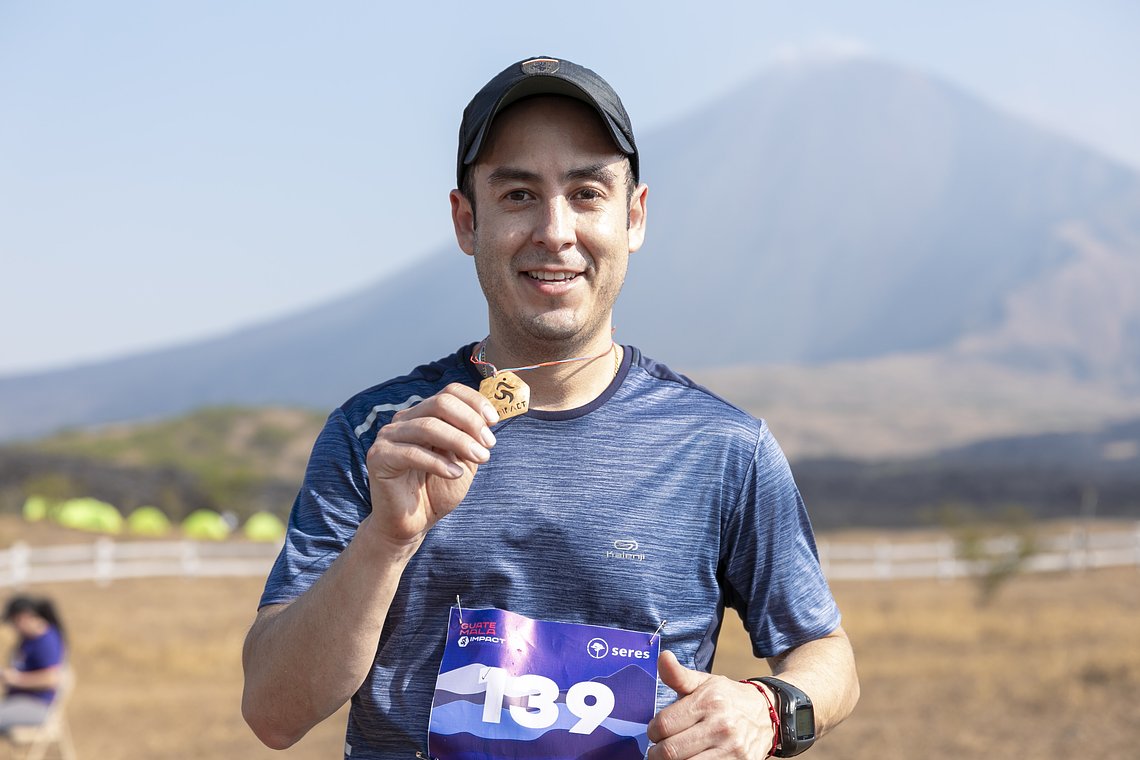
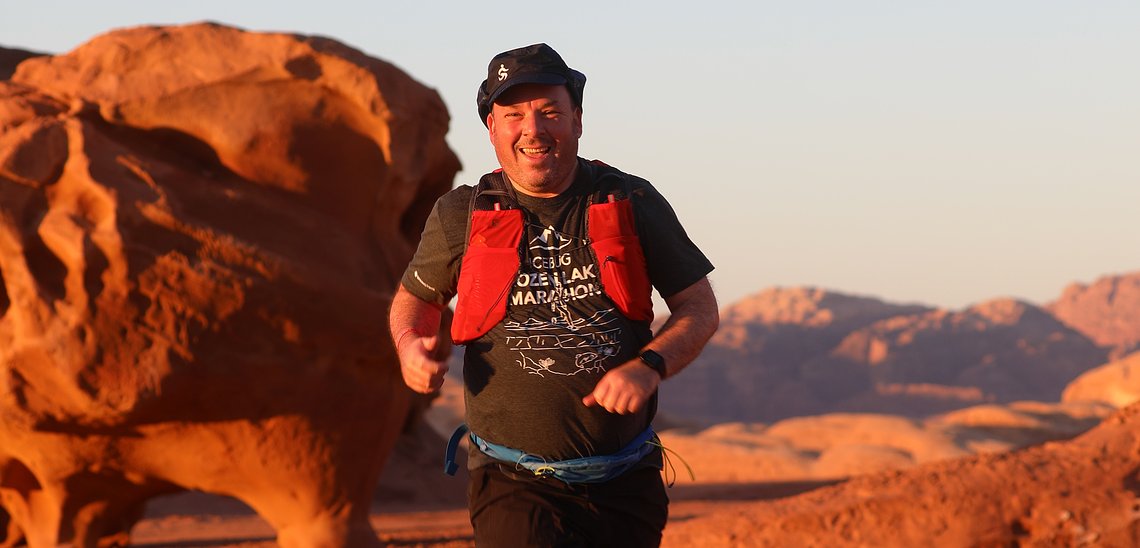
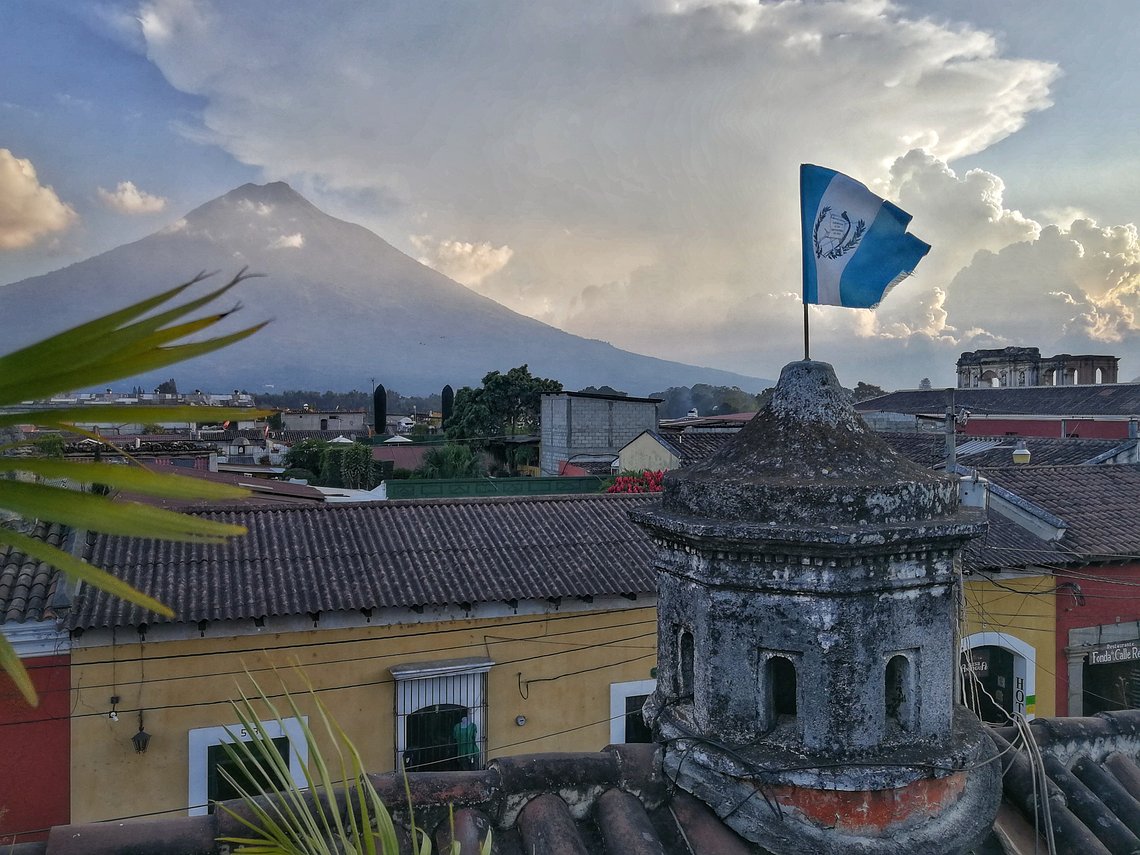
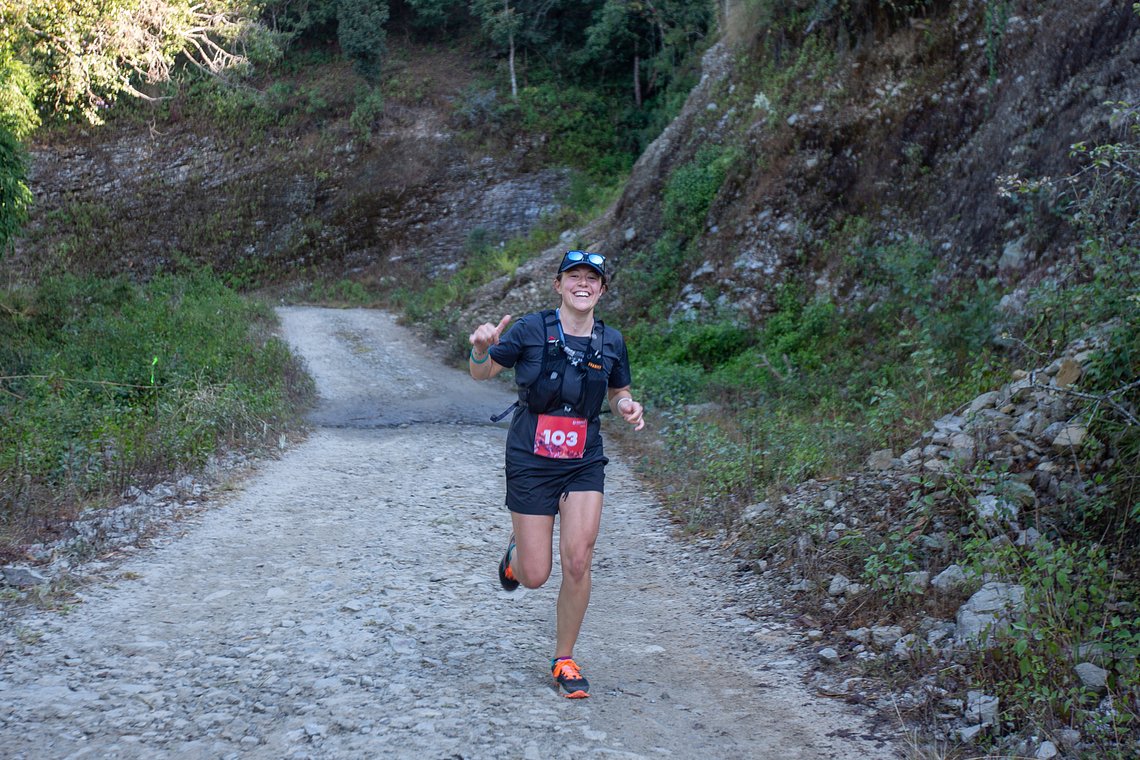
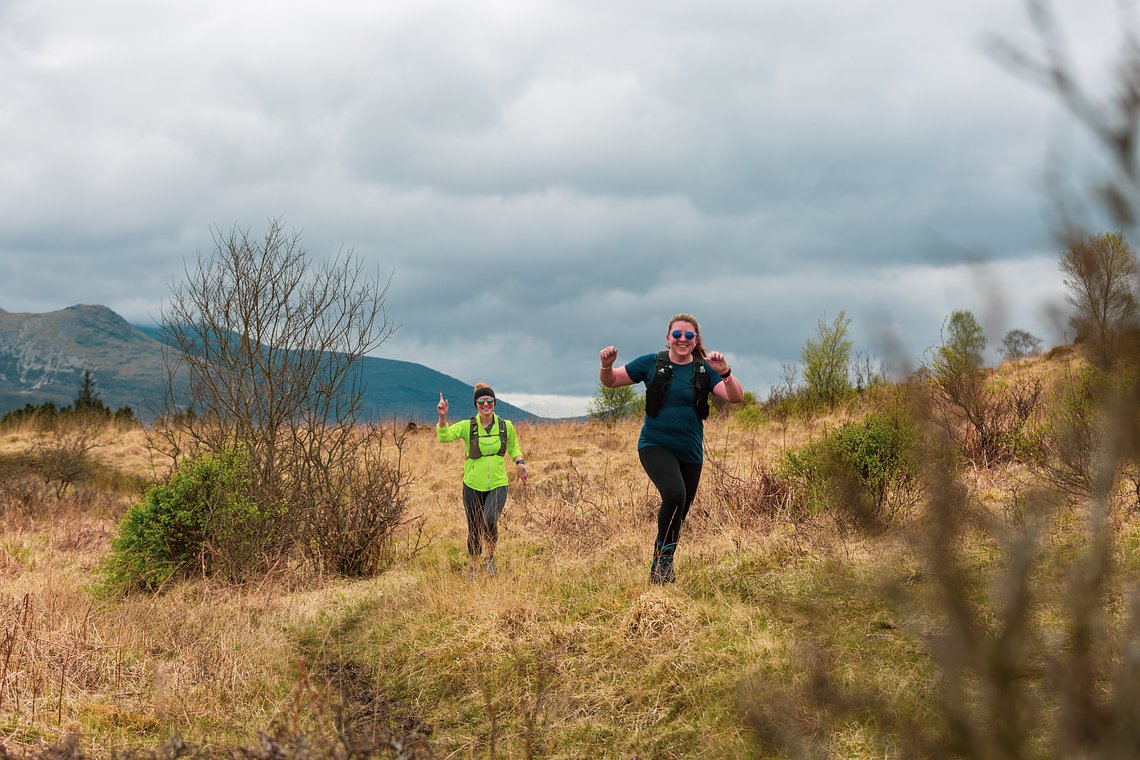
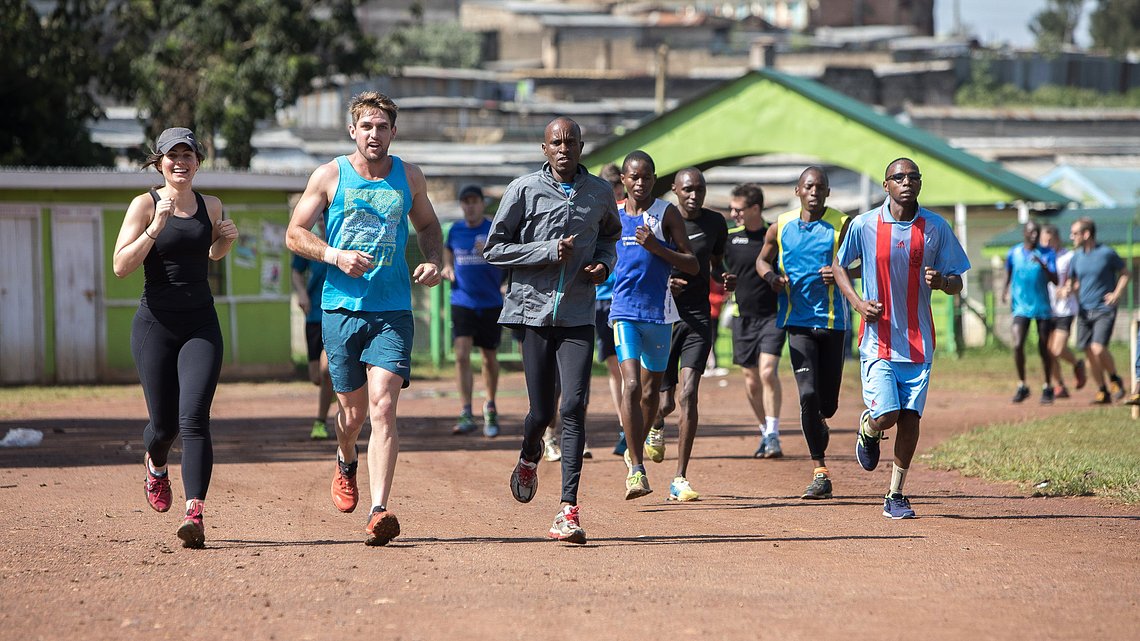
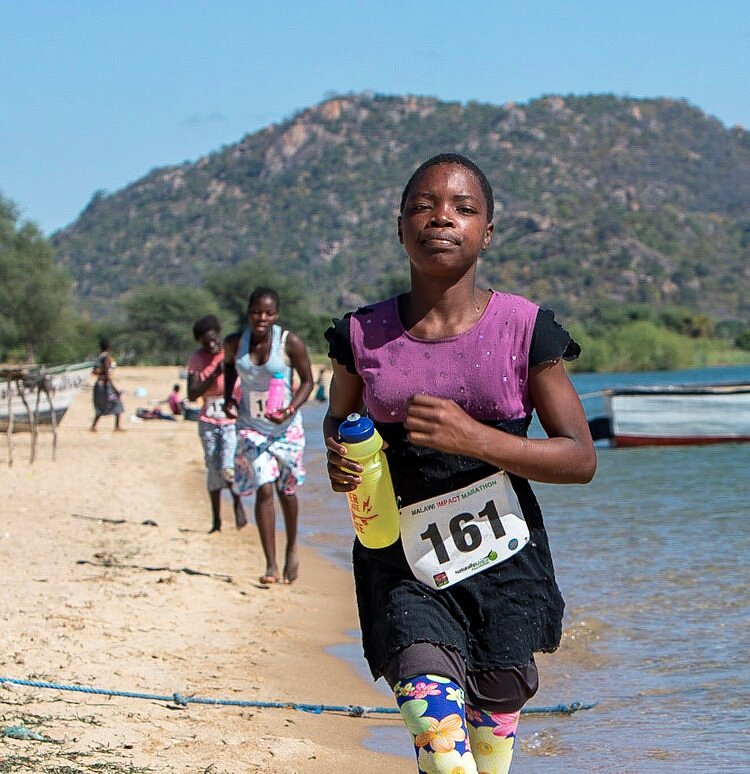
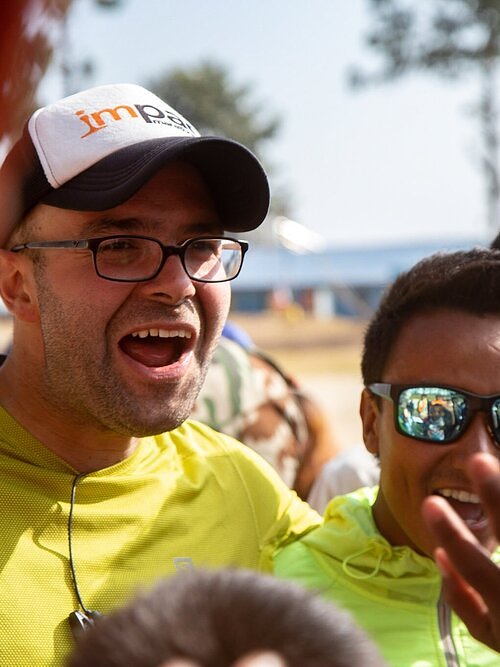
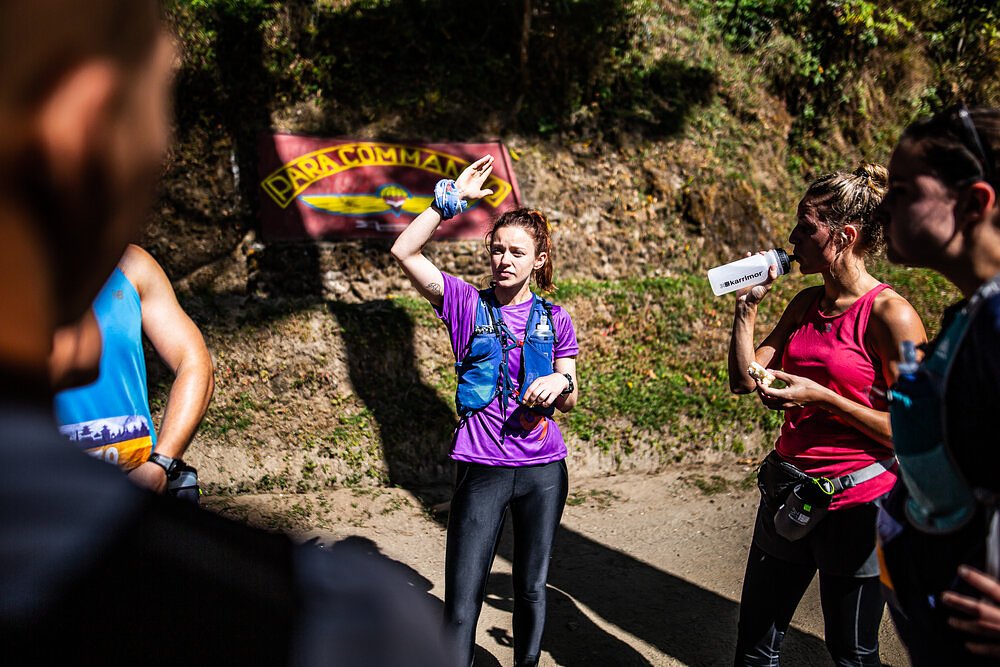
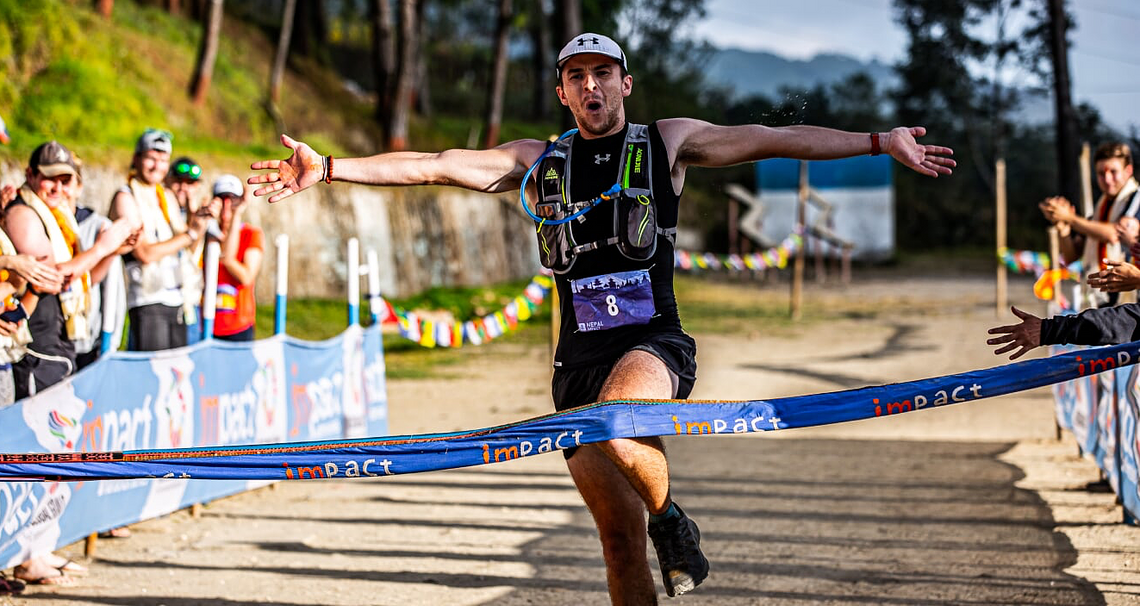
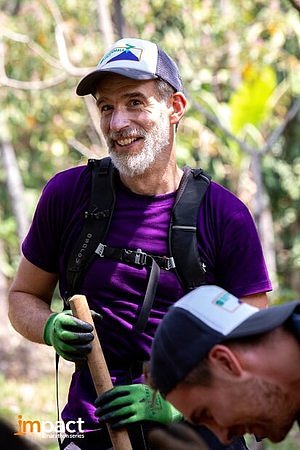
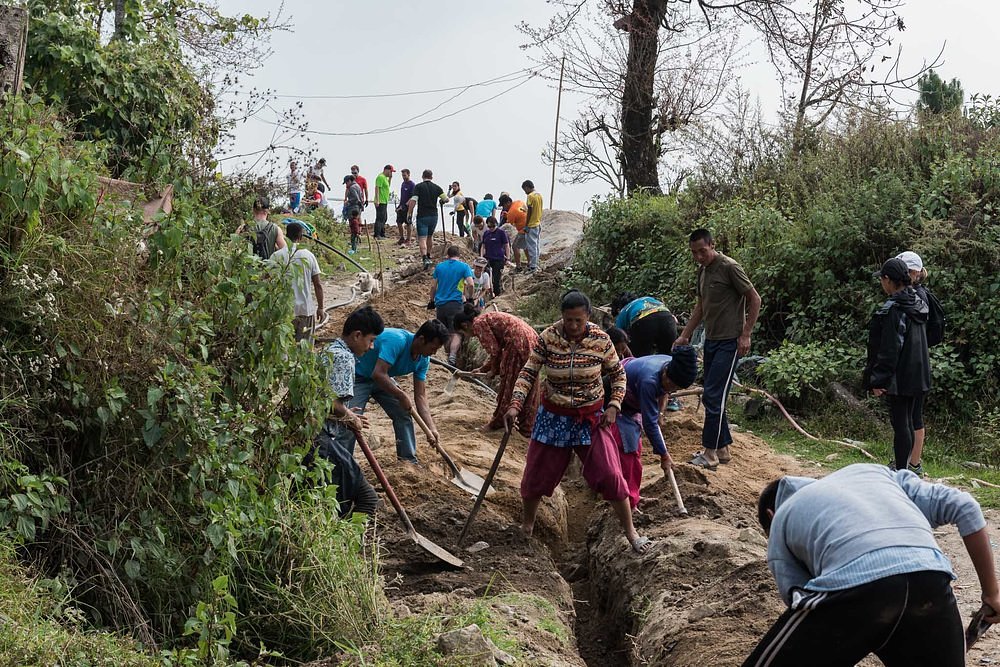
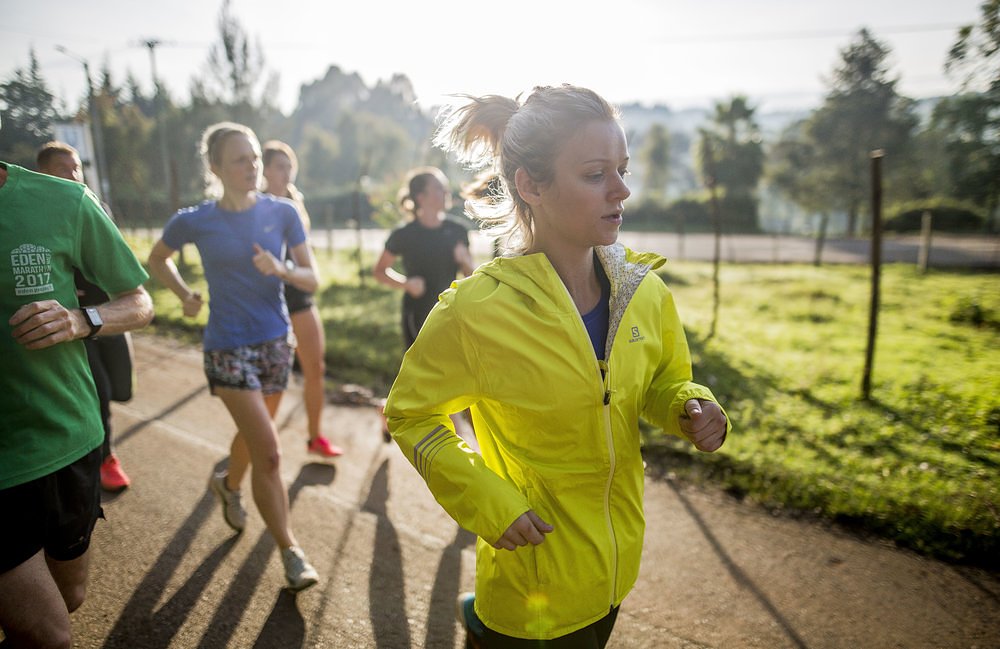
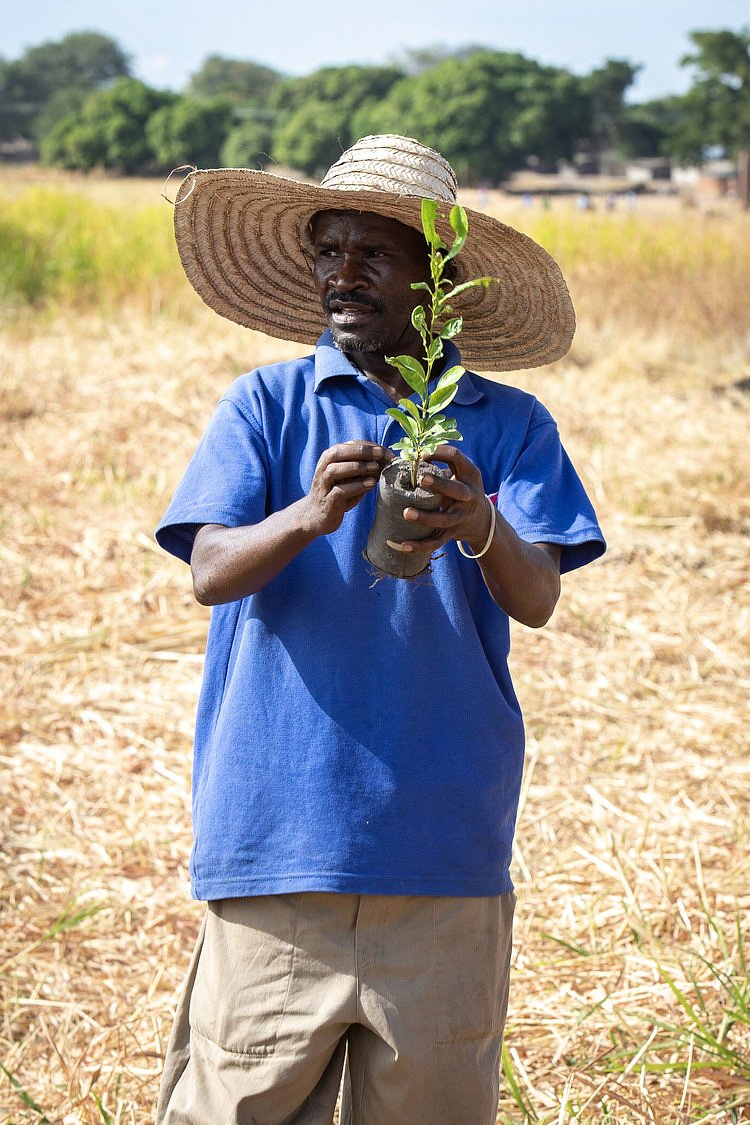
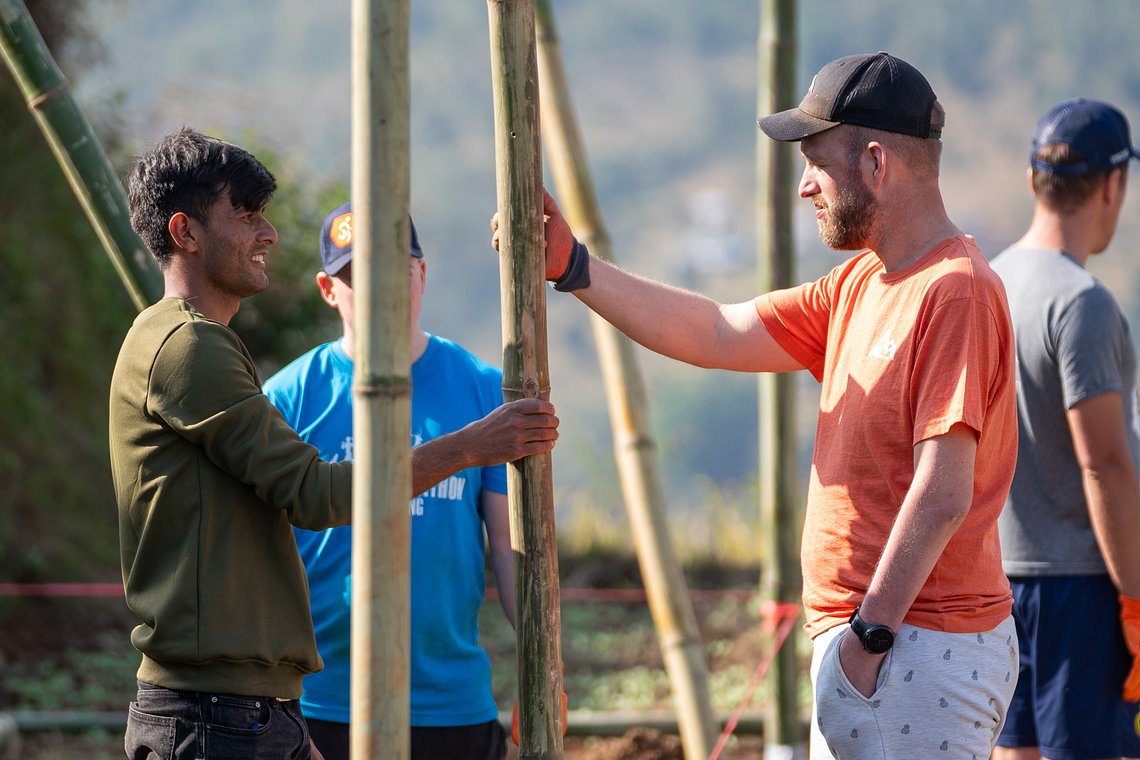
This is where it gets personal. Because we run events where people volunteer alongside communities in Rwanda, Nepal, Jordan, and Guatemala. We have seen what happens when a group of runners spends three days building a sensory garden for children with disabilities, or working on a regenerative agriculture project, or constructing classroom furniture with their hands.
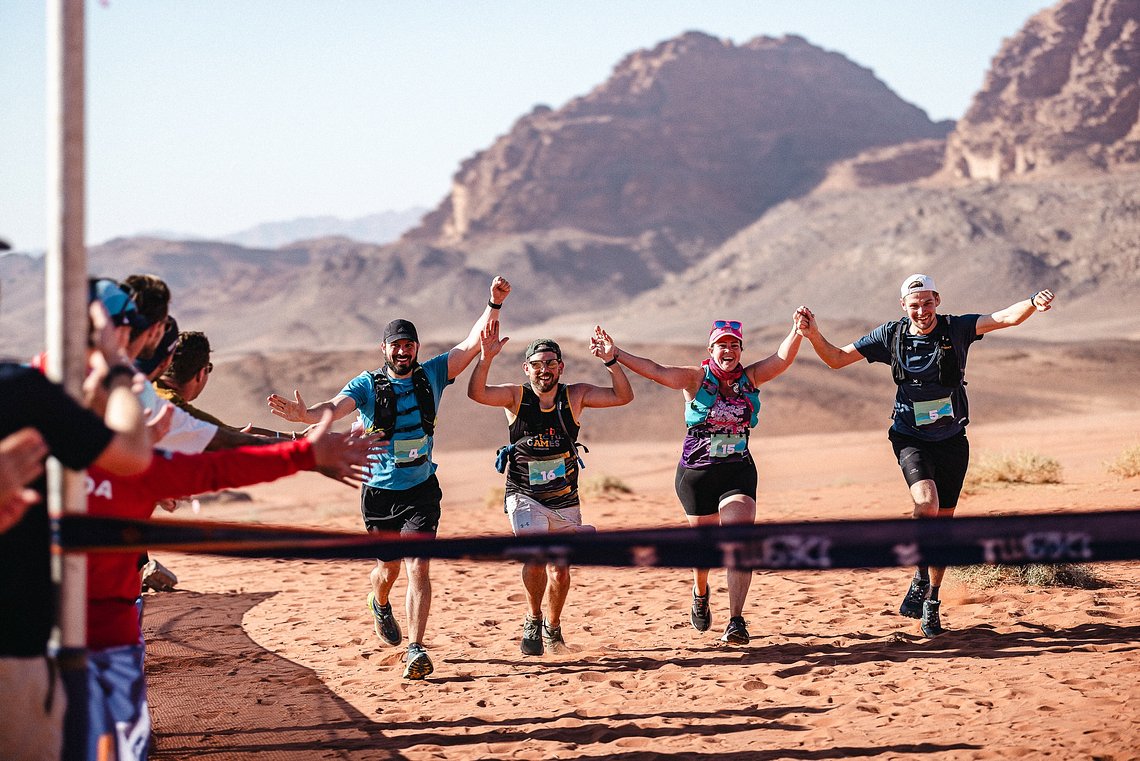
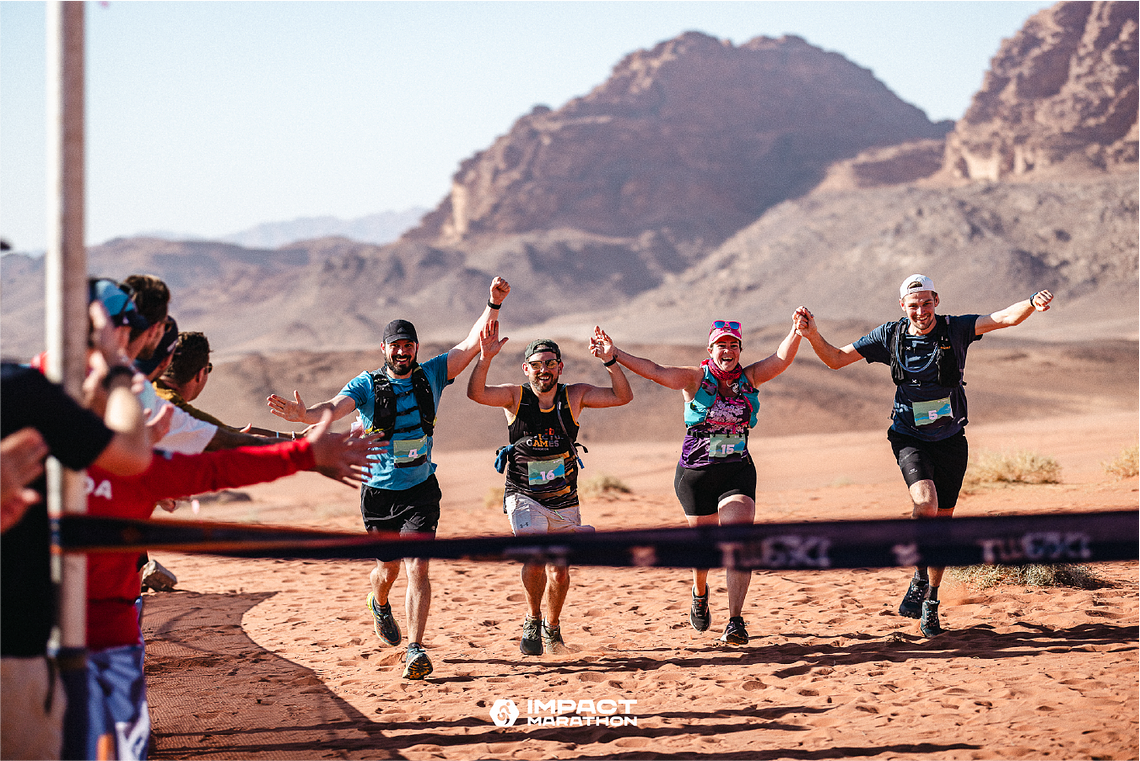
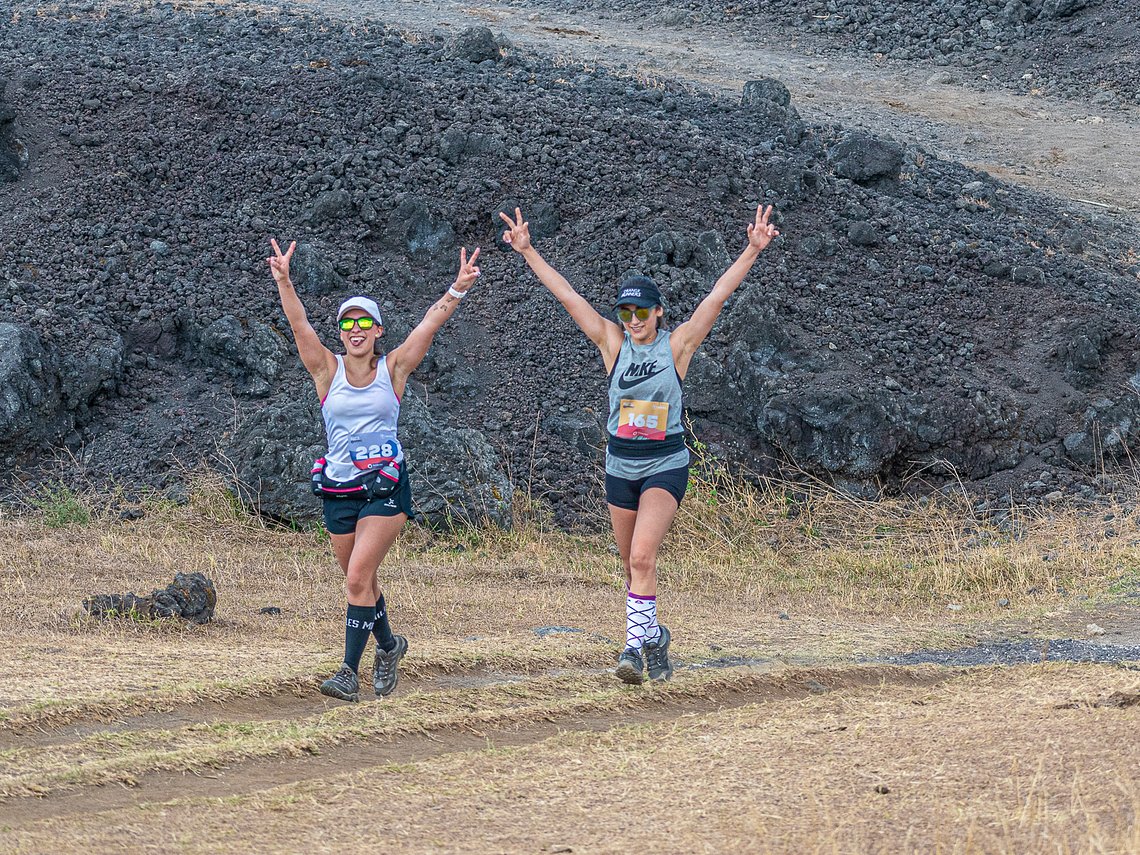
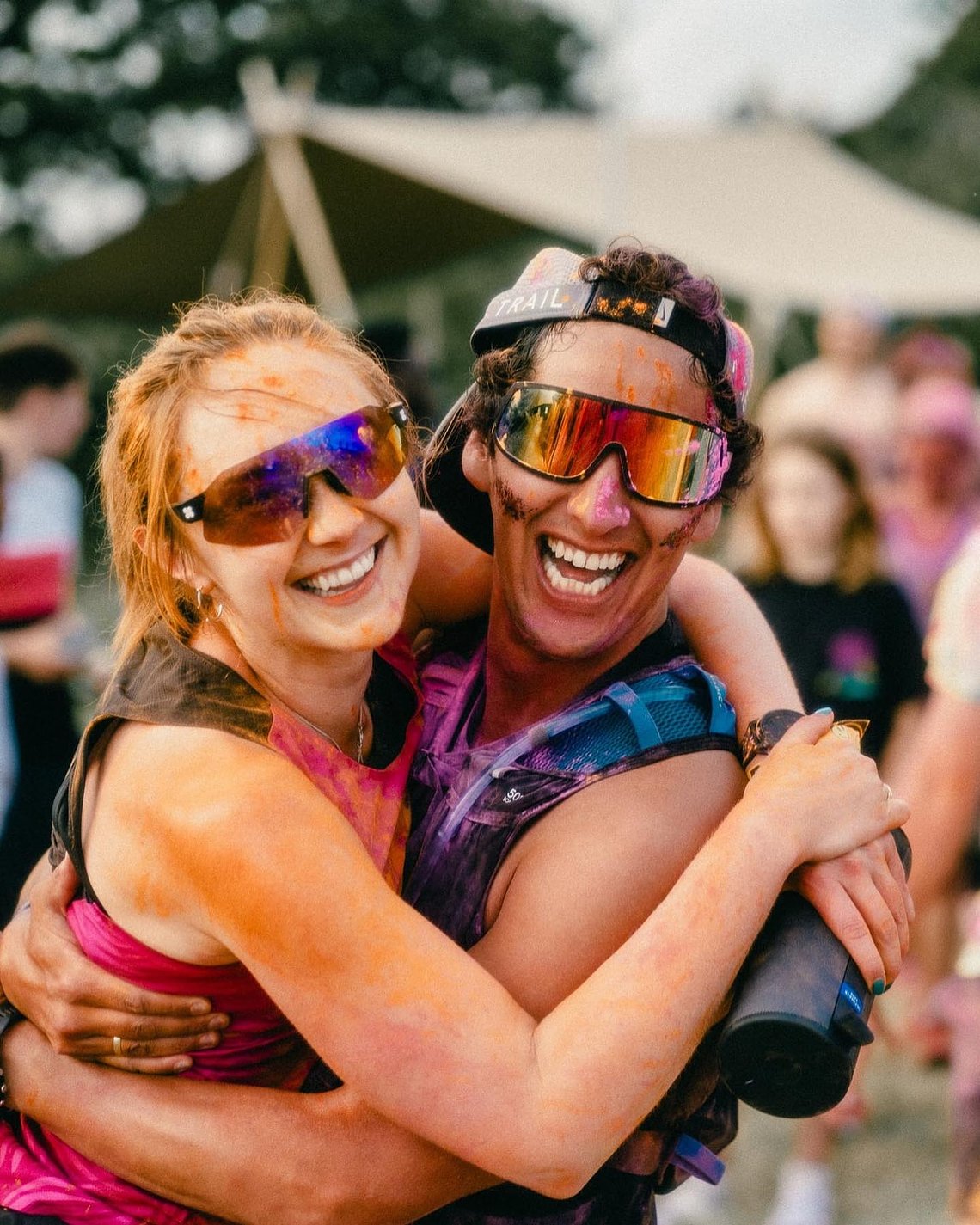
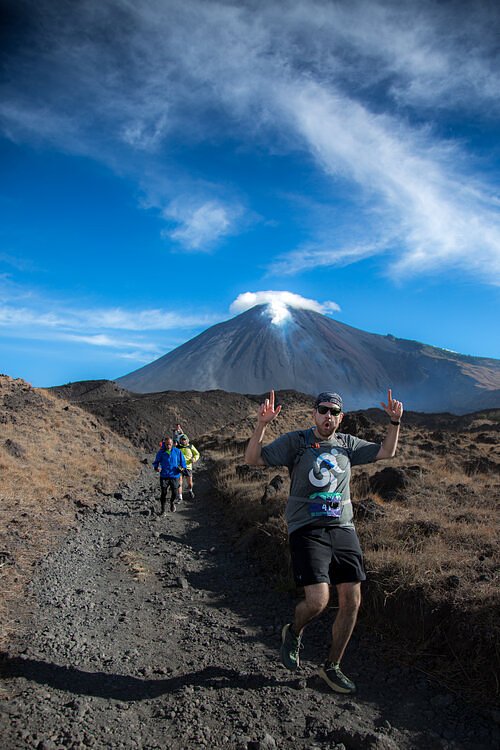
Something shifts but not in an abstract, spiritual, "I found myself" kind of way. This shift is a concrete, observable change. People sleep differently. They talk differently. They run differently on race day. The week builds towards the race as a crescendo, and by the time runners reach that start line, they are carrying something that no training plan could have given them: the knowledge that they have already done something that mattered.
We are not creating a wellness product here. We have no protocol. We do not seek optimisation. We simply have a community partner who has been doing this work for years, a project they have designed and that they lead, and a group of runners who show up with their hands and their willingness to be useful. The benefit to the volunteer is real, documented, and significant. But it is a byproduct, it is not the point.
That distinction matters to us as the research is clear on this. When the motivation shifts from "what will I get out of this?" to "how can I be useful here?", the neurological and psychological benefits increase. The helper's high is strongest when the help is real.
A different kind of wellness
We are not anti-wellness. We are not against cold plunges or sleep retreats or any of the rest of it. Anything that helps people feel better and function well is worth doing.
But we think the conversation is incomplete. The single largest factor in wellness is being overlooked - whether deliberate or not, we will not stop pushing until we see the best possible wellness ingredient added as a norm, not an exception.
The evidence suggests that the most powerful thing you can do for your mental health, your physical health, your sense of purpose, and your longevity is to give your time: regularly, relationally, and in service of something beyond yourself.
You do not need to fly to Rwanda to do this. You can volunteer at a food bank, mentor a young person, or spend time at a local school. The data says that two to three hours per week, sustained over time, is enough to produce meaningful benefits.
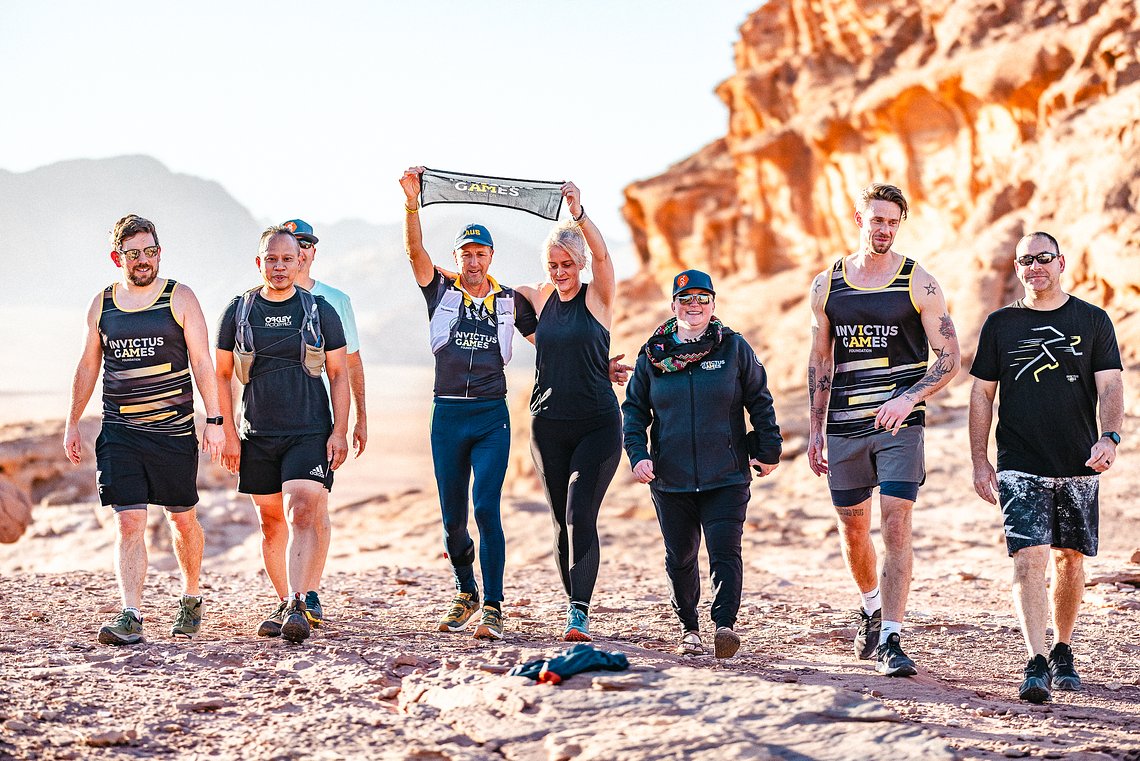
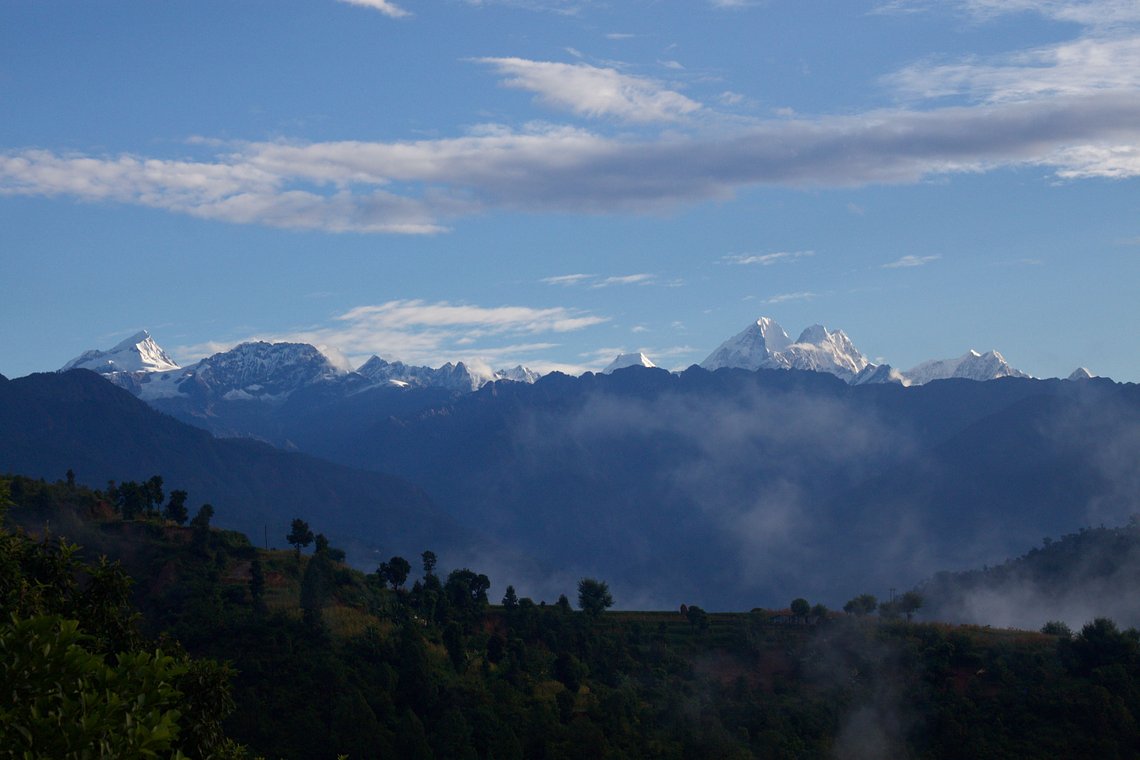
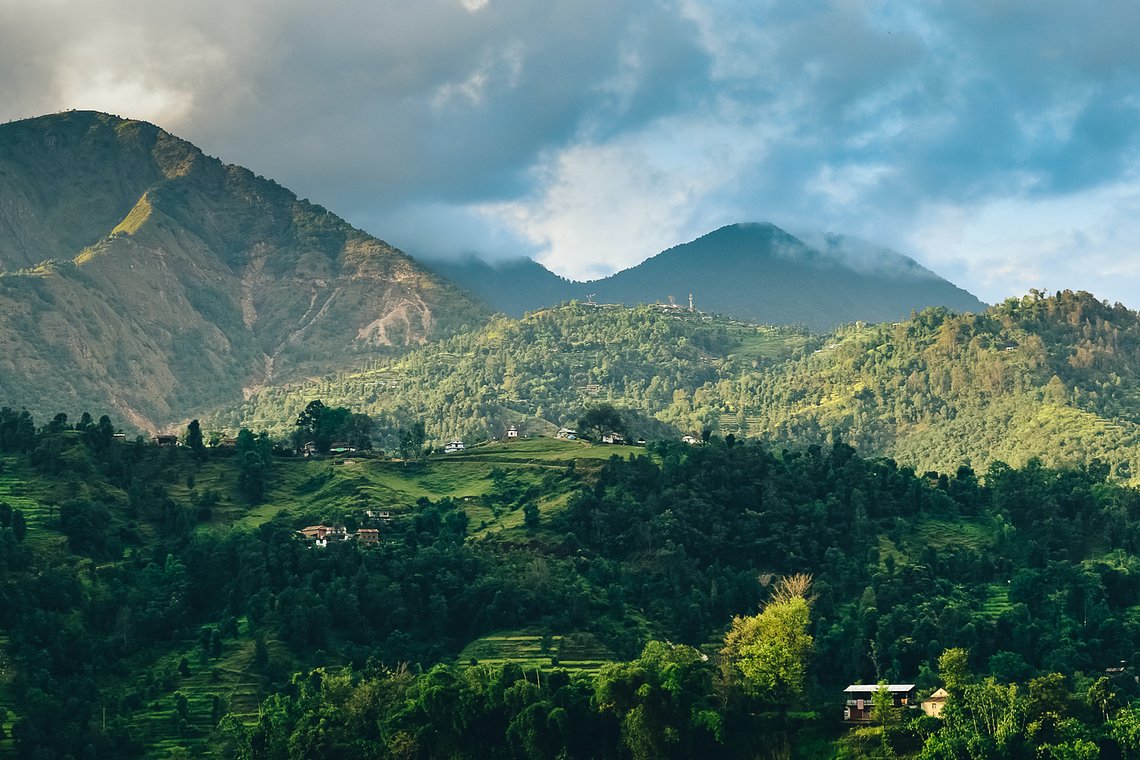
But if you have ever wanted to combine that impulse with running through some of the most extraordinary landscapes on earth, with a small group of people who share your values, in a way that funds community-led projects and publishes where every pound goes, then this might be the kind of week that changes something in you. Not because we designed it to. Because that is what happens when you stop trying to fix yourself and start being useful to someone else.
Your nervous system does not need another retreat. It needs a reason to believe that what you do in the world matters.
Give your time. It is the most valuable thing you have. And the extraordinary truth is that every hour you give comes back to you in your brain chemistry, in your physical health, in your sense of who you are and what you are for.
The science is clear. The opportunity is real. The question is whether you will act on it.
----
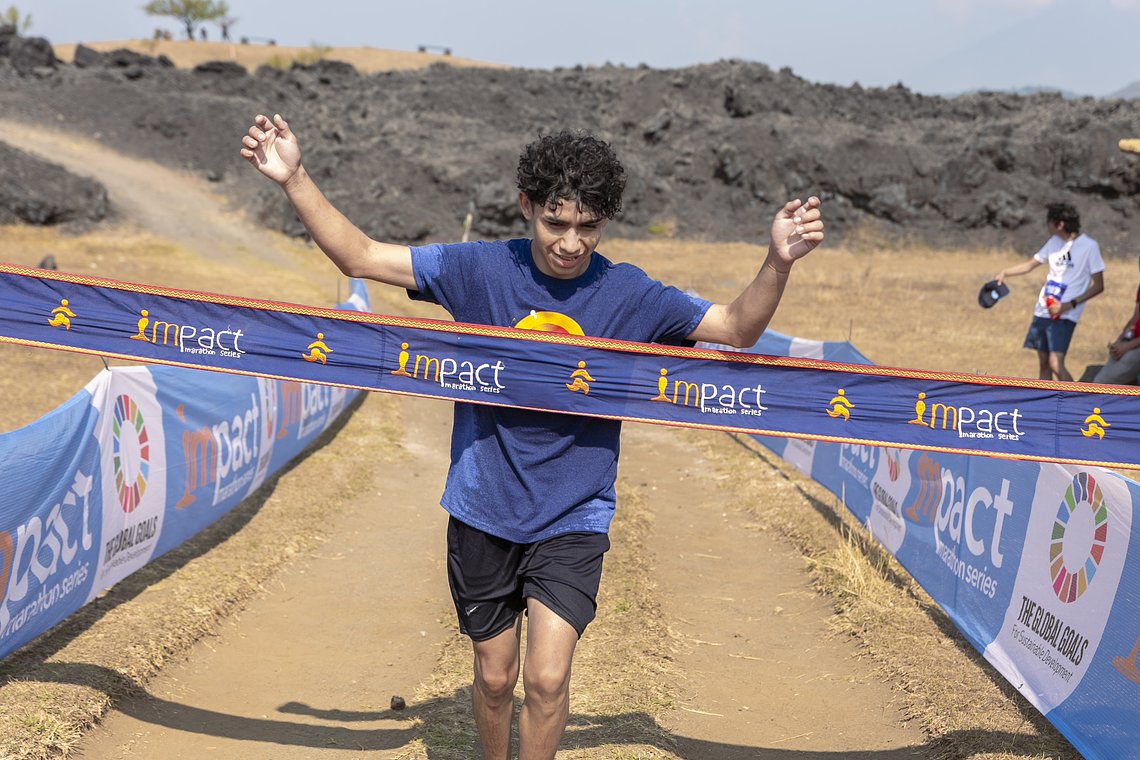
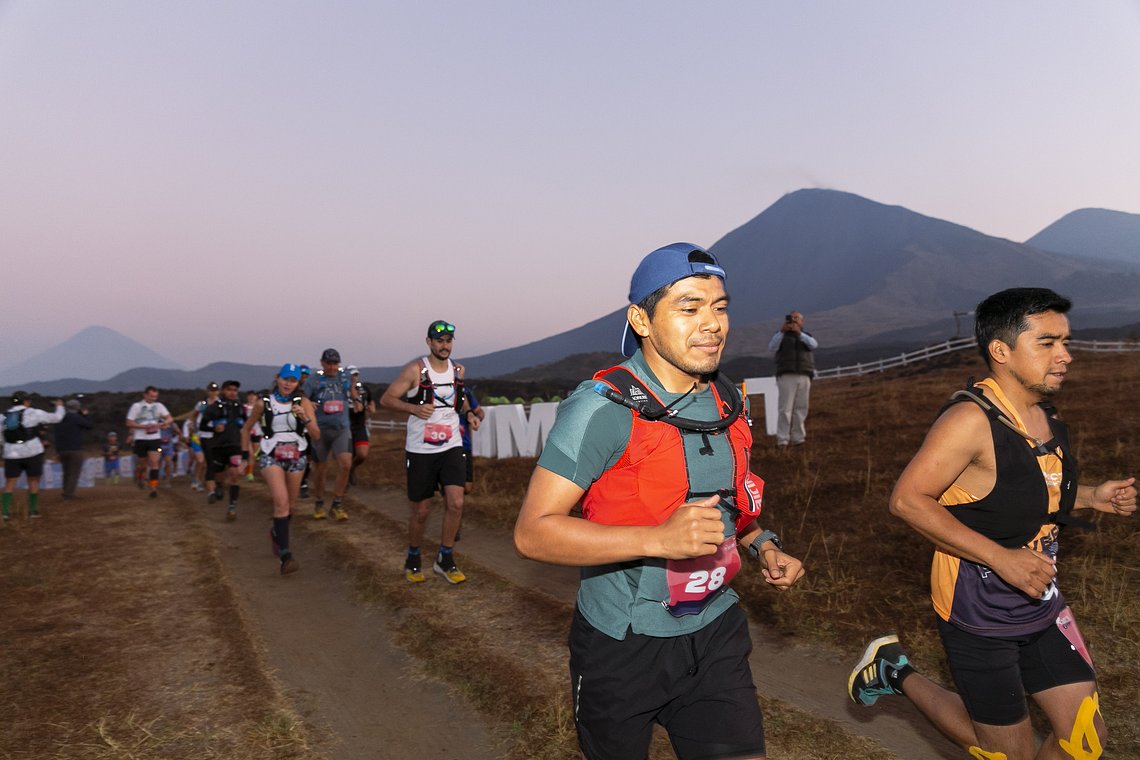
Impact Marathon Series runs small-group, founder-led running weeks in Rwanda, Nepal, Jordan, and Guatemala. Every week includes structured volunteering with community partners, trail racing (10km / 21km / 42km), and cultural immersion. We publish where every pound goes.
Explore our upcoming races at impactmarathon.com
Sources referenced in this article
- Baltimore Experience Corps Trial — Johns Hopkins University (Carlson et al., 2015, published in Alzheimer's & Dementia)
- Volunteering and subjective wellbeing — Journal of Happiness Studies (Lawton et al., 2020)
- Volunteering and physical health — Harvard T.H. Chan School of Public Health (Kubzansky, research cited in NPR, December 2024)
- Volunteering and blood pressure — Carnegie Mellon University (Sneed & Cohen, published in Psychology and Aging)
- Helper's high and neurochemistry — Baylor College of Medicine (Shah, 2024)
- Oxytocin and prosocial behaviour — The Neuroscientist (Marsh et al., 2021)
- Umbrella review of volunteering benefits — BMC Public Health (Nichol et al., 2024)
- Optimal volunteering dosage — AbleTo / multiple sources (2-3 hours per week / approx. 100 hours per year)
- Wellness travel trends — National Geographic Traveller UK, Global Hotel Alliance, Elite Traveler (all 2026)
- Global wellness tourism market — Global Wellness Institute ($1.4 trillion projection by 2027)