Tue 31 Mar 2026 • Nick Kershaw
What Is an Impact Week? The Running Trip That Is Not a Holiday
SHARE THIS POST
An Impact Week is not a race with volunteering bolted on. It's a week designed with intention: volunteering; trail running; and real travel, founder-led experience.
People ask us this all the time. What actually is it? Is it a race? Is it a charity trip? Is it a holiday?
The honest answer is that it is none of those things, and a bit of all of them, and something else entirely that is hard to explain until you have done it.
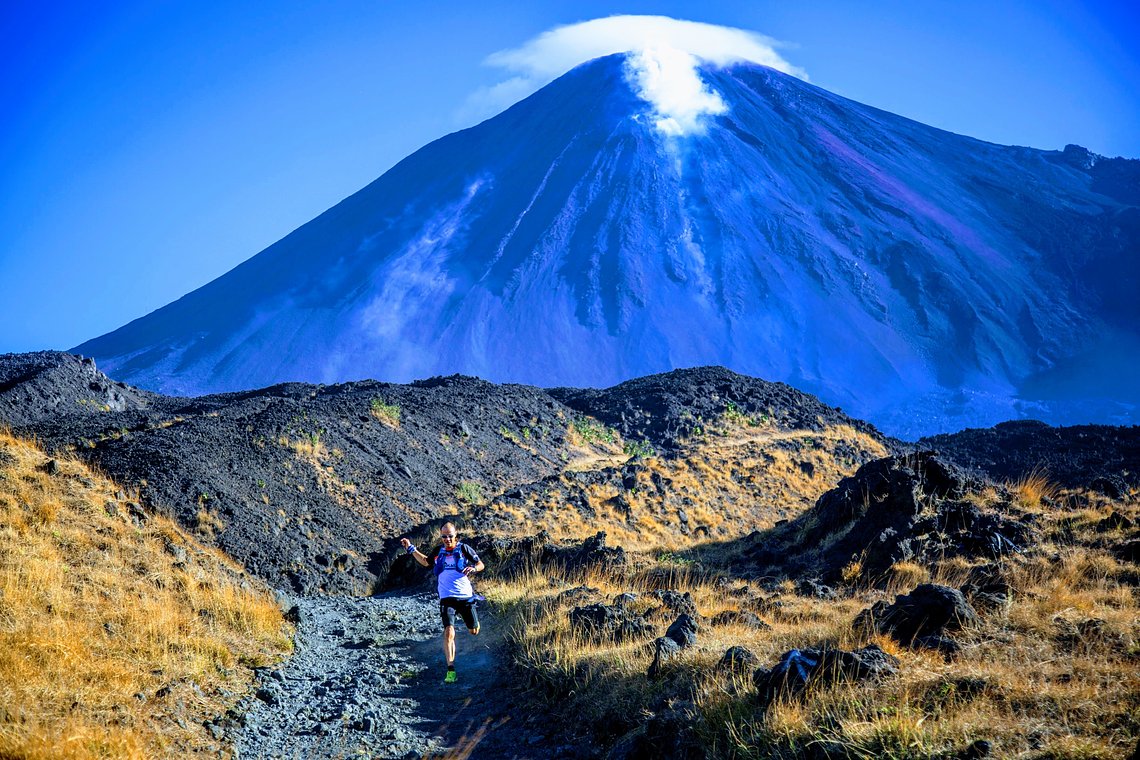
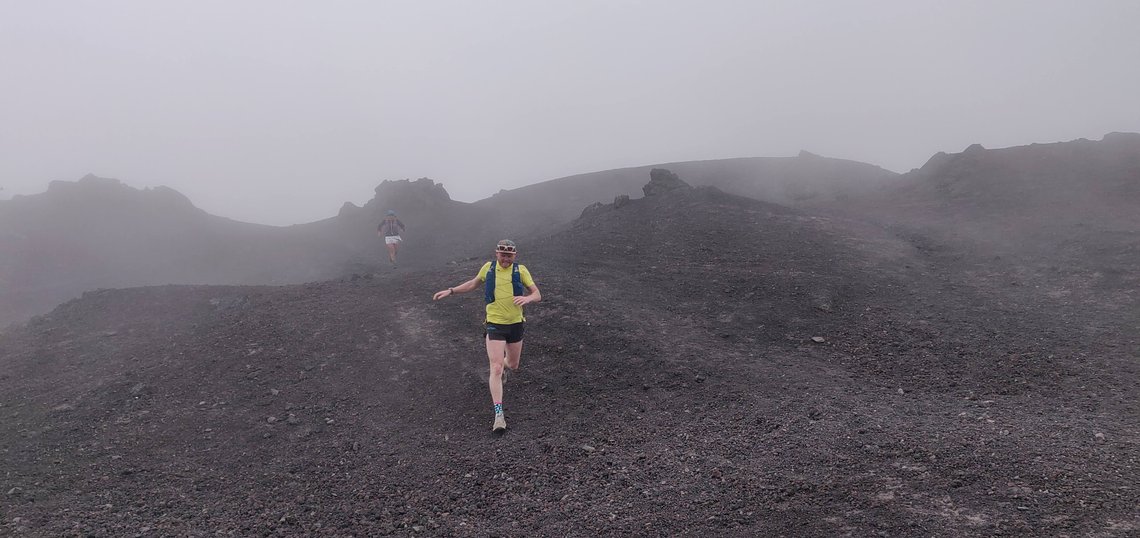
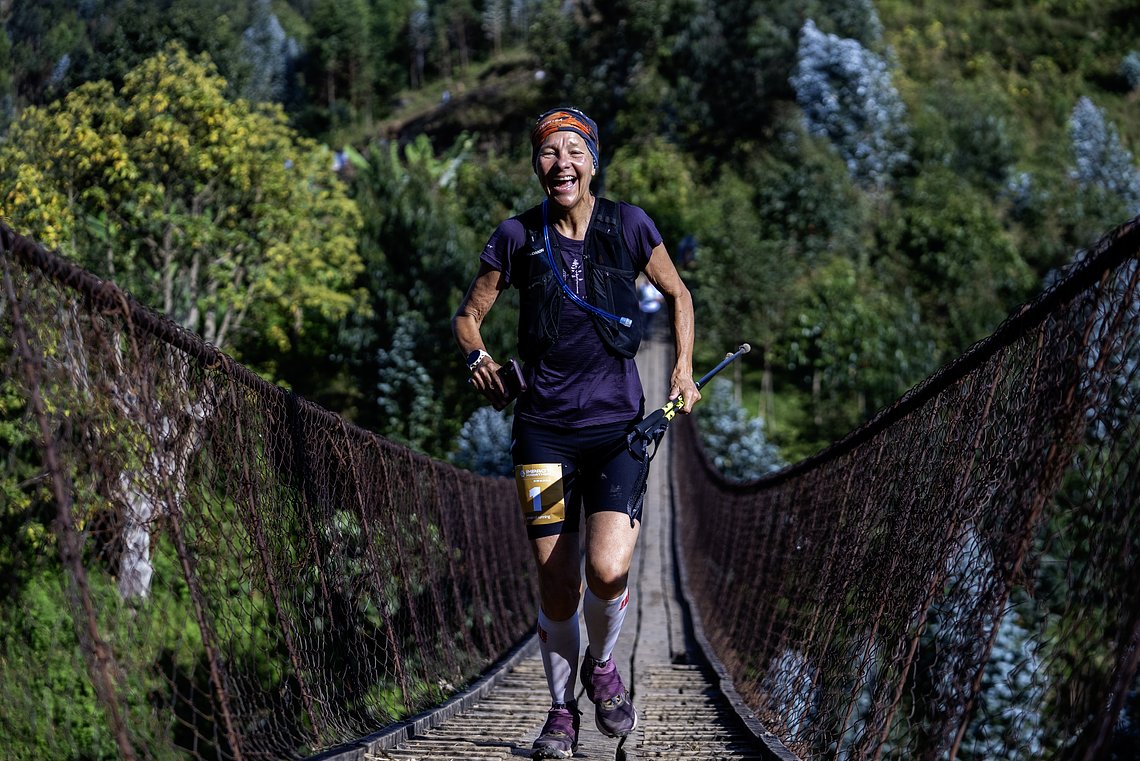
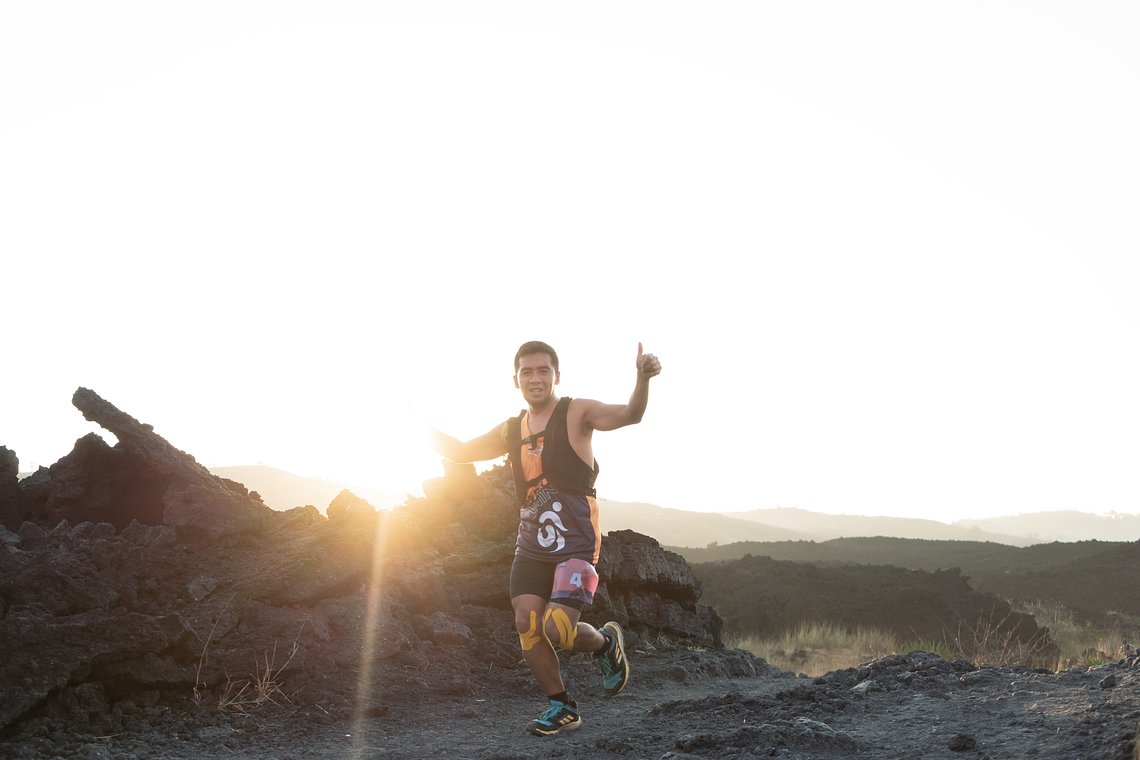
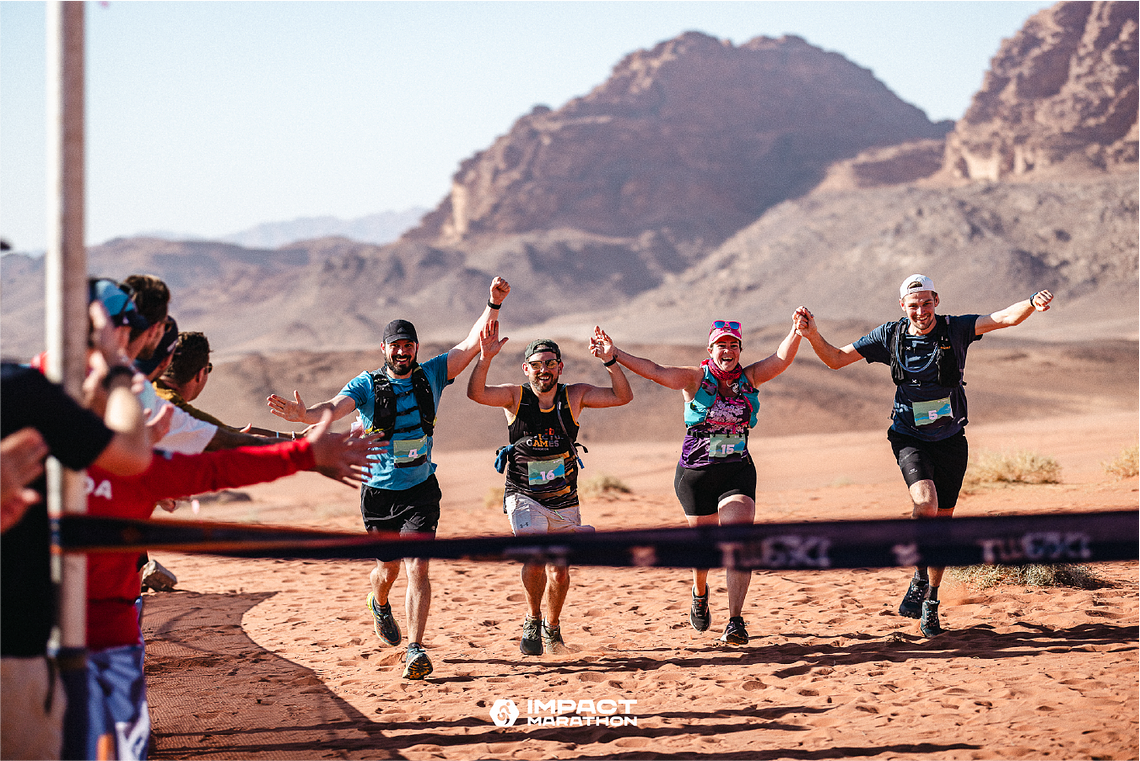
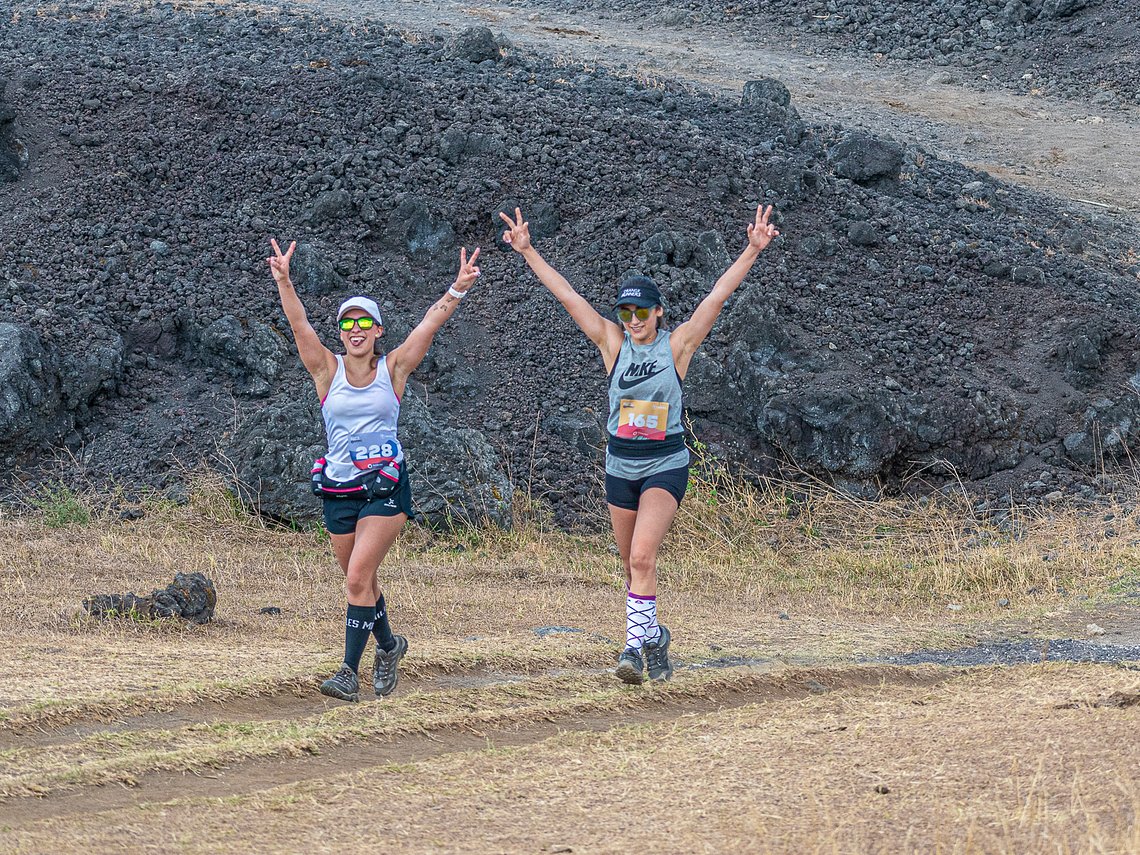
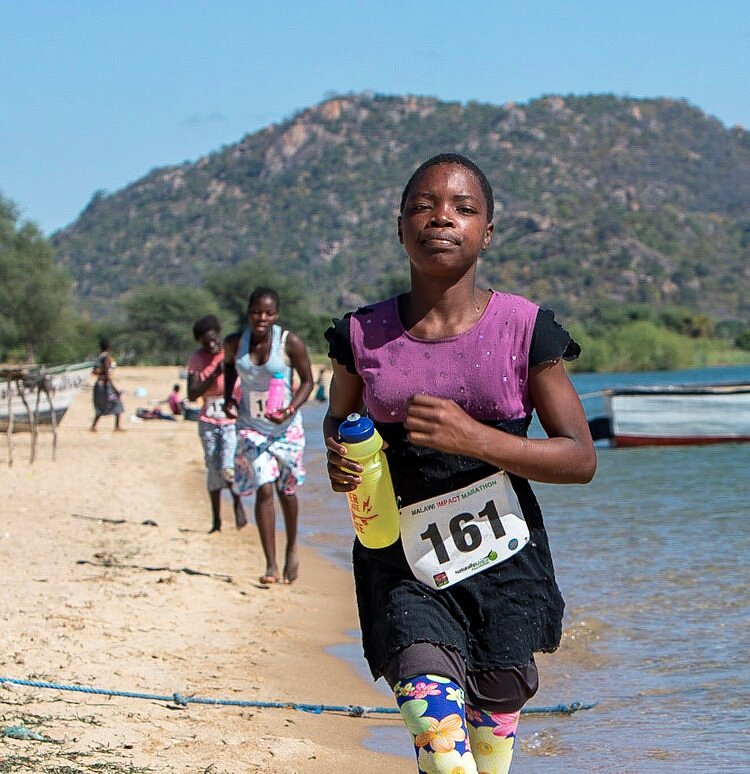
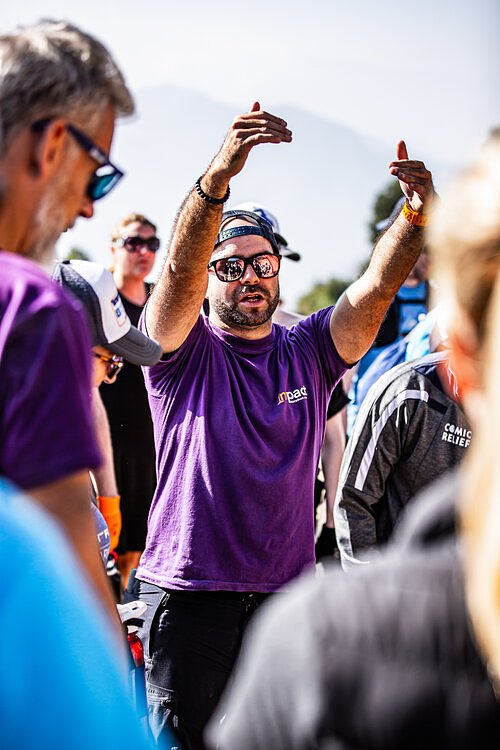
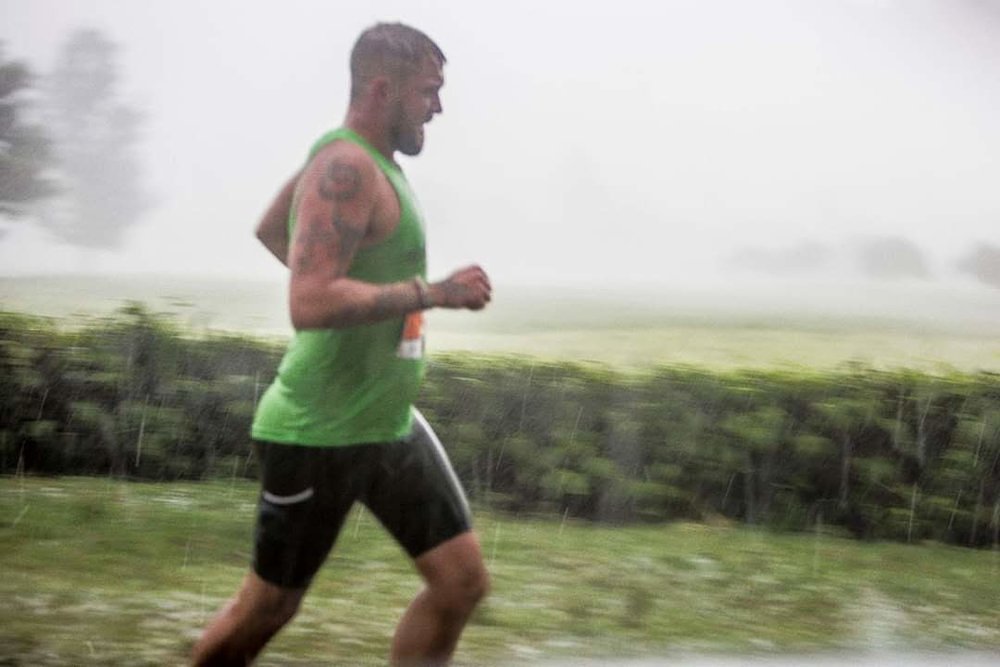
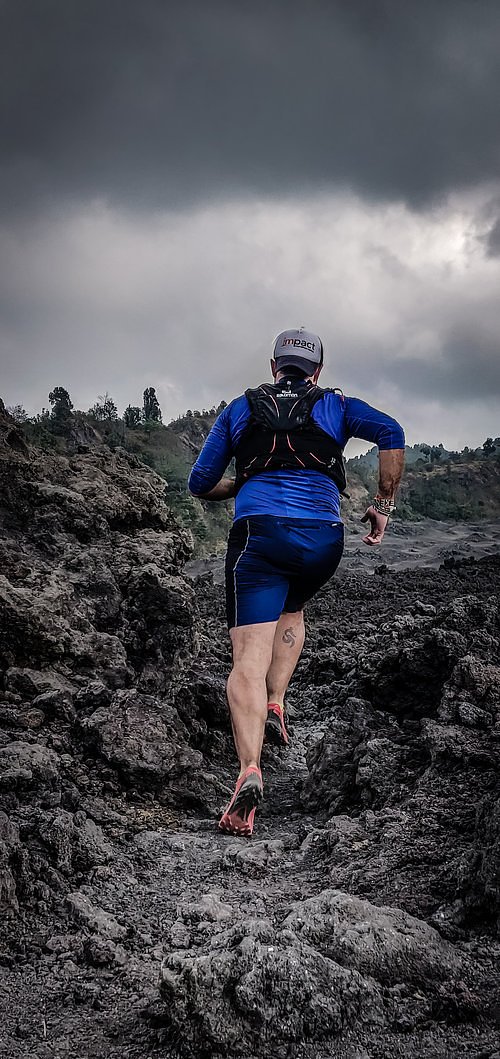
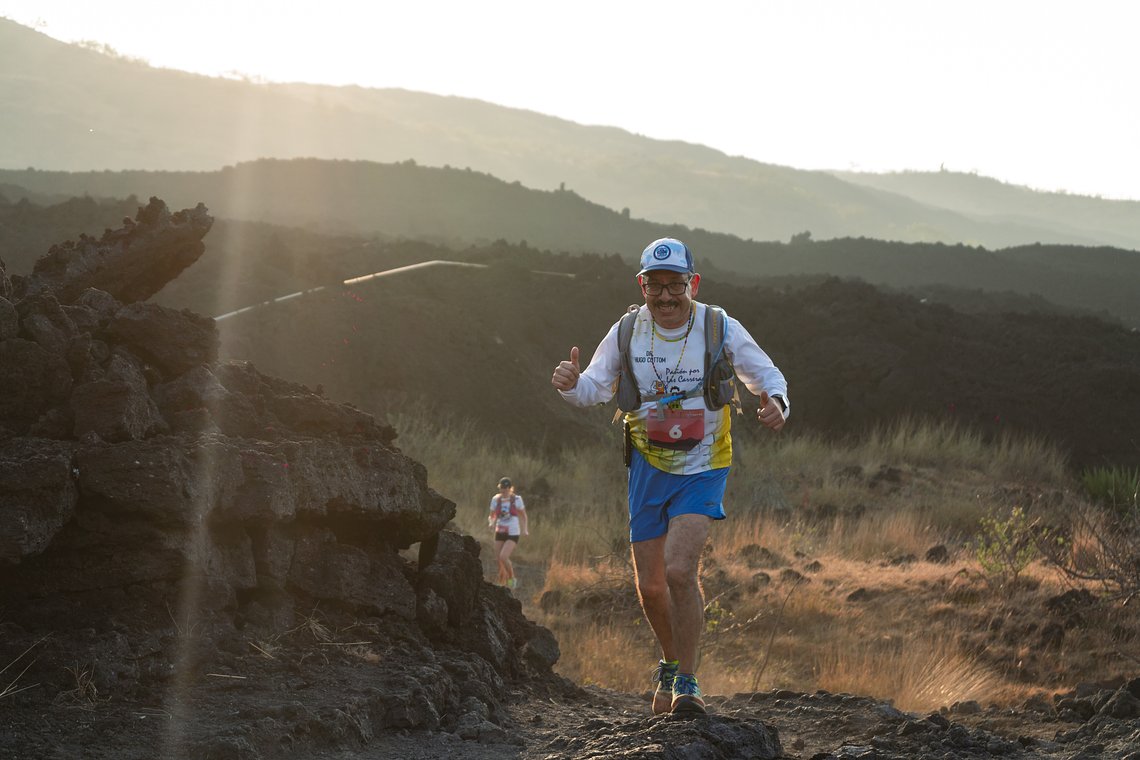
An Impact Week is a week designed with intention. A small group of runners, capped at thirty-five, travel to a single location. They live together. They volunteer alongside a local community partner on a project that was running before they arrived and will continue after they leave. Then they run a fully marked trail race through some of the most extraordinary landscapes on earth. 10km, 21km, or 42km. You choose your distance.
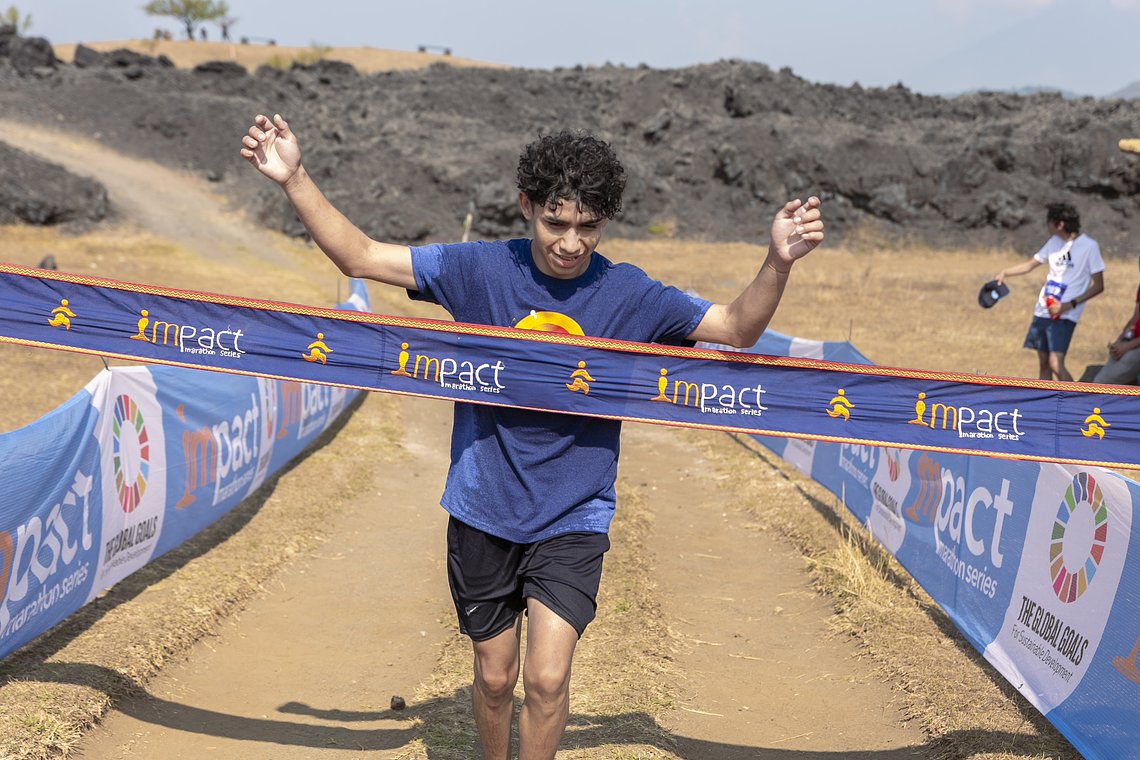
The race is the Victory Lap of the week, not the point of it.
That sentence is the closest thing we have to a manifesto. If you remember one thing from this page, let it be that.
How the week works
Every Impact Week follows the same structure, adapted to the country and the community partner. The rhythm is deliberate: arrive, ground yourself, work, then run.
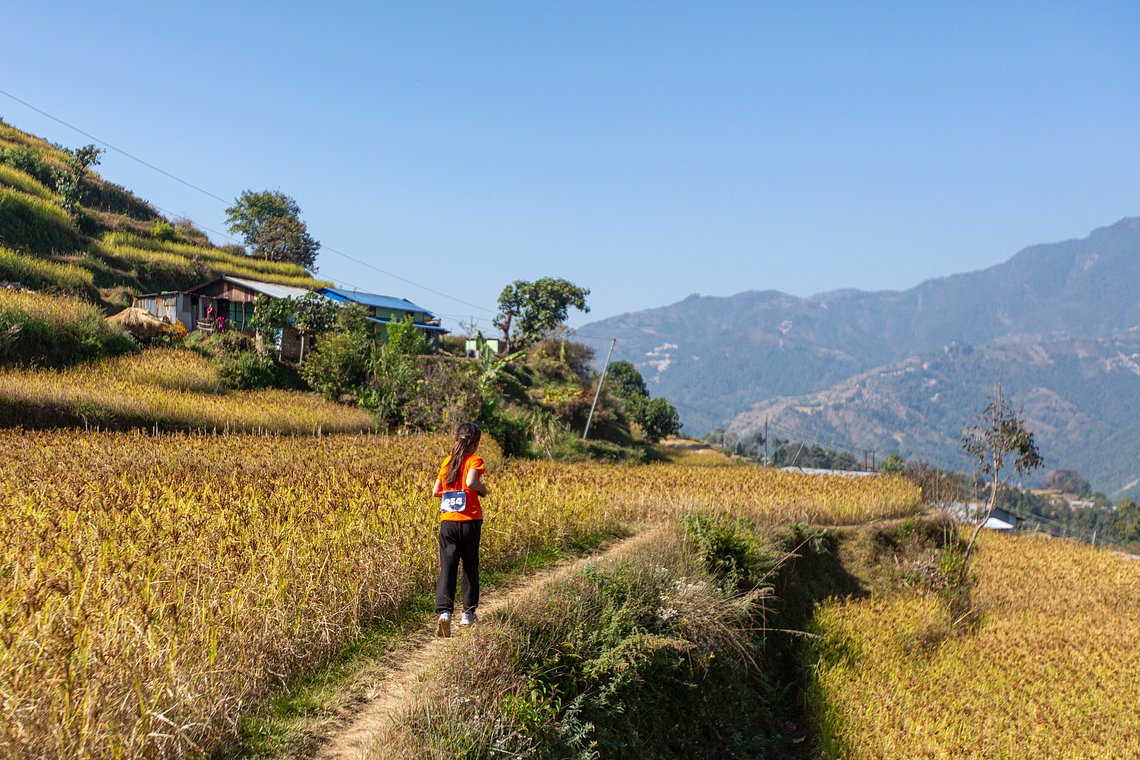
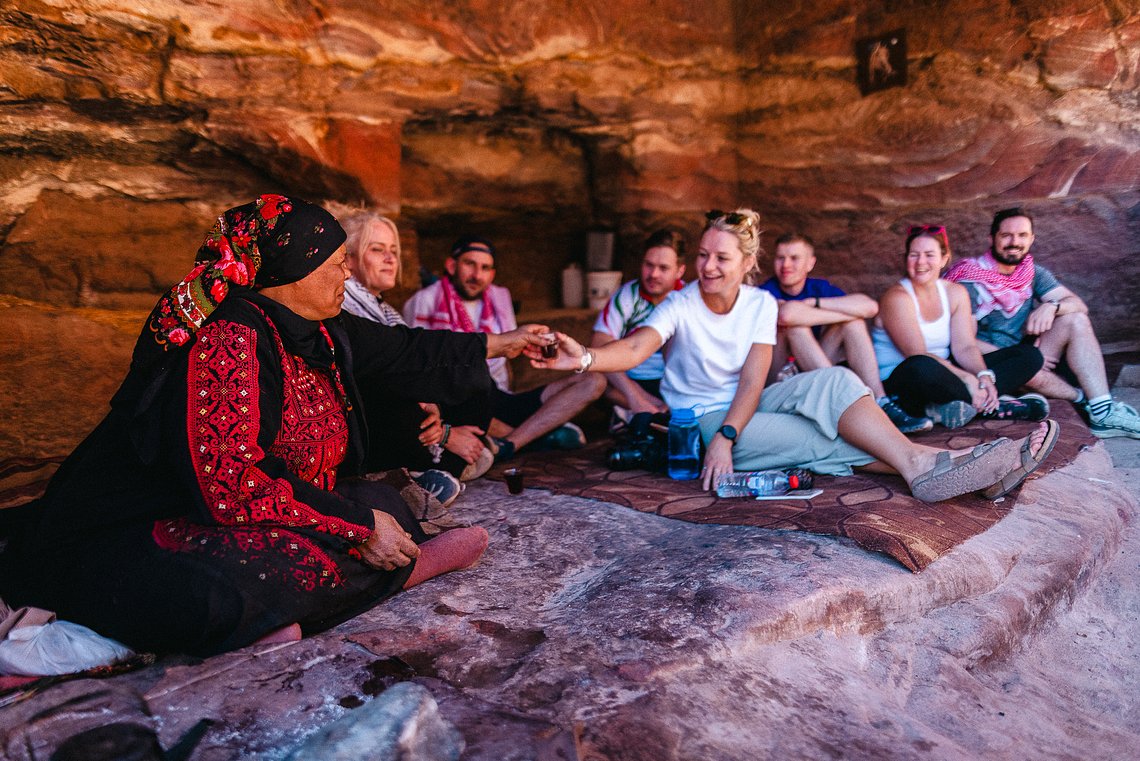
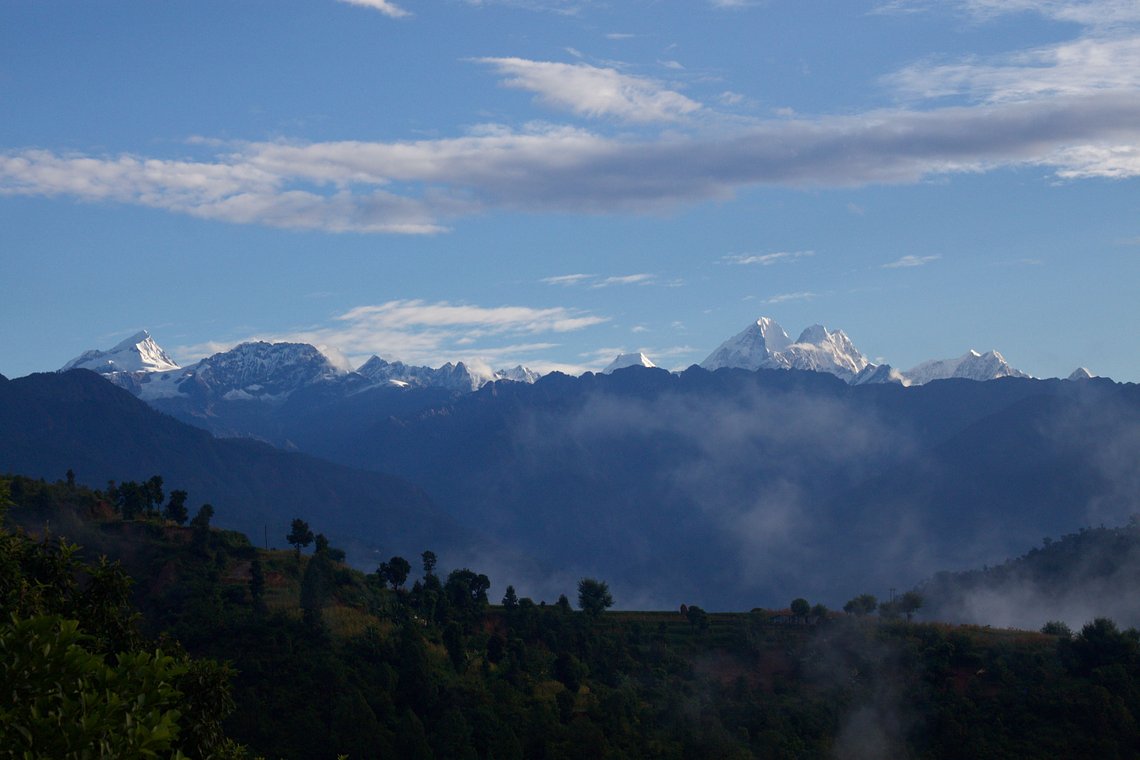
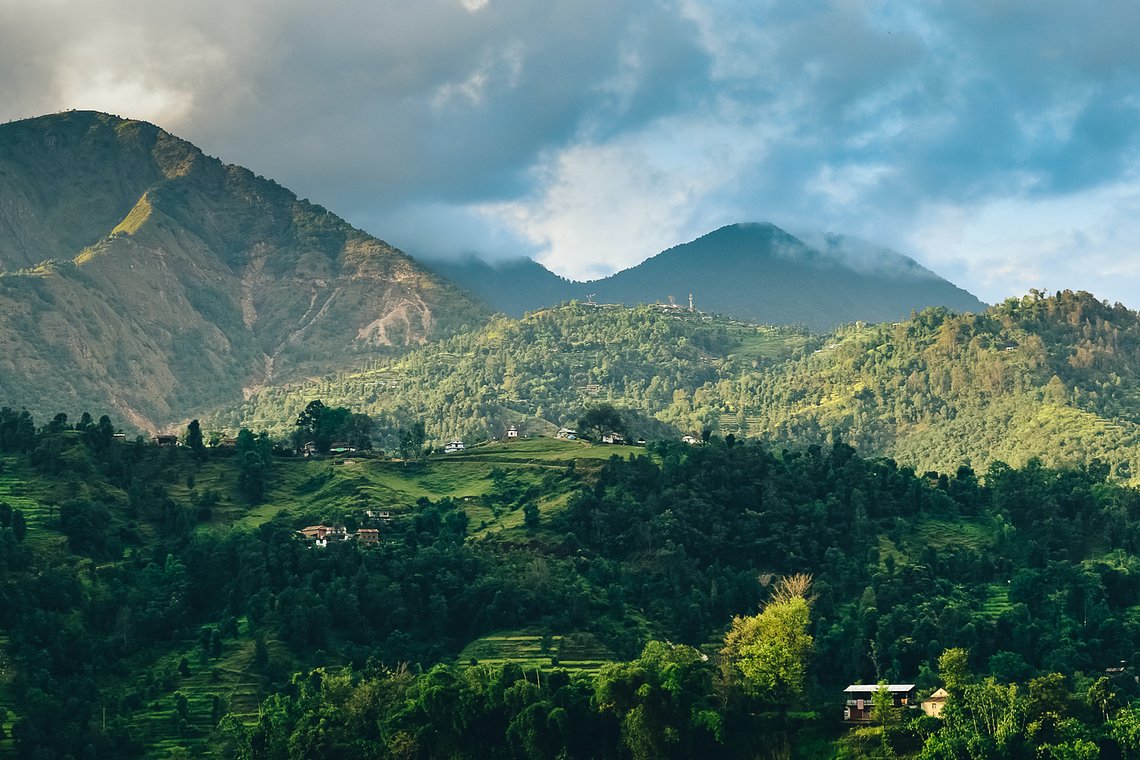
Day one: arrival and context. You fly in and the group comes together. Depending on the location, this day might include a visit that sets the context for the week. In Rwanda, this is the Genocide Memorial in Kigali — a visit that fundamentally changes the way you experience everything that follows. In Nepal, it is the drive from Kathmandu to Batase, watching the landscape shift from city chaos to terraced hillsides. In Jordan, it begins with an early visit to Petra.
This day matters because an Impact Week is not a package dropped into a country. It is a week that begins by listening to where you are.
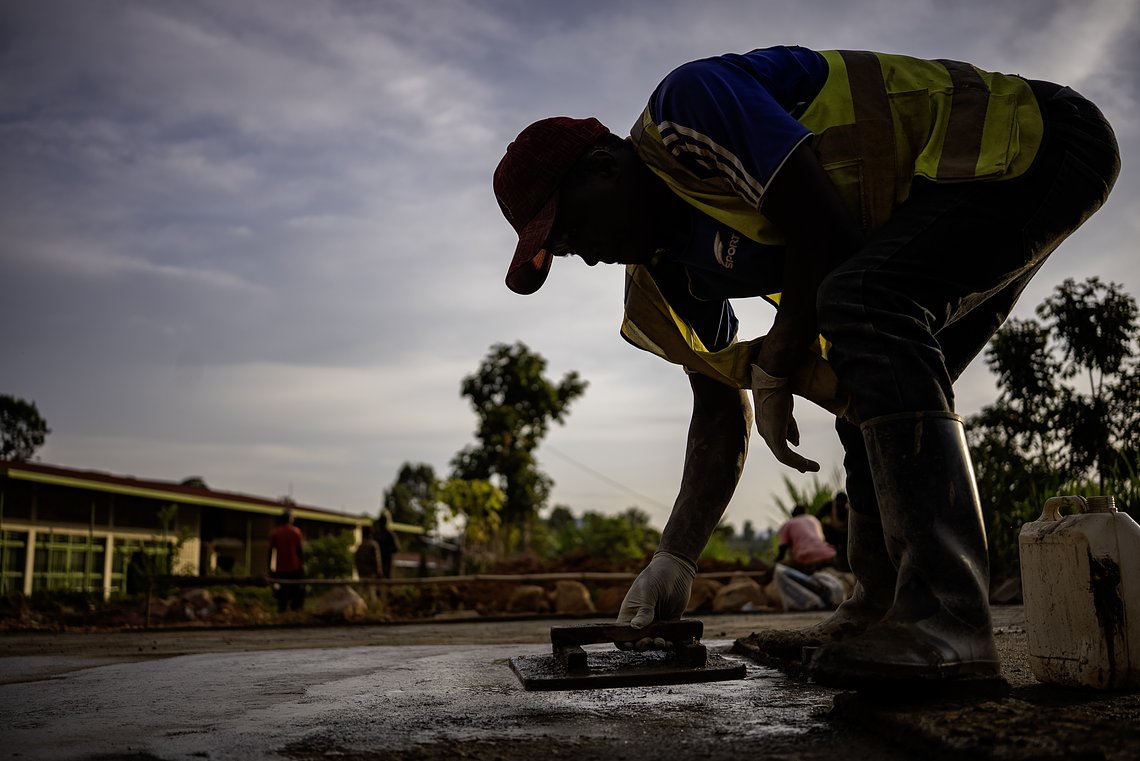
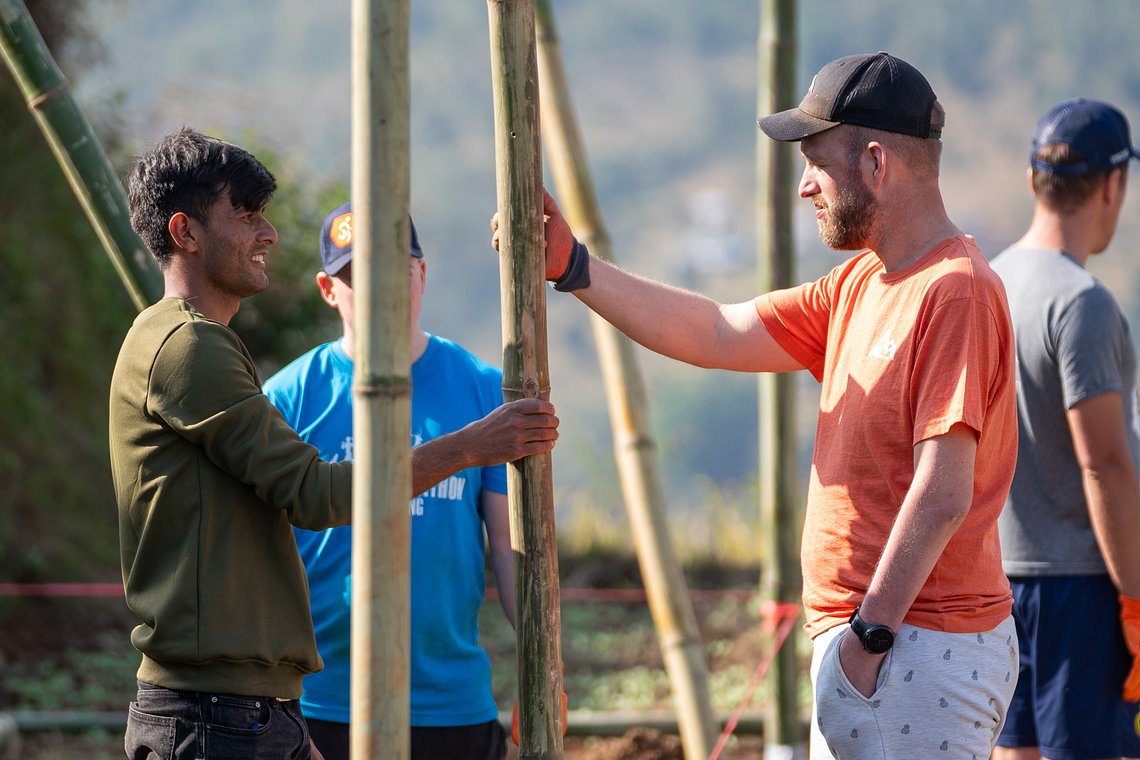
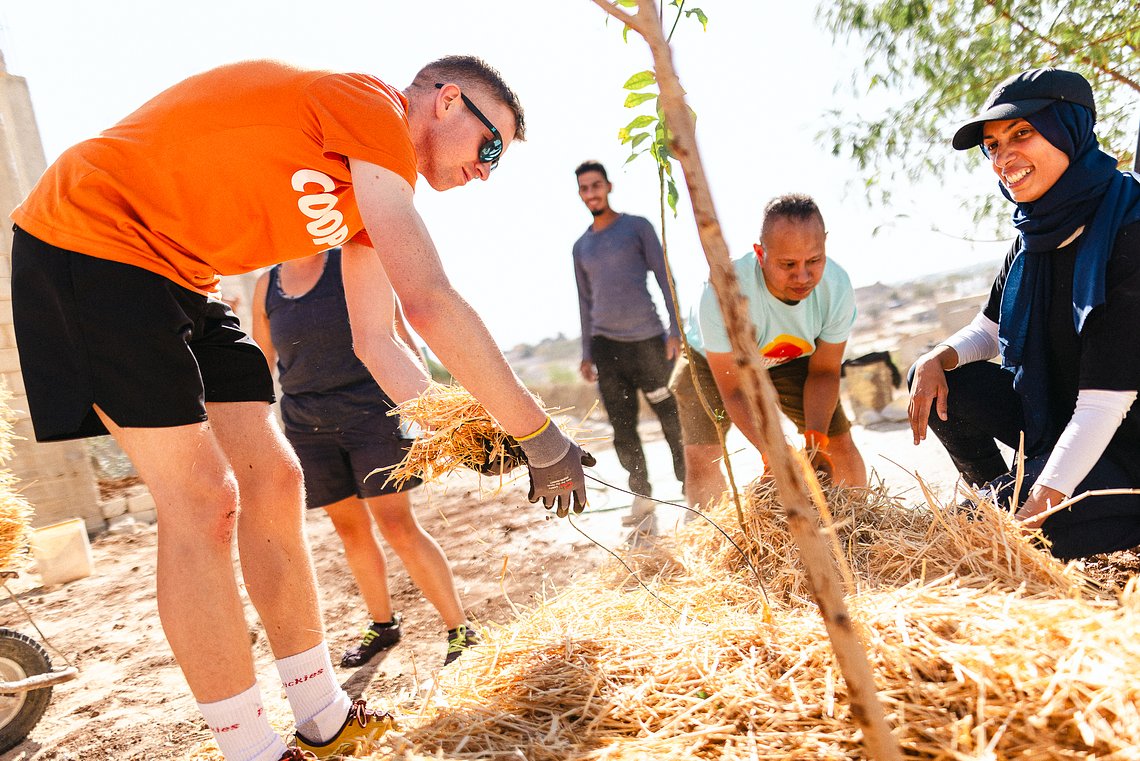
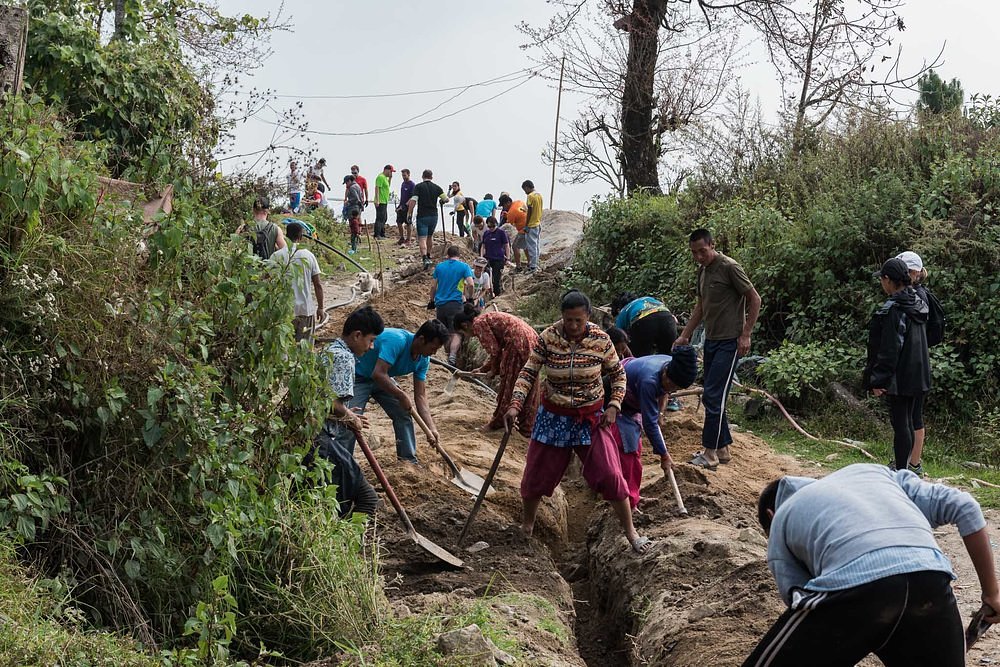
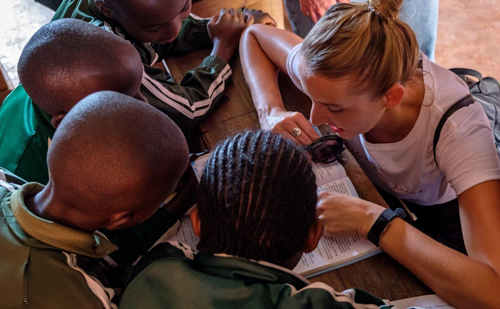
Days two to four: the project. This is the heart of the week. Two or three days of structured volunteering with our community partner.
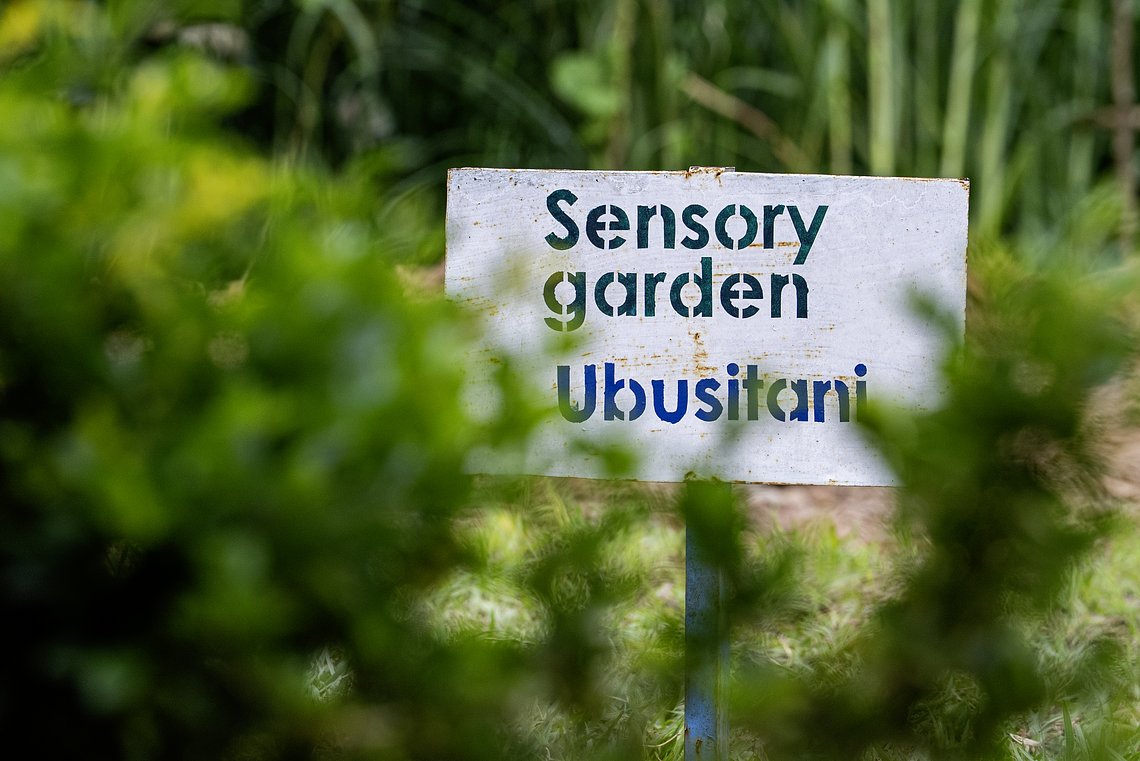
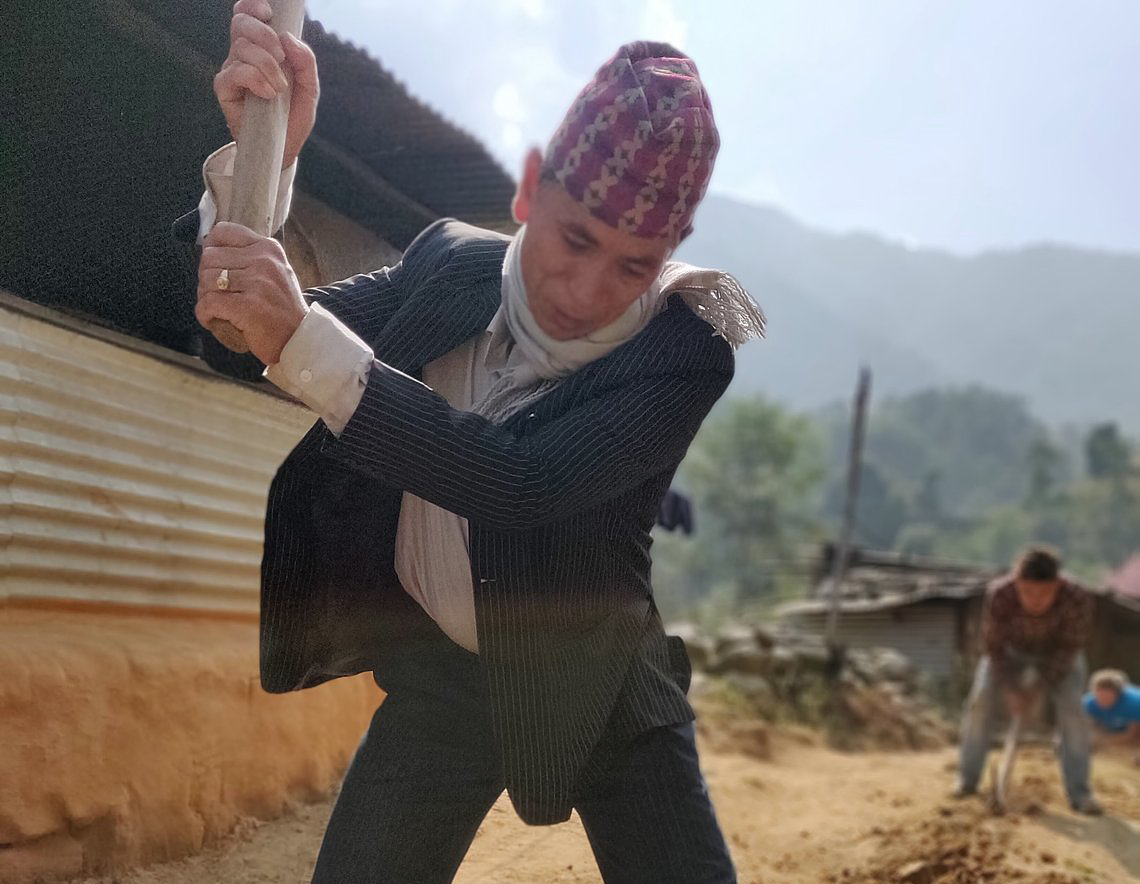
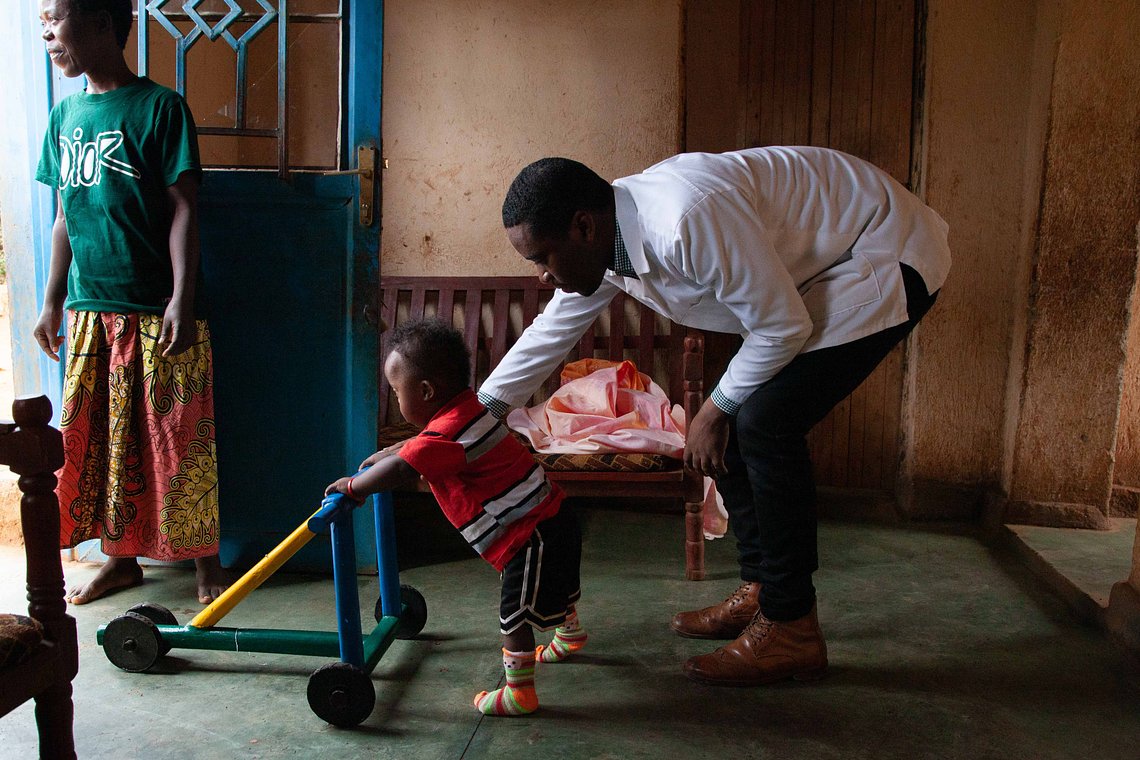
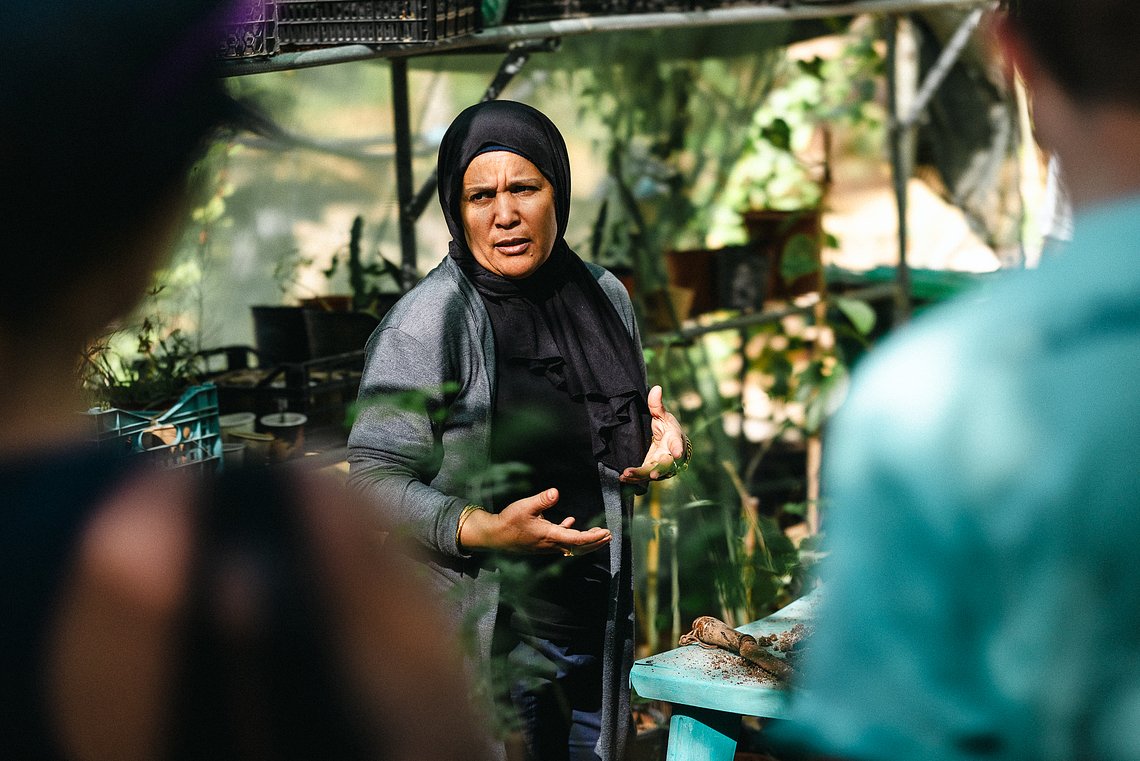
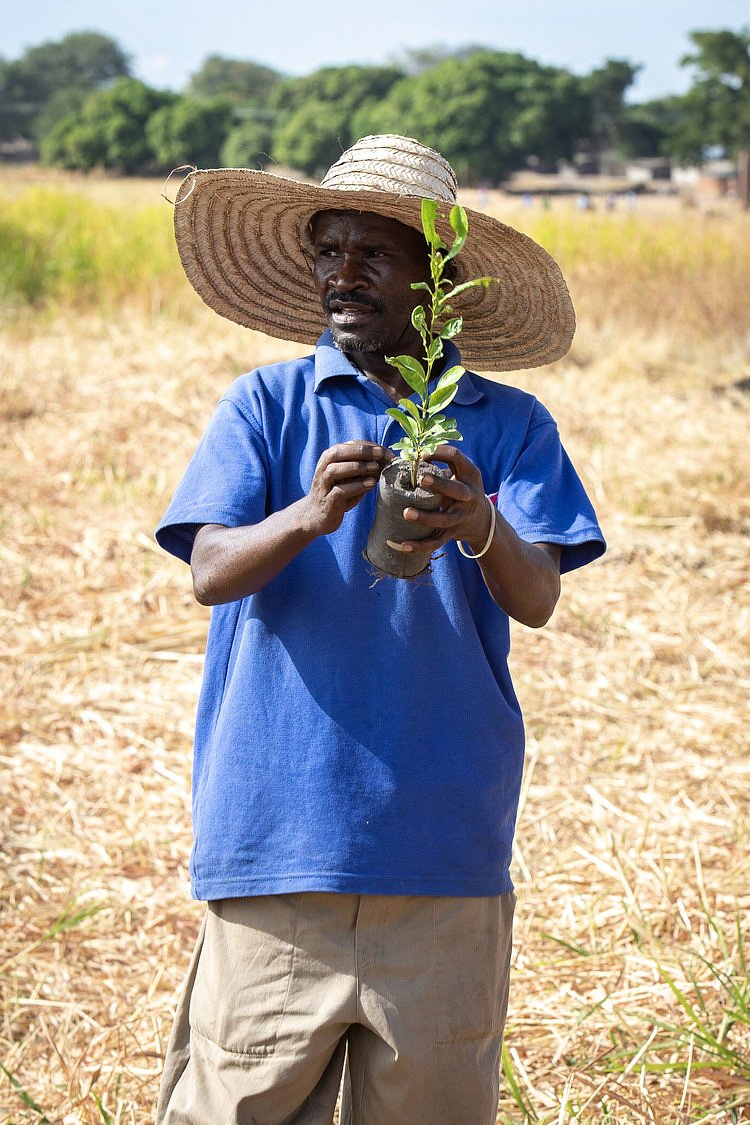
In Rwanda, this means working with MAD4Africa to build a sensory garden at ASFA Physiotherapy Centre in Muganza — wheelchair-accessible paths, aromatic herb beds, tactile surfaces for children living with disabilities. In Nepal, it means working alongside AgriNepal on regenerative agriculture in the Batase community. In Guatemala, it means partnering with SERES on youth leadership and environmental education.
The projects are chosen carefully. They meet four criteria: they are community-led, meaning local partners set the priorities; they are hard to fund through standard routes; they create opportunity or visibility for the community; and they tell the partner's story powerfully.
You are not here to save anyone. You are here to lend your hands to a project that was designed by people who know what their community needs. The partner leads. You follow. And in that exchange, something shifts — not just in the project, but in you.
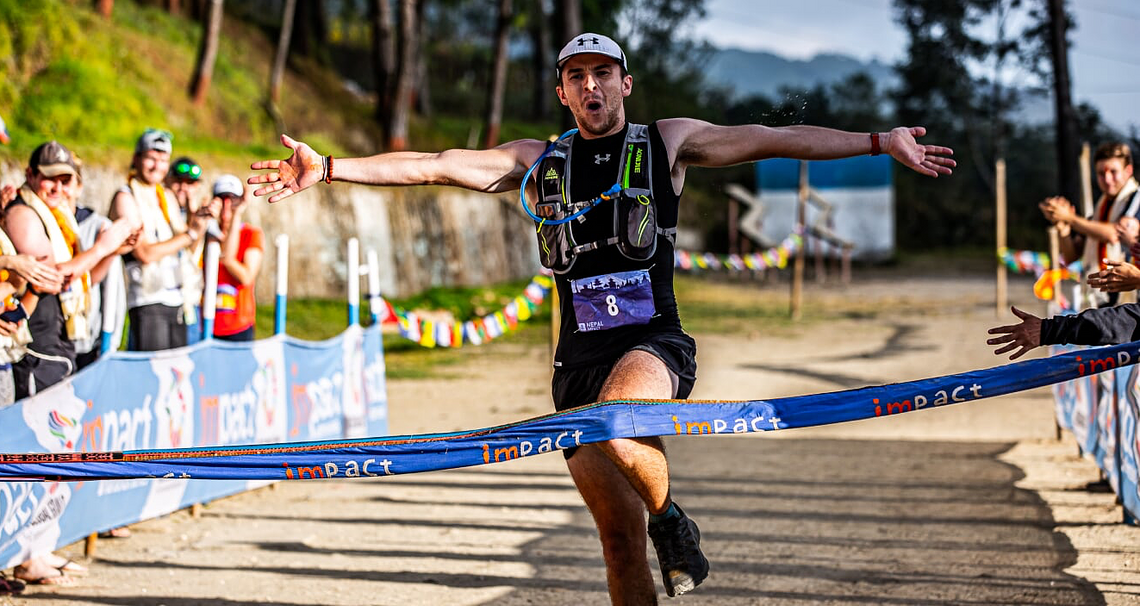
Race day: the crescendo. After two or three days of volunteering, the race arrives. And it feels different because of everything that came before it.
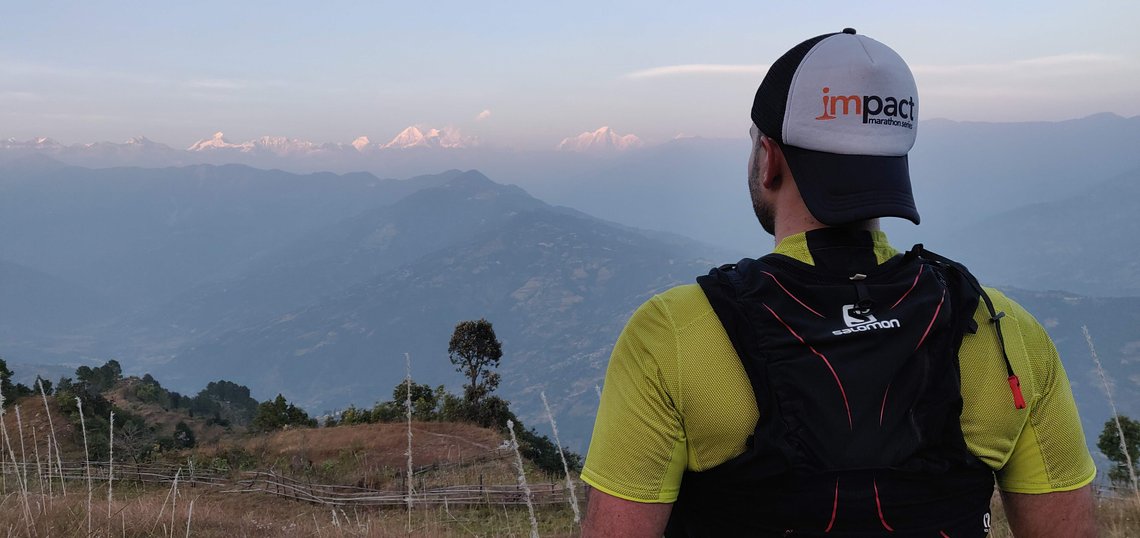
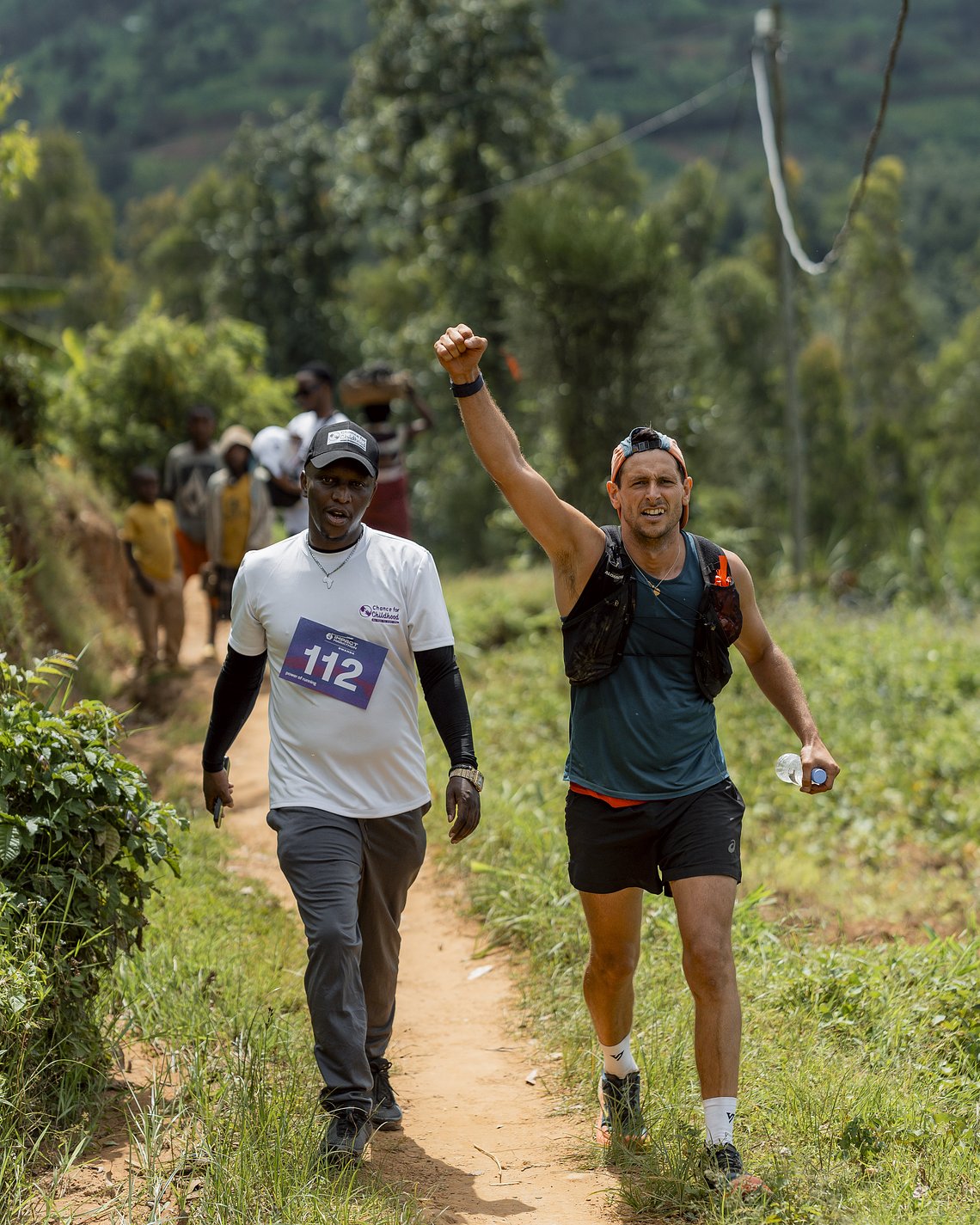
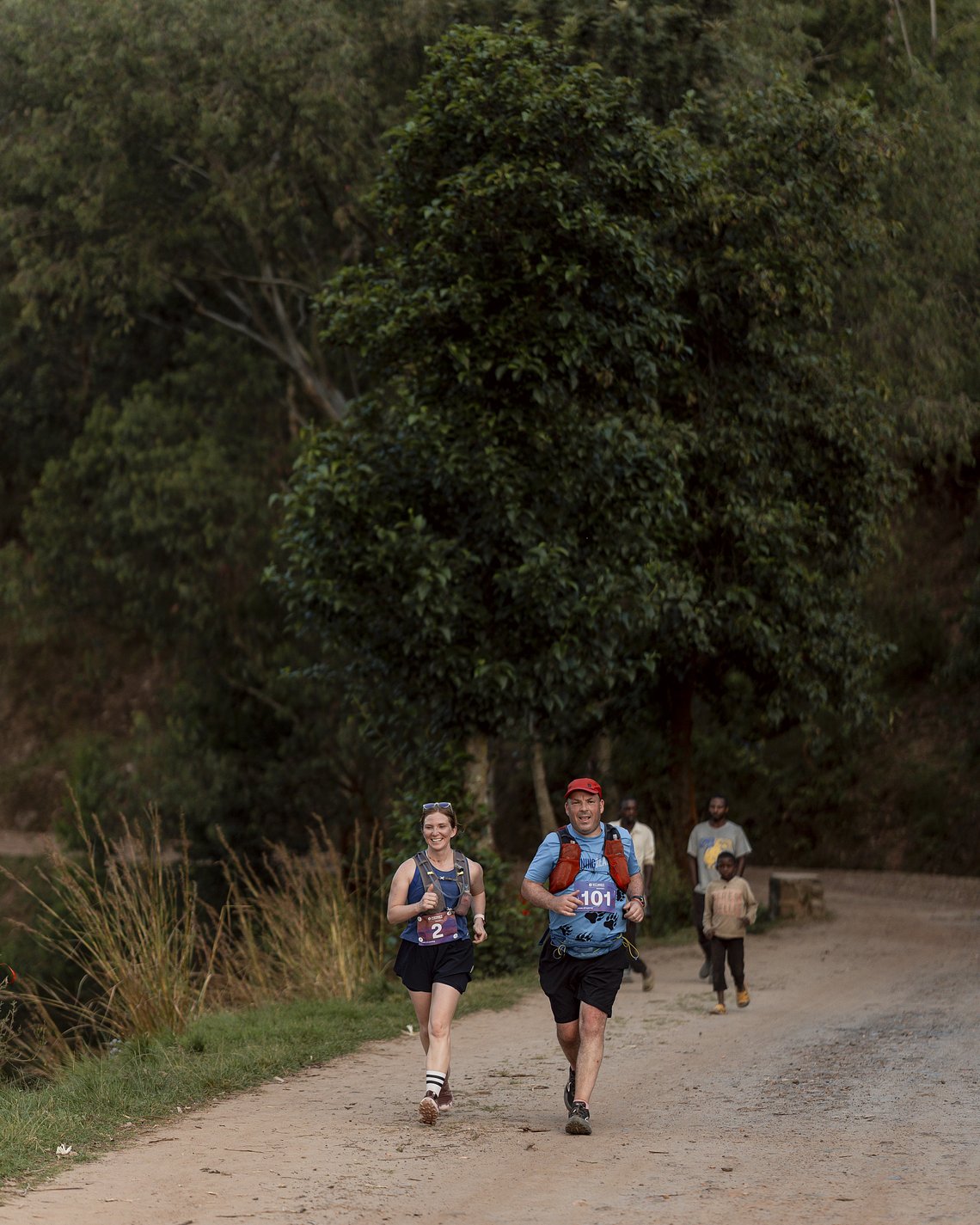
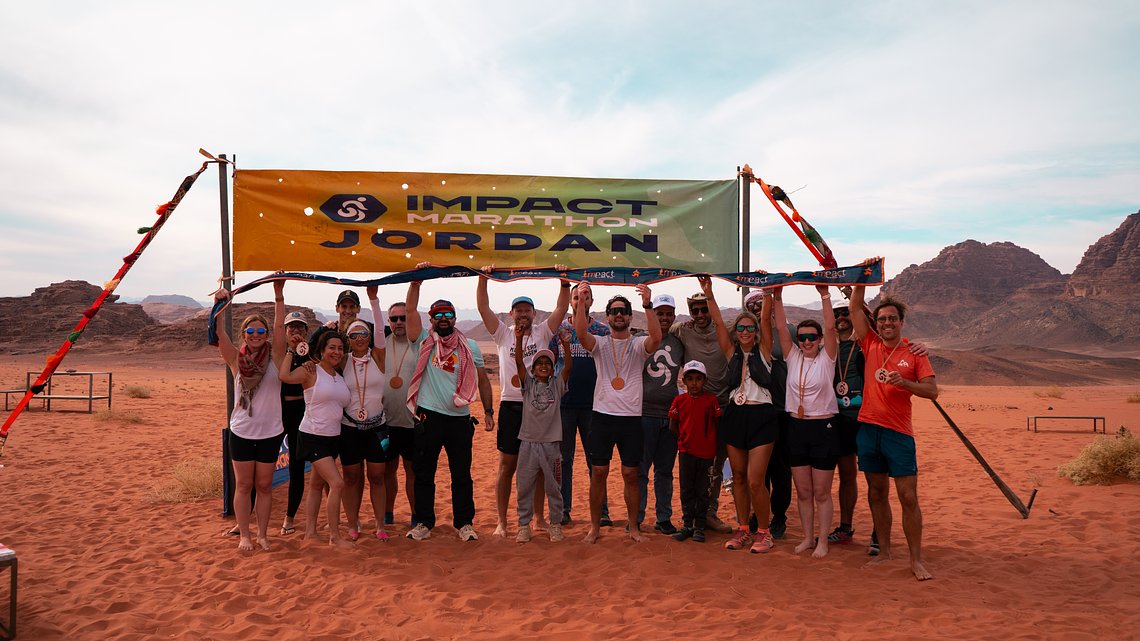
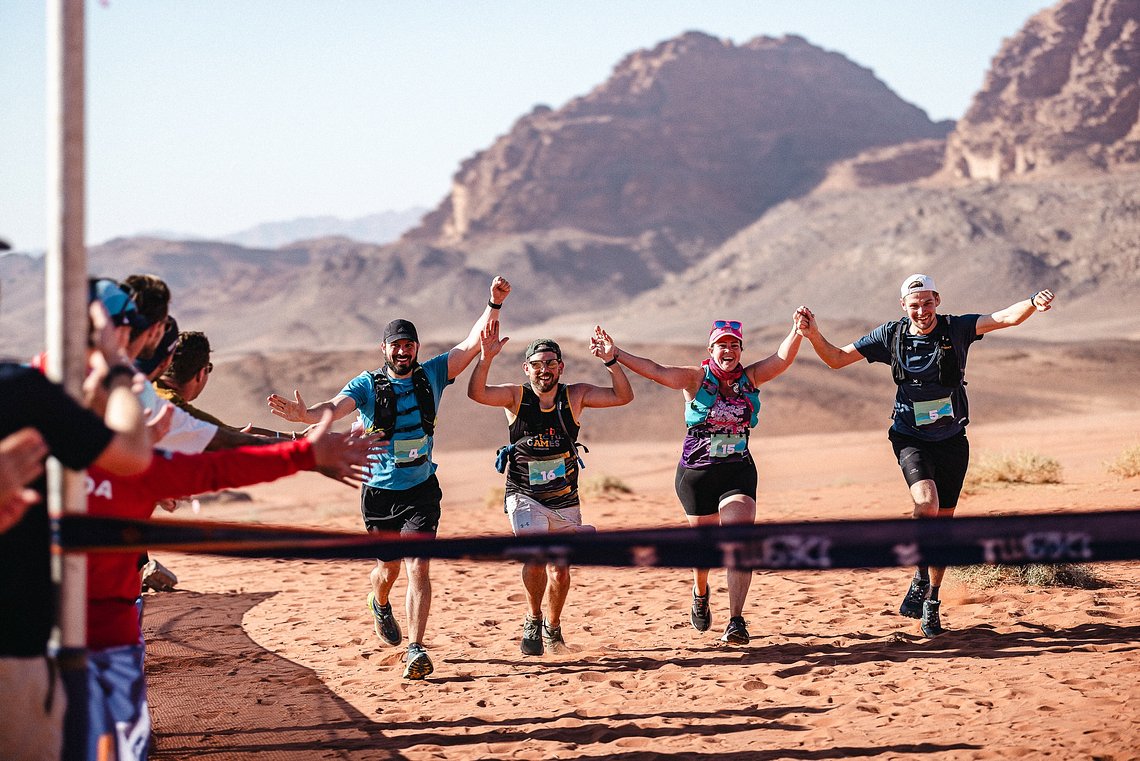
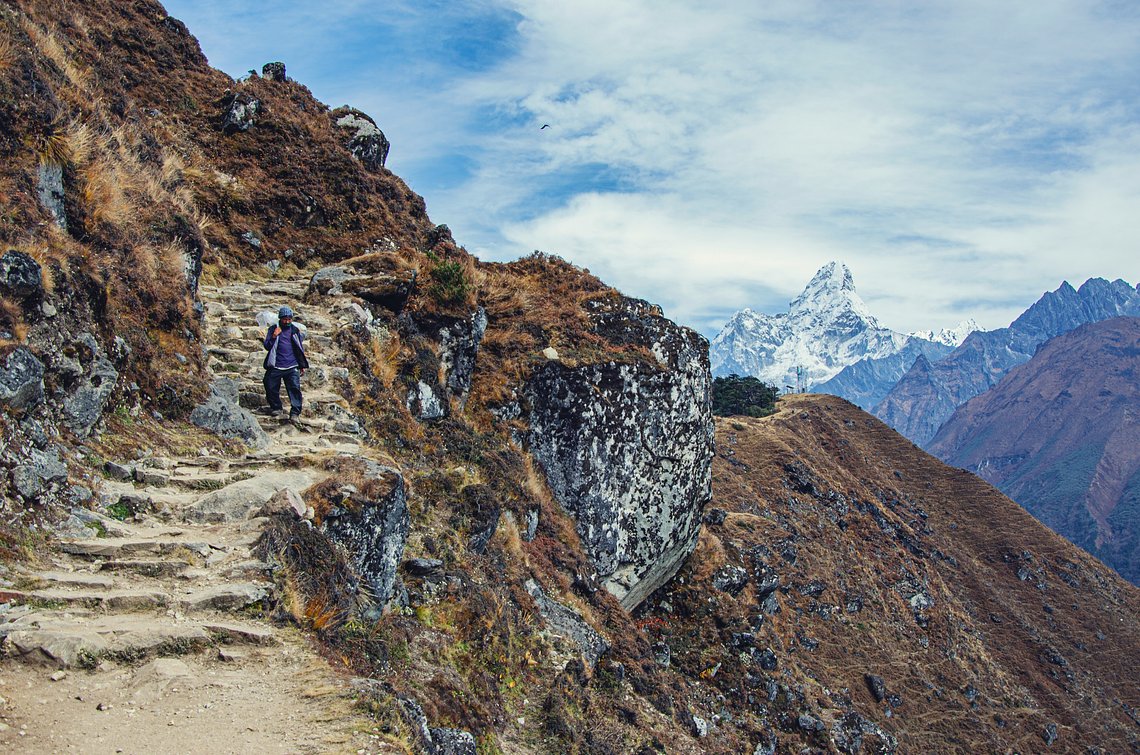
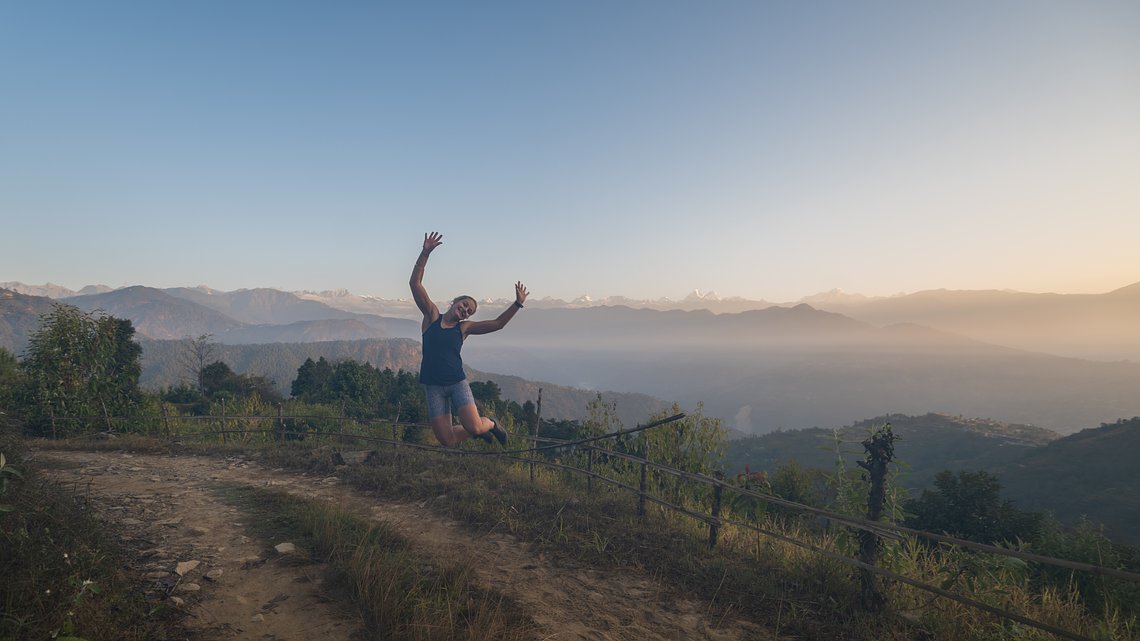
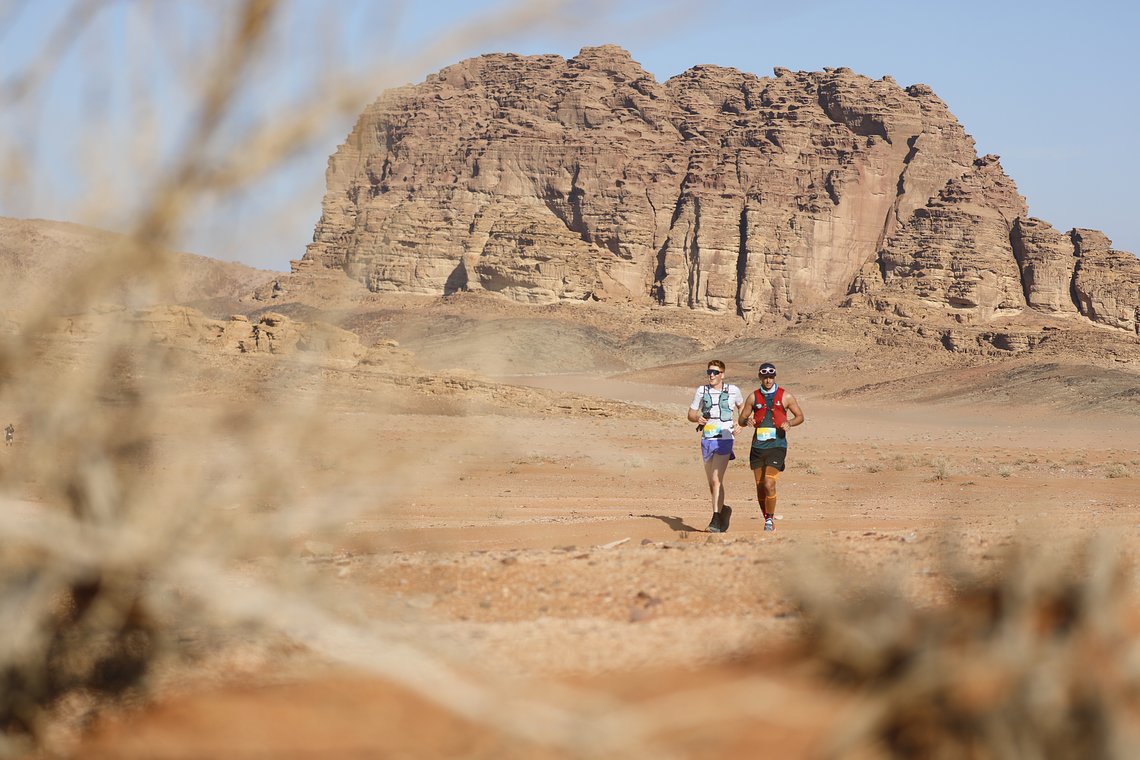
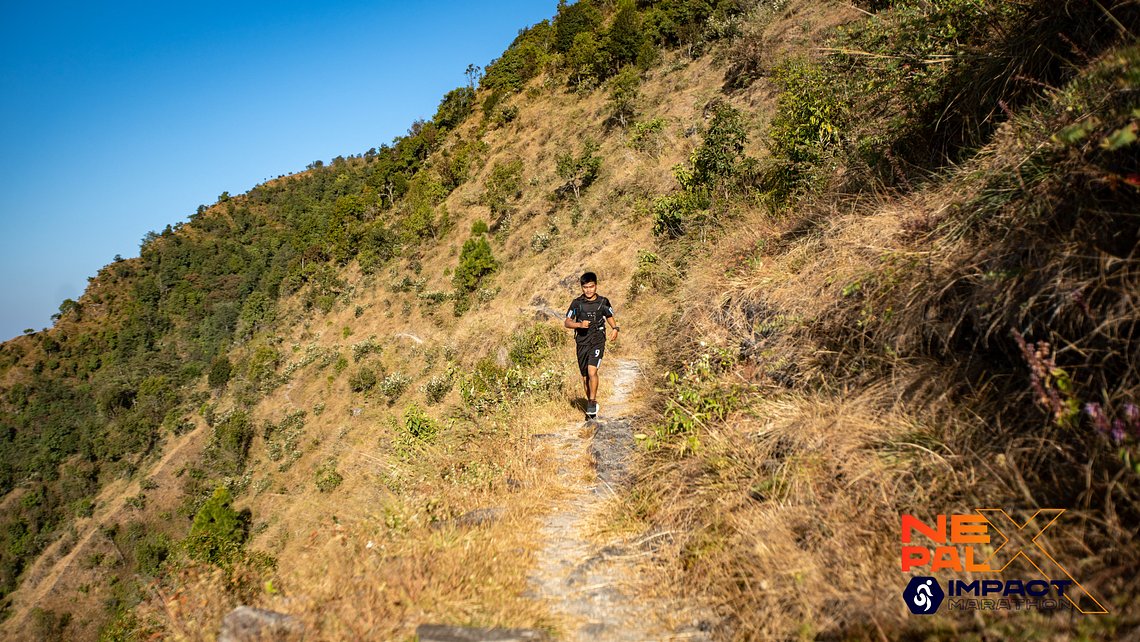
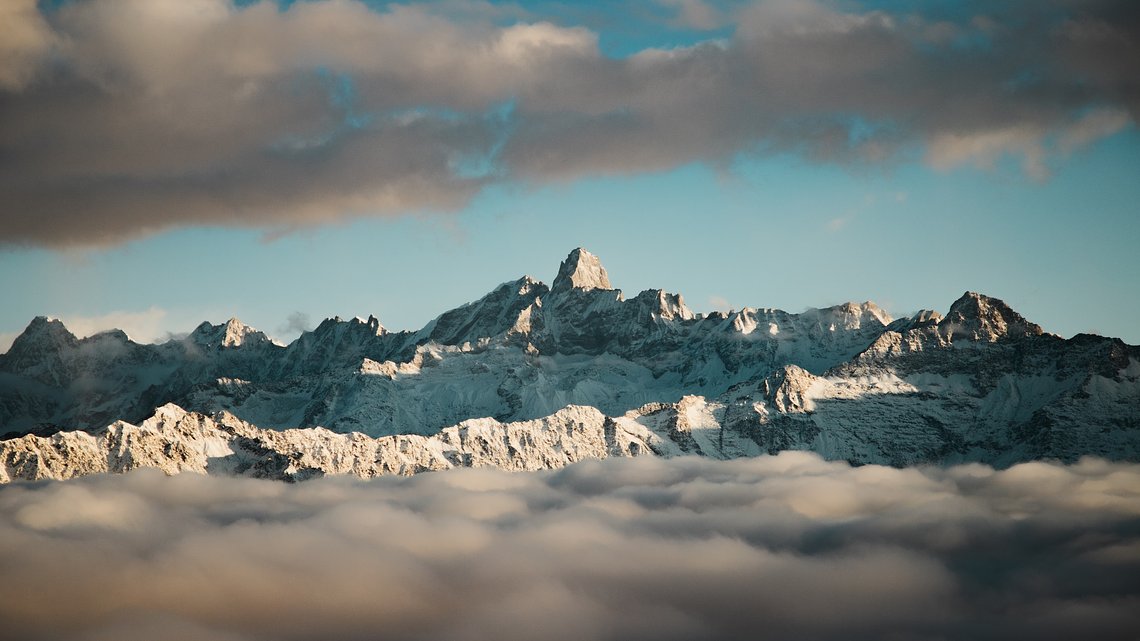
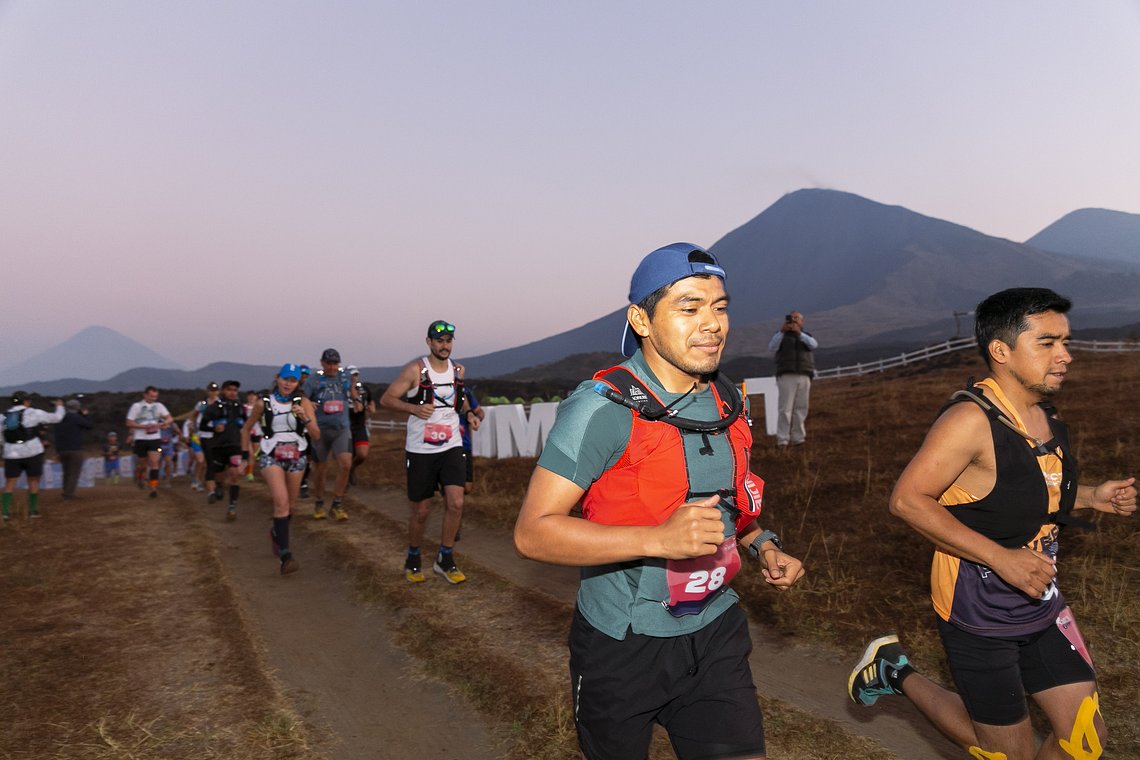
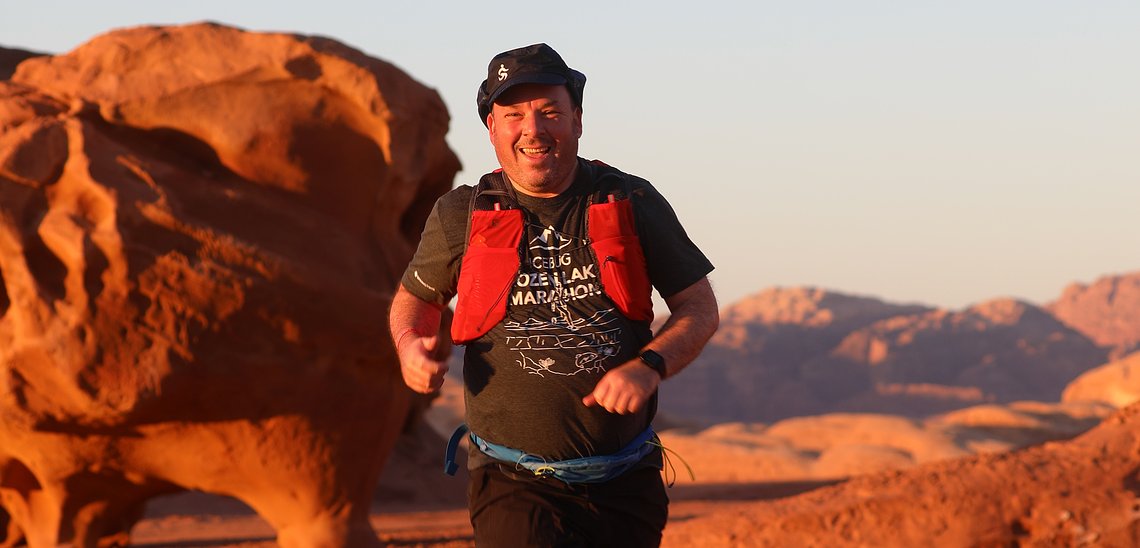
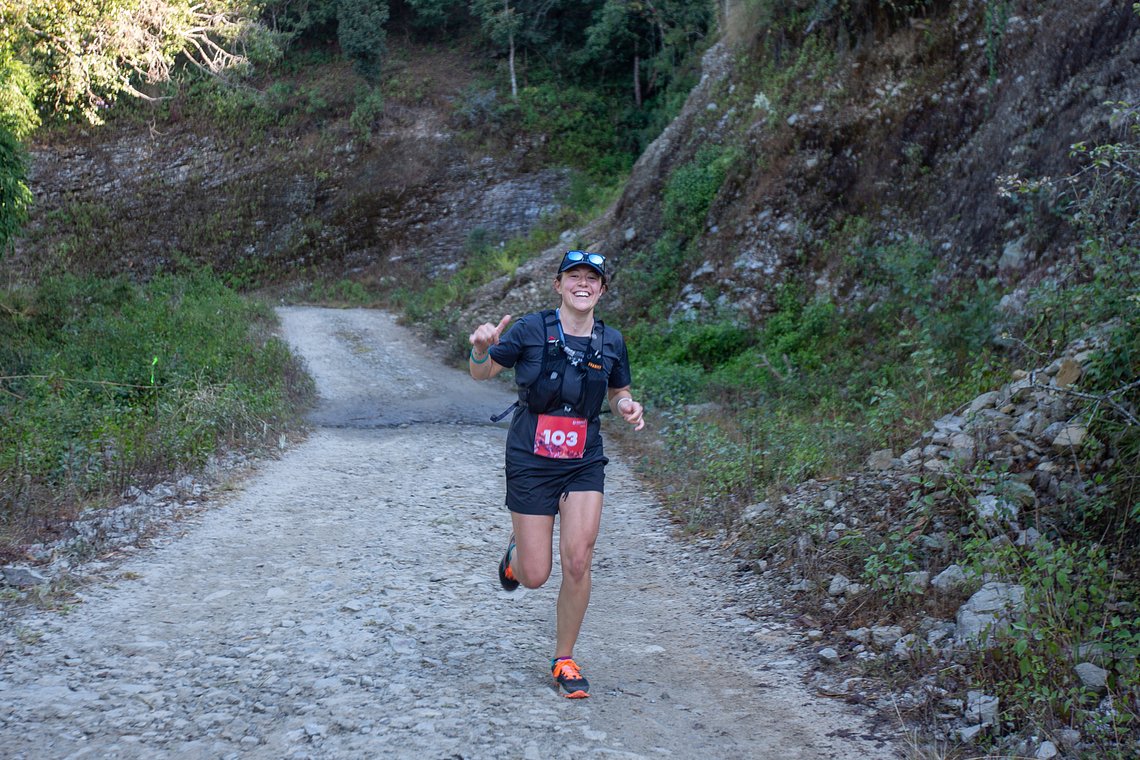
The routes are chosen to reveal the country and its people. In Rwanda, you run ridgelines through tea plantations and villages. In Nepal, you run terraced hillsides with the Himalayas in the distance. In Jordan, you finish in Wadi Rum. The courses are fully marked with aid stations every three to five kilometres, medical cover, and support vehicles.
You choose your distance. The 10km is not a lesser option — it is a concentrated experience of the terrain and the country. The 21km gives you the full journey. The 42km is a serious undertaking at altitude and on trails, and the finish will be one of the most earned moments of your running life.
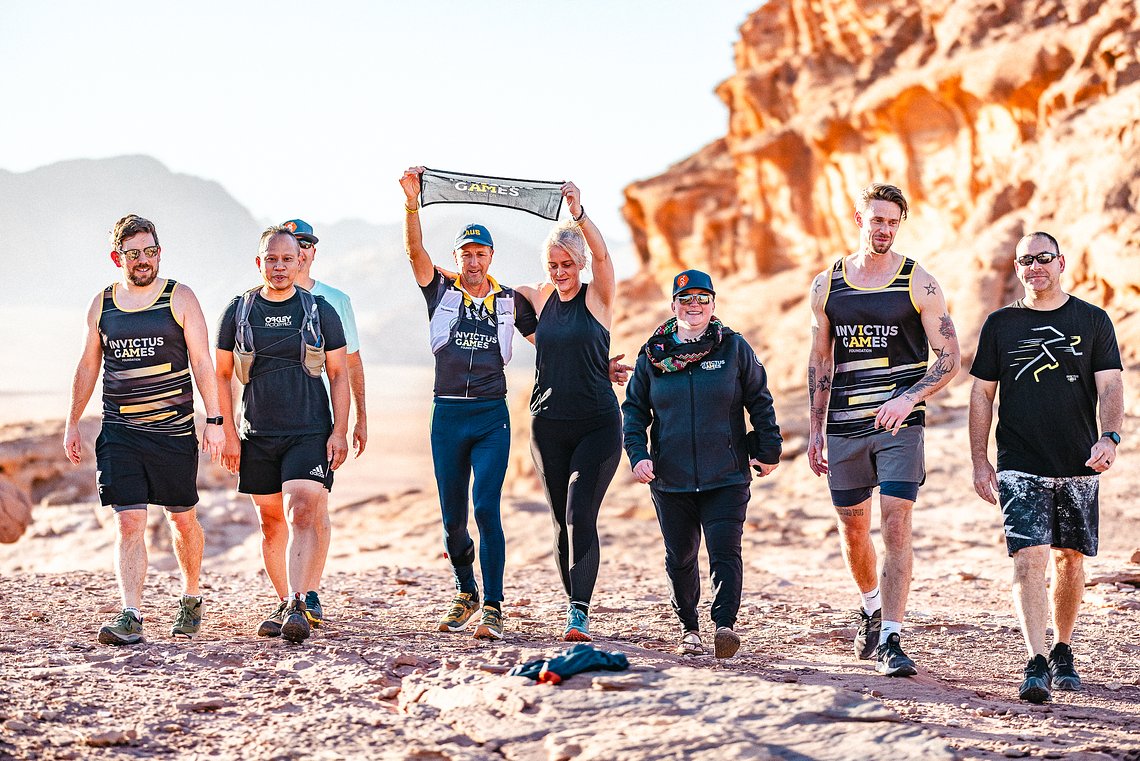
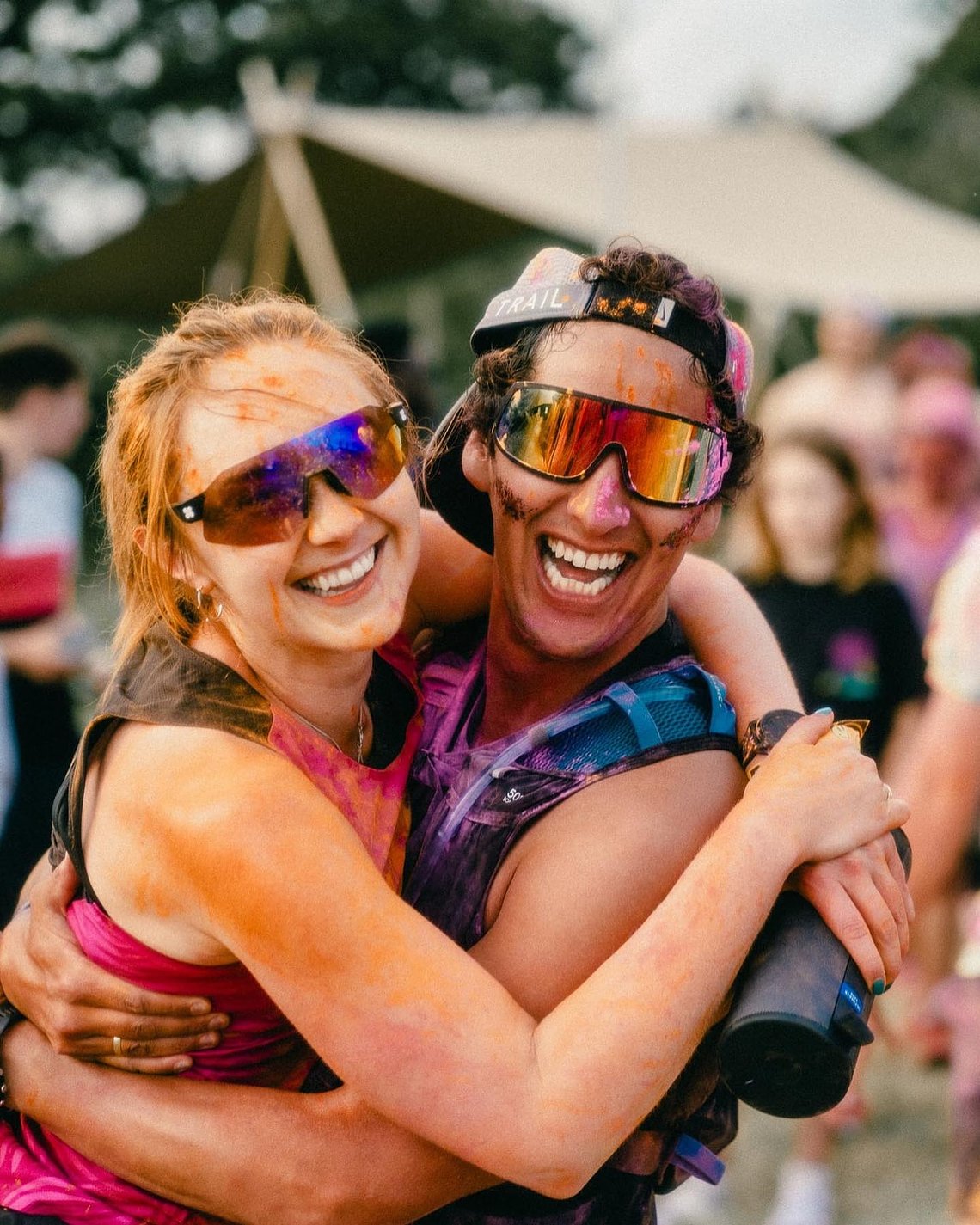
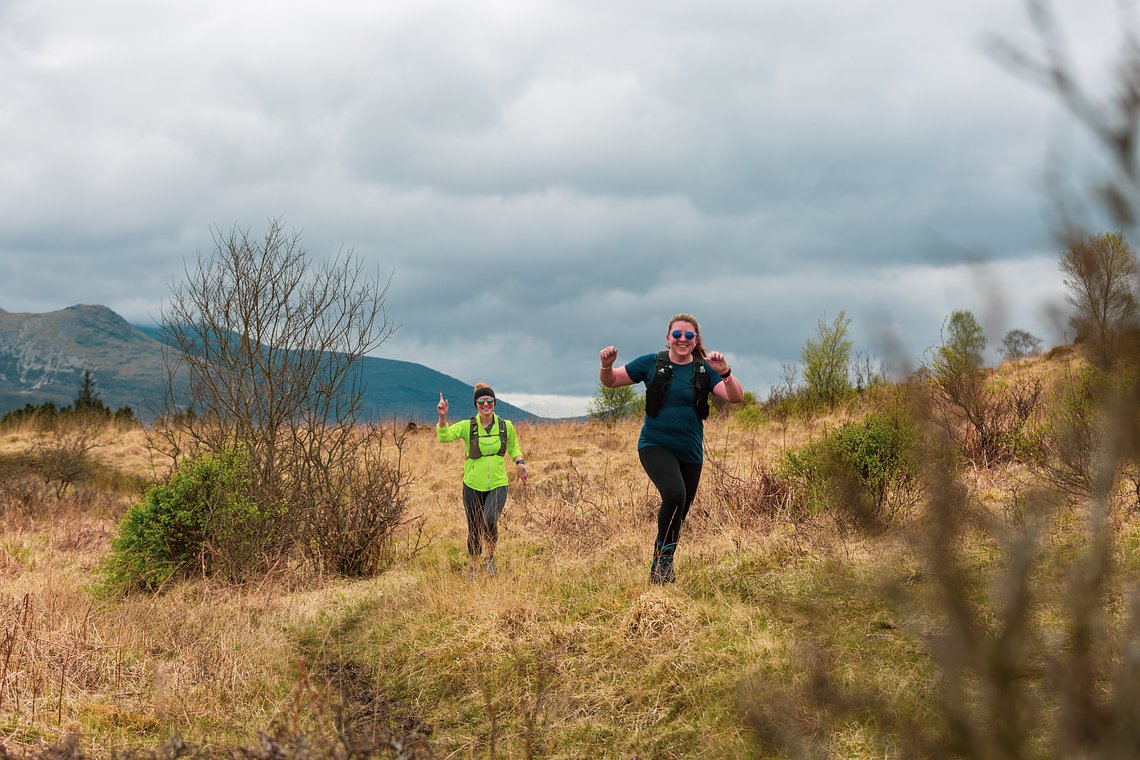
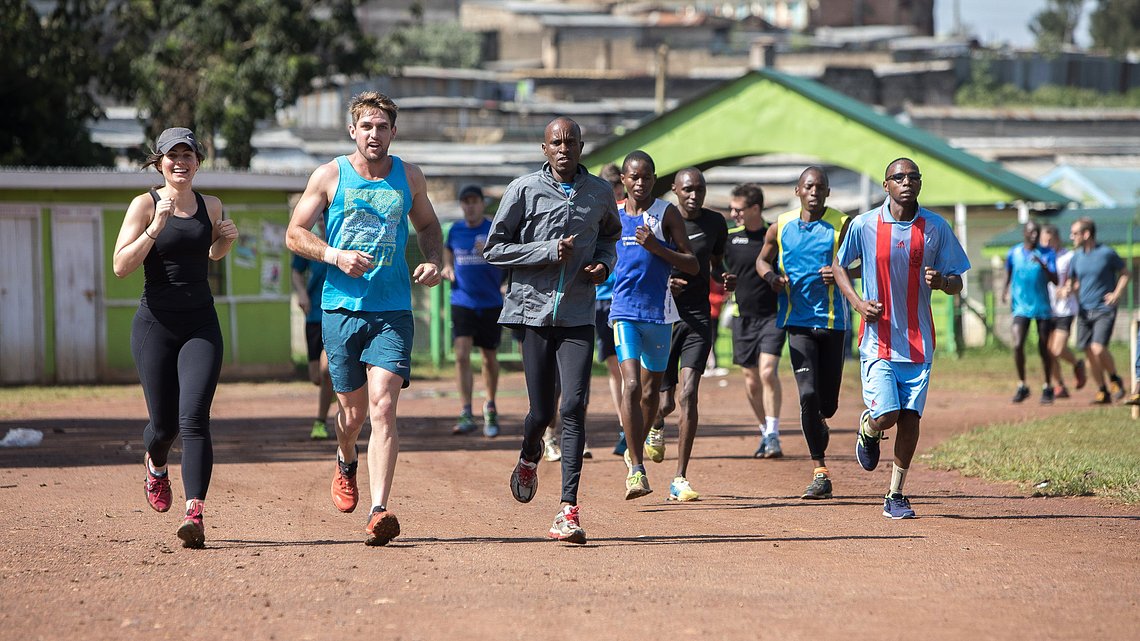
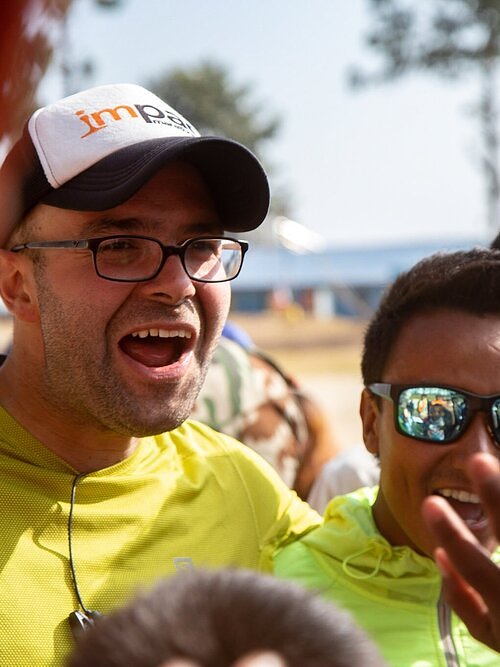
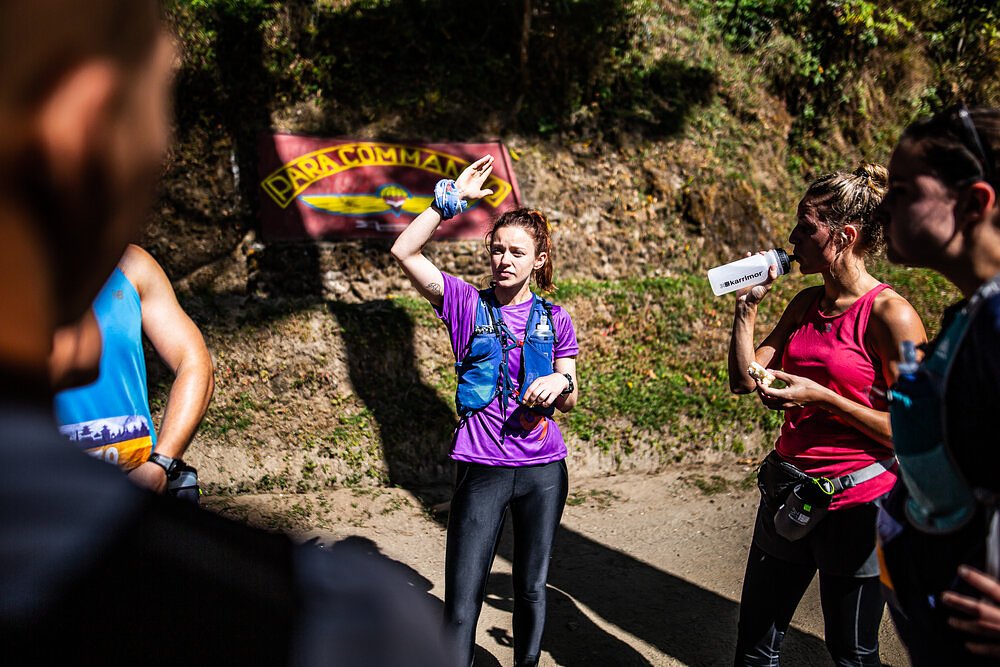
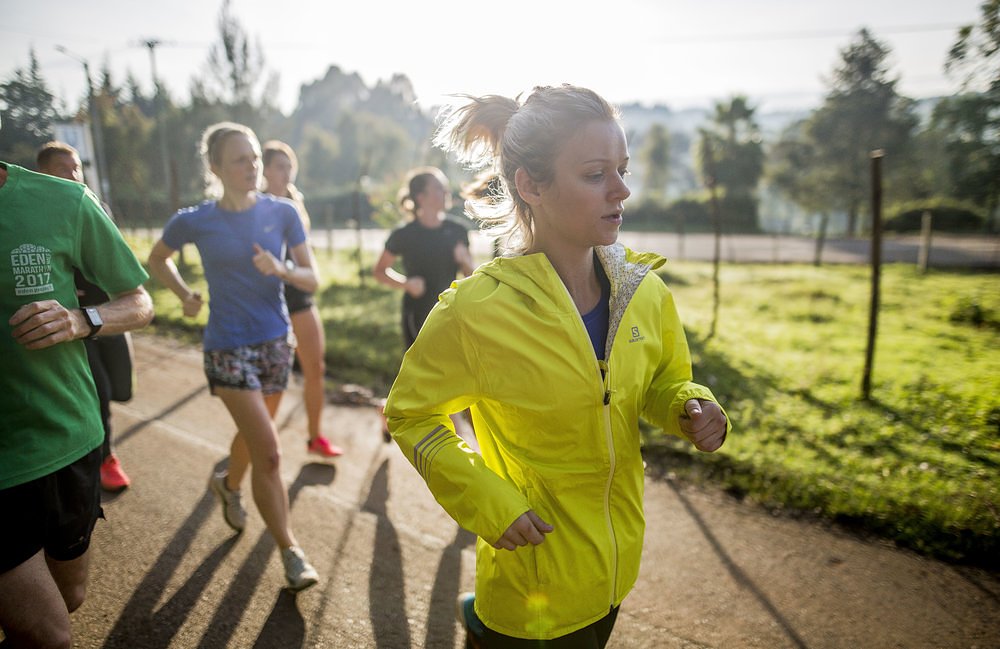
There are no pace groups. No chip timing on a clock tower. No mass start with thousands of strangers. There is a small group of people who have spent the week together — working, eating, talking, processing — and who now run alongside each other through a landscape they have come to understand in a way no tourist ever could.
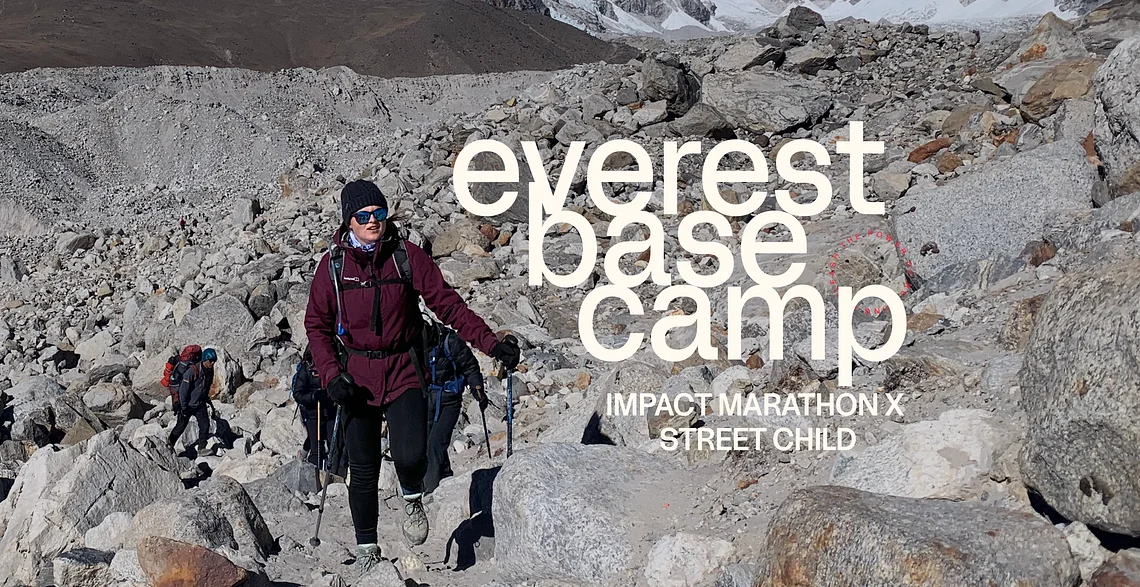
After the race: what stays. The final day is for rest, reflection, and departure. Some runners add bolt-on experiences — gorilla trekking in Rwanda, the Mardi Himal or Everest Base Camp trek in Nepal, further exploration of Petra and the Dead Sea in Jordan.
But the thing that stays is not the bolt-on. It is the moment on the project site when you realised you were doing something that mattered. It is the conversation at dinner on day three that went somewhere you did not expect. It is the finish line where the person who handed you water at kilometre fourteen is the same person you mixed concrete with on Tuesday.
What is included
Everything except your flights. Accommodation, meals, transfers, volunteering, race entry, medical cover, course marking, support vehicles, and the founder's personal presence throughout the week. We do not hand you a pack and wish you well. We are there, every day, from arrival to departure.
Accommodation varies by location — all-hotel in Rwanda, a pop-up athletes' village in Nepal, curated lodges in Jordan. The standard is always comfortable, never extravagant. We are not a luxury operator. We are not a budget backpacker outfit. We are somewhere in between: clean, well-fed, well-rested, and focused on the experience rather than the thread count.
What it costs
Impact Weeks are priced at approximately £1,495 all-inclusive, depending on the location. A 25% deposit secures your place. Payment plans are available.
A £100 Impact Contribution is added at checkout and goes directly to the community project. We invite every runner to set a £1,000 fundraising target, but there is no compulsory minimum. We operate a matching pool, provide employer match kits, and run match days to amplify your fundraising.
Every pound is tracked. We publish an Impact Ledger within thirty days of every event, showing where every penny went: totals raised, allocations by project line, disbursement dates, partner sign-off, and outcome notes. This is not a marketing claim. It is an operational commitment with a verifiable checksum.
To our knowledge, no other adventure-race or challenge-event company publishes financial transparency at this level. We do it because trust is not built by assertion. It is built by evidence.
Who it is for
Impact Weeks are for runners who want more from their running than a finish time.
You do not need to be fast. You do not need to be experienced. You need to be willing to work, willing to be uncomfortable, and willing to spend a week with a small group of people in a place that will ask something of you beyond physical endurance.
Most of our runners are between 25 and 55. Some are seasoned ultra runners. Some have never run further than a parkrun. Some come alone. Some come with friends or partners. The common thread is not ability but values - a desire to use running as a vehicle for something beyond personal achievement.
If you are the kind of person who finishes a race and thinks "that was brilliant, but what was it for?", an Impact Week is your answer.
Who leads it
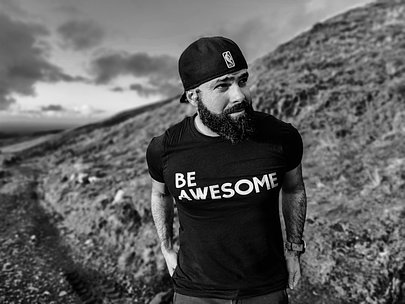
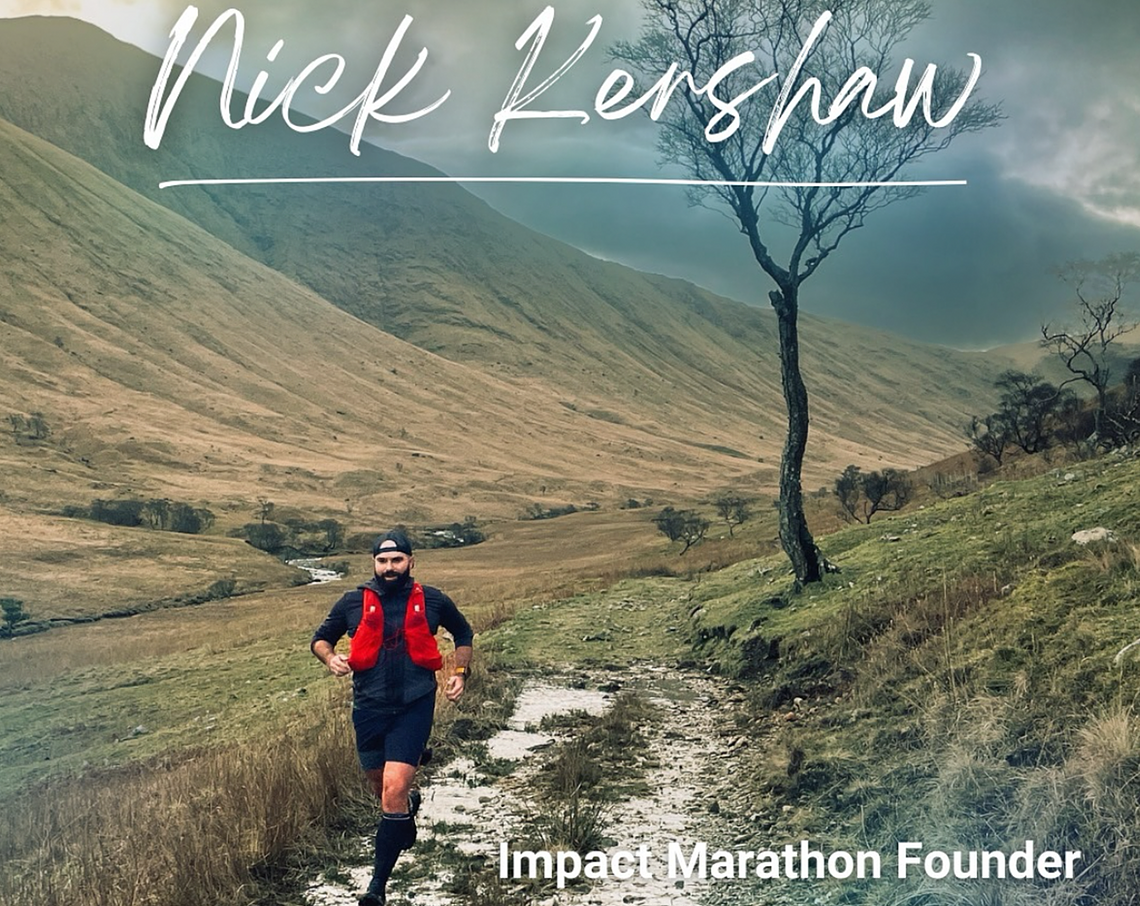
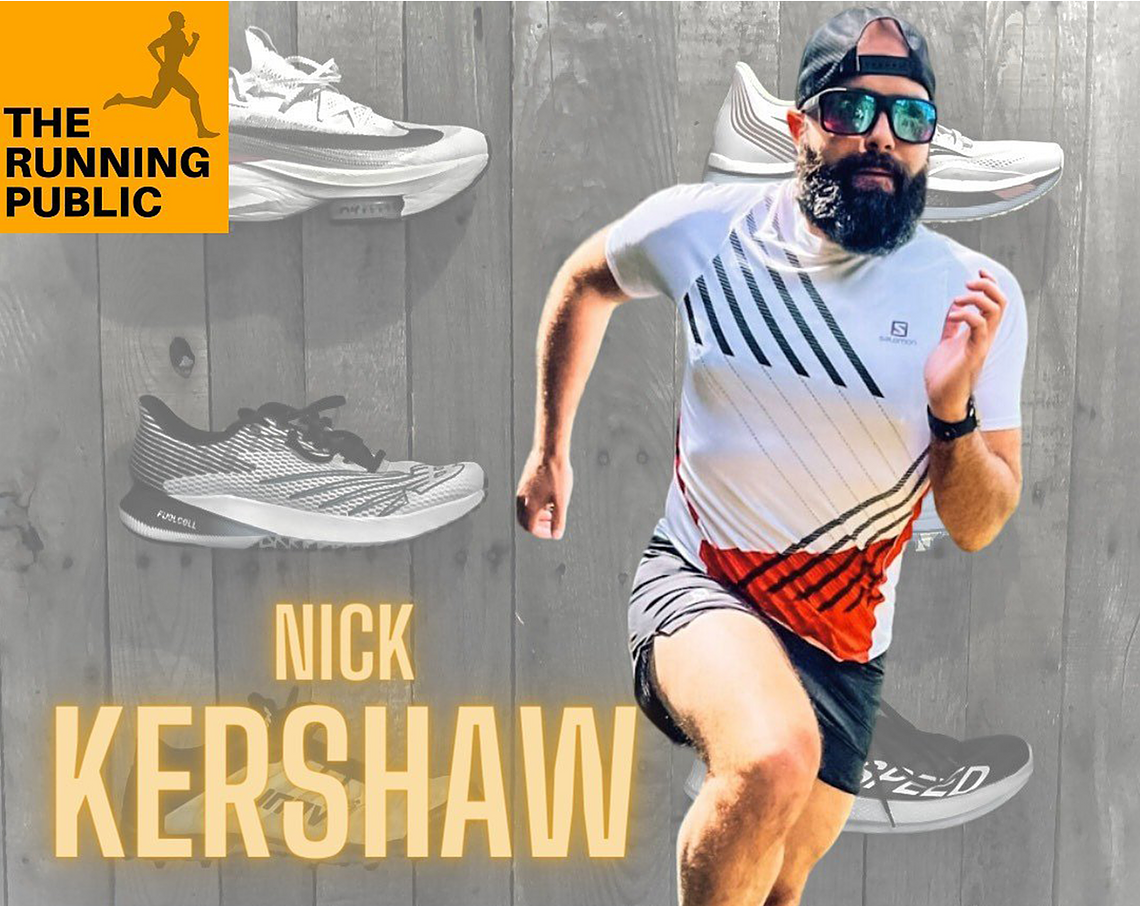
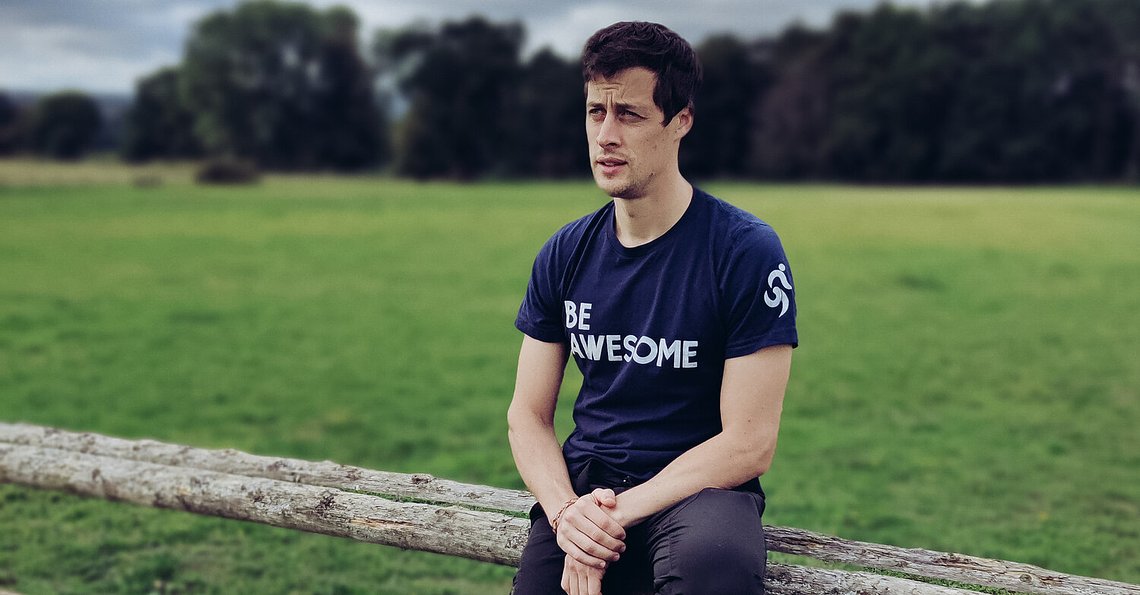
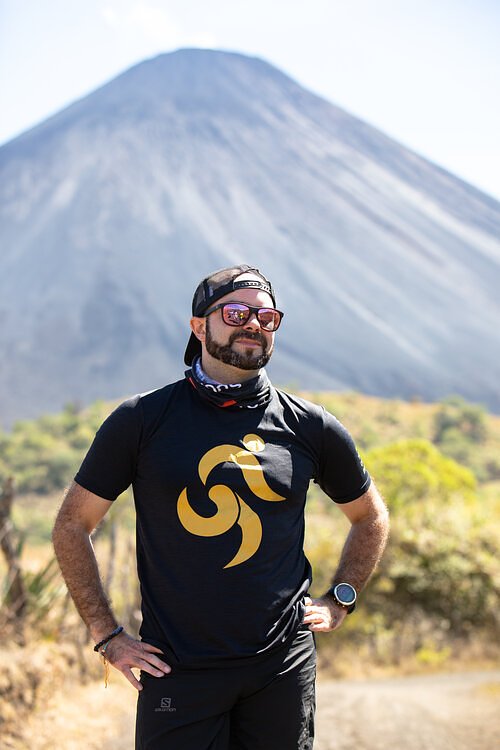
Every Impact Week is led personally by Nick Kershaw, the founder of Impact Marathon. Nick has been delivering events across four continents since 2015. He holds an MSc in International Development from SOAS, University of London, and is a Salomon Ambassador.
This is not a corporate operation with a head office and regional managers. When you book an Impact Week, the person who answers your email is the same person who marks the course, briefs the medical team, and stands at the finish line. That is deliberate. It is also unsustainable at scale, which is one of the reasons we cap at thirty-five.
What it is not
An Impact Week is not a race with volunteering bolted on. If it were, the volunteering would feel like an afterthought and the race would feel like the main event. In an Impact Week, the balance is reversed. The volunteering is the substance. The race is the celebration.
It is not a charity trip. We are not a charity. We are a purpose-driven business that funds community-led projects through runner bookings, transparent fundraising, and an independently incorporated foundation. The distinction matters because it means we are accountable to both our runners and our partners, with no ambiguity about where money goes.
It is not a holiday. You will be tired. You will be challenged. You will build things with your hands and run trails that test your body and sit with stories that test your emotions. You will also laugh more than you expected, eat well, sleep deeply, and come home carrying something you did not have when you left.
It is a week designed with intention, for people who believe that running can be a vehicle for something bigger than a medal.
The races
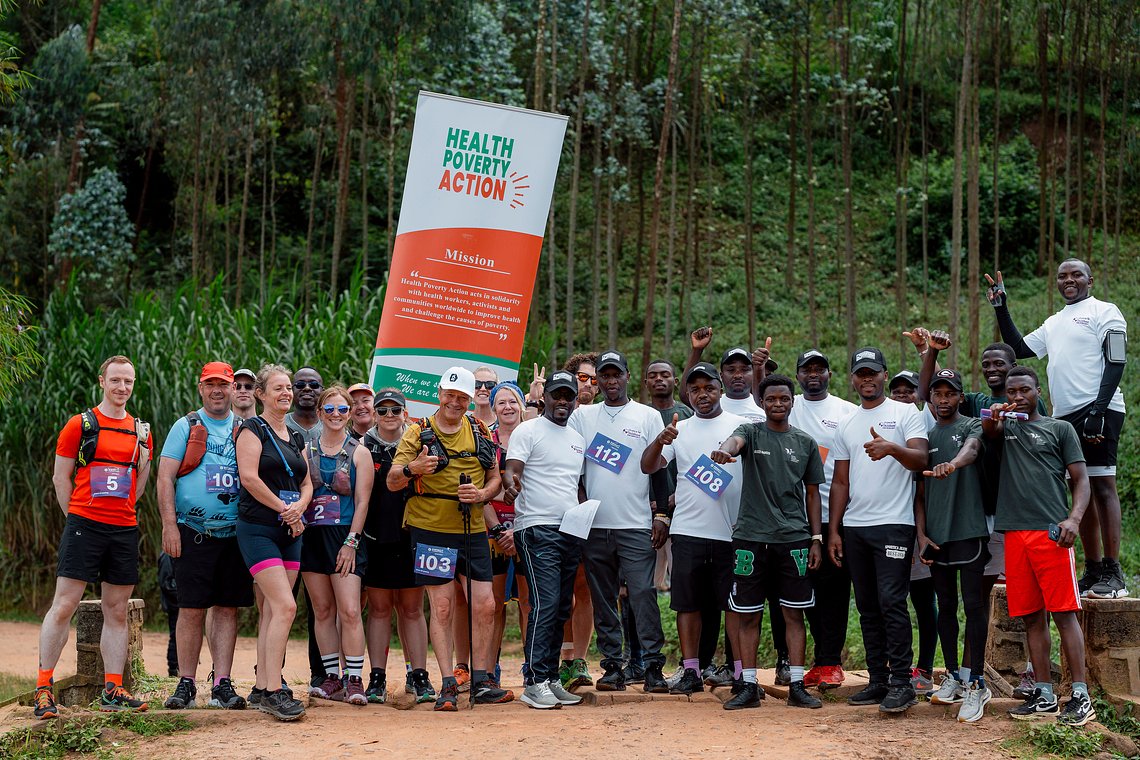
Rwanda: 8–14 June 2026. Ridgeline trails through the Southern Province. Community partner: MAD4Africa. Project: sensory garden at ASFA Physiotherapy Centre. Gorilla trekking bolt-on available.
Nepal: 2026 dates 16 - 22 November 2026. 7th edition. Batase community. Community partner: AgriNepal. Pop-up athletes' village. Trekking bolt-ons available (Mardi Himal, Everest Base Camp, Langtang).
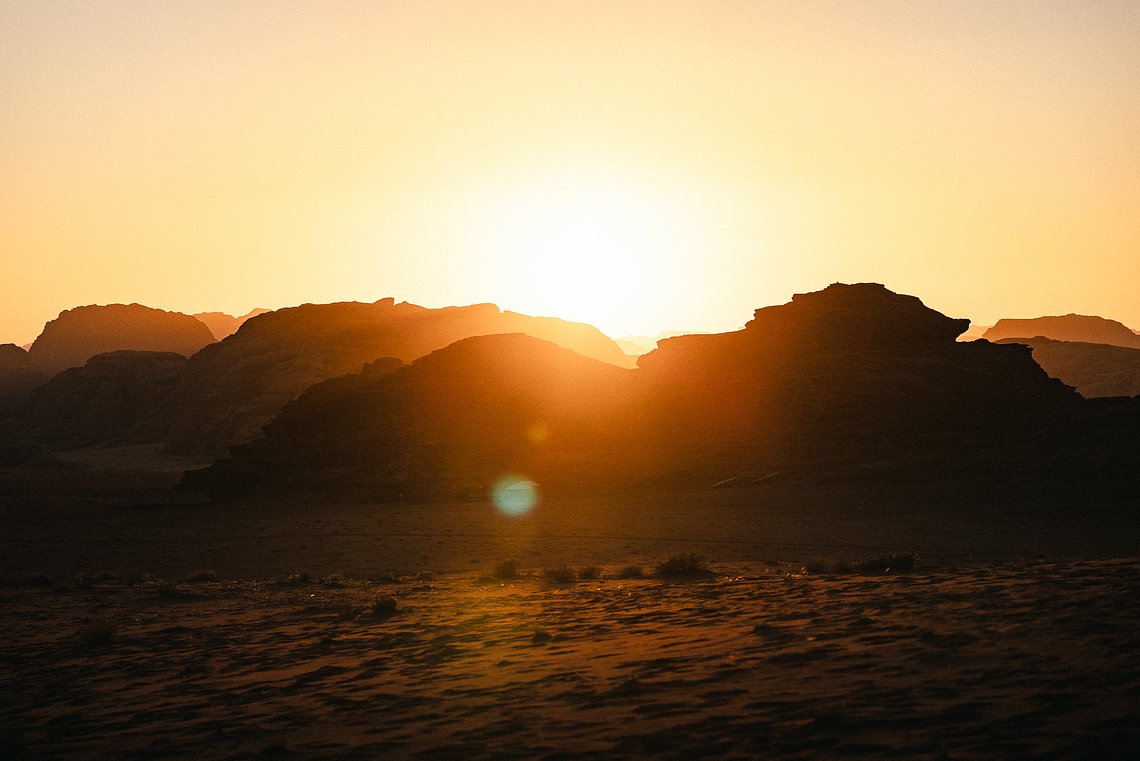
Jordan: 2026 dates 23 - 29 November 2026. Starting with projects in Amman before visiting Petra. Then 3 days offline in Wadi Rum for a stunning, wilderness marathon.
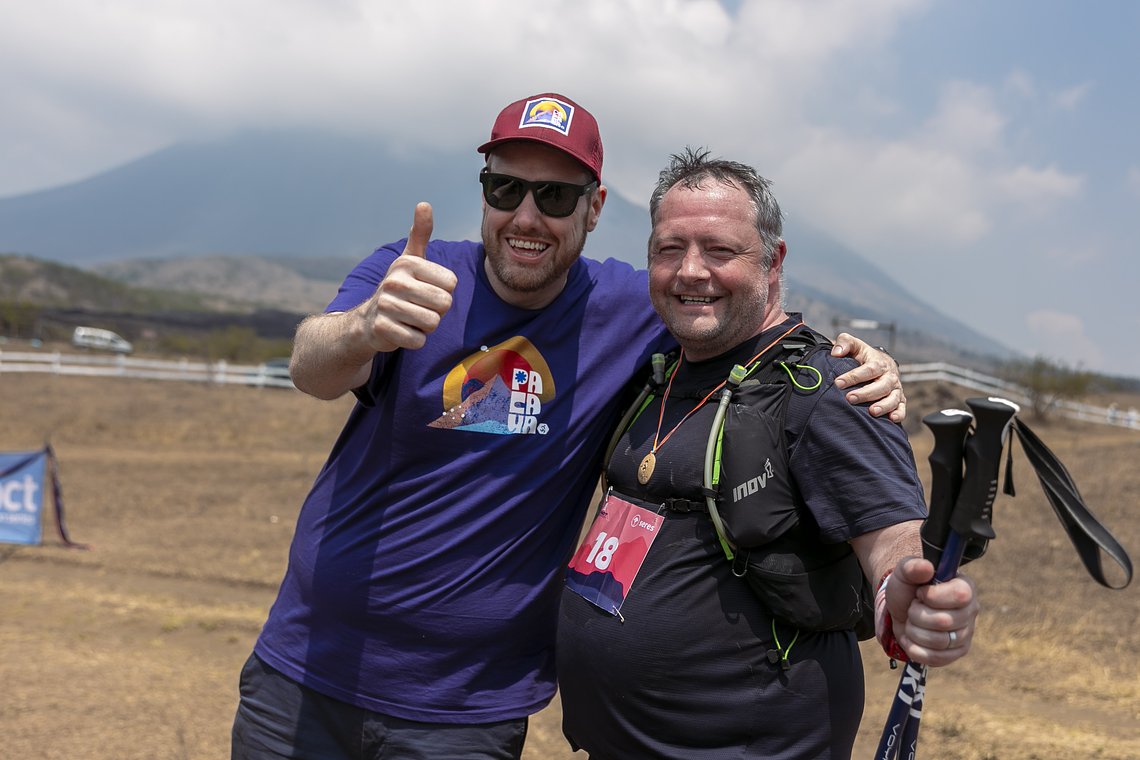
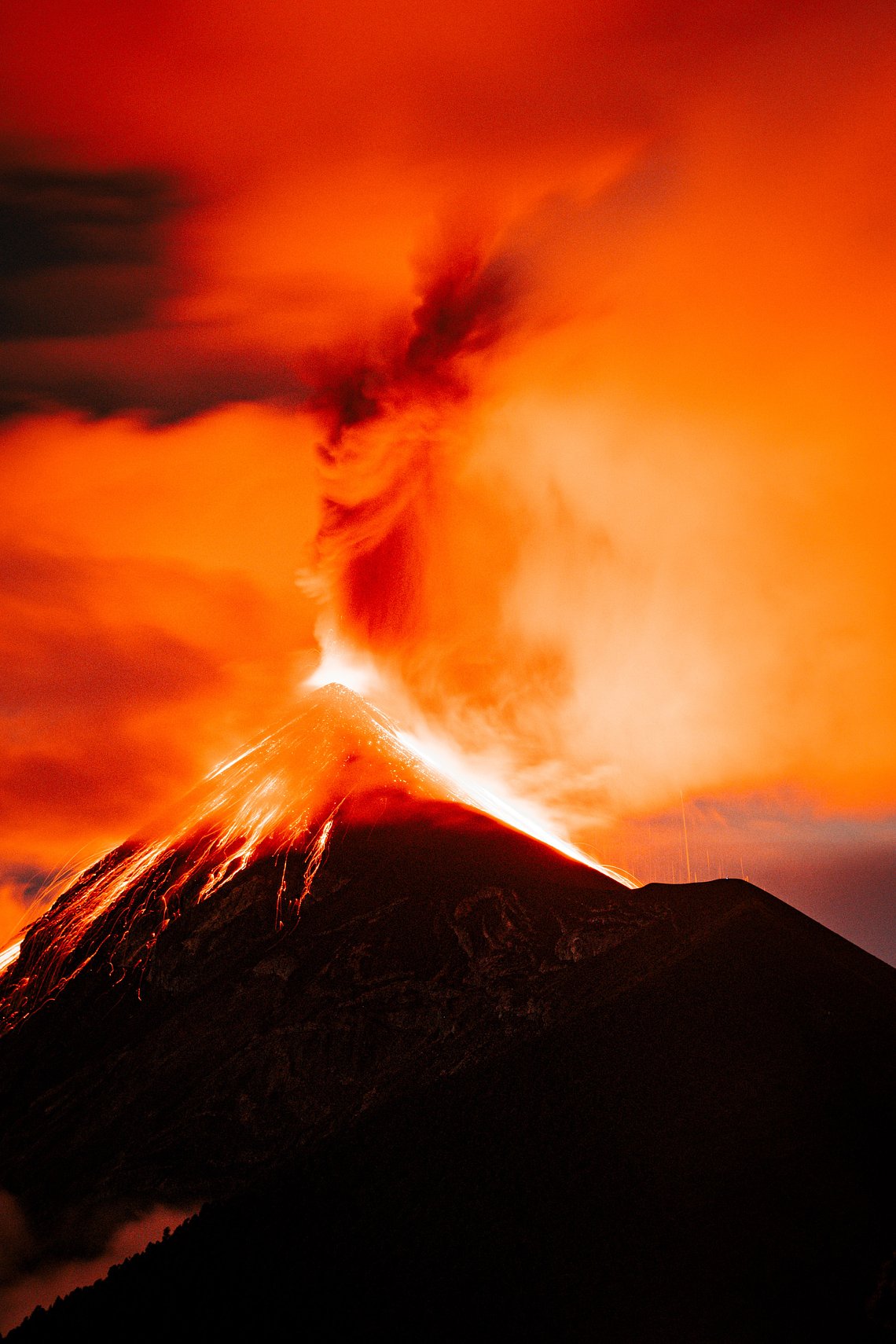
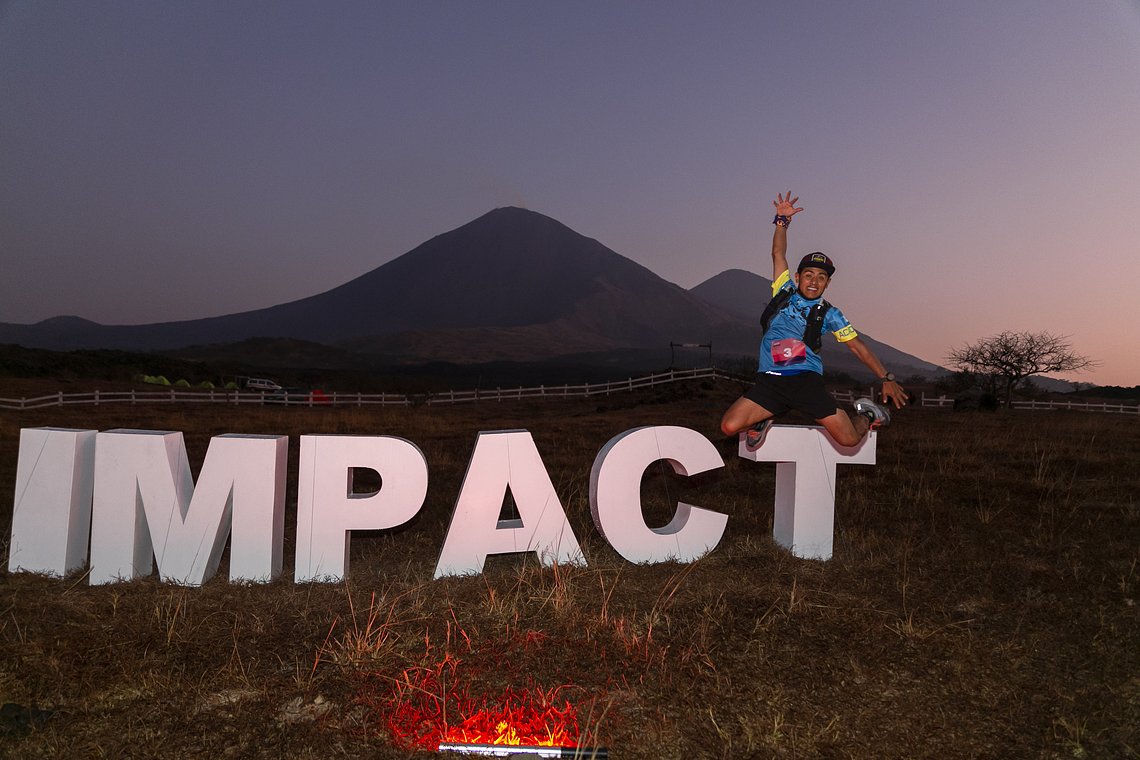
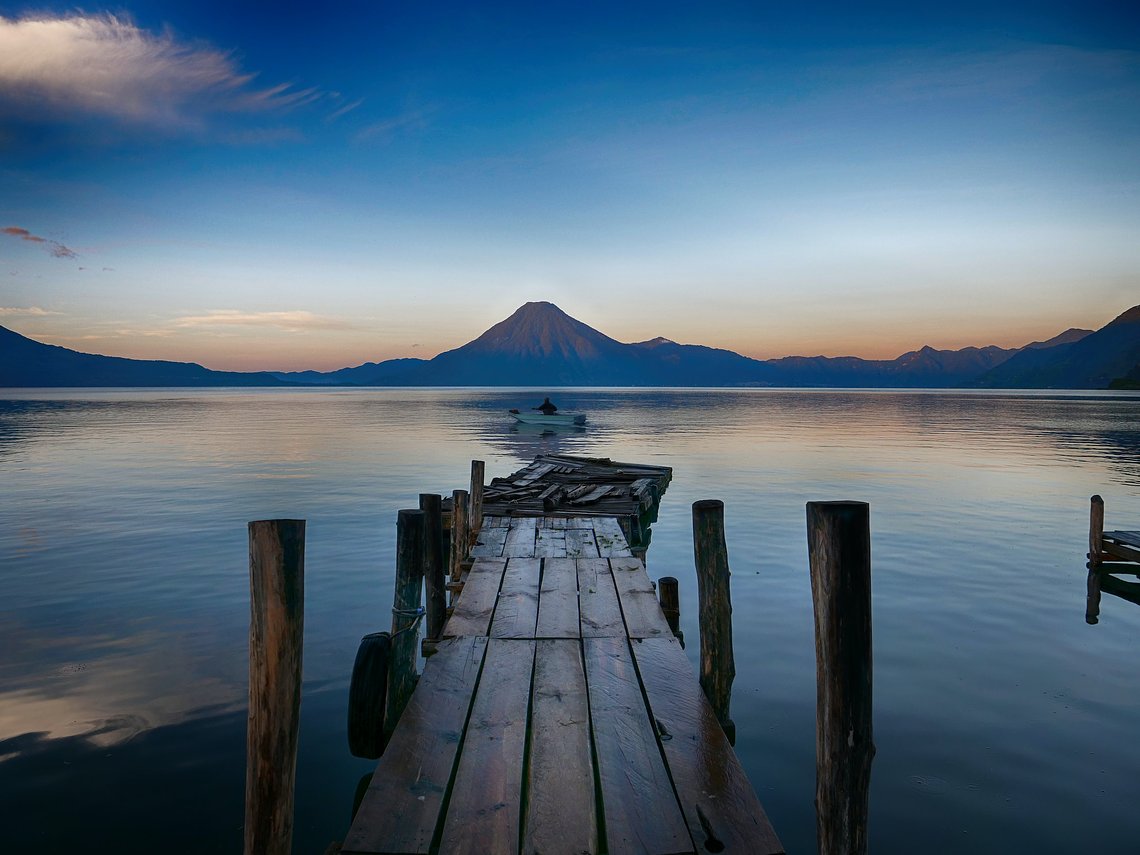
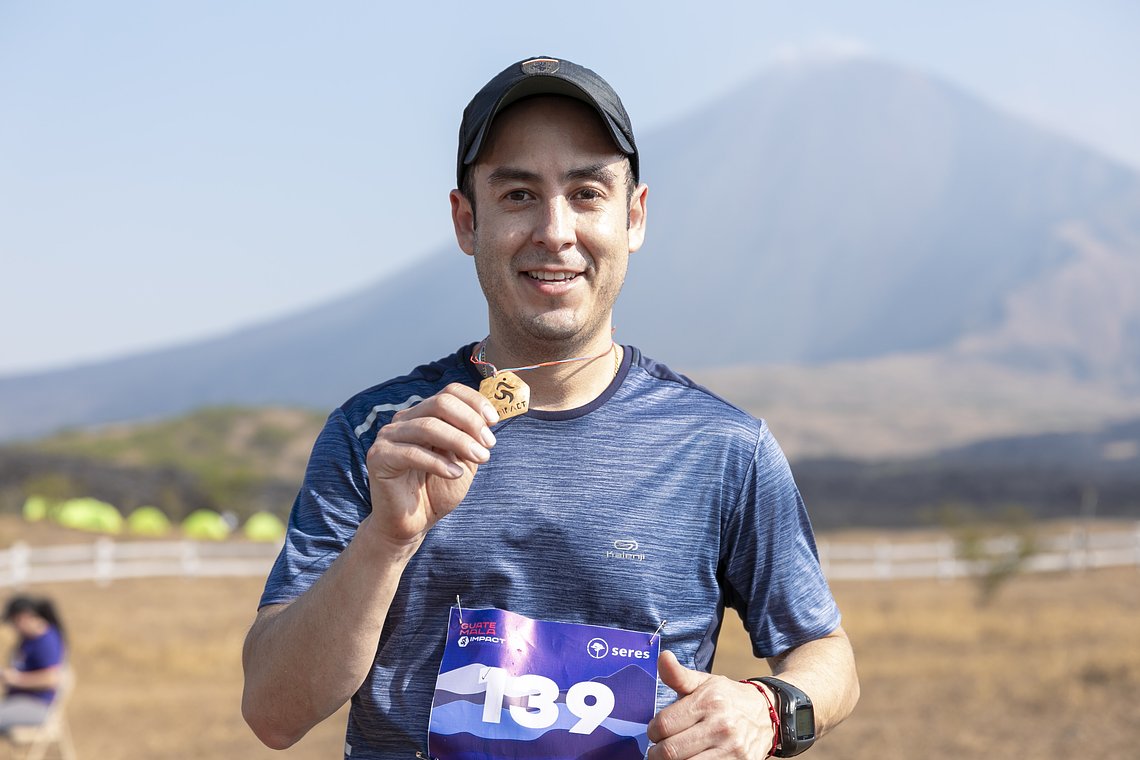
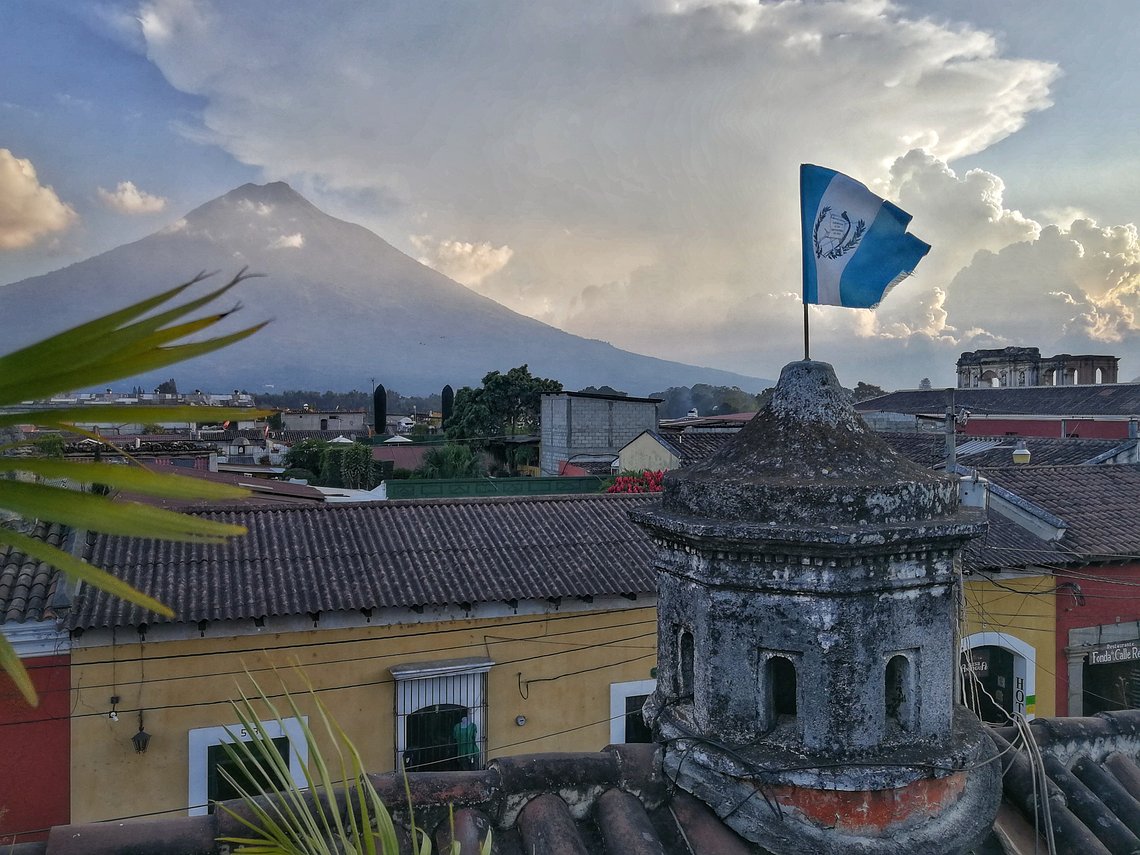
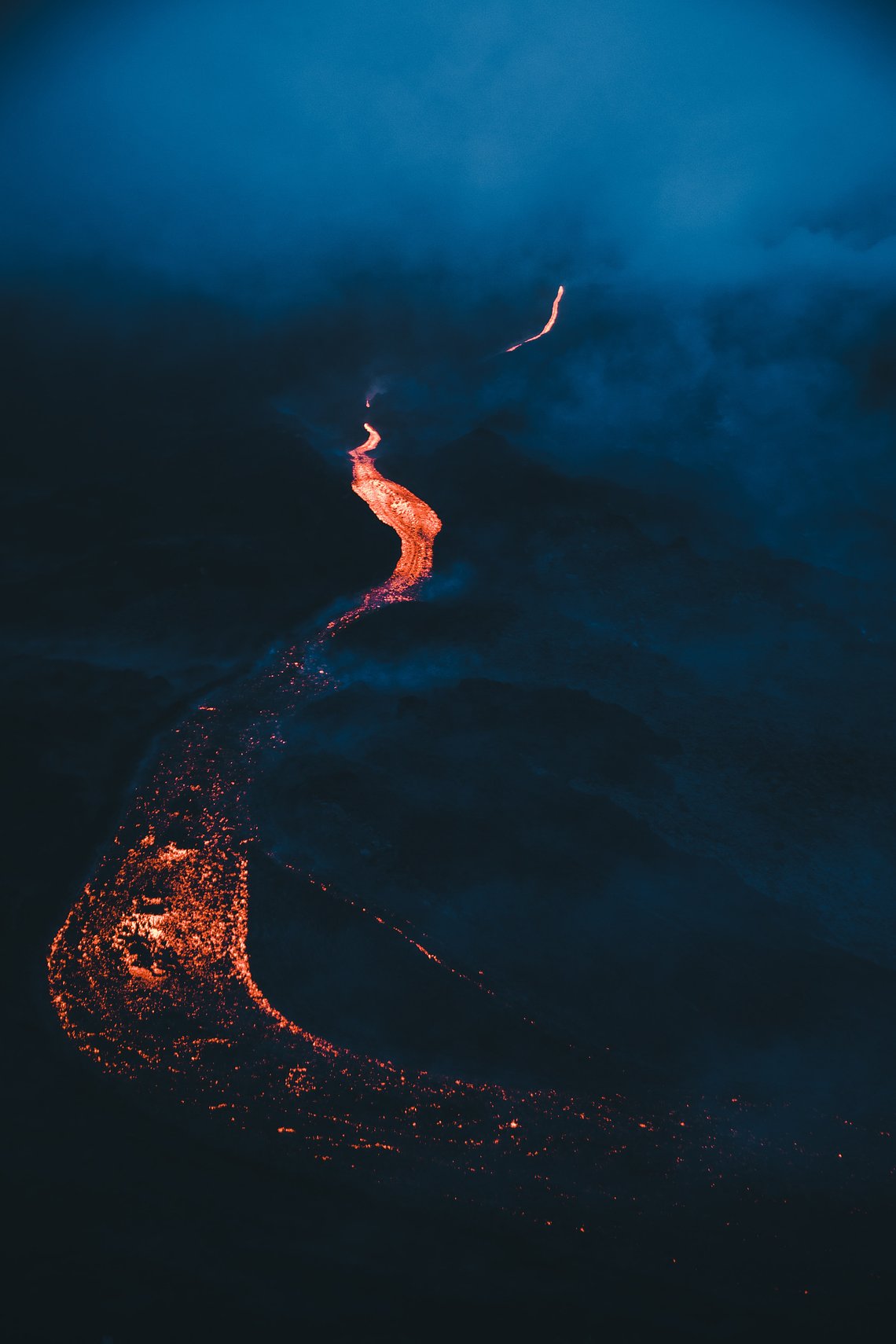
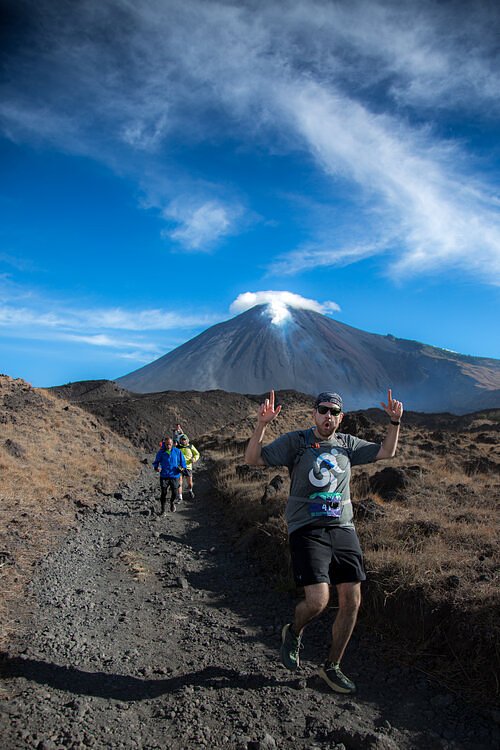
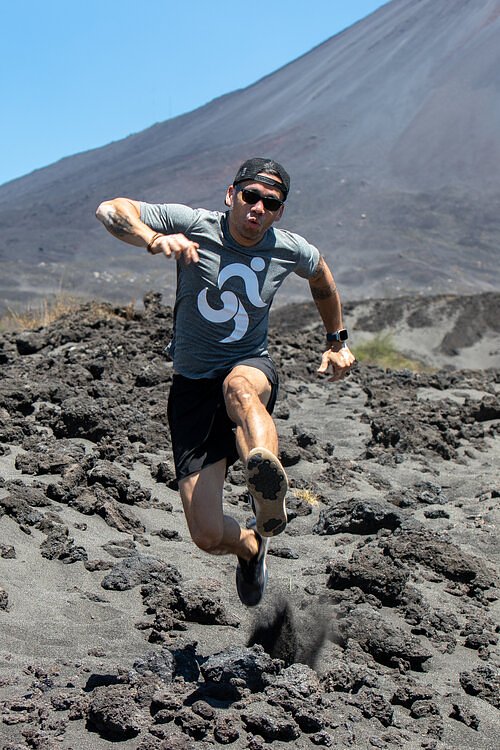
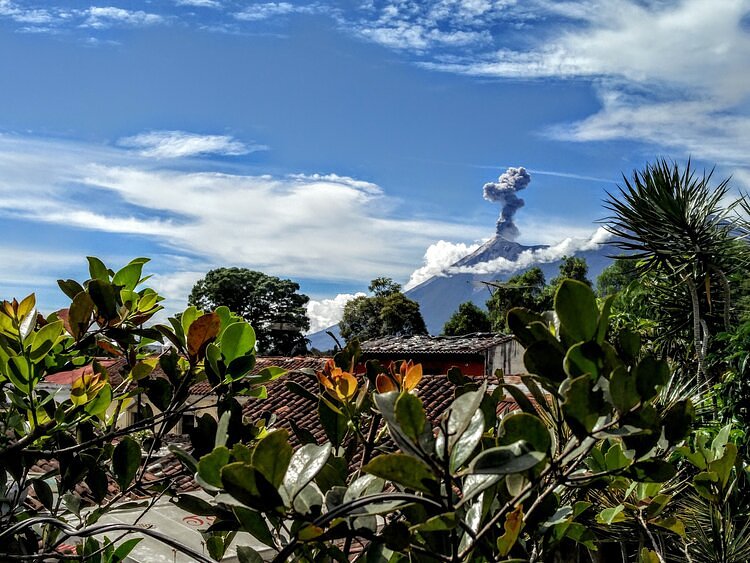
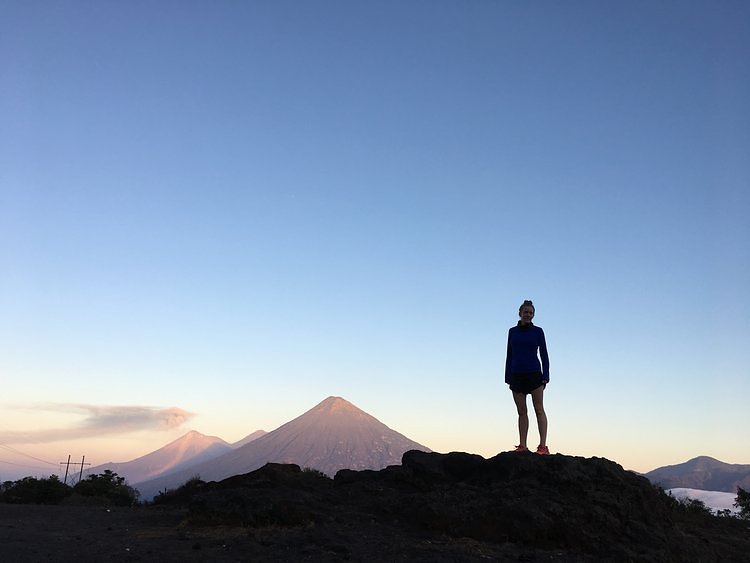
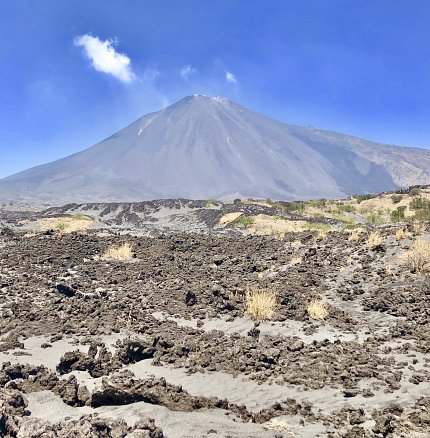
Guatemala: 1 - 7 March 2027. Community partner: SERES. Pacaya volcano route. Antigua base.
If you have read this far, you already know whether this is for you.
Explore the races, ask questions, or book a 15-minute call with Nick
Let's go again. Let's run together, with others, for others.